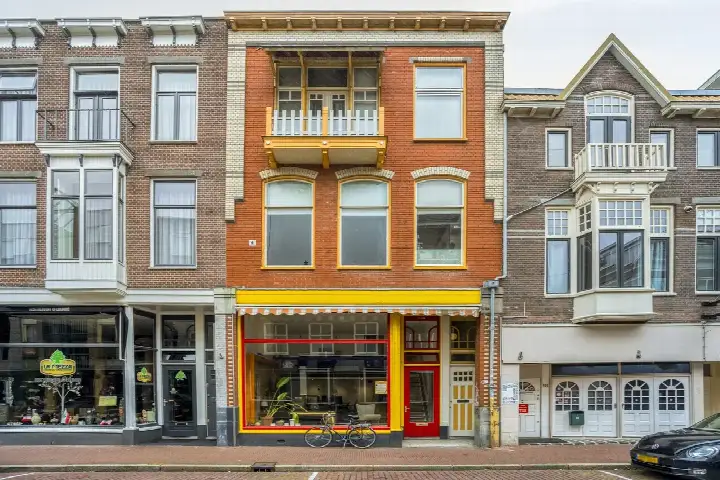





A grand apartment in Oosterpoort
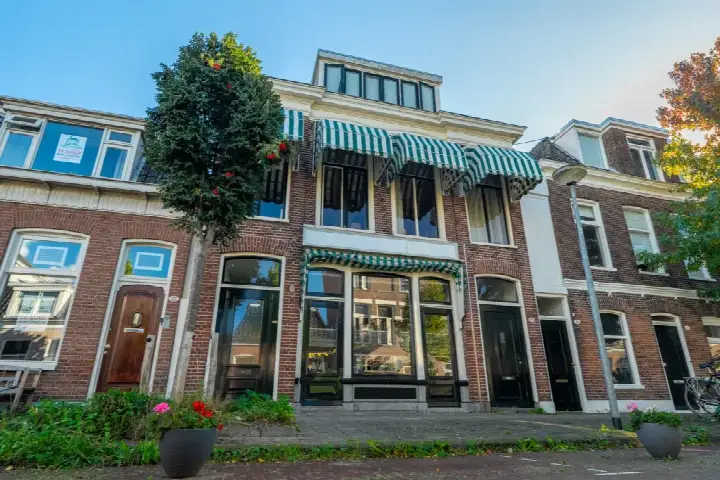
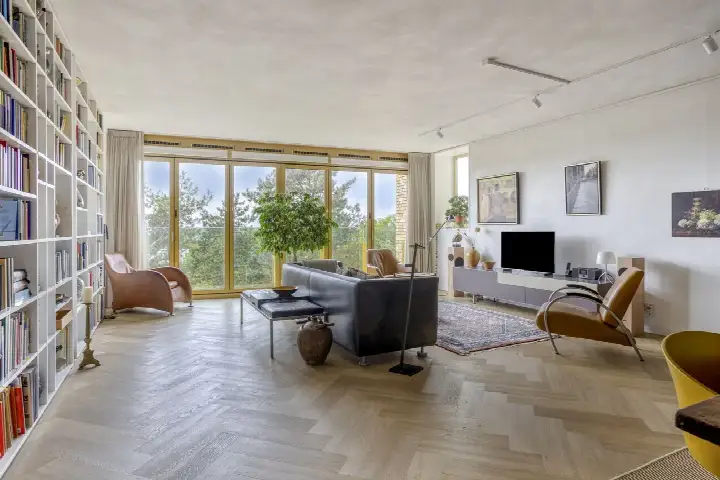
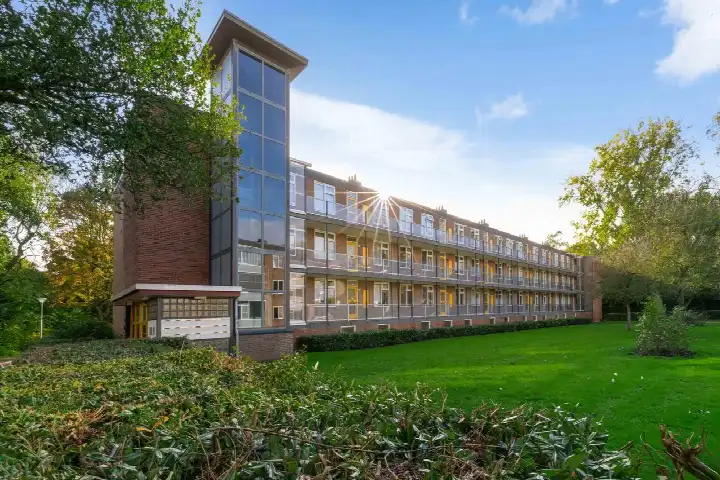
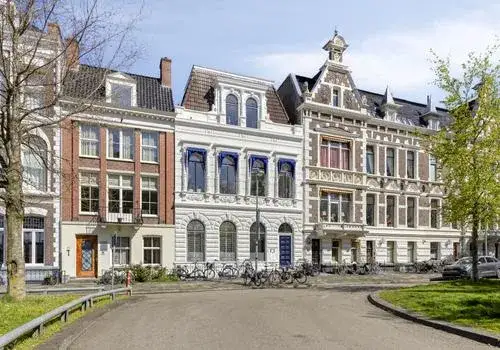
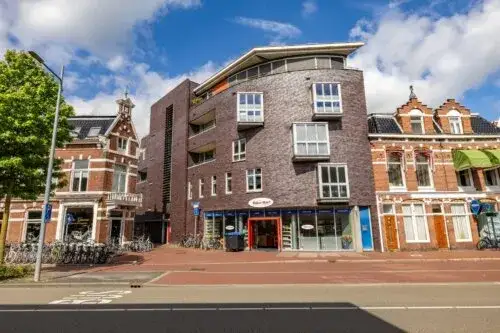
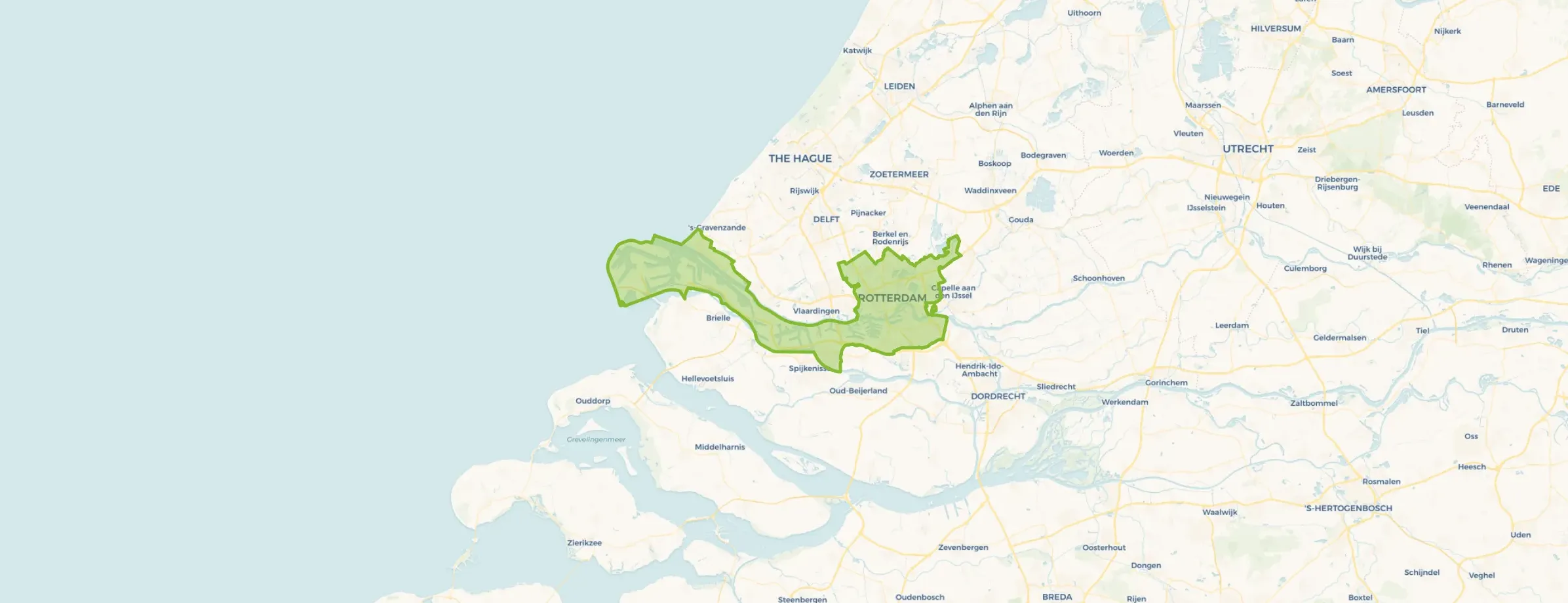
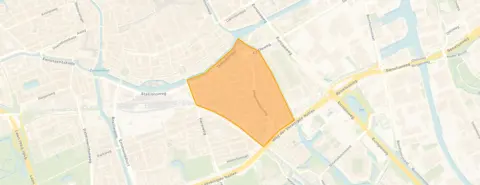
Mauritsstraat 17A is a spacious apartment in the Oosterpoort neighbourhood of Groningen, a lively part of the city where students, young people and families mix easily. The home dates from 1877 and carries an energy label C. With a floor area of 204 square metres, the last known asking price of €725,000 worked out at €3,554 per square metre. Compared with the average asking price in the neighbourhood, this price was in line with the market. For context, you can see other [apartments in Groningen] on our site. This home has not been online since 9 October 2026.
The home itself
The agent described this as a house with six rooms. The living area was 204 square metres according to both the BAG registration and the agent's listing. The year of construction is 1877, and the energy label is C. No further details about the layout, outdoor space or installations were given in the listing.
Life in Oosterpoort
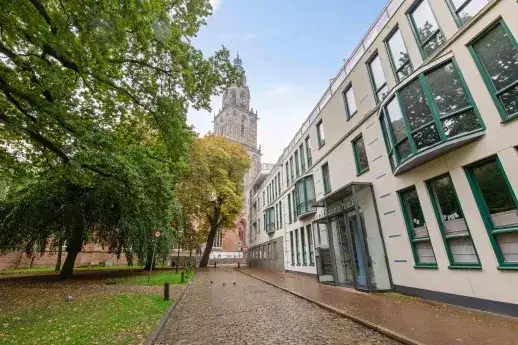
Residents give the neighbourhood an average score of 7.41, based on eight reviews. One resident says: "It is a social neighbourhood of students, young people, families and many single people. People greet each other easily. With the many pubs it is lively, little going on." Another adds: "It's a cosy and, in my opinion, fairly safe neighbourhood. I've never felt uncomfortable, at least." The neighbourhood has around 5,020 inhabitants, and a large share of households are single-person. You can read more about [the Oosterpoort neighbourhood] on our site.
Amenities and transport
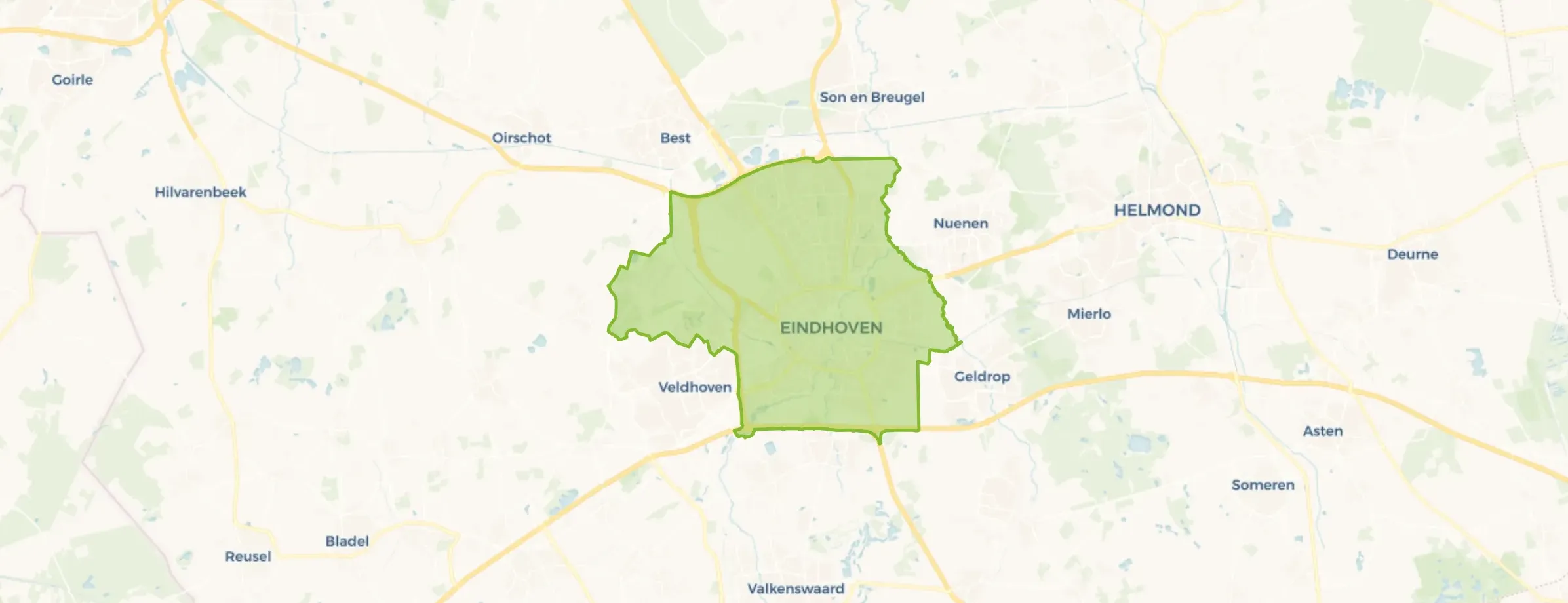
Daily errands are easy from here. The PLUS supermarket is just around the corner, with an Albert Heijn and a Jumbo a couple of streets away. IKC Borgman Oosterpoort primary school is on your doorstep, and the nearest GP is Huisartsenpraktijk Radesingel, with Service Apotheek Oosterpoort nearby. Bus stops at Vechtstraat and Hereplein are within a short walk, served by lines 50 and 51 and many others. Groningen train station is a ten-minute walk. The municipality of Groningen offers all this and more, as you can see on the page for [the municipality of Groningen].
WOZ and address data
No WOZ value is available for this home. As for the address, the noise level from road traffic is 57 dB Lden, which is above the standard, while rail, air and industry noise are all below their standards. The foundation risk indication is medium, and the area-level data notes that 1% of properties in this postcode area have an elevated pile-rot risk. Pluvial flooding risk is low, as is flood risk now and in 2050; heat stress is low now but medium by 2050. These are area-level indications, not an inspection of this specific home.
Source
When this home was still on the market, it was offered only via Huispedia.
This summary was generated with AI and may contain errors. Always verify the details with the provider.
Features
Details of this home
Transfer
Price

Areas and volume
 Insure your home and belongingsGet insured
Layout
Construction
Frequently asked questions
About Mauritsstraat 17A, Groningen
What was the asking price per square metre for this apartment?
The asking price was €725,000 for a living area of 204 square metres, which came to €3,554 per square metre according to the agent's listing. This price was in line with the market when compared with the average asking price in the neighbourhood. The price per square metre was based on the agent's stated floor area.
How many rooms does this home have?
The agent described this as a house with six rooms. The living area was 204 square metres, according to both the BAG registration and the agent's listing. No further details about the layout, such as the number of bedrooms or bathrooms, were stated in the listing.
What is the energy label of this home?
The energy label is C. This label gave an indication of the energy performance of the home, but the listing did not provide details about insulation or heating installations. The home was built in 1877, and the energy label reflects its energy efficiency as assessed at the time of certification.
What is the foundation risk for this property?
The foundation risk indication for this address is medium. This is an area-level indication based on public data, not an inspection of this specific home. The data notes that the property was built before 1970, and that 1% of properties in this postcode area have an elevated pile-rot risk according to the Klimaateffectatlas.
How noisy is the location?
The noise level from road traffic is 57 dB Lden, which is above the standard. Rail noise is 47 dB Lden, air traffic noise is 19 dB Lden, and industry noise is 47 dB Lden, all below their respective standards. These figures are area-level indications from public data, not measurements taken at this specific home.
What supermarkets are nearby?
A PLUS supermarket is just around the corner at 300 metres, with another PLUS at 540 metres and an Albert Heijn at 546 metres. A Jumbo is at 613 metres and an Ekoplaza at 676 metres. All are within a short walk, making daily grocery shopping convenient.
Which schools are close to this home?
IKC Borgman Oosterpoort primary school is on your doorstep at 207 metres. The School voor Speciaal Basisonderwijs Dr Bekenkamp is at 315 metres, and De Vrije School Groningen Onderbouw is at 595 metres. For secondary education, Parcival College is at 739 metres and H.N. Werkman Stadslyceum is at 1017 metres.
What public transport options are available?
The nearest bus stop is Groningen, Vechtstraat, at 292 metres, served by lines 50 and 51. Groningen, Hereplein is at 421 metres with many lines including 1, 3, 4, 5, 6, 7, 8, 9, 10, 11, 19, 61, 63, 65, 76, 165 and 178. Groningen train station is at 694 metres.
What do residents say about living in Oosterpoort?
Residents give the neighbourhood an average score of 7.41 based on eight reviews. One resident describes it as a social neighbourhood where people are there for each other and easily strike up a conversation, feeling safe enough to walk in the evening. Another says it is cosy and fairly safe, with little nuisance experienced.
What is the demographic makeup of the neighbourhood?
Oosterpoort has around 5,020 inhabitants. A large share, 73%, are single-person households, and the average household size is 1.4. The age distribution shows 32% aged 15 to 25 and 36% aged 25 to 45, making it a young neighbourhood. Only 7% of households have children.