





22 rental homes in Roosendaal
View the current rental property supply in Roosendaal, including neighbourhood scores and resident reviews per district. Find a rental property that suits you.

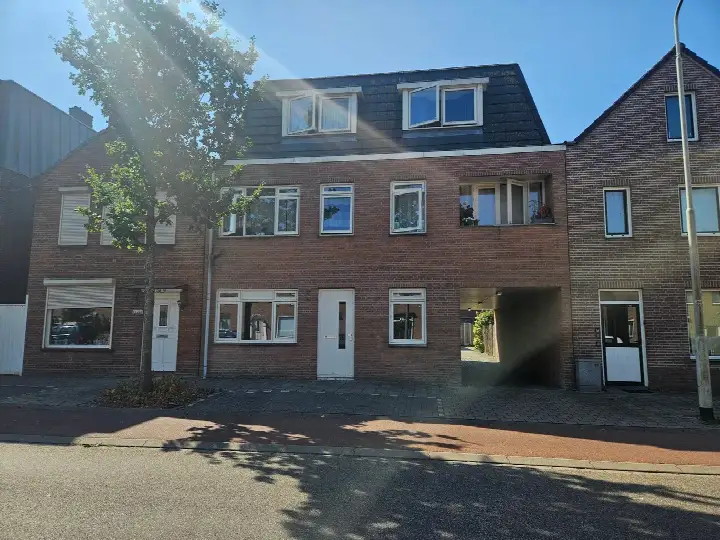
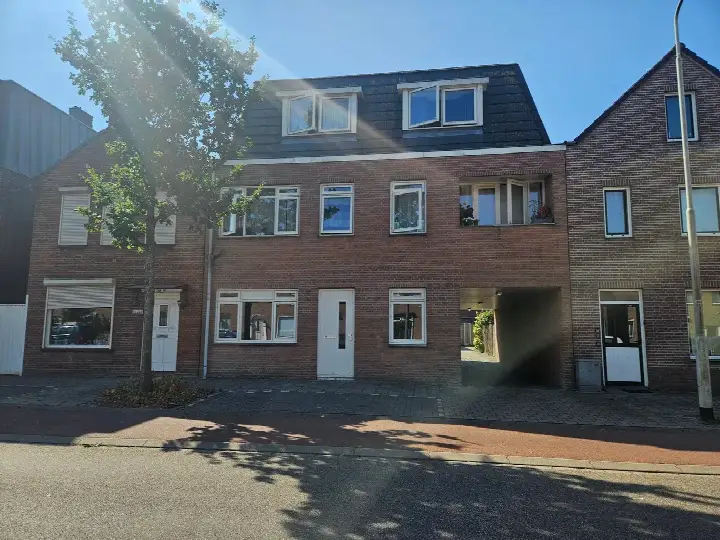
Kalsdonksestraat 153

Kalsdonksestraat 153B





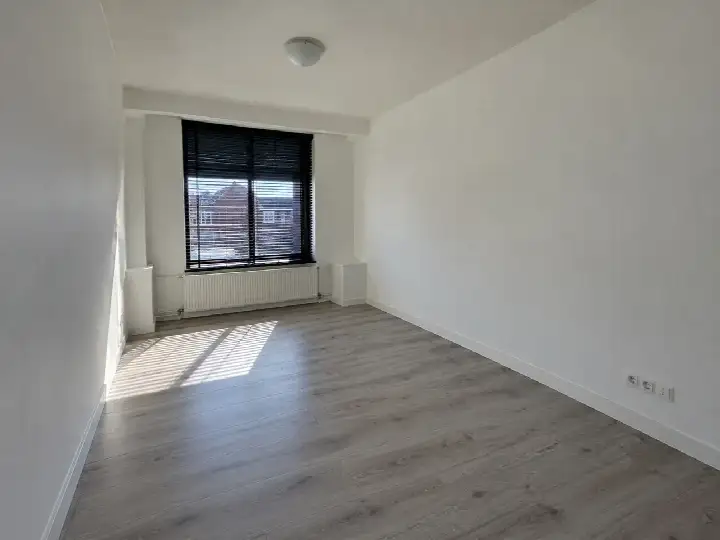

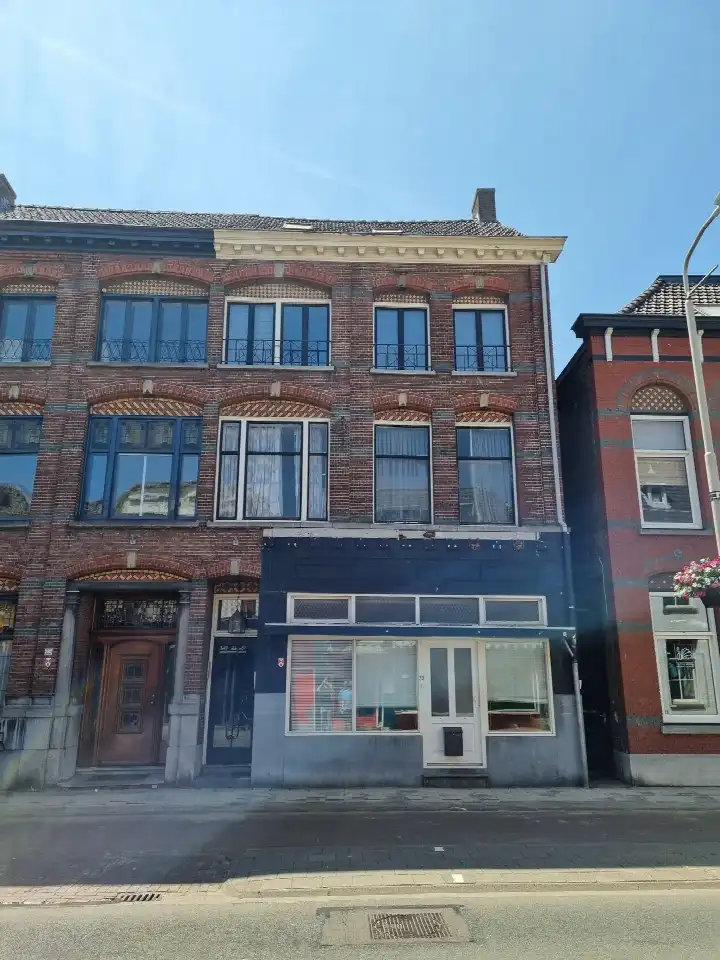
Nieuwe Markt 53Y





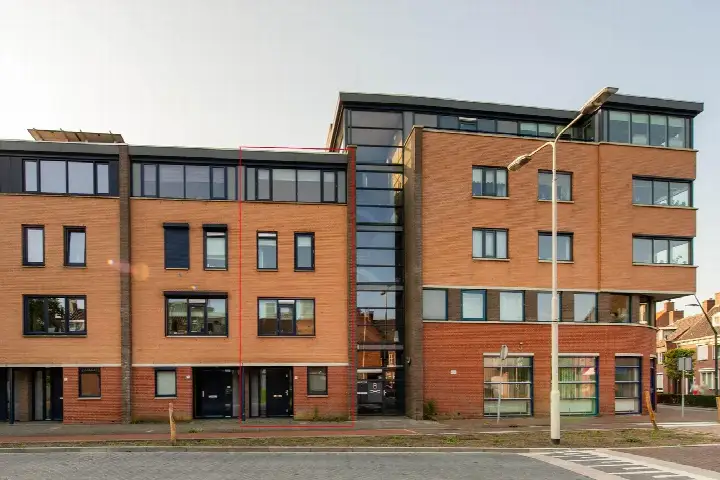
Renting in Roosendaal: what does it cost and what can you expect?
Roosendaal is a medium-sized municipality in West Brabant with a fairly diverse rental market. Of the total housing stock of nearly 36,000 homes, 38% are rental properties, the majority of which (27%) are owned by housing corporations. The remaining 11% falls under private landlords and the free sector. This means that social housing is relatively well represented here, but waiting lists are long, as elsewhere in Brabant. In the free sector, the average rent over the past year was €1,155 per month, with a range of €375 to €7,000. This spread is wide: a compact apartment in Roosendaal can be rented for under five hundred euros, while detached homes on the outskirts of the municipality can be significantly more expensive. The average size of rented homes was 146 m², indicating that there are relatively many spacious family homes in the supply. Check the top of this page for current daily prices and the latest listings.
Roosendaal owes part of its appeal to its location. The train station is an important hub: you can be in Breda in half an hour, and in Rotterdam or Antwerp within an hour. This makes the municipality interesting for commuters who work in the Randstad or Belgium but don't want to pay top prices. The average disposable income of €35,100 is below the national average, and the WOZ value of €292,000 is much lower than in the big cities. This translates into rents that are reasonable by Brabant standards, although residents note that quality varies greatly by neighbourhood.
From Langdonk to Noord: comparing the neighbourhoods of Roosendaal
Roosendaal consists of very different neighbourhoods, and the neighbourhood score on Buurtje.nl clearly shows this. The overall resident rating is 6.8 out of 10 based on 18 reviews, but scores per neighbourhood range from 5.0 to 9.1. Below are the most important neighbourhoods for renters.
Langdonk, quiet living with the highest score
Langdonk scores a 9.1 from residents, and for good reason. This neighbourhood south of the centre is green, spacious, and popular with families. You'll mainly find single-family homes and terraced houses from the 1980s and 1990s. It's quiet, there are playgrounds for children, and the primary schools score well. The supply of rental homes here is limited, so if something becomes available, you need to be quick.
Tolberg, a popular family neighbourhood
With a neighbourhood score of 8.6, Tolberg is one of the best-rated neighbourhoods. Tolberg is located on the southeast side and has its own shopping centre, sports facilities, and plenty of green space. The neighbourhood mainly attracts young families and those moving up the housing ladder. The atmosphere is village-like but with all amenities within easy reach. Those looking for a rental home here will mainly find terraced houses and semi-detached homes.
Groot Kroeven, affordable and improved
Groot Kroeven scores an 8.4 based on 2 reviews. This neighbourhood has undergone a major renovation in recent years. There is a lot of housing corporation property, making it one of the more affordable options. One resident writes that the neighbourhood "has been significantly improved in recent years and the atmosphere is getting better and better." It is a mixed neighbourhood with a diverse population, which some see as a plus and others as something to get used to.
The centre of Roosendaal scores a 6.9 from residents. Here you'll find most apartments and studios, close to the station, shops, and restaurants. The downside: residents cite the cleanliness of the centre as a weak point (an average of 6.2 for the entire municipality). Redevelopment around the station area is underway, but not yet complete. For starters who want to rent a home in Roosendaal and value liveliness, the centre is the logical choice.
The West neighbourhood has the most reviews with 7 and scores a 7.0. It is a mixed neighbourhood: partly post-war construction, partly newer areas. Residents appreciate the accessibility and green spaces, but note that the sense of community varies (average 6.5). Oost scores a 6.6 and is similar in character, with more space and a slightly quieter atmosphere.
At the lower end of the scores, we find Noord with a 5.0 based on 3 reviews and Kortendijk with a 5.2. Noord suffers from a less favourable reputation, and residents mention nuisance as a point of concern. Kortendijk is small and somewhat isolated. Honestly, if you have a choice, there are better options. But rents here are lower, which can make it interesting for starters with a smaller budget.
Outside the city centre, Roosendaal also has village cores such as Wouw, Nispen, and Heerle (neighbourhood score 6.1). Here it is truly rural, with few rental homes but plenty of peace and quiet. Suitable if you have a car and don't want to rely on the city centre. Read more resident experiences on the page about Roosendaal with all reviews and neighbourhood information.
Who is a rental home in Roosendaal suitable for?
With an average rent of €1,155 in the free sector, Roosendaal is considerably cheaper than cities like Breda or Tilburg. This makes it attractive for various groups. Commuters who travel daily to Rotterdam, Breda, or even Antwerp benefit from the direct train connections from Roosendaal station. Families find spacious homes with gardens in neighbourhoods like Tolberg and Langdonk at a price that would be unthinkable in the Randstad. The largest age group in the municipality is 45 to 65 years old (about 21,800 residents), but there are also many young people between 25 and 45 who consciously choose this area for its affordability.
To be honest: Roosendaal is not a bustling city. Amenities score a 6.4 from residents, and the cultural offering is limited compared to larger cities. If you're looking for a vibrant nightlife or a wide range of restaurants, this is not your place. Starters who depend on social housing should account for waiting times. Register as soon as possible with housing corporation Alwel via the website of the municipality of Roosendaal for information on local schemes. If you have a higher budget and are considering buying, also check out homes for sale in Roosendaal, because with a WOZ value of €292,000, buying here is more realistic for many households than in the Randstad.
Practical tips: prepare your documents (employer's statement, payslips, ID), because in the free sector things move quickly. Over the past year, 273 homes were rented out in the free sector, so there is turnover, but popular neighbourhoods like Tolberg and Langdonk are snapped up quickly. Respond within a day if you see something that fits.
Searching for a rental home in Roosendaal and surroundings
On Buurtje.nl, you'll find the current rental supply in Roosendaal combined with neighbourhood scores and real resident reviews, so you can assess not just the home but also the neighbourhood. Also take a look at rental homes in the region: Bergen op Zoom is a fifteen-minute drive away, Alphen-Chaam offers a more rural alternative, and in Altena you sometimes find surprisingly spacious homes. Compare neighbourhoods, read reviews, and discover which area suits you via the overview page of Noord-Brabant.
What is the average rent in Roosendaal?
In the private sector (excluding social housing), the average rent over the past year was €1,155 per month. The range is wide: from €375 for a small apartment to €7,000 for the most expensive homes. The average floor area was 146 m².
Which neighbourhoods in Roosendaal are the most popular for renting?
Langdonk (9.1/10), Tolberg (8.6/10) and Groot Kroeven (8.4/10) score highest among residents. These neighbourhoods are especially popular with families due to the space, greenery and amenities. The centre is popular with starters who want to live close to the station.
How quickly are rental properties in Roosendaal let?
Over the past year, 273 properties were let in the private sector. Popular neighbourhoods like Tolberg and Langdonk go quickly. Make sure your documents are ready and preferably respond on the same day a property comes online.
What is the difference between social housing and the private sector in Roosendaal?
Of all rental properties in Roosendaal, 27% are housing association properties (social housing) and 11% are private sector. For social housing, you must be registered with a housing association and there is an income limit. The private sector has no income limit but is more expensive, with an average of €1,155 per month.
Is Roosendaal suitable for commuters who work in Rotterdam or Breda?
Yes, Roosendaal station is an intercity hub. You can be in Breda within 30 minutes and in Rotterdam within an hour. Antwerp is also easily accessible by train. Accessibility scores 6.9 among residents, partly due to good motorway connections via the A58 and A17.
In which neighbourhoods in Roosendaal can you rent a house cheapest?
The lowest rents are generally found in Noord and Kortendijk, although these neighbourhoods score lower among residents (5.0 and 5.2). Groot Kroeven has a lot of housing association properties and therefore also offers affordable options, with a neighbourhood score of 8.4.
How safe is it to live in Roosendaal?
Residents give Roosendaal an average of 7.5 for safety, which is the highest sub-score. It varies per neighbourhood: Langdonk and Tolberg are perceived as very safe, while residents in Noord and the centre report more nuisance. Check the neighbourhood scores per area for a detailed picture.
Can I rent an apartment in the centre of Roosendaal?
Yes, the centre has the largest supply of apartments, often close to the station and shops. The neighbourhood score is 6.9. Keep in mind that the centre is still under development and that the appearance of some parts scores moderately among residents.
Resident scores from reviews on Buurtje.nl. Click for statistics, amenities and experiences per neighbourhood.
Lidl en winkelgalerij Kennedylaan is 5 minuten fietsen, de kinderboerderij op loopafstand. Veel wandelpaden die langs het Molenbeekpad lopen. Er gaat een fietspad richting Nispen wat zich ook goed leent om op hard te lopen.
Auto-translated to English by AIEttingen is a pleasant and quiet residential area where you quickly feel at home. The neighbourhood is green, with plenty of parks and playgrounds for children. It feels safe, with an involved community. Accessibility is good: you can reach the centre of Roosendaal quickly by bike or car, and public transport is also well organised. There are enough schools and amenities in the area, making it attractive for families. The houses are spacious and well-maintained, and there is a nice mix of young and old in the neighbourhood. In short: a nice place to live.
Auto-translated to English by AIBecause there is no place for children to play with friends outside and you have to travel far to the city
Auto-translated to English by AIAlthough there is more and more litter, the fellow humans here are quite active in cleaning it up, so it's usually gone quickly again. And despite the me-me-me culture that is spreading like an oil slick across the whole world, I still notice that there are enough people here who have an eye and a helping hand for their (elderly) neighbours. That makes this, despite minor annoyances, a nice neighbourhood to live in.
Auto-translated to English by AII think it's a nice neighbourhood because there is electricity
Auto-translated to English by AINever had any problems, school is nearby and they drive calmly
Auto-translated to English by AIThe residents take part in activities organised by volunteers in the street
Auto-translated to English by AIVery many people who are helpful
Auto-translated to English by AI