





148 rental homes in Breda
View the current supply of rental properties in Breda, including neighbourhood scores and resident reviews per district. Find a rental property that suits you.
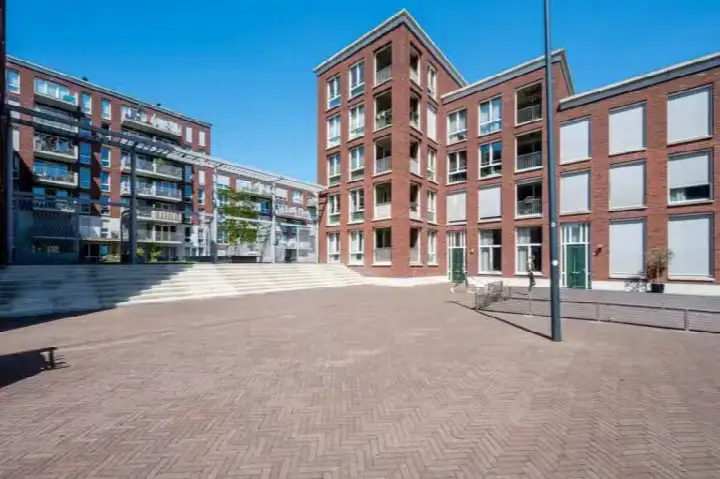
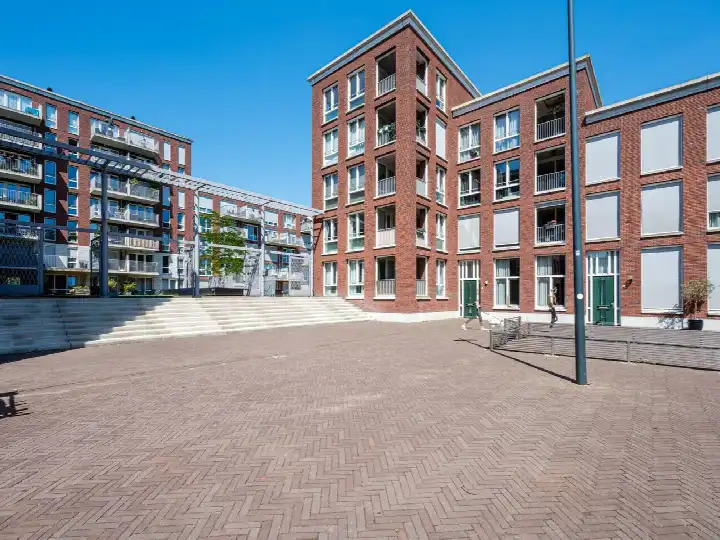

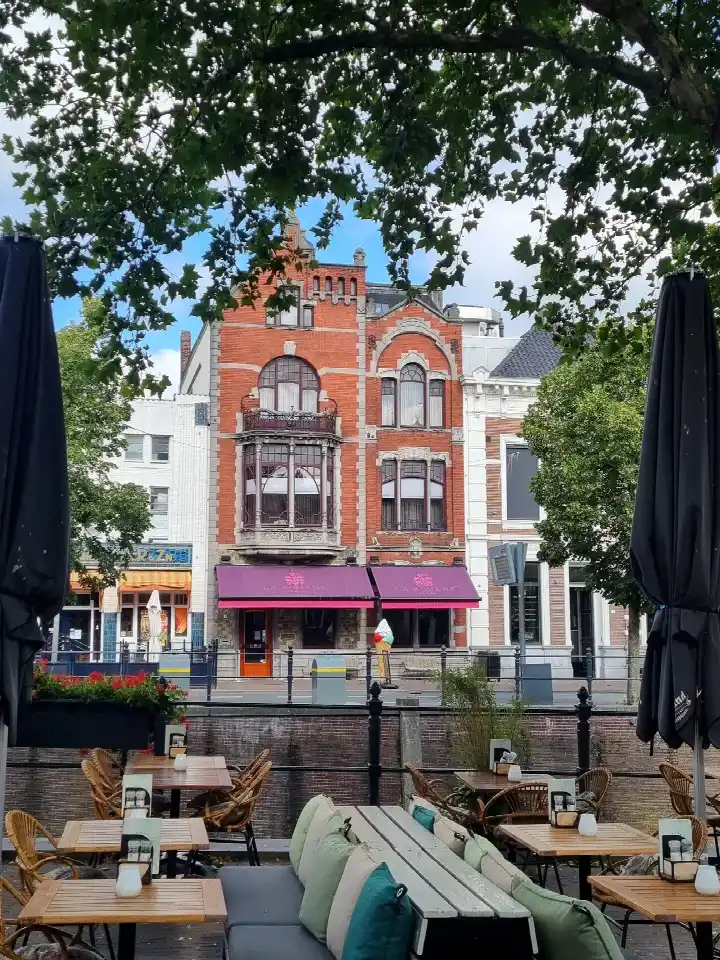
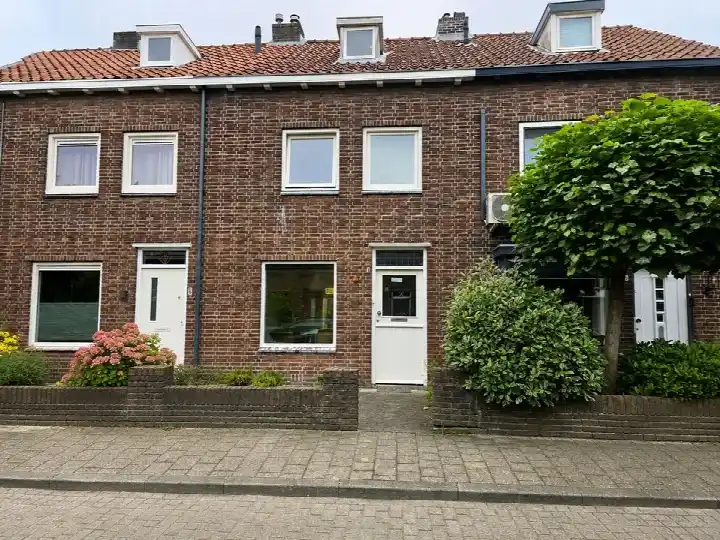
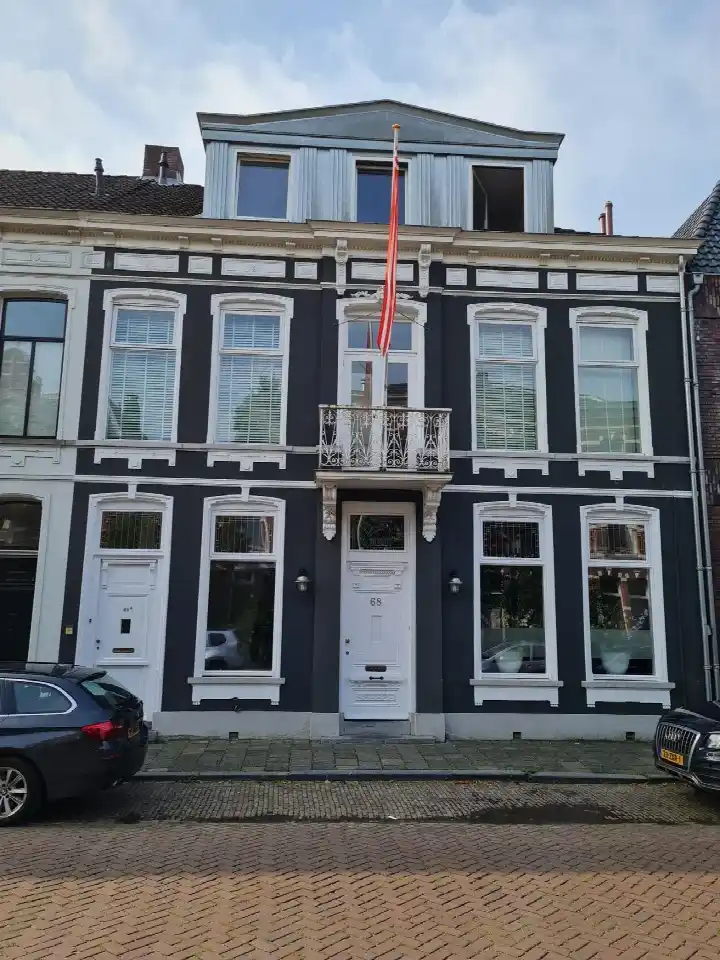
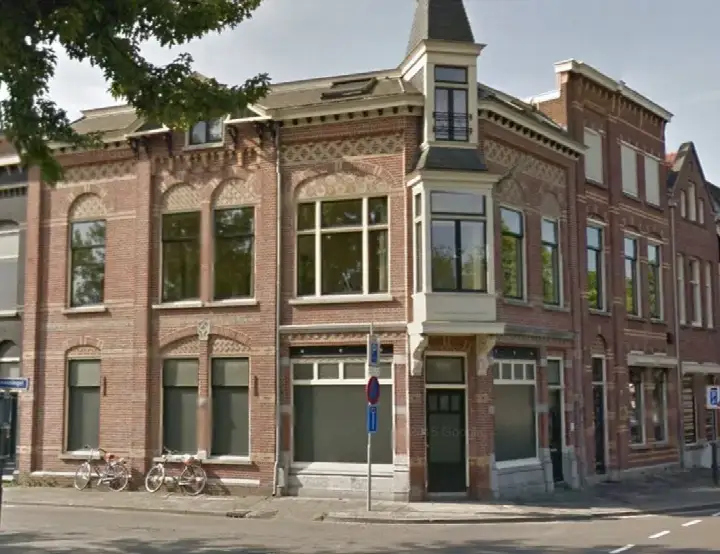
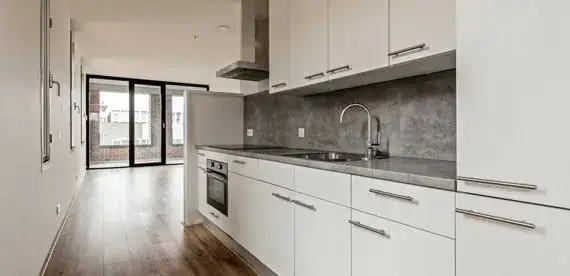
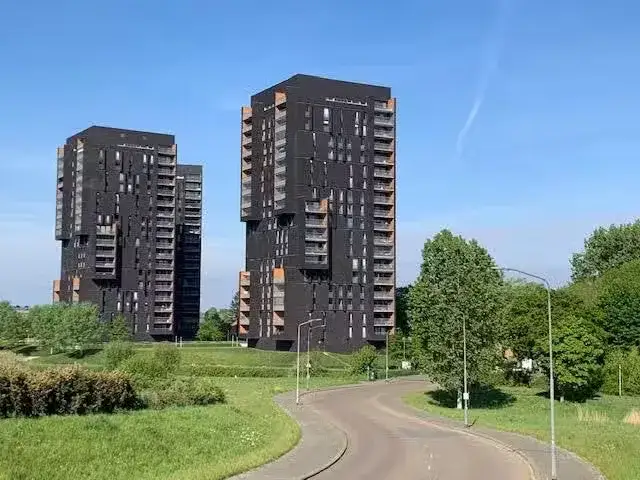
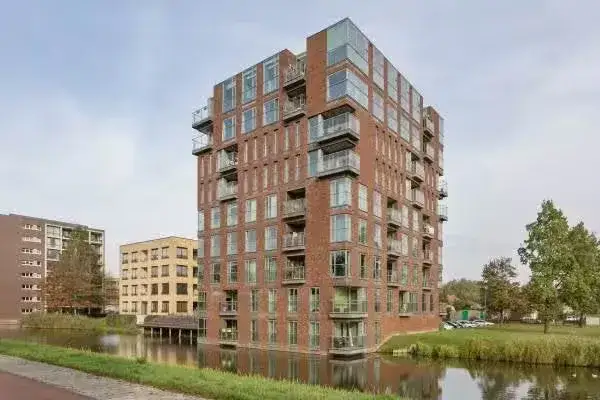
Maria Van Loontoren 29

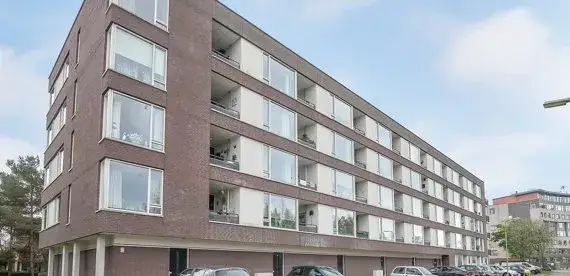
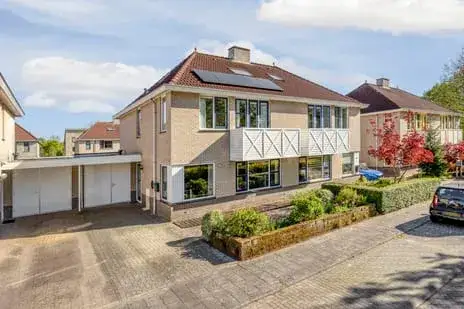
Argusvlinder 120









Renting a home in Breda: rental market between cosy city centre and green villages
Breda is a city where you have relatively plenty of choice as a tenant. Of the more than 86,700 homes, around 45% are rental properties. Of these, 28% are owned by housing corporations (social housing via organisations such as AlleeWonen and WonenBreburg) and 17% are private or commercial rentals. This ratio makes Breda interesting for both starters who qualify for social housing and those looking in the free sector. In the free sector (excluding social housing and room rentals), the average rent over the past year was €1,585 per month, with a huge range from €403 to €14,500. The average rental floor area is 109 m². This average is significantly inflated by spacious single-family homes in the outer districts. Check the current daily price and available listings in the overview at the top of this page.
Breda attracts a diverse group of tenants. The city has a sizeable student population thanks to Avans Hogeschool and BUAS (formerly NHTV), reflected in the 15-25 age group (over 26,000 residents). At the same time, the largest group is 25-45 years old, often young professionals and young families. The labour participation rate of 66% and an average income of €39,700 indicate that many households depend on affordable rental options. Breda station offers fast intercity connections to Rotterdam, The Hague and Amsterdam, making the city popular with commuters. This drives up demand, so be prepared for competition.
From Valkenberg to Bavel: the districts of Breda for tenants
Breda is not a one-size-fits-all city. The city has districts with very different atmospheres and price levels. Residents give the municipality an average score of 7.6 on Buurtje.nl, but scores vary considerably per district. Below are the main areas to consider when looking for a rental home.
Breda south-east: quiet, green and highly rated
With a neighbourhood score of 8.7 from 8 reviews, Breda south-east is the best-rated district in the city. Think of neighbourhoods like Ginneken and Blauwe Kei, with stately avenues, plenty of greenery and a village feel despite being close to the centre. This area is mainly home to families and older couples. Rents here are above average, but you get space and tranquillity in return. Residents cite the combination of nature (Mastbos within walking distance) and good schools as major plus points.
Breda centre: lively, but mixed reviews
The centre of Breda scores a 7.1 from residents. Understandably: you live right on the Grote Markt, Eindstraat and Chassé Theatre, but that also means more noise and bustle. Renting an apartment in Breda centre is especially attractive for starters and students who enjoy city life. One resident writes that accessibility and amenities are top-notch, but that it can be quite rowdy at night on weekends. Parking here is difficult and expensive.
Bavel and Teteringen: village living within the municipality
Looking for more space and a close-knit community? Bavel (8.6) and Teteringen (8.2) are villages that administratively belong to Breda but have retained their own character. Here you will find more single-family homes, primary schools and sports clubs. The supply in the free sector is smaller here, so keep a close eye on the listings.
The district Breda north-west (8.3) is an interesting middle ground: fairly urban, easily accessible via the A16 and with neighbourhoods like Haagse Beemden that have many social housing units. Prinsenbeek (8.1) and Ulvenhout (8.1) are similar to Bavel: village-like, quiet and popular with families. On the other hand, Breda west (6.7) and the east side (6.7) score lower. In the west lie neighbourhoods like Hoge Vucht and Kesteren, where residents have mixed opinions on safety and maintenance. That doesn't mean there are no good homes to be found, but do your research. Check the resident reviews on the Breda municipality page for a complete picture per district.
Who is renting in Breda a good choice for?
Breda is a logical choice if you work in West Brabant or commute to the Randstad. The city offers more affordable options than Rotterdam or The Hague, while you can be there by train within an hour. For students of Avans or BUAS, it is essential to register early with housing corporations if you want to qualify for social housing. Waiting times are considerable. Young families looking for space would do well to look at the villages around Breda, although supply there is limited.
To be honest: with an average of €1,585 in the free sector, renting a home in Breda is not cheap. If your income is around the Breda average of €39,700, the free sector takes a significant bite out of your budget. For those who prefer to buy: also check out homes for sale in Breda, because with an average WOZ value of €382,000, buying could work out cheaper in the long run. Practical tip: prepare your documents (employer's statement, payslips, ID) so you can respond immediately. Popular homes are sometimes gone within a few days. Information about registration with housing corporations can be found on the Breda municipality website.
Searching for rental homes in Breda and surroundings
On Buurtje.nl you will find the current rental supply in Breda, supplemented with neighbourhood scores and reviews from real residents. This way you not only know what a home costs, but also what it's really like to live there. Also take a look at the supply in surrounding municipalities such as Alphen-Chaam, Bergen op Zoom or Altena if you are looking for more space or a lower price level. Or explore the rest of the province of North Brabant for more options.
What is the average rent in Breda?
In the free sector (excluding social housing), the average rent in Breda is €1,585 per month, with an average area of 109 m². The range is wide: from around €400 for small apartments to over €10,000 for large villas. Social housing through housing associations like WonenBreburg and AlleeWonen is significantly cheaper, but has long waiting times.
Which neighbourhoods in Breda are the most popular for renting?
Based on resident reviews, Breda south-east scores the highest with 8.7 out of 10. Bavel (8.6), Breda north-west (8.3) and Teteringen (8.2) follow. The city centre scores 7.1: lively but with more nuisance. Breda west and east score the lowest at 6.7.
How quickly are rental properties in Breda rented out?
Popular rental properties in Breda are often gone within a few days to two weeks, especially in sought-after neighbourhoods like Ginneken or Teteringen. Make sure you have your documents (employer's statement, payslips, ID) ready so you can respond immediately. Check the current average rental time at the top of the page.
What is the difference between social housing and the free sector in Breda?
About 28% of Breda's homes are owned by housing associations (social housing), with rents below the liberalisation threshold. For this you need a housing permit and often years of registration time. The free sector (17% of the total) has no income limit but higher rents, averaging €1,585 per month.
Is Breda suitable for expats looking to rent a home?
Breda is fairly international due to BUAS and companies on the Hazeldonk industrial estate. There are landlords who focus on expats, especially with furnished apartments in the city centre and south-east. Accessibility scores 8.2 among residents, partly due to the intercity station and its location on the A16 and A27.
Do I need a parking permit if I rent in Breda?
In the city centre and immediate surroundings, paid parking applies and you need a parking permit. The costs and availability vary by zone. In outlying neighbourhoods like Bavel, Prinsenbeek and Teteringen, parking is usually free. Check the parking rules for your specific street via the municipal website.
Can I as a starter find an affordable rental home in Breda?
That depends on your budget. In the free sector, prices start around €400, but most supply is above €1,000. Starters with a lower income are dependent on social housing through housing associations, but waiting times are increasing. Also consider neighbourhoods like Breda north or west, where prices are slightly lower.
How do residents rate living in Breda?
Residents give Breda an average of 7.6 out of 10 based on 60 reviews. Accessibility scores the highest (8.2), followed by safety (7.9) and education (7.8). Beauty and amenities score slightly lower at 7.2 and 7.4. Per neighbourhood, scores range from 6.7 to 8.7.
Resident scores from reviews on Buurtje.nl. Click for statistics, amenities and experiences per neighbourhood.
Very dangerous my neighbourhood. I work as a volunteer for the last 32 years, but the situation is very very dangerous. Police don't listen. There is no gathering of the neighbourhood in the last two years. I always clean my street. Geeren Zuid Park. I have worked with Werk aan de wijk. I made art workshops. Municipality Breda didn't give 400 euros for material costs, only gave 200, so I asked my family for 1000 US dollars so I could buy materials. I'm sorry, but senior people get no respect here in Breda. (I was racially abused by a security guard in ALDI supermarket as I was giving my trolley to an old lady.) It hurts a lot as I worked for United Nations Goodwill Ambassadors for the last 50 long years, UNICEF, UNESCO, SAVE THE CHILDREN, NCIV Mr Pronk, Voices Of The Earth, for enlightenment in the visions of tomorrow. Pass the torch on to others. Hold on to the memories of yesterday. Even a small memory goes a long, long way and fulfils its purpose in eternity. Quote by M. Bugi. Help declare KALASH a tribe in the Hindukush Mountains as a United Nations World Heritage Site. We have been helping Kalash since 1980 - http://www.indigenouspeople.net/chitral.htm...
Auto-translated to English by AISafety is good. Hygiene is good, slightly less in some places because there is a McDonald's where some people don't clean up their rubbish. I don't have any trouble with this, and occasionally someone from McDonald's comes to clean it up. So I gave it a passing grade. Housing is also good. Everything is spacious. Accessibility for cars and cyclists is good. There is also a station reasonably close by. There is no school in the neighbourhood, so no education. You have to cycle a bit for that. About the community: it's fine. There is a neighbourhood party every year, but nothing more. I don't feel the need for that either. The neighbourhood is also reasonably green because the houses are spaced out. Many people have greenery in their own gardens. Just as there is no school, there are also no facilities. You have to cycle a bit for that again. Conclusion: I live well here. The neighbourhood is especially suitable for people who want to live spaciously and quietly. For elderly people who have difficulty walking, this neighbourhood is not suitable.
Auto-translated to English by AIGreat!! Everyone knows each other. (except the Dutch residents who have recently moved in) If these people also make an effort to get to know the Moluccan residents, it will only get better. After the renovation, quite a few owner-occupied houses with Dutch residents have been added. If both parties make some effort to adapt, we will become a beautiful residential area.
Auto-translated to English by AIGood experiences
Auto-translated to English by AII have lived in Kroeten my whole life, and have always lived positively here. It is a nice, tidy neighbourhood with various amenities nearby.
Auto-translated to English by AII haven't been living here very long, about six months I think, but I immediately felt at home. The Mastbos is literally around the corner for a lovely walk, as is the Ginniken square for nice restaurants and cafés. The Albert Heijn is a 5-minute bike ride or a 15-minute walk. The station is a 15-20 minute bike ride. There are many large, beautiful houses to admire here, the atmosphere feels very village-like, and it's all very lovely. It also feels safe.
Auto-translated to English by AIBeautiful, we help each other with a joint barbecue and a neighbourhood chat. It's great here. A chat is part of it every now and then.
Auto-translated to English by AII myself quite like living here
Auto-translated to English by AI