A viewing usually lasts just twenty to thirty minutes, and in that time you have to decide whether you want to bid hundreds of thousands of euros. Being well prepared makes all the difference. The essentials: check the structural condition (roof, facade, window frames), hunt for damp, inspect the installations (boiler, fuse box, insulation) and judge the neighbourhood as seriously as the house itself. Below, our checklist takes you through the entire viewing, from preparation to follow-up.
Before the viewing: do your homework
The most important minutes of a viewing happen before you arrive. First find out what comparable homes in the street and district cost, ideally per square metre. That way you will immediately recognise whether the asking price is sharp, in line with the market, or optimistic. Also check the neighbourhood scores and resident reviews on Buurtje.nl: noise, parking pressure or a close-knit street, residents write about it honestly.
- Check the asking price per square metre and compare it with similar homes nearby.
- Read the brochure and floor plan in advance, so you do not have to figure out the layout on the spot.
- Look up the energy label online beforehand. A poor label means higher monthly costs and often renovation work.
- Drive or cycle the route to work, school or the station once on a weekday.
Outside: the most expensive defects are on the exterior
Start outside, even if the agent wants to take you straight in. The exterior tells you what the house will cost you over the next ten years.
- Roof: are the tiles straight, do you see sagging or moss? Ask how old the roof is. A new roof quickly costs tens of thousands of euros.
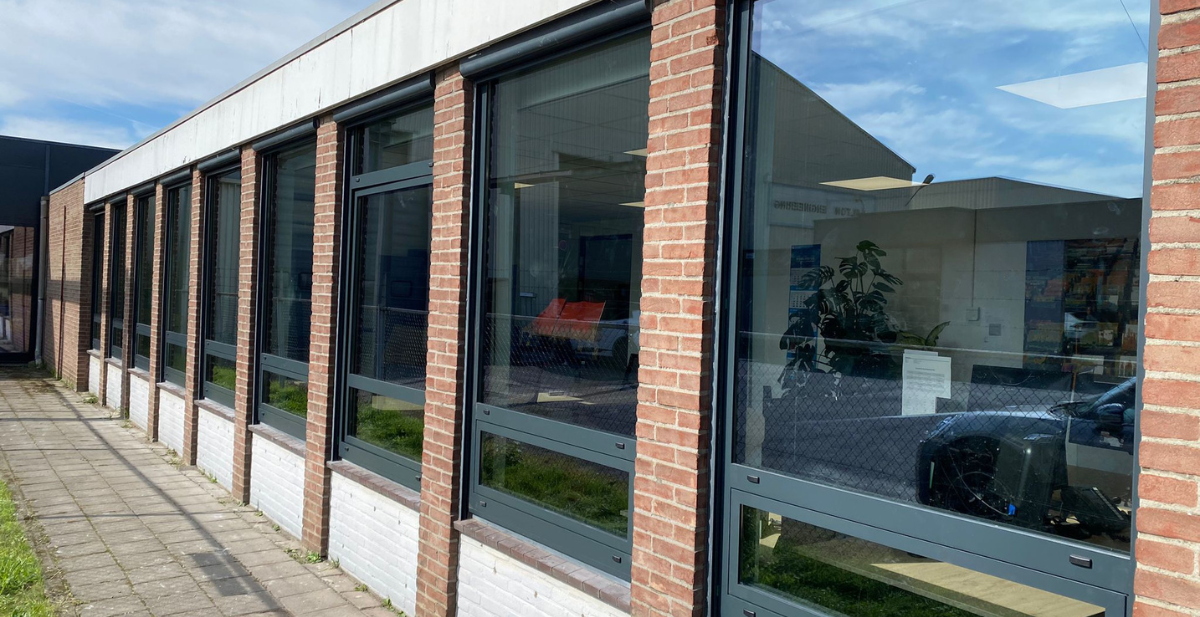
- Window frames and paintwork: wooden frames with flaking paint or soft wood mean maintenance in the short term.
- Facade and pointing: crumbling pointing and white deposits point to moisture problems.
- Cracks: small shrinkage cracks are normal, but diagonal cracks above windows and doors can indicate subsidence. In that case, always ask about a foundation survey, especially with pre-war homes.
Inside: smell, feel and look up
Inside, most people look at the kitchen and the styling. Those move out with the seller or are easy to replace. Focus instead on the things you cannot easily change.
- Damp and mould: use your nose when you enter (musty smell), look in corners, behind furniture, under the windowsill and in the bathroom. Fresh paint on one single wall can be camouflage.
- Ceilings and floors: stains on the ceiling reveal (old) leaks. If the floor bounces or creaks, ask about the condition of the joists.
- Boiler: ask about the year of installation and servicing. A boiler older than twelve to fifteen years is due for replacement.
- Fuse box: enough circuits, residual current devices and no loose wiring. Replacing an outdated fuse box quickly costs more than a thousand euros.
- Insulation and glazing: double glazing everywhere, or still single glazing in the bedrooms? Feel around the frames for draughts.
Questions you should always ask the selling agent
The selling agent works for the seller, but must answer concrete questions honestly. So ask them.
- Why are the owners selling, and how long has the property been on the market?
- Are there any known defects? Ask for the seller's questionnaire and the list of fixtures and fittings.
- For an apartment: how high is the owners' association (VvE) contribution, is there a long-term maintenance plan and is there enough money in the fund?
- Is the property on leasehold (erfpacht), and if so: what are the conditions and the remaining term?
- Have any offers been made yet?
View the neighbourhood as critically as the house
You are not just buying a house, you are buying a place to live. Walk around the street after the viewing and come back at a different time of day: a street that is quiet at eleven in the morning can be packed with parked cars at six in the evening. On Buurtje.nl you can see scores and resident reviews for every neighbourhood, from safety to greenery. Useful for comparing, especially in cities with big differences between districts such as Amsterdam and Utrecht.
After the viewing: second round and survey
If you are torn between yes and no, plan a second viewing and bring someone who looks past the styling. For an older home or visible defects, a structural survey (expect a few hundred euros) is a small price for certainty. You can also include the survey as a resolutive condition in your offer.
Then the real game begins: the offer. Also read our guide on overbidding and how much is normal in 2026, and do not forget the buyer's costs in your calculation.
Ready to start searching? Browse the current range of homes for sale on Buurtje.nl, including neighbourhood scores and resident reviews for every address.