Sold subject to conditions
Blauwe Zand, Amsterdam
 Neighbourhood
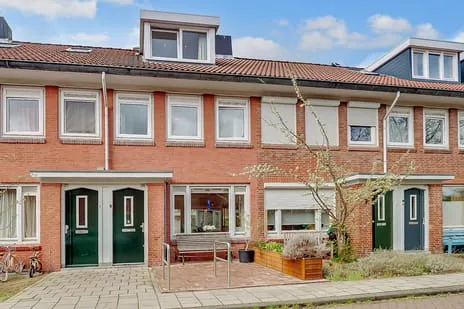
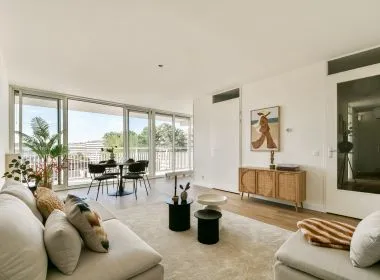
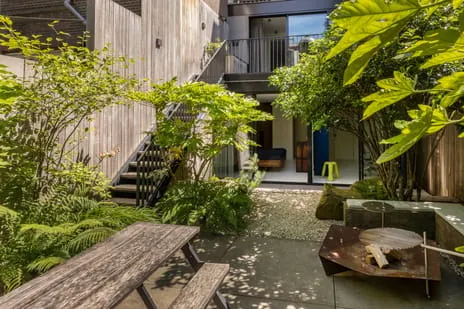
This 1930s terraced house on Terschellingstraat sits in Blauwe Zand, a neighbourhood that still feels like a village within the city. With 60 m² of living space and a 103 m² plot, it's compact but has its own front door and a private garden, a rare combination in Amsterdam at this price. At €600,000, the asking price is in line with what other [terraced houses in Amsterdam] go for.
Blauwe Zand is a tight-knit community where neighbours still know each other. One resident who has lived here for 22 years says: 'We found social cohesion and contact here. Nice and green and a (then still) affordable rental house. We see that slowly changing. Blauwe Zand doesn't change as quickly as other parts of North but gentrification is hitting here too.' The neighbourhood has a mix of ages, with many families and a high proportion of single-family homes (77%). It's a place where children could play freely, though the resident notes that 'the new residents are less sociable and much has disappeared.' For a closer look at the area, check out the [neighbourhood Blauwe Zand].
Your morning bread run is a five-minute walk to SPAR express or Jumbo, both just around the corner. For primary school, Oecumenische basisschool DOK10 is a couple of streets away, and secondary schools like Damstede Lyceum are even closer, literally on your doorstep. The [municipality Amsterdam] keeps the city buzzing, but here in the north you're also near green spaces: a park is just a few minutes' walk away.
At the time of writing the home is listed only via Ameo makelaars.
Details of this home

Terschellingstraat 29, Amsterdam
Good · 1 resident
We moved from Elandsgracht 2 hoog-voor with one child and pregnant with number two to North 22 years ago. Everyone thought we were crazy, 'North is insane', etc. My husband was born and raised on Elandsgracht but we couldn't afford a larger home there. He grew up in 'the slum' and saw it turn into a 'yuppie neighbourhood'. Few real Jordaan residents left and hardly any social cohesion. We found that here. Amsterdammers, social cohesion and contact. Nice and green and a (then still) affordable rental house. We see that slowly changing. Blauwe Zand doesn't change as quickly as other parts of North but gentrification is hitting here too. After 22 years we have become Northerners (Blauwe Zanders) and if you ask our son where he's from, he'll never say Amsterdam but Amsterdam-Noord. Blauwe Zand is a nice neighbourhood but the new residents are less sociable and much has disappeared. Like the little building by the playground where the mothers used to sit cosily, they knew your child so you could let him go with peace of mind. That freedom was great for the children and parents. It hurts that our children will hardly be able to live here.
Auto-translated to English by AIData from Blauwe Zand
106 within 5 km



127 within 5 km
About Terschellingstraat 29, Amsterdam
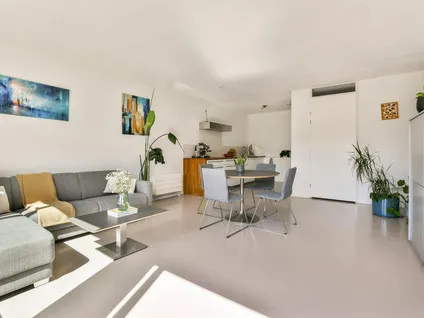
With 60 m² of living space and a 103 m² plot, the price per square metre is around €10,000. That's typical for a terraced house in Amsterdam, especially one with its own garden. The energy label C means moderate efficiency, so heating costs will be reasonable but not minimal.
Blauwe Zand is a green, family-friendly part of Amsterdam-Noord with strong social cohesion. One long-term resident describes it as a place where 'Amsterdammers, social cohesion and contact' are still present, though gentrification is slowly changing the character. The area has many families and a high proportion of single-family homes.
The nearest train station is 5.1 km away, so it's not within walking distance. You'd need a bus or bike to reach it. However, the neighbourhood is well served by supermarkets and schools within a short walk.
There are several schools within walking distance. Damstede Lyceum (secondary) is just 113 m away, and Oecumenische basisschool DOK10 (primary) is 338 m. Other secondary schools like Vonk Amsterdam and ABC Noorderlicht are also close by.
Yes, the property has a 103 m² plot, which typically includes a private garden. This is a rare find in Amsterdam, especially for a terraced house at this price point.
The energy label is C, which is average for a house built in 1931. You can expect moderate energy costs, but it's not as efficient as a modern home. Insulation improvements could help reduce bills.
6 homes in the municipality Amsterdam

Buurtje.nl uses cookies to make the site work and to improve it. In doing so, we process data such as your IP address and the pages you visit.
We use this data for three purposes: running the website (functional), measuring visits so we can improve Buurtje.nl (analytics), and — if you allow it — tailoring ads to your interests (marketing).
How we handle your data is described in our privacy policy. You can change your preferences at any time via 'Cookie preferences' at the bottom of every page.
Choose per category which cookies we may place. Read more in our privacy policy.