District in Eindhoven
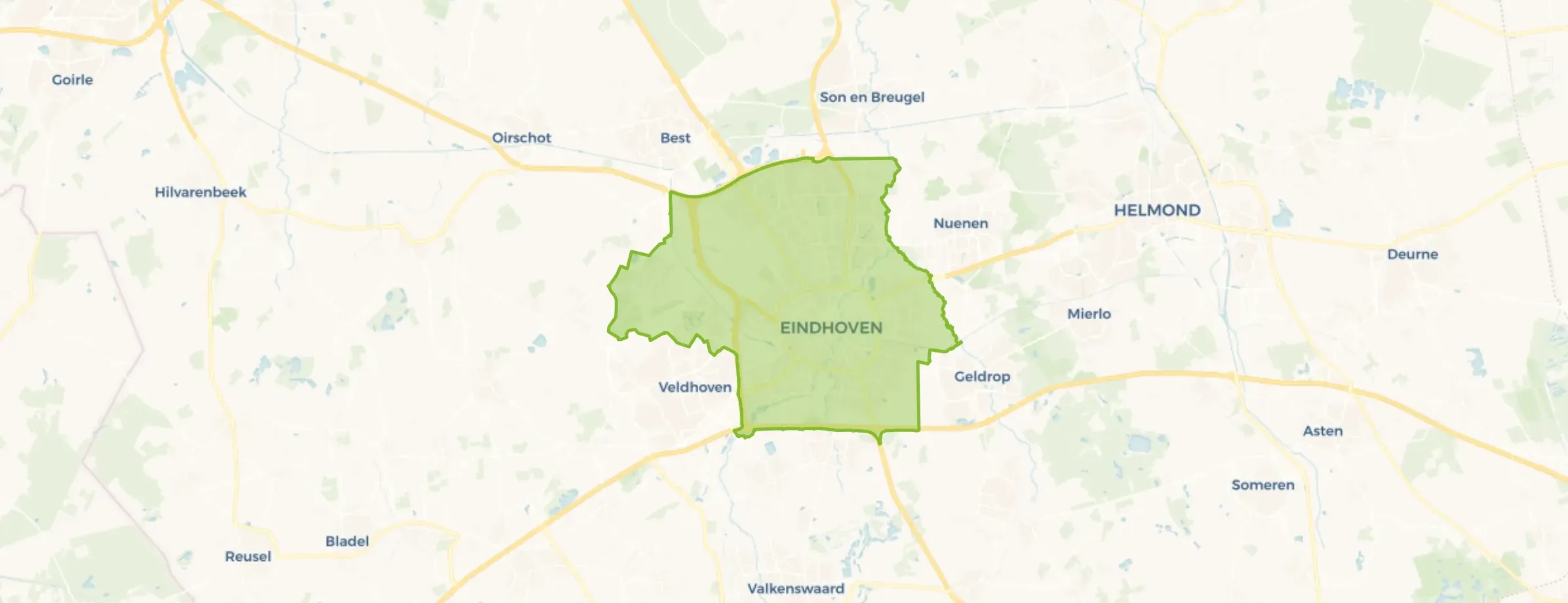
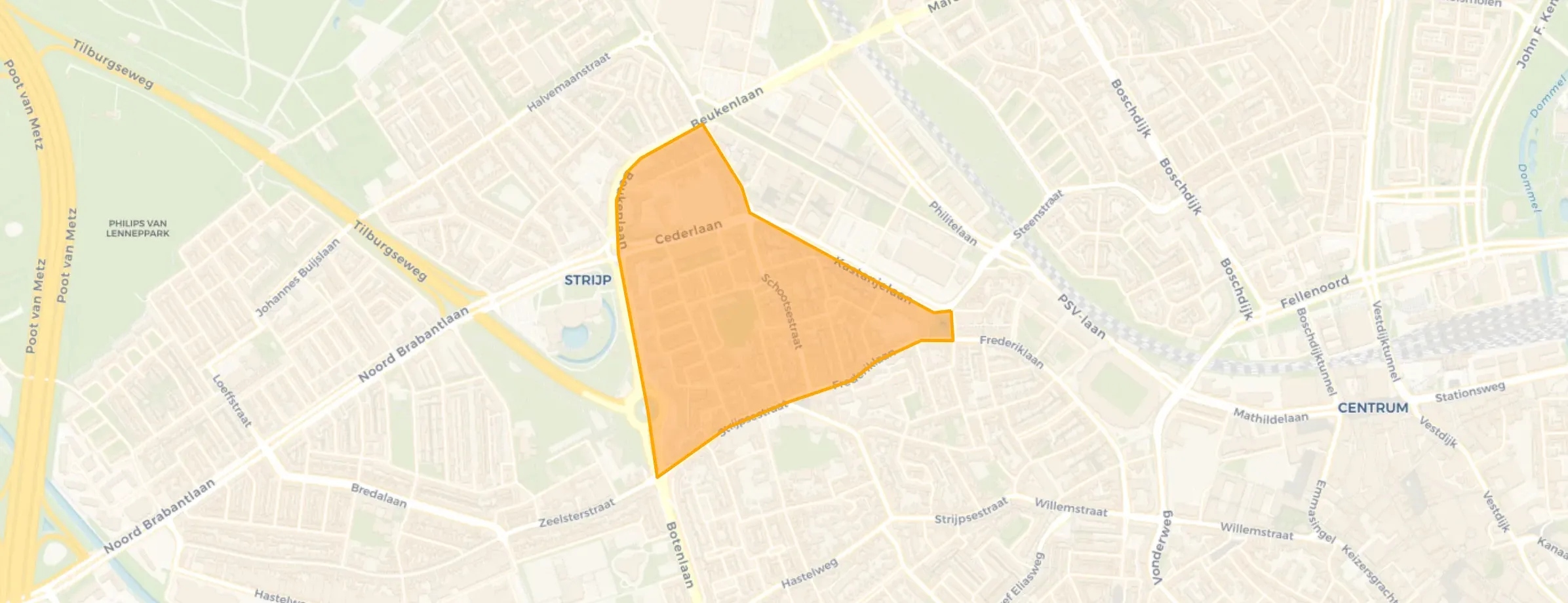
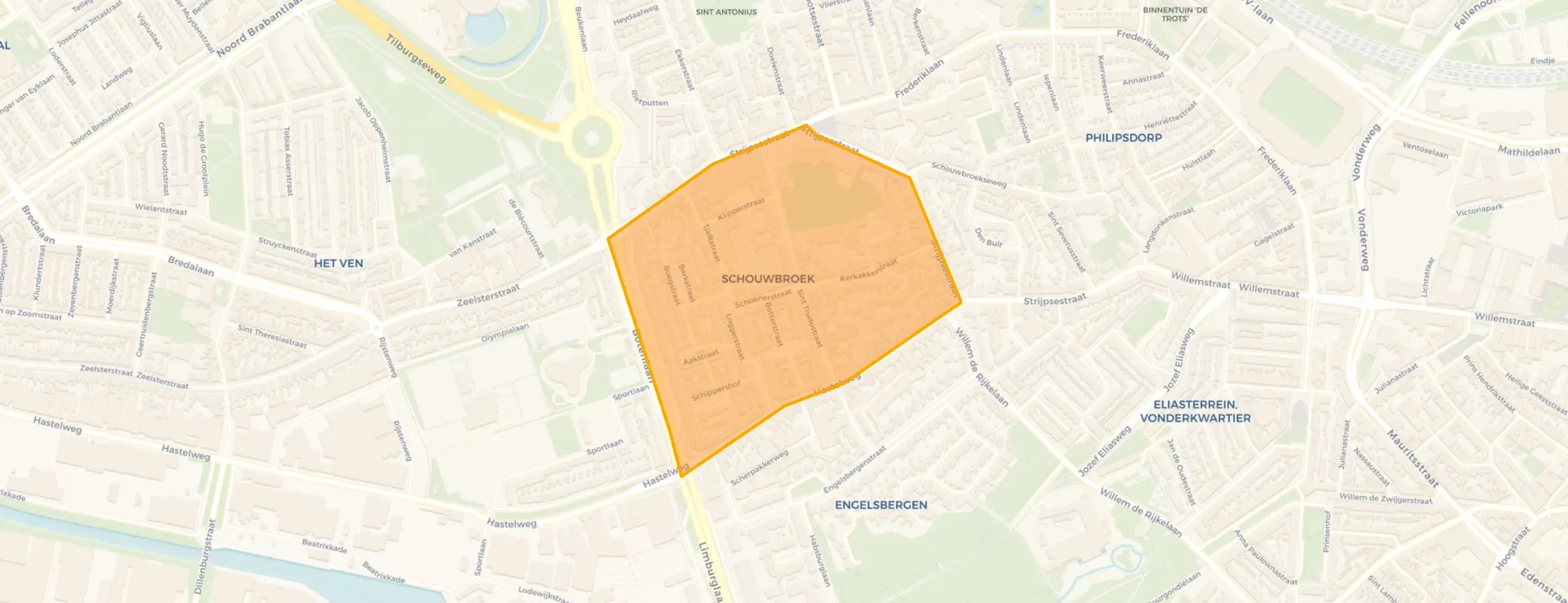
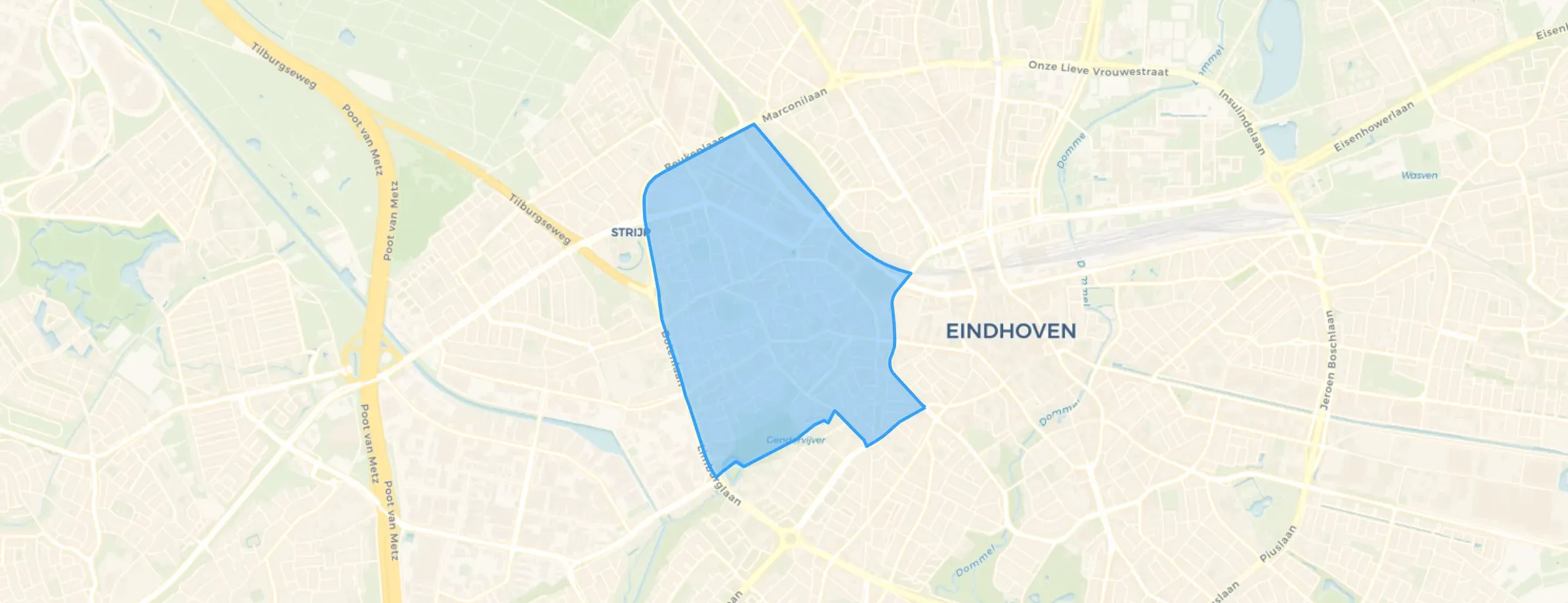
Oud-Strijp is located in the province of Noord-Brabant, in the municipality of Eindhoven The district has a total area of 196 hectares, of which 195 hectares are land and 1 hectares are water. The district is coded as WK077261. The postcode area is 5611BG-5617BZ.
Oud-Strijp has 15.840 residents. Of these, 54,6% are men and 45,4% are women. Most residents are 25 to 45 years (48,4%). The other age groups are 18,3% for '45 to 65 years', 14,6% for '15 to 25 years', 10,8% for '65 years or older' and 7,9% for '0 to 15 years'. Of the residents, 70,0% is unmarried, 21,5% is married, 6,2% is divorced and 2,3% is widowed. 9.290 residents originate from the Netherlands, 2.865 come from Europe and 3.685 come from countries outside Europe.
There are 10.075 households in Oud-Strijp. 61,5% of these are single-person households, 25,2% households without children and 13,3% households with children. The average household size is 1,6 persons. The national average is 2,1 persons.
In Oud-Strijp there are 13.500 income recipients. The average income per income recipient is €47.200, which is €5.000 (12%) higher than the national average of €42.200. Per resident, the average income is €42.300, which is €7.400 (21%) higher than the national average of €34.900. Most residents of Oud-Strijp are highly educated. 56,9% have a university or higher professional education (HBO/WO), 27,6% have an intermediate education (HAVO, VWO or MBO 2-4) and 15,5% have a lower education (VMBO or MBO 1).
Of the 15.840 residents, around 78% are in paid employment, which amounts to 12.355 people. This is 6% higher than the national average of 72%. The majority of workers are in salaried employment (87%), while 13% are self-employed. In Oud-Strijp, 15% of residents receive a benefit. The largest group is those receiving a state pension (AOW). 1.480 people receive this benefit.
In Oud-Strijp there are 9.354 homes with an average assessed value (WOZ) of €368.000. Of these, around 96% are occupied and 4% unoccupied. Most homes are rental properties. This amounts to 70% rental homes and 30% owner-occupied homes. Of the homes, 30% privately owned, 31% owned by housing associations and 39% owned by other landlords. The most common construction periods in Oud-Strijp are 2020 and later (22%) and 1925-1950 (17%).
There are currently no homes for sale in Oud-Strijp. The most recently listed home is Gerard Philipslaan 31 by Makelaars van Nu. No homes were sold in Oud-Strijp over the past year.
There are currently no homes for rent in Oud-Strijp. The most recent home is Anton Philipslaan 92, offered by vb&t Verhuurmakelaars. No homes were let in Oud-Strijp over the past year.
No recent rental data available for Oud-Strijp.
In Oud-Strijp there are 8.730 addresses with a registered energy label. The most common labels are A (39%), A+ (17%) and B (12%). On average, an address in Oud-Strijp uses 1.960 kWh of electricity per year. This is 23% below the national average of 2.550 kWh. With an annual consumption of 460 m³ per address, natural gas consumption is 43% below the national average of 800 m³.
You have everything in the neighbourhood: nice parks, forest, nice terraces, coffee shops and restaurants, and Strijp is a hip place for young people.
Auto-translated to English by AIThe fact that I've been living in the same house for over 36 years already indicates that I really enjoy it here. By now I know everyone on my street. We also hold neighbourhood barbecues, etc. There's a street app and everyone is there for each other when needed. With the arrival of a new district (Strijp-S) adjacent to our street, there has been much more hustle and bustle in the neighbourhood over the past 15 years. I experience this as very pleasant. A downside of the neighbourhood is that the small brown pubs are disappearing one by one. This is not only the case here, but across the whole country. A real shame.
Auto-translated to English by AIThe fact that I've been living here since 1988 already proves that I enjoy it here. In my own street I know everyone and we're there for each other. Almost everything I need is within walking or cycling distance. And the bus stop is also very close. A plus point is that with the arrival of the adjacent new neighbourhood Strijp-S, there's more and more to do in the area. For example, DDW is an annual recurring event that is highly represented at Strijp-S, which I always look forward to. Even though I no longer belong to the target group (60+), there is plenty to do throughout the year that I enjoy going to. The only pity is that all the small local pubs are disappearing one by one. The prices of the hospitality industry at Strijp-S are very high.
Auto-translated to English by AIA safe neighbourhood where very little happens
Auto-translated to English by AIGood neighbourhood. Young people. Always helpful and up for a chat. The building often has trouble with loitering youths who come onto our rooftop terrace and leave all sorts of things behind or cause damage.
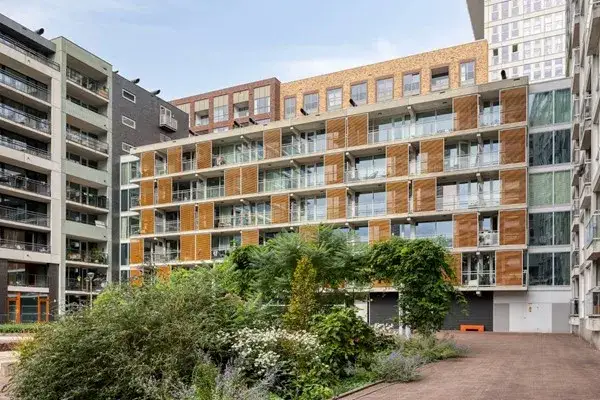
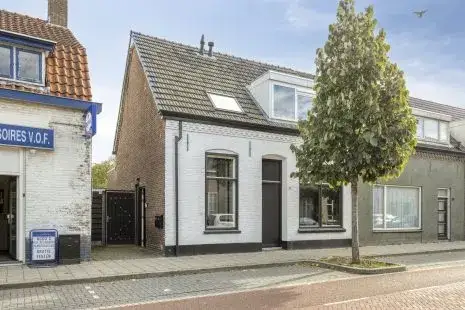
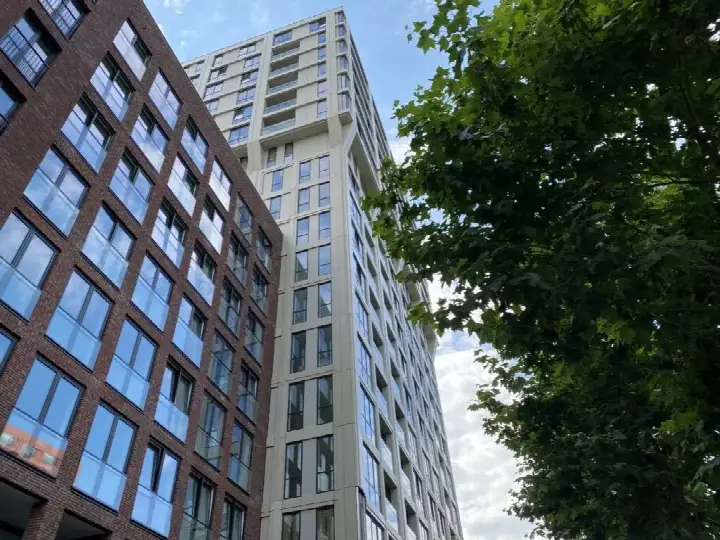
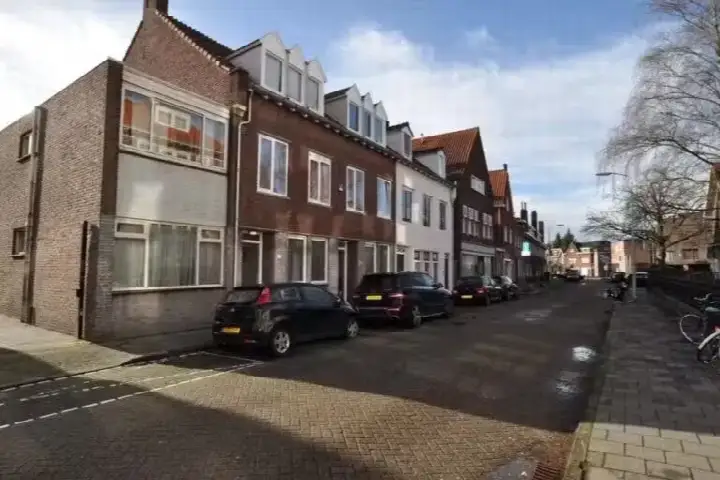
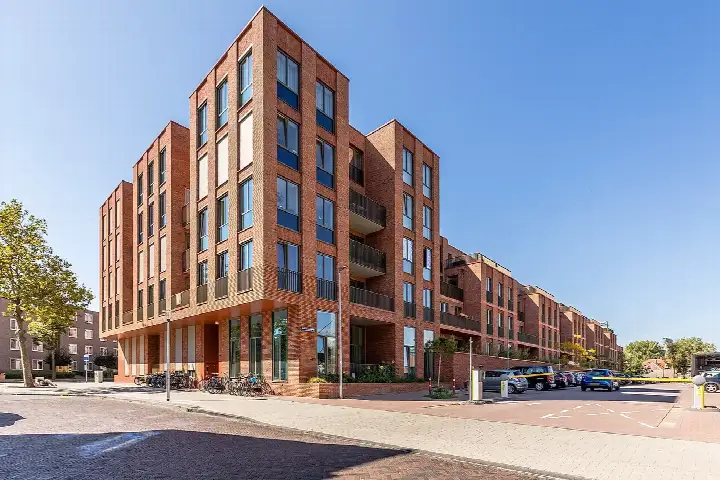
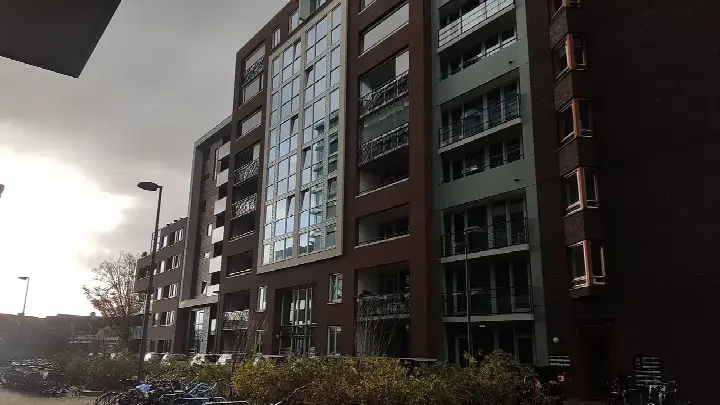
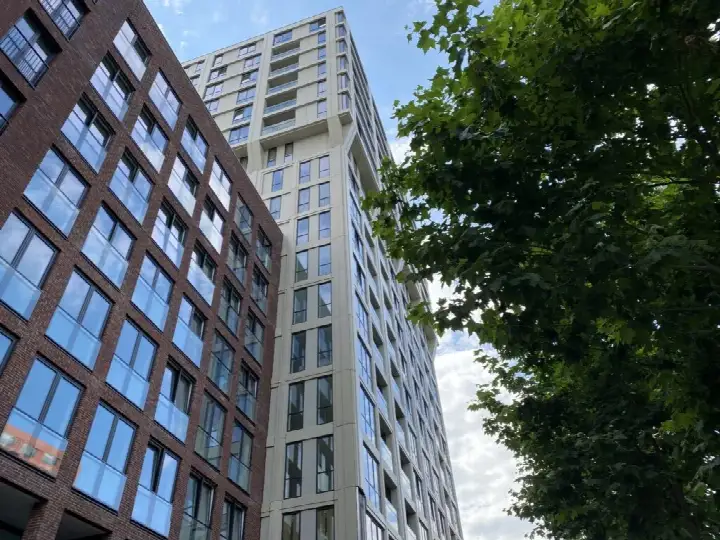
Auto-translated to English by AIThe housing stock is relatively young — 64% dates from after 1990. In addition, the most common type is flats (73%).
Over the past year a home for sale in Oud-Strijp was listed for an average of €454,124 (€5,079 per m²). That is 14% below the Dutch national average.
A rental home in Oud-Strijp cost an average of €1,509 per month (€20 per m²). That is 30% below the national average.
Residents give Oud-Strijp a 8.0 out of 10 based on 5 reviews. Education stands out with a 9.0; cleanliness lags behind with a 7.5.
Wijk Oud-Strijp has 15,840 residents. The largest age group is 25 to 45 years (48%). Notably, 61% of the households are single-person households.
The housing supply in Oud-Strijp is remarkably efficient: 73% has an A, A+ or B label. The average natural gas consumption per household is 460 m³ per year.
From Oud-Strijp you can on average reach a supermarket at 0.6 km, a GP at 0.8 km, a railway station at 1.7 km, a primary school at 0.7 km (as the crow flies, source: CBS).
Right now you will find 66 homes for sale and 88 homes for rent in Oud-Strijp.