District in Den Haag
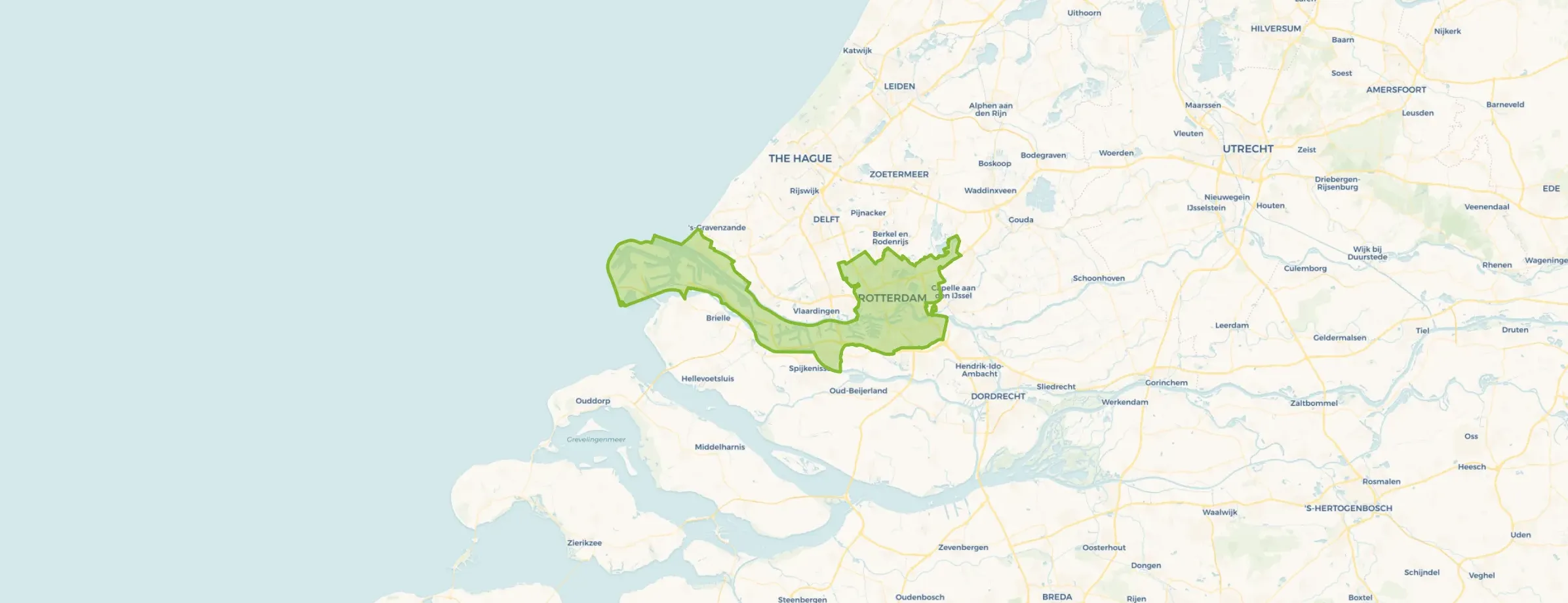
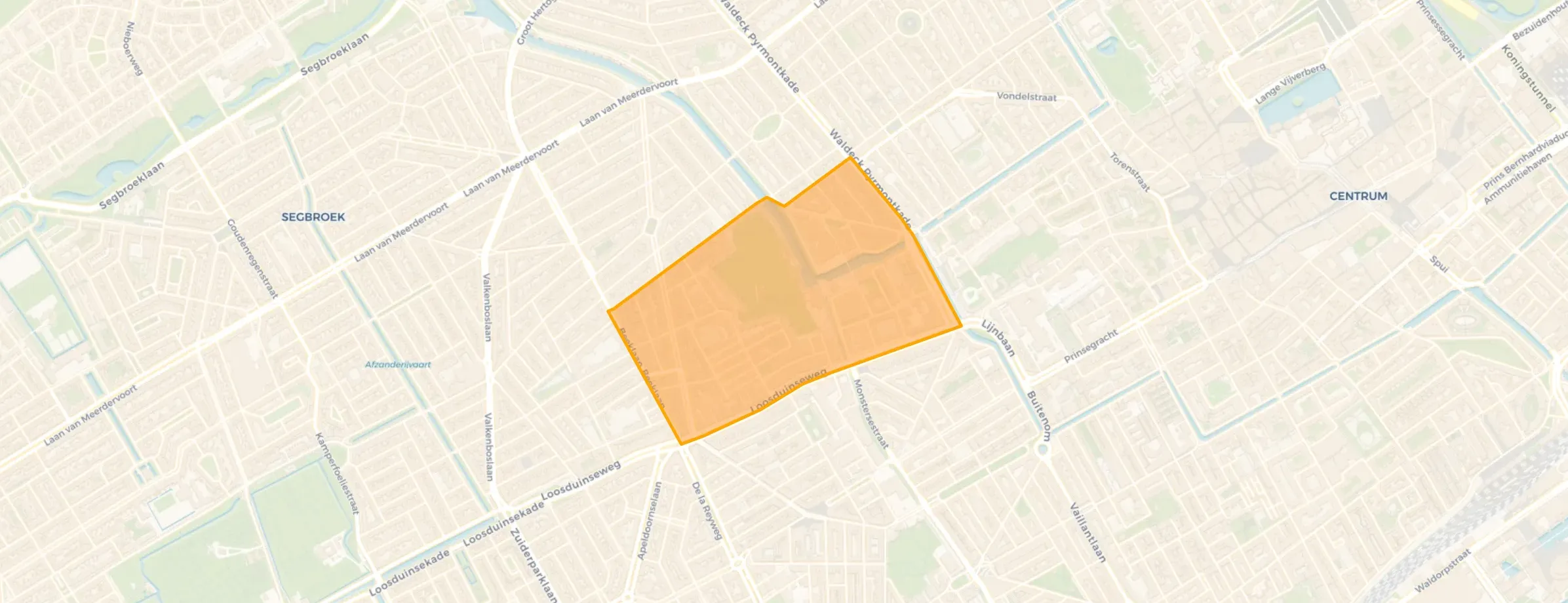
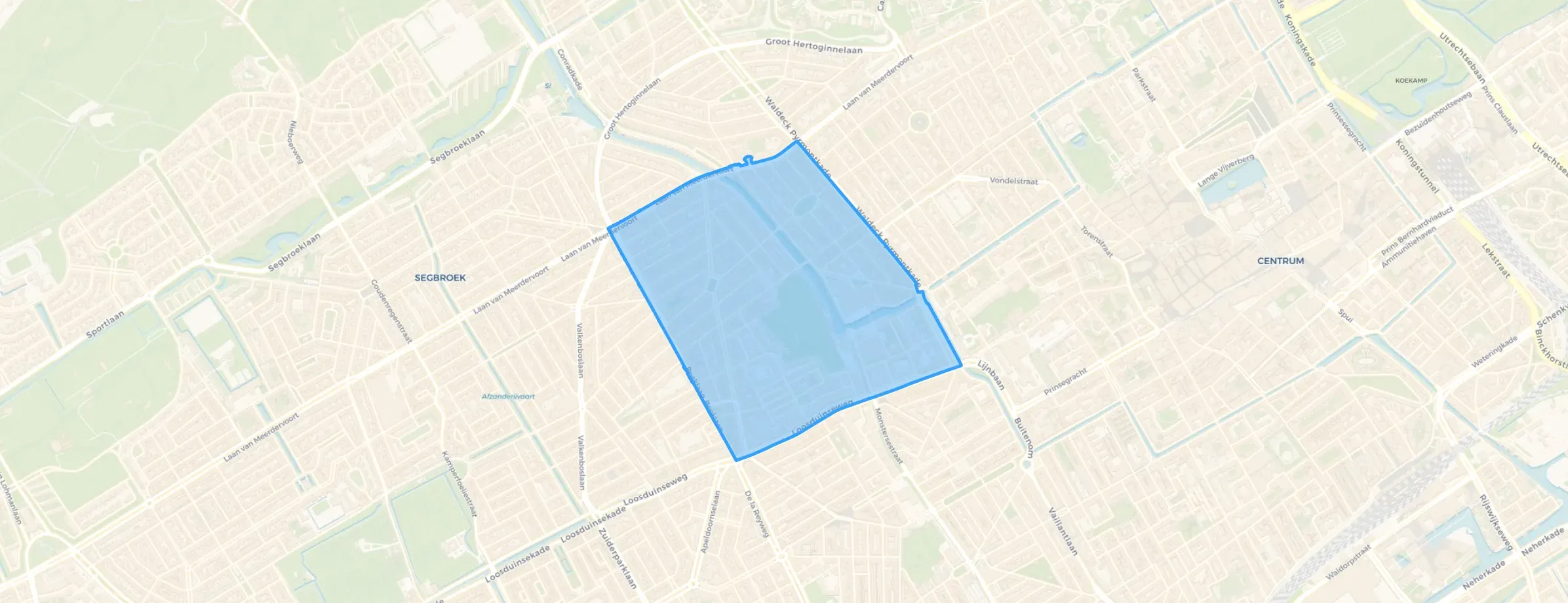
Regentessekwartier is located in the province of Zuid-Holland, in the municipality of Den Haag The district has a total area of 94 hectares, of which 91 hectares are land and 3 hectares are water. The district is coded as WK051821. The postcode area is 2517BH-2571DK.
Regentessekwartier has 14.415 residents. Of these, 49,8% are men and 50,2% are women. Most residents are 25 to 45 years (39,6%). The other age groups are 23,0% for '45 to 65 years', 13,7% for '0 to 15 years', 12,0% for '15 to 25 years' and 11,7% for '65 years or older'. Of the residents, 68,2% is unmarried, 22,2% is married, 7,6% is divorced and 2,1% is widowed. 6.110 residents originate from the Netherlands, 3.235 come from Europe and 5.080 come from countries outside Europe.
There are 8.015 households in Regentessekwartier. 55,8% of these are single-person households, 21,5% households without children and 22,8% households with children. The average household size is 1,8 persons. The national average is 2,1 persons.
In Regentessekwartier there are 11.500 income recipients. The average income per income recipient is €45.700, which is €3.500 (8%) higher than the national average of €42.200. Per resident, the average income is €37.900, which is €3.000 (9%) higher than the national average of €34.900. Most residents of Regentessekwartier are highly educated. 51,5% have a university or higher professional education (HBO/WO), 28,3% have an intermediate education (HAVO, VWO or MBO 2-4) and 20,2% have a lower education (VMBO or MBO 1).
Of the 14.415 residents, around 72% are in paid employment, which amounts to 10.379 people. This is 0% lower than the national average of 72%. The majority of workers are in salaried employment (78%), while 22% are self-employed. In Regentessekwartier, 18% of residents receive a benefit. The largest group is those receiving a state pension (AOW). 1.460 people receive this benefit.
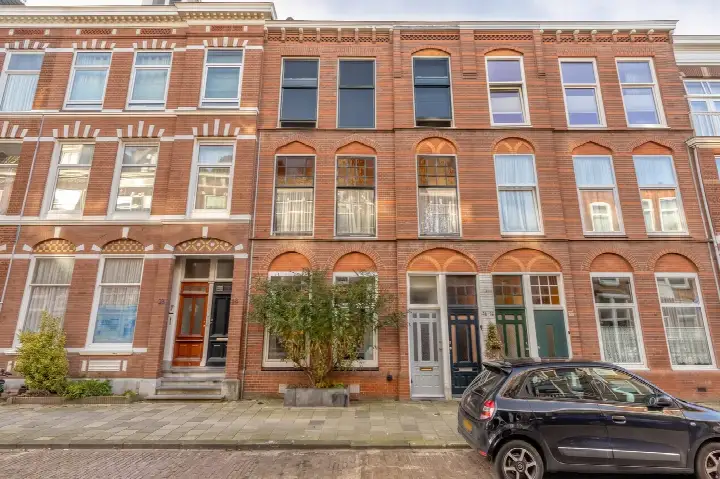
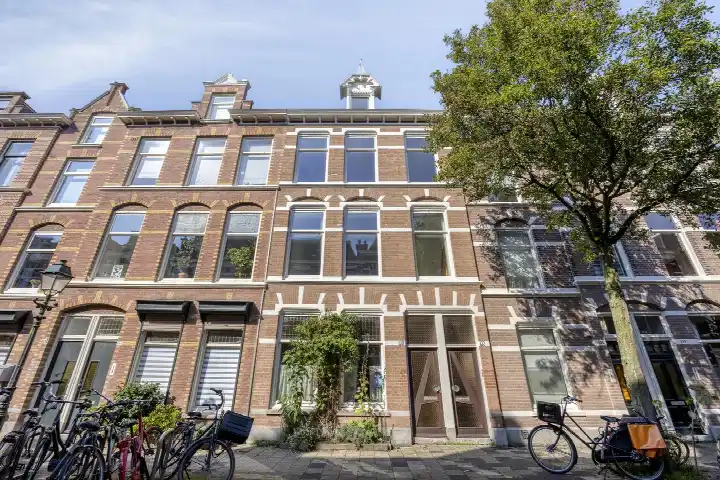
In Regentessekwartier there are 7.774 homes with an average assessed value (WOZ) of €389.000. Of these, around 91% are occupied and 9% unoccupied. Most homes are rental properties. This amounts to 65% rental homes and 35% owner-occupied homes. Of the homes, 35% privately owned, 17% owned by housing associations and 48% owned by other landlords. The most common construction periods in Regentessekwartier are 1700-1900 (33%) and 1900-1925 (33%).
There are currently no homes for sale in Regentessekwartier. The most recently listed home is Weimarstraat 73-1 by MAKELAARSKANTOOR KIMMEL & CO B.V.. No homes were sold in Regentessekwartier over the past year.
There are currently no homes for rent in Regentessekwartier. The most recent home is Beeklaan 2022, offered by The Real Estate Company. No homes were let in Regentessekwartier over the past year.
No recent rental data available for Regentessekwartier.
In Regentessekwartier there are 5.802 addresses with a registered energy label. The most common labels are A (28%), C (17%) and B (13%). On average, an address in Regentessekwartier uses 1.910 kWh of electricity per year. This is 25% below the national average of 2.550 kWh. With an annual consumption of 720 m³ per address, natural gas consumption is 10% below the national average of 800 m³.


Friendly neighbourhood, have been living here for 10 years
Auto-translated to English by AIPut more green in our neighbourhood and also maintain it
Auto-translated to English by AIGood morning everyone in The Hague, I am Johnvdham, I live in the Joseph Ledelstraat, across from my house is Hobbit, often at night the windows are left ajar, burglars don't sleep at night, please more surveillance in this neighbourhood.
Auto-translated to English by AII am johnvdham and live in my own home on the street where I really enjoy myself
Auto-translated to English by AINice centrally located neighbourhood with good amenities. Could be a bit greener.
Auto-translated to English by AINice neighbourhood to live in. Plenty of supermarkets. Nice restaurants and cafes. But also quiet, especially in the evening.
Auto-translated to English by AII love all the nature and the park with children. It's soothing and it makes you cheerful. It's quiet, but in 5 minutes you can cycle to all the hustle and bustle you want. My personal neighbours sometimes even organise barbecues with the neighbours. All in all, it's a quiet neighbourhood with lots of nature and it's close to get everywhere from this neighbourhood. Yet my address is sometimes hard for people to find, which is why accessibility is a bit difficult. Sometimes people describe where we are and we explain to them how to get to our house from there. So it's quiet, safe with even a children's park, very green, there aren't many amenities in the neighbourhood itself, but everything is very close, hygienic with responsible residents and a sense of community (at least with my neighbours).
Auto-translated to English by AIFriendly helpful people
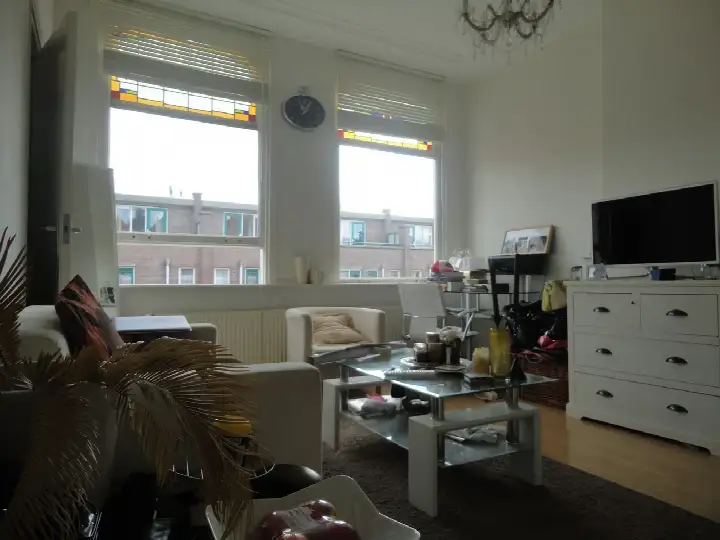
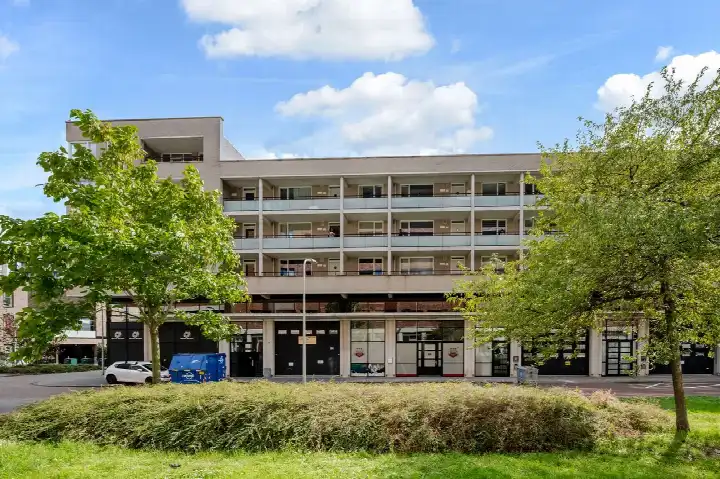
Auto-translated to English by AIThe housing stock is predominantly pre-war — 79% of the homes date from before 1945. In addition, the most common type is flats (88%).
Over the past year a home for sale in Regentessekwartier was listed for an average of €463,412 (€5,833 per m²). That is 12% below the Dutch national average. Last quarter prices rose by 9%.
A rental home in Regentessekwartier cost an average of €1,901 per month (€23 per m²). That is 12% below the national average.
Residents give Regentessekwartier a 8.0 out of 10 based on 15 reviews. Housing stands out with a 8.4; cleanliness lags behind with a 7.5.
Wijk Regentessekwartier has 14,415 residents. The largest age group is 25 to 45 years (40%). Notably, 56% of the households are single-person households.
From Regentessekwartier you can on average reach a supermarket at 0.6 km, a GP at 0.5 km, a railway station at 3.5 km, a primary school at 0.5 km (as the crow flies, source: CBS).
Right now you will find 114 homes for sale and 24 homes for rent in Regentessekwartier.