District in Amersfoort
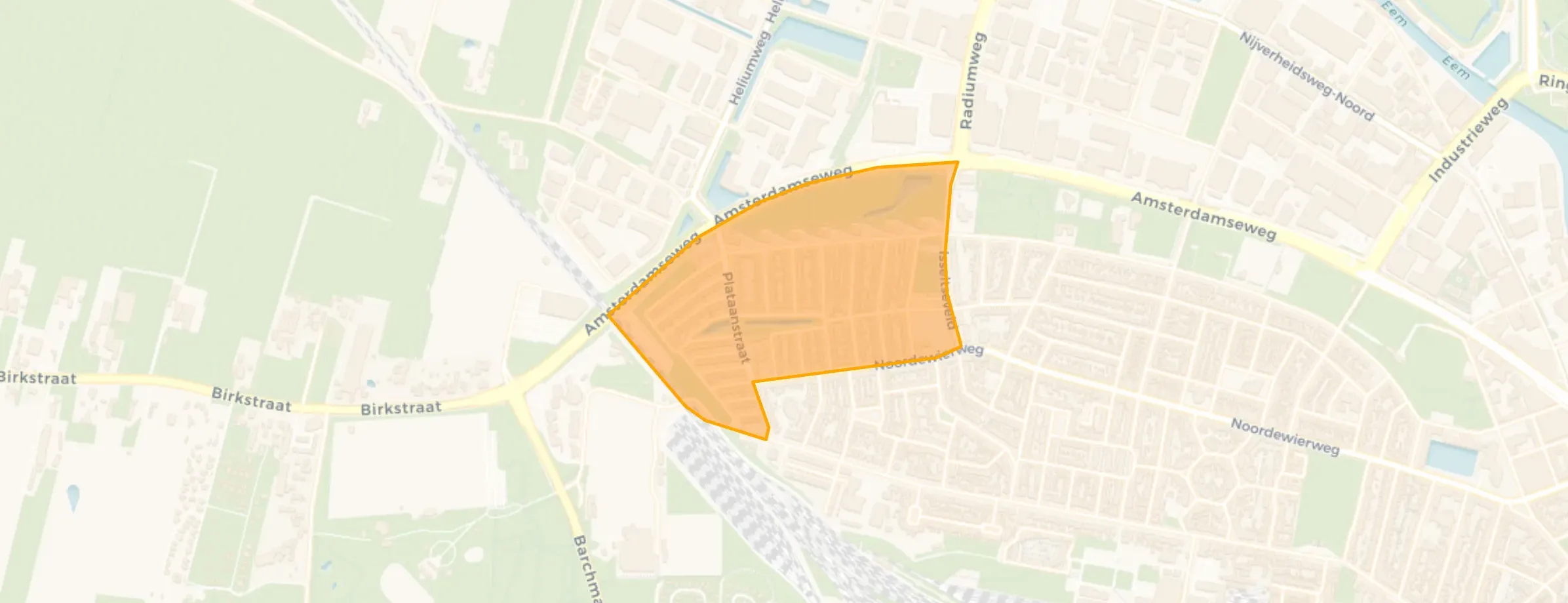
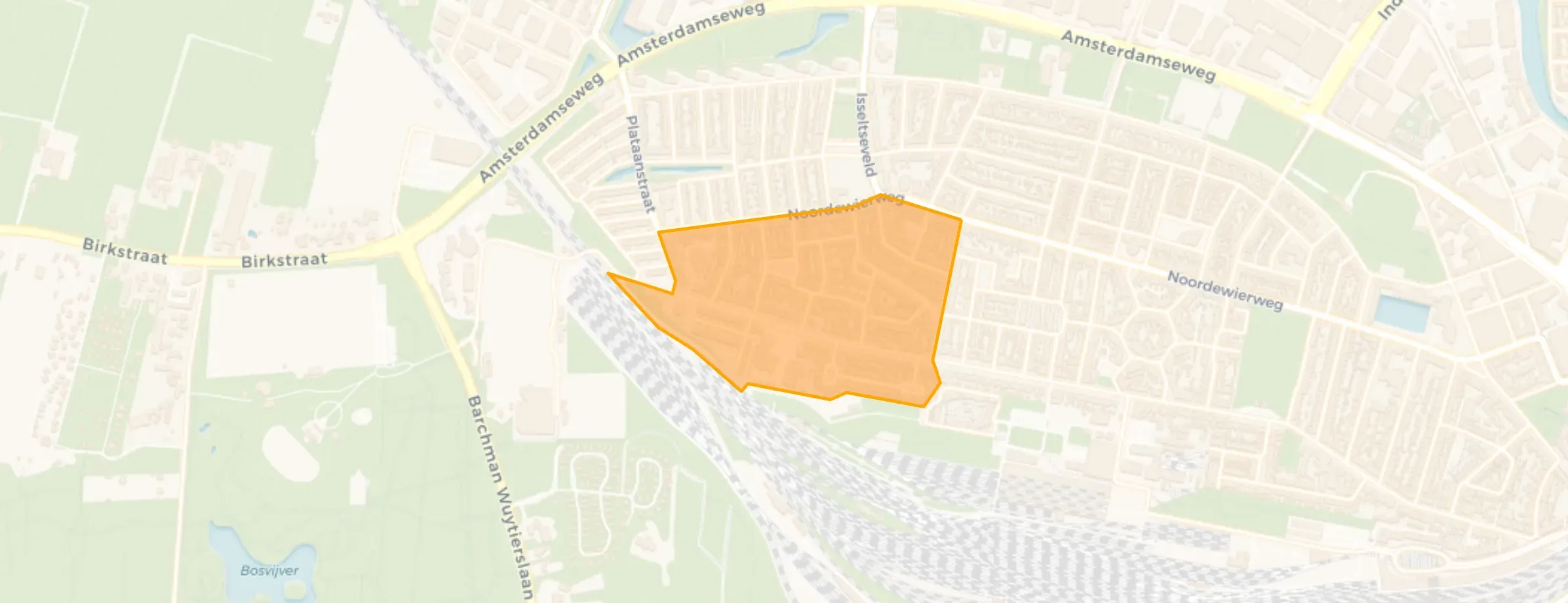
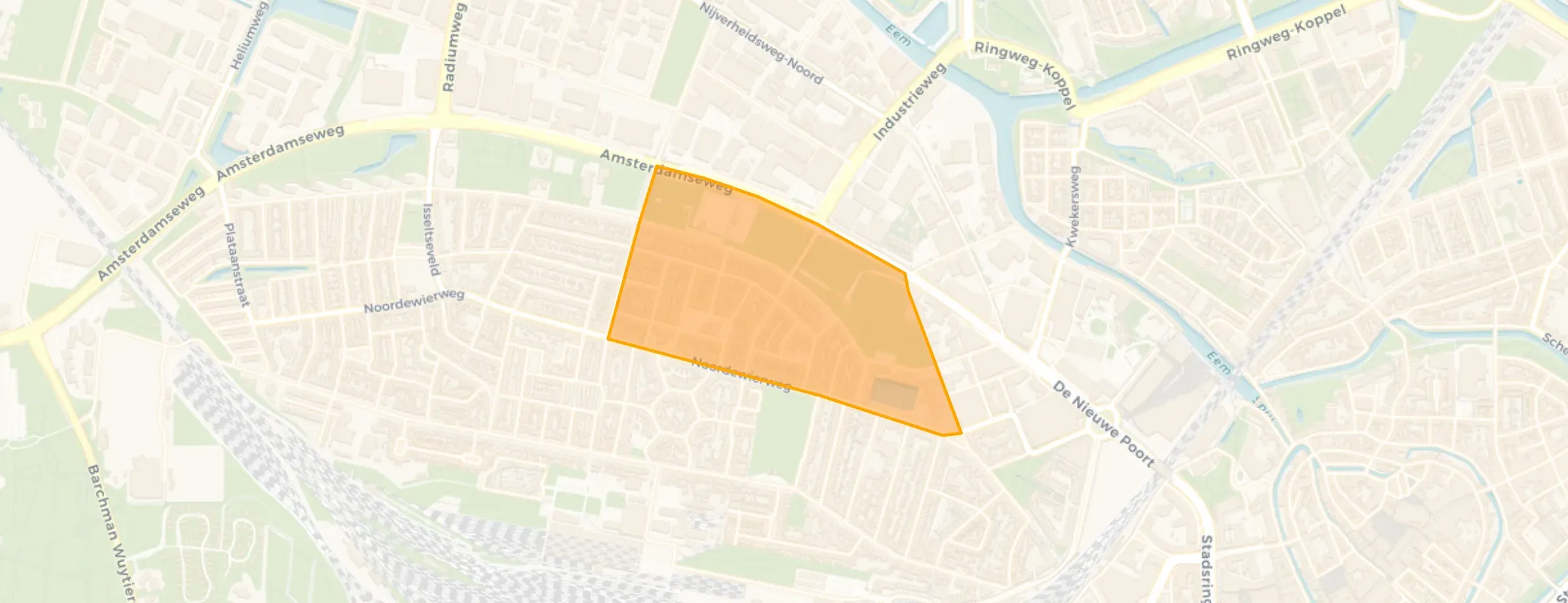
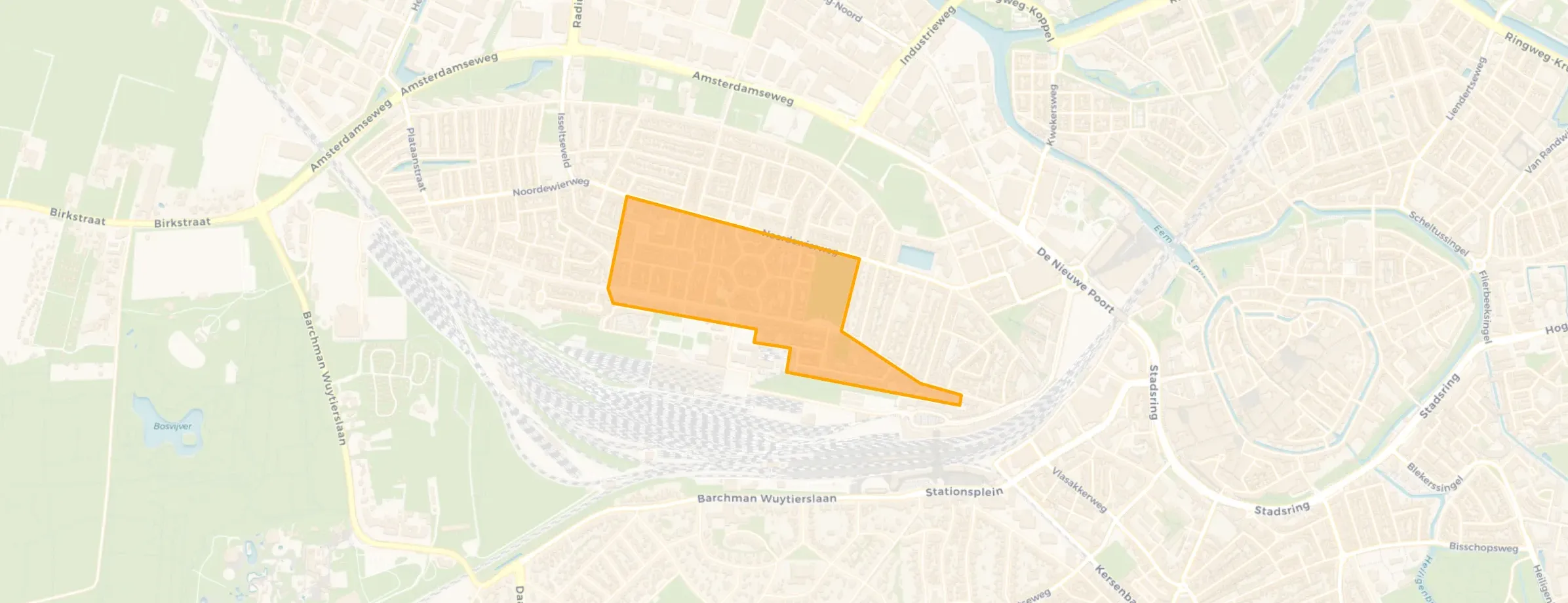
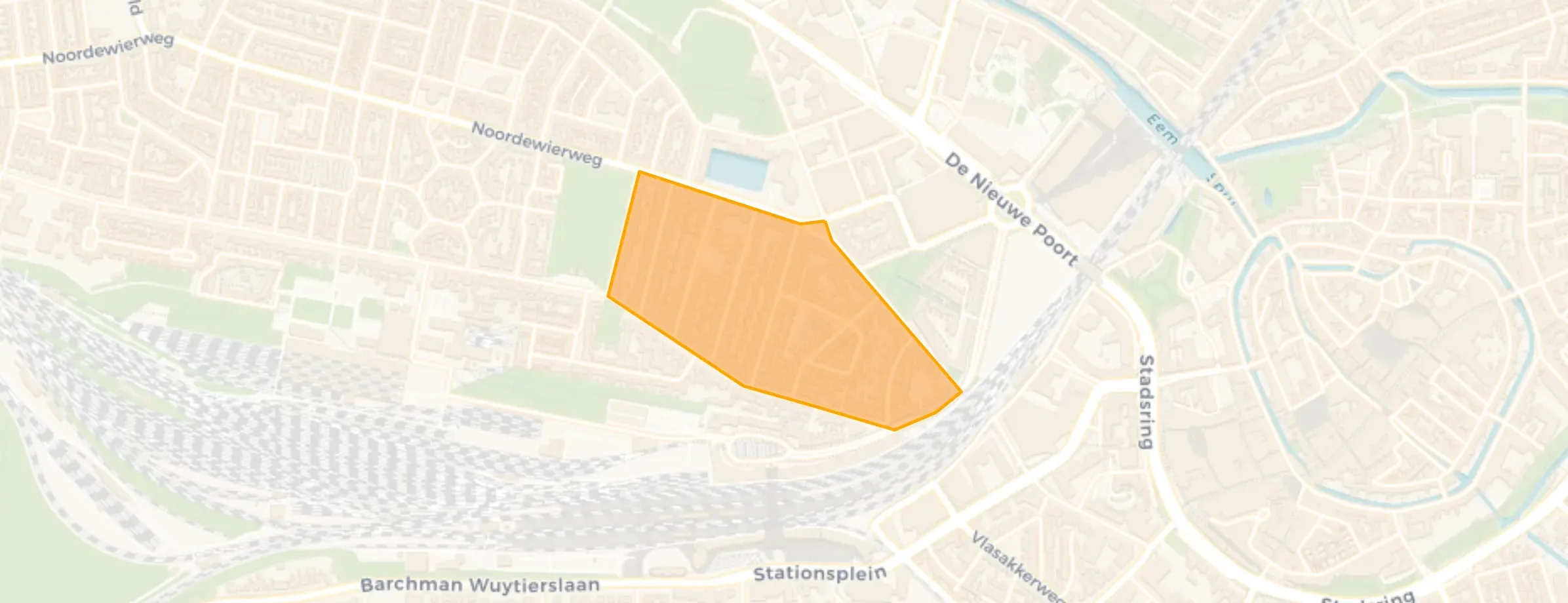
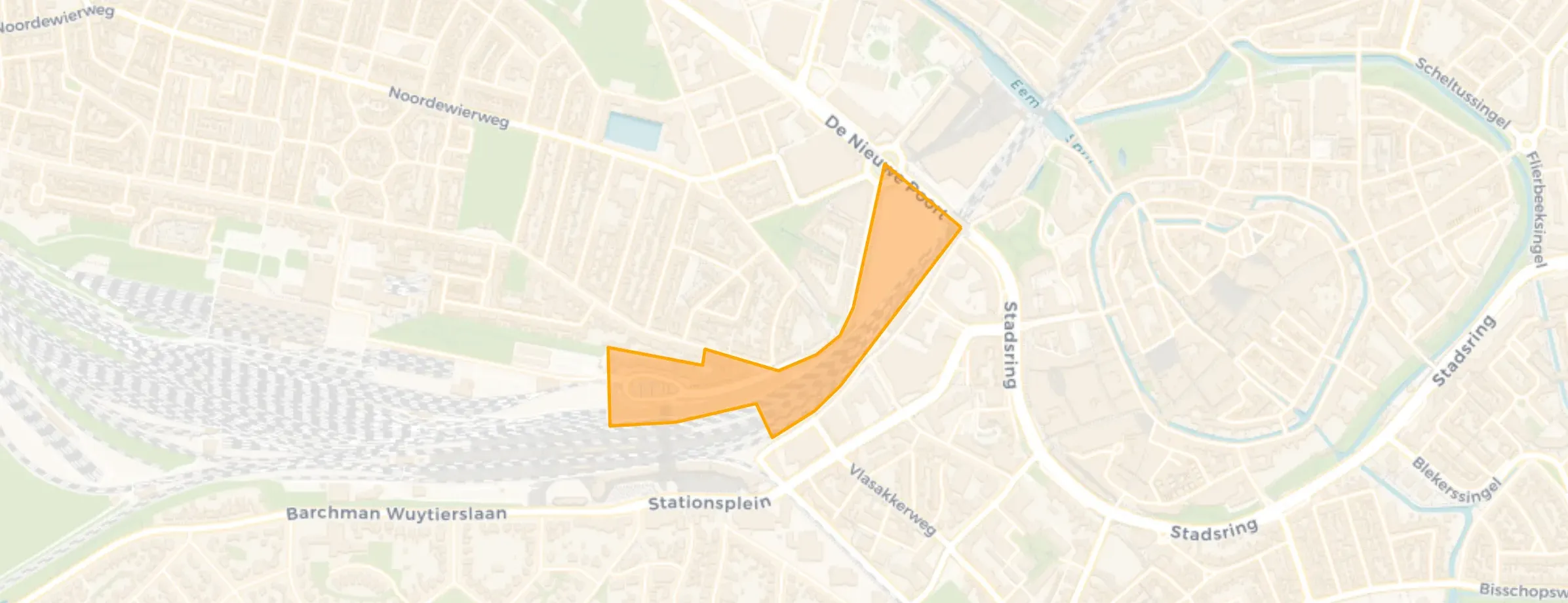
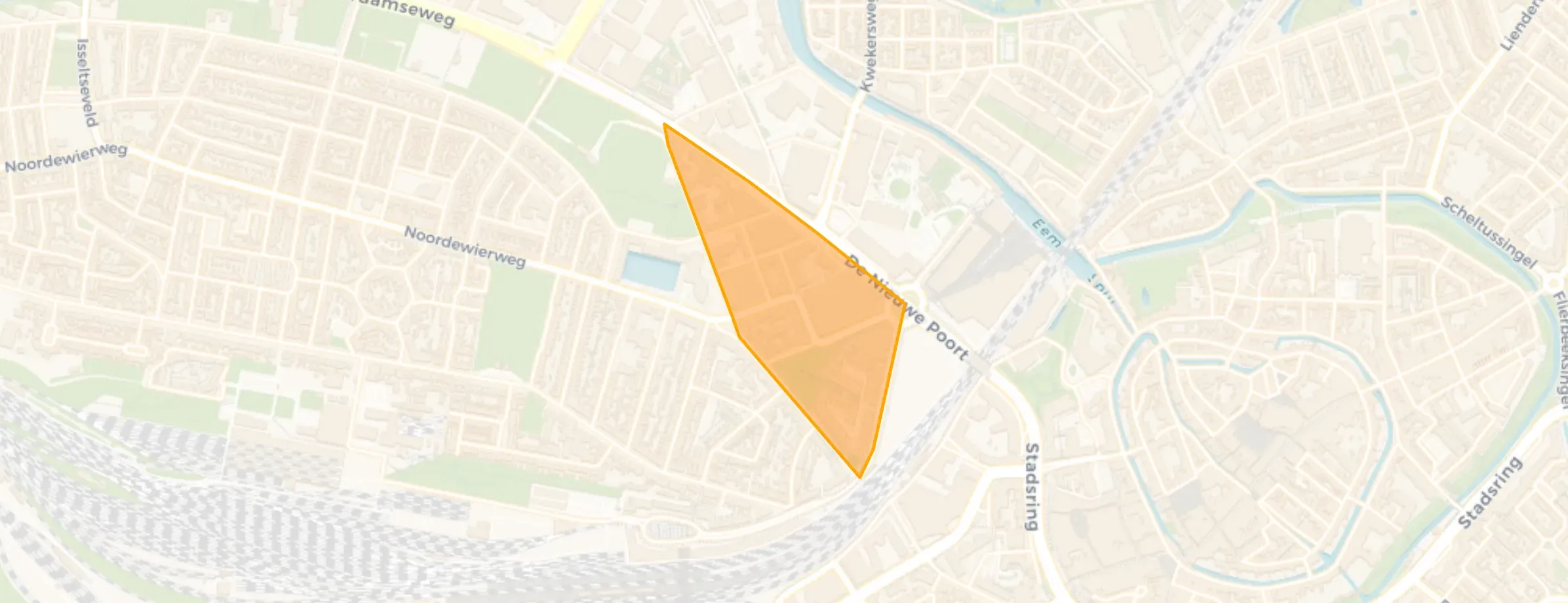
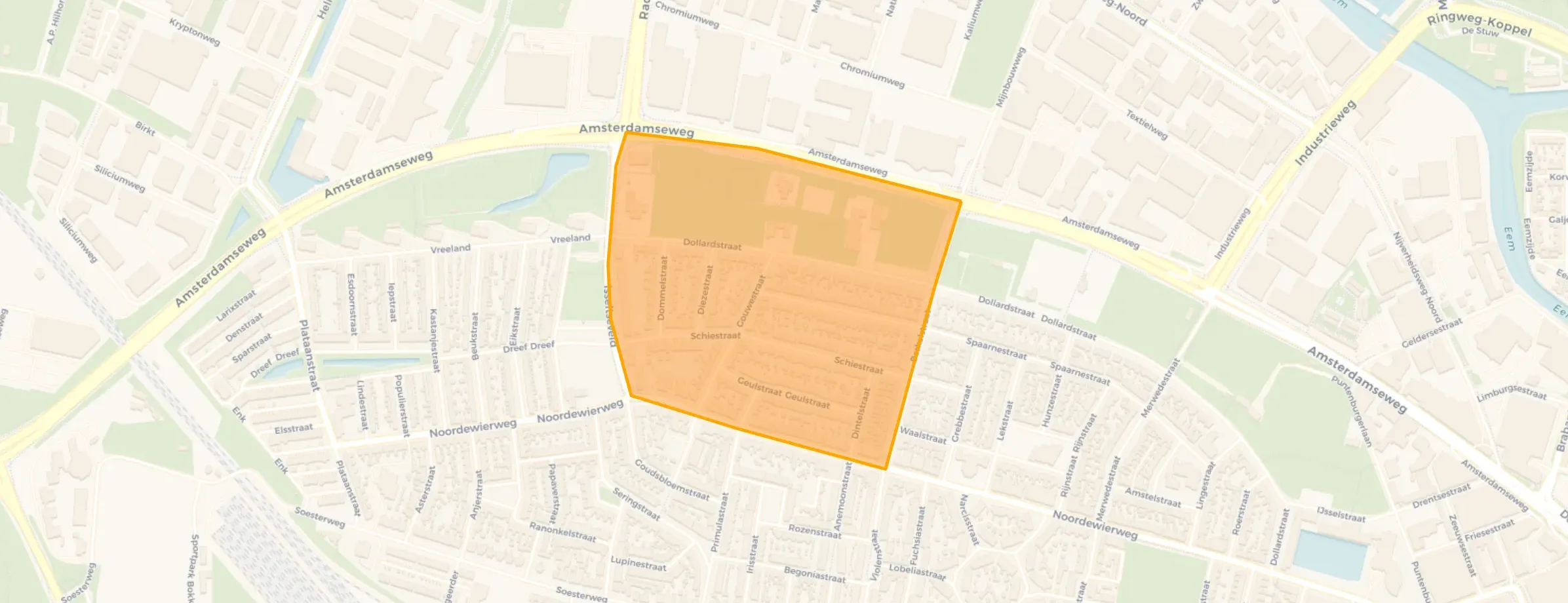
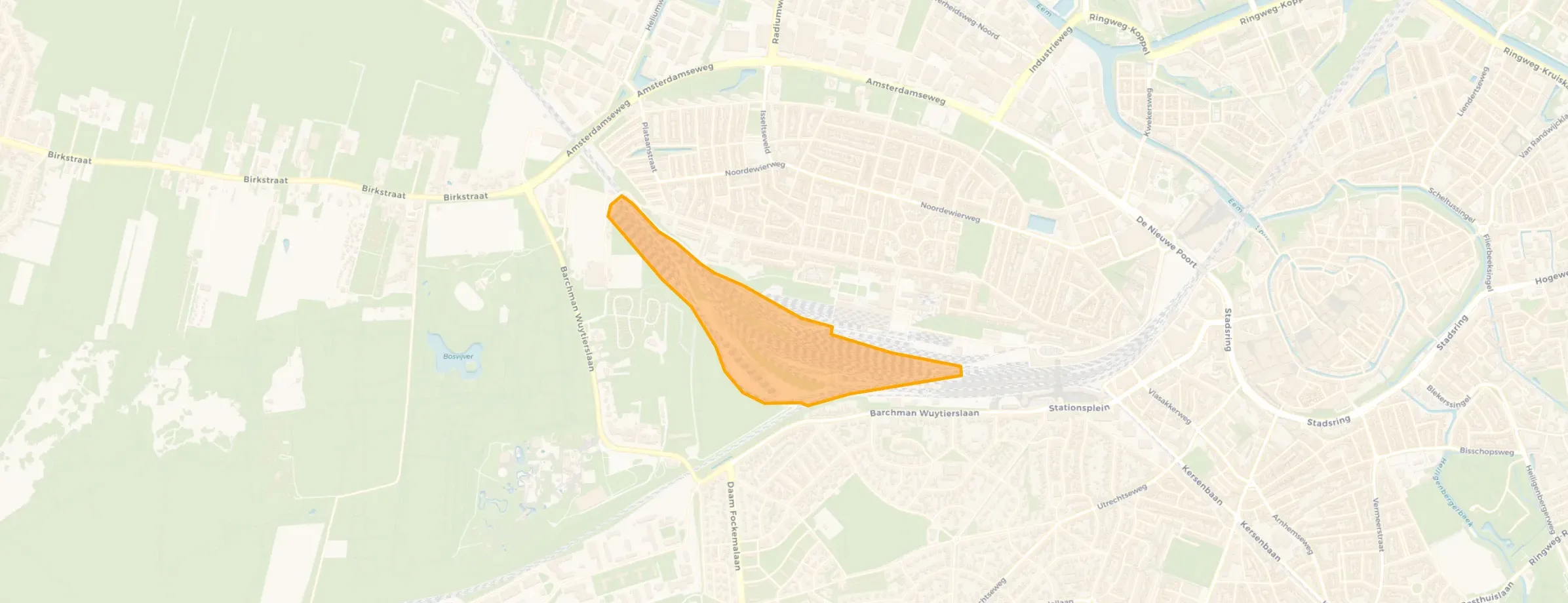
Soesterkwartier is located in the province of Utrecht, in the municipality of Amersfoort The district has a total area of 206 hectares, of which 206 hectares are land and 0 hectares are water. The district is coded as WK030703. The postcode area is 3812AB-3819BD.
Soesterkwartier has 12.185 residents. Of these, 50,1% are men and 50,0% are women. Most residents are 25 to 45 years (34,8%). The other age groups are 23,8% for '45 to 65 years', 16,8% for '0 to 15 years', 14,9% for '65 years or older' and 9,8% for '15 to 25 years'. Of the residents, 56,4% is unmarried, 31,3% is married, 8,7% is divorced and 3,6% is widowed. 9.305 residents originate from the Netherlands, 790 come from Europe and 2.090 come from countries outside Europe.
There are 6.070 households in Soesterkwartier. 43,2% of these are single-person households, 27,1% households without children and 29,7% households with children. The average household size is 2,0 persons.
In Soesterkwartier there are 9.800 income recipients. The average income per income recipient is €36.700, which is €900 (3%) higher than the national average of €35.800. Per resident, the average income is €29.900, which is €700 (2%) higher than the national average of €29.200. Most residents of Soesterkwartier are highly educated. 39,8% have a university or higher professional education (HBO/WO), 33,5% have an intermediate education (HAVO, VWO or MBO 2-4) and 26,7% have a lower education (VMBO or MBO 1).
Of the 12.185 residents, around 68% are in paid employment, which amounts to 8.286 people. This is 3% higher than the national average of 65%. The majority of workers are in salaried employment (87%), while 13% are self-employed. In Soesterkwartier, 22% of residents receive a benefit. The largest group is those receiving a state pension (AOW). 1.530 people receive this benefit.
In Soesterkwartier there are 5.919 homes with an average assessed value (WOZ) of €363.000. Of these, around 97% are occupied and 3% unoccupied. Most homes are rental properties. This amounts to 60% rental homes and 40% owner-occupied homes. Of the homes, 40% privately owned, 42% owned by housing associations and 18% owned by other landlords. The most common construction periods in Soesterkwartier are 1925-1950 (35%) and 1900-1925 (20%).
There are currently no homes for sale in Soesterkwartier. The most recently listed home is Amsterdamseweg 24 by RéBM Bedrijfsmakelaardij. No homes were sold in Soesterkwartier over the past year.
There are currently no homes for rent in Soesterkwartier. The most recent home is Amsterdamseweg 8B, offered by Vesteda. No homes were let in Soesterkwartier over the past year.
No recent rental data available for Soesterkwartier.
In Soesterkwartier there are 6.069 addresses with a registered energy label. The most common labels are A (32%), E (13%) and F (12%). On average, an address in Soesterkwartier uses 2.190 kWh of electricity per year. This is 22% below the national average of 2.810 kWh. With an annual consumption of 840 m³ per address, natural gas consumption is 34% below the national average of 1.280 m³.
Fine, but there could be more playground equipment for the children. Better enforcement for the loitering youth.
Auto-translated to English by AIBeautiful old trees, green neighbourhood in the district, 1930s houses, good atmosphere, friendly, warm-hearted people from different backgrounds. Harmony and everyone is there for each other. Good accessibility by bus, bike or car. Centrally located near the city centre and central station.
Auto-translated to English by AIThe once beautiful working-class neighbourhood is now in decay, especially the part with only rental houses. Too much "a" social control: if you sell things from your home to different people, you're already labelled a drug dealer. The Noordewierweg, what a mess; at the front near the Opidium you can already tell that the streets along this road are not doing well. Subsidence has already been recorded, also by myself. Shops are disappearing, and if something comes back, it's only "I don't understand, I'm a refugee" vibe. Activities for the youth? The municipality of Amersfoort doesn't know; nothing is done about youngsters who mess things up or destroy things. Covered bus stops have been removed. Drug dealers are present in many places in the Soesterkwartier. Everything could be better.
Auto-translated to English by AIGreen, beautiful trees, centrally located. Nice, safe neighbourhood
Auto-translated to English by AII've lived here for 10 years and I don't have many problems with the neighbourhood. I don't have much contact with the other residents but I'm still always invited to street parties and stuff.
Auto-translated to English by AICosy old working-class neighbourhood. Unfortunately, trouble with youngsters (antisocial) at supermarkets. Otherwise cosy, good contact with neighbours.
Auto-translated to English by AICosy, everyone is there for each other. Houses are a bit on the old side, but that has its charm too. Lots of green spaces and schools. Plenty for children and everything nearby.
Auto-translated to English by AIHet Soesterkwartier, but especially Rivierenwijk-Oost, is a great neighbourhood to live in! Only friendly neighbours who are always there for you. There is quite a lot of green in the neighbourhood, take for example the beautiful green belt. And with the renovation plans for the Noordewierweg, the heart of the neighbourhood, it will become even better. Accessibility is fine, you can get into the neighbourhood quickly, getting out a bit less quickly ;) You can be in the city centre or at the station in a few minutes, and in the neighbourhood itself you have all the facilities you need. Nice and good primary schools for every taste, Dalton education, regular or for highly gifted children. Secondary schools are (almost) all within half an hour's bike ride. And the 1930s houses complete it all.
Auto-translated to English by AI
The most common type is terraced houses (46%).
Over the past year a home for sale in Soesterkwartier was listed for an average of €483,813 (€5,160 per m²).
A rental home in Soesterkwartier cost an average of €1,503 per month (€17 per m²).
Residents give Soesterkwartier a 7.1 out of 10 based on 9 reviews. Education stands out with a 8.1; amenities lags behind with a 5.6.
Wijk Soesterkwartier has 12,185 residents. The largest age group is 25 to 45 years (35%).
The housing supply in Soesterkwartier is remarkably efficient: 60% has an A, A+ or B label. The average natural gas consumption per household is 840 m³ per year.
From Soesterkwartier you can on average reach a supermarket at 0.6 km, a GP at 0.7 km, a railway station at 2.6 km, a primary school at 0.6 km (as the crow flies, source: CBS).
Right now you will find 54 homes for sale and 11 homes for rent in Soesterkwartier.

Buurtje.nl uses cookies to make the site work and to improve it. In doing so, we process data such as your IP address and the pages you visit.
We use this data for three purposes: running the website (functional), measuring visits so we can improve Buurtje.nl (analytics), and — if you allow it — tailoring ads to your interests (marketing).
How we handle your data is described in our privacy policy. You can change your preferences at any time via 'Cookie preferences' at the bottom of every page.
Choose per category which cookies we may place. Read more in our privacy policy.