Municipality in Utrecht
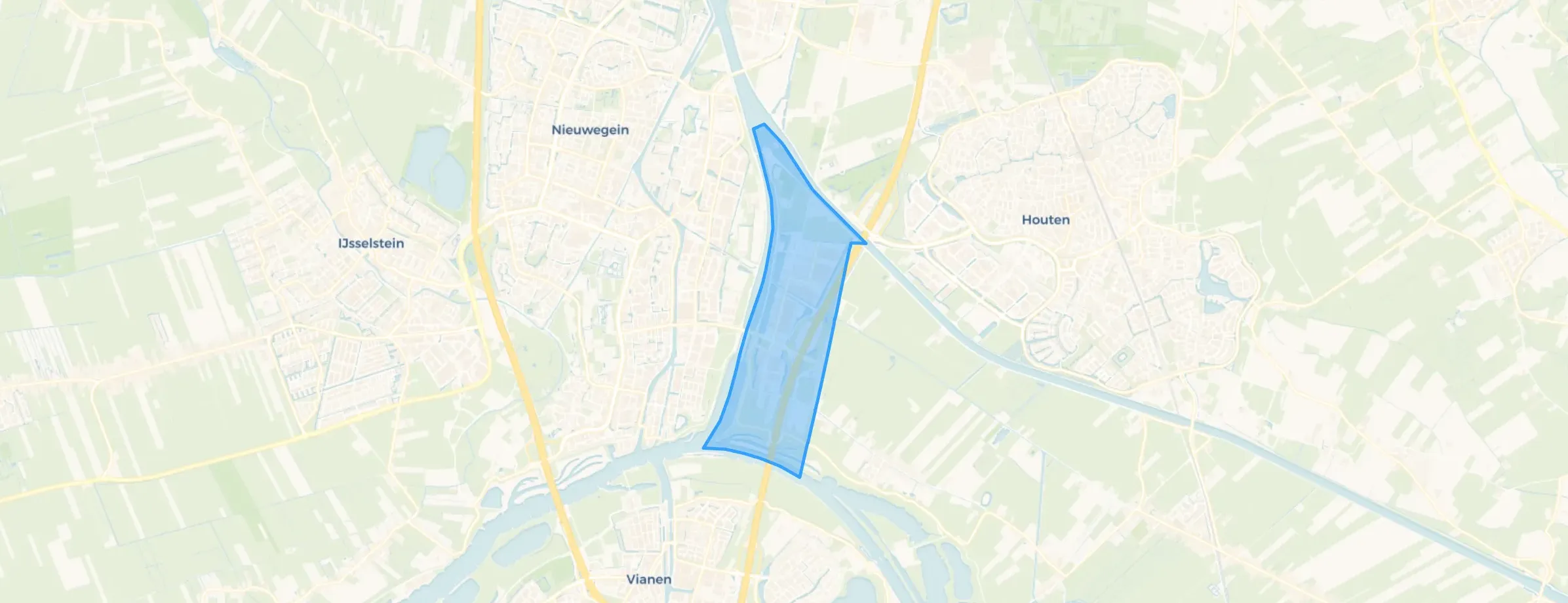
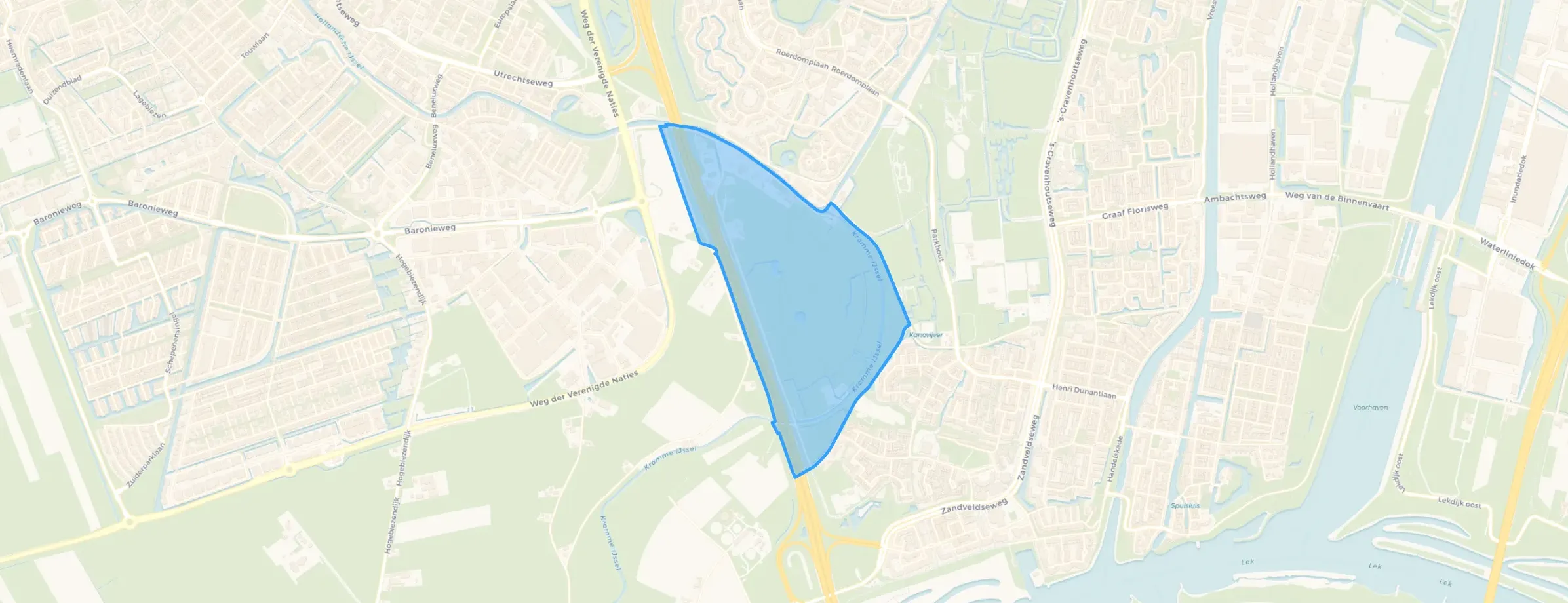
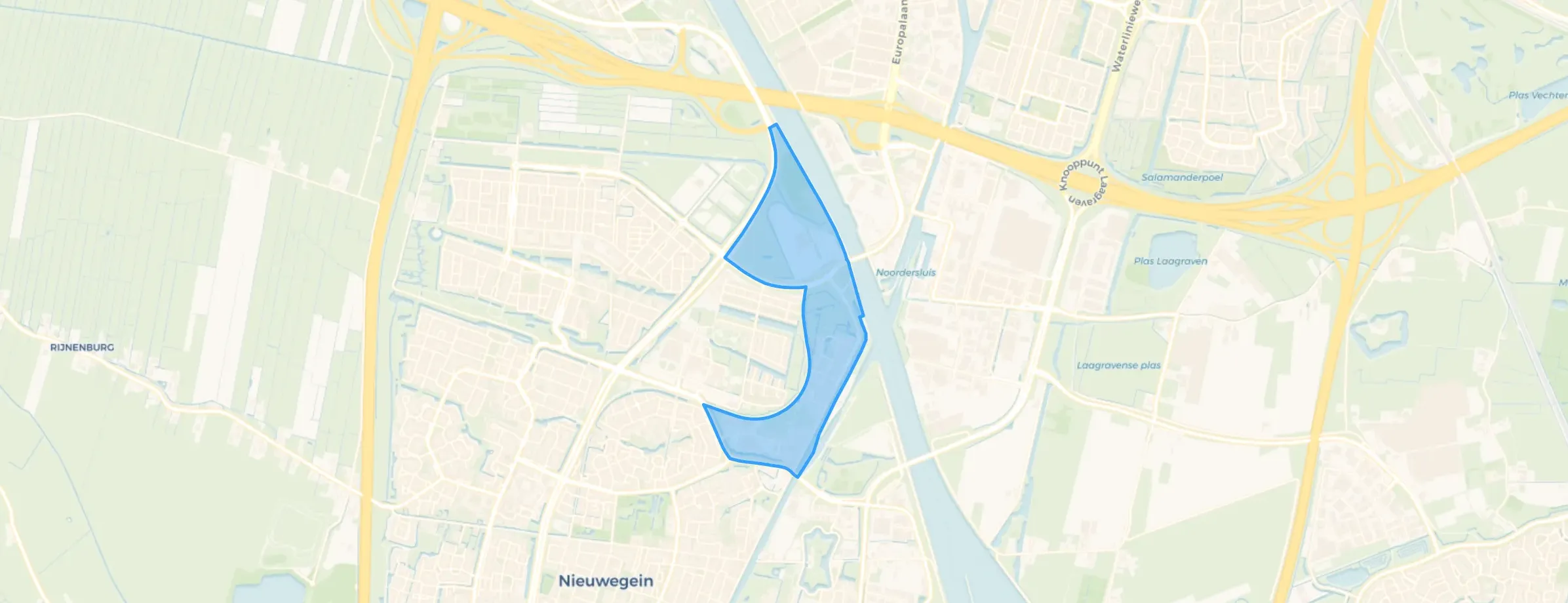
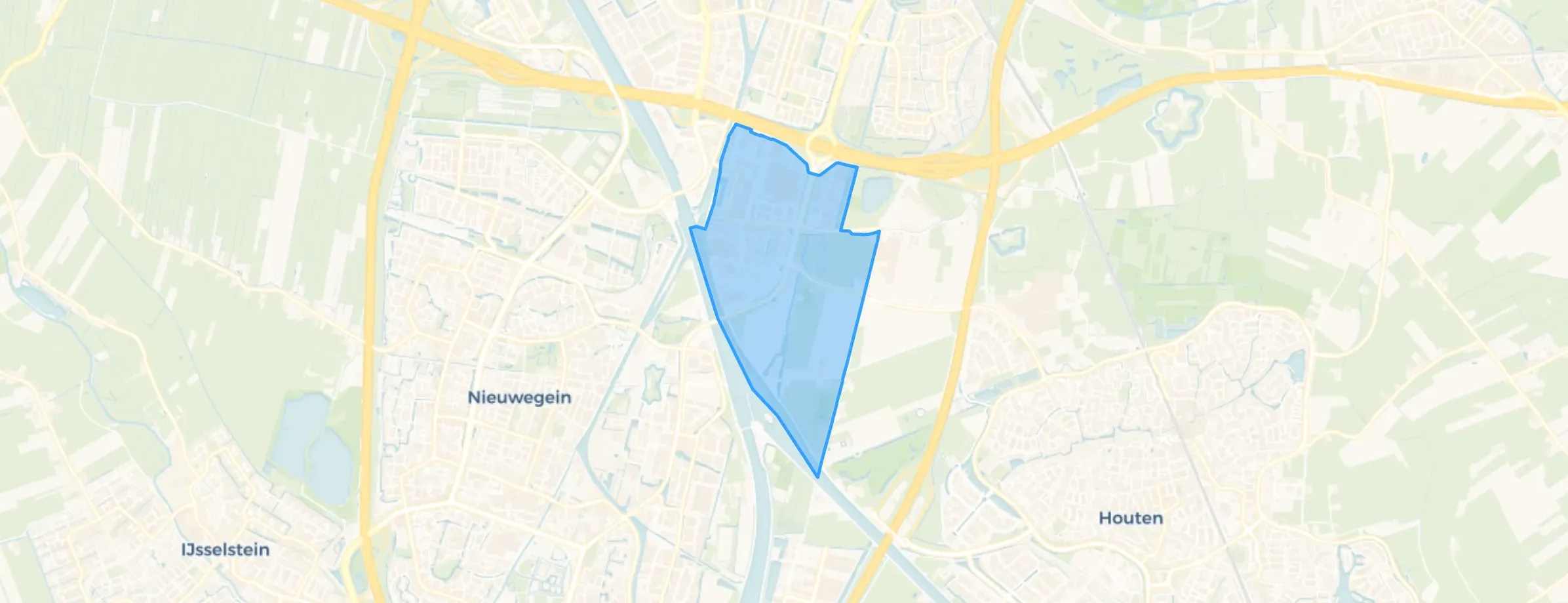
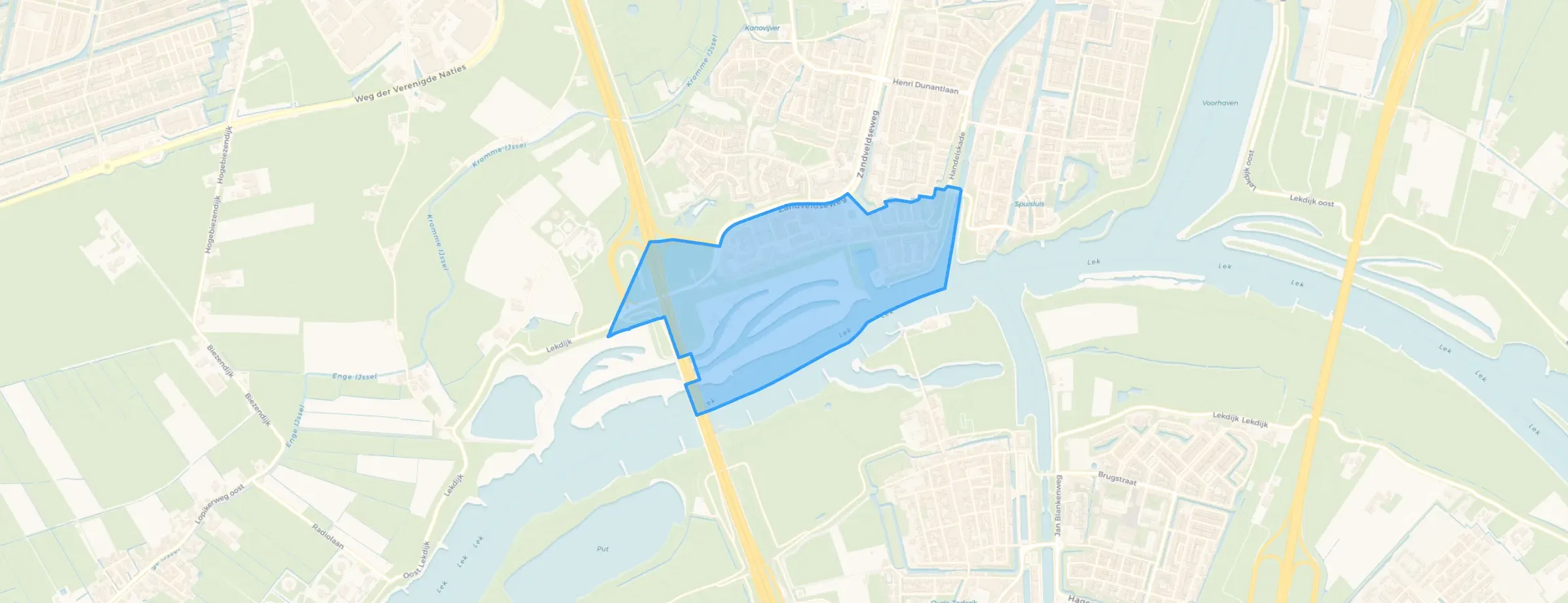
Nieuwegein is located in the province of Utrecht The municipality has a total area of 2.565 hectares, of which 2.342 hectares are land and 223 hectares are water. The municipality is coded as GM0356. The postcode area is 3431AA-3439ZZ.
Nieuwegein has 66.788 residents. Of these, 49,8% are men and 50,2% are women. Most residents are 25 to 45 years (28,5%). The other age groups are 24,3% for '45 to 65 years', 21,6% for '65 years or older', 15,1% for '0 to 15 years' and 10,5% for '15 to 25 years'. Of the residents, 49,0% is unmarried, 38,3% is married, 8,1% is divorced and 4,5% is widowed. 44.049 residents originate from the Netherlands, 5.161 come from Europe and 17.578 come from countries outside Europe.
There are 31.311 households in Nieuwegein. 38,8% of these are single-person households, 28,8% households without children and 32,5% households with children. The average household size is 2,1 persons. The national average is 2,1 persons.
In Nieuwegein there are 53.900 income recipients. The average income per income recipient is €41.900, which is €300 (1%) lower than the national average of €42.200. Per resident, the average income is €34.700, which is €200 (1%) lower than the national average of €34.900. Most residents of Nieuwegein are educated to an intermediate level. 42,2% have an intermediate education (HAVO, VWO or MBO 2-4), 31,7% have a university or higher professional education (HBO/WO) and 26,1% have a lower education (VMBO or MBO 1).
Of the 66.788 residents, around 72% are in paid employment, which amounts to 48.087 people. This is 0% lower than the national average of 72%. The majority of workers are in salaried employment (87%), while 13% are self-employed. In Nieuwegein, 27% of residents receive a benefit. The largest group is those receiving a state pension (AOW). 13.050 people receive this benefit.
In Nieuwegein there are 31.374 homes with an average assessed value (WOZ) of €386.000. Of these, around 96% are occupied and 4% unoccupied. Most homes are owner-occupied. This amounts to 42% rental homes and 58% owner-occupied homes. Of the homes, 57% privately owned, 29% owned by housing associations and 14% owned by other landlords. The most common construction periods in Nieuwegein are 1970-1980 (32%) and 1980-1990 (25%).
There are currently no homes for sale in Nieuwegein. The most recently listed home is Stormerdijkstraat 5 by OVERDUYN MAKELAARS op Funda. No homes were sold in Nieuwegein over the past year.
There are currently no homes for rent in Nieuwegein. The most recent home is Geinoord 2, offered by CS HOUSING op Funda. No homes were let in Nieuwegein over the past year.
No recent rental data available for Nieuwegein.
In Nieuwegein there are 20.146 addresses with a registered energy label. The most common labels are A (34%), C (21%) and B (15%). On average, an address in Nieuwegein uses 2.440 kWh of electricity per year. This is 4% below the national average of 2.550 kWh. With an annual consumption of 370 m³ per address, natural gas consumption is 54% below the national average of 800 m³.
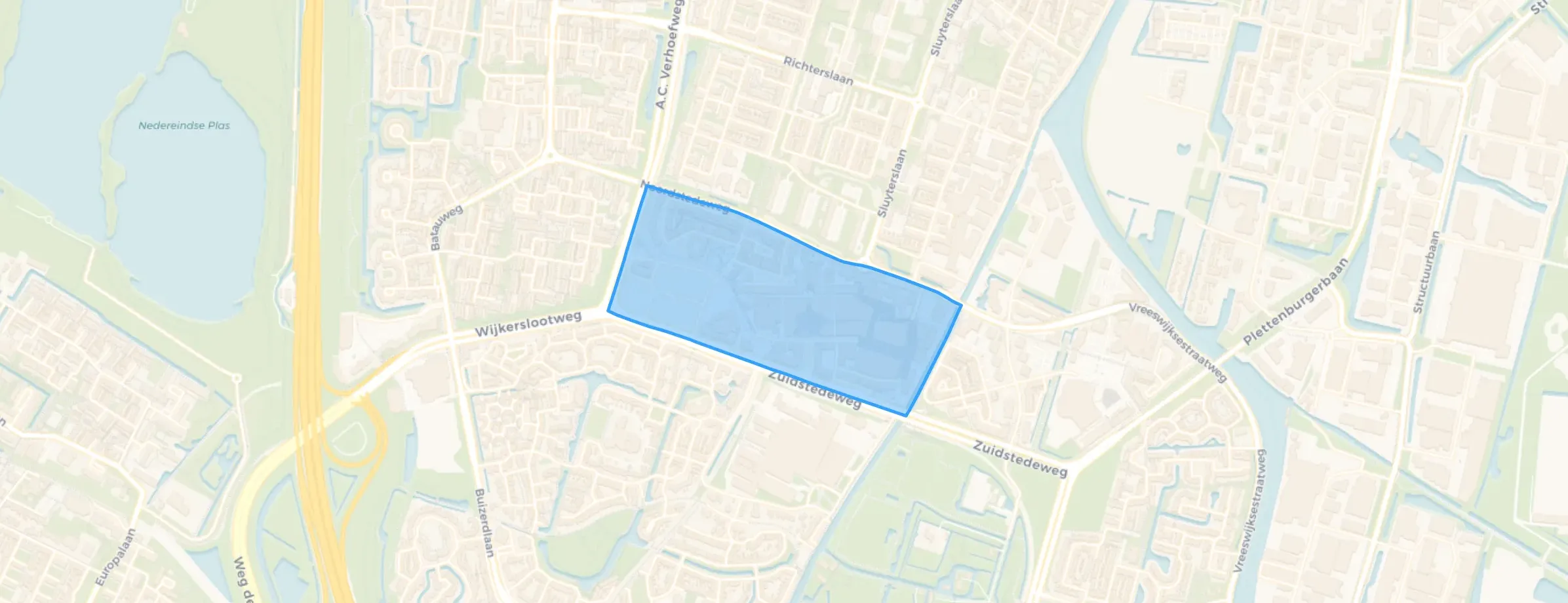
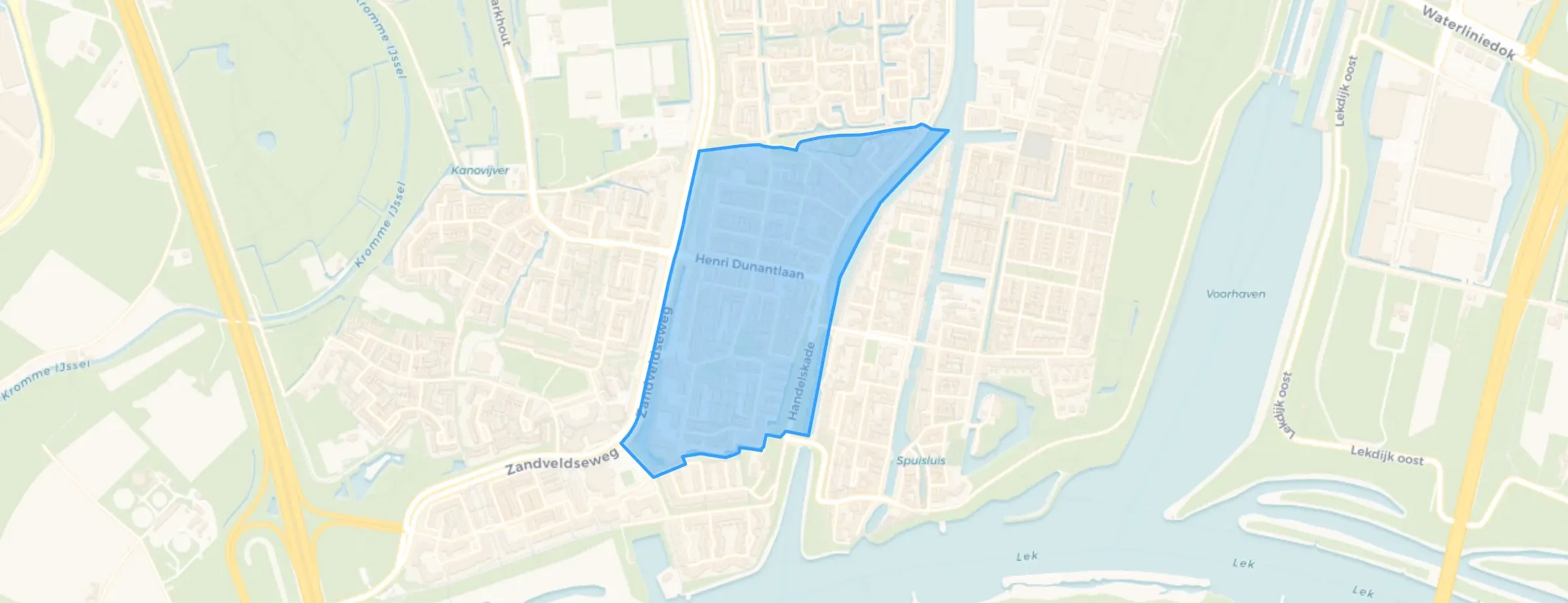
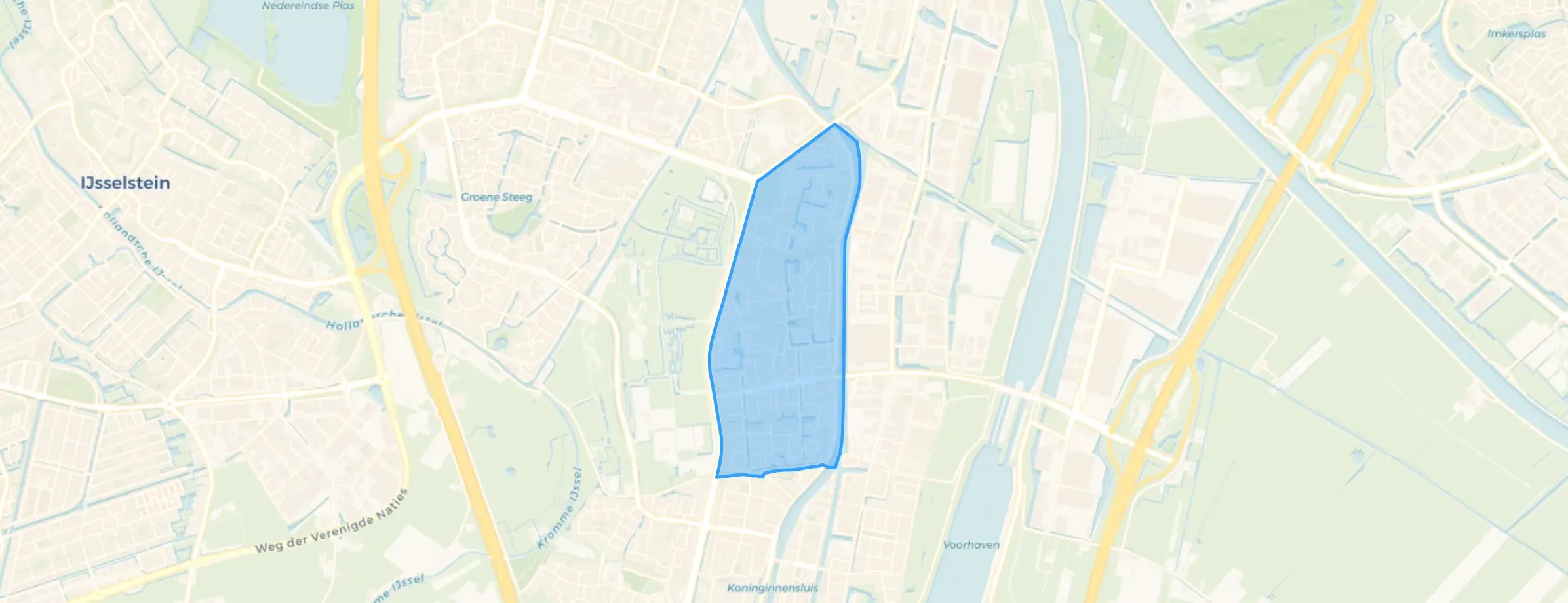
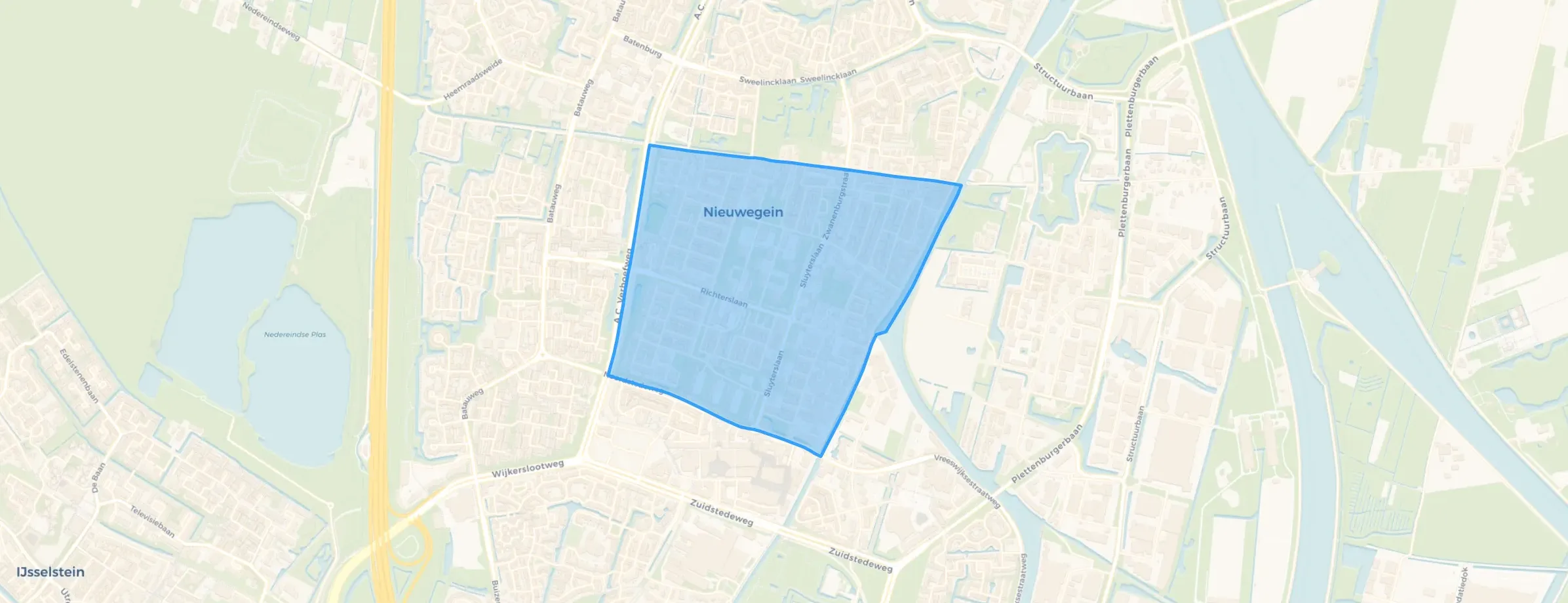
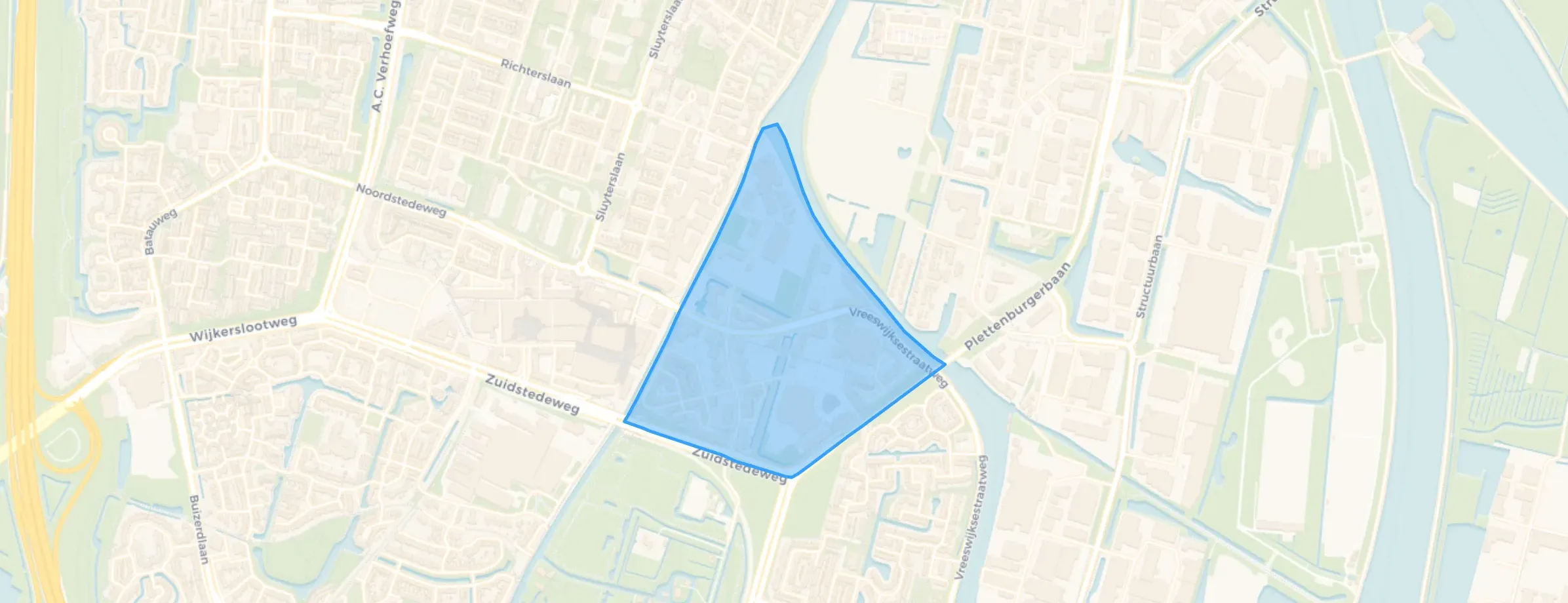

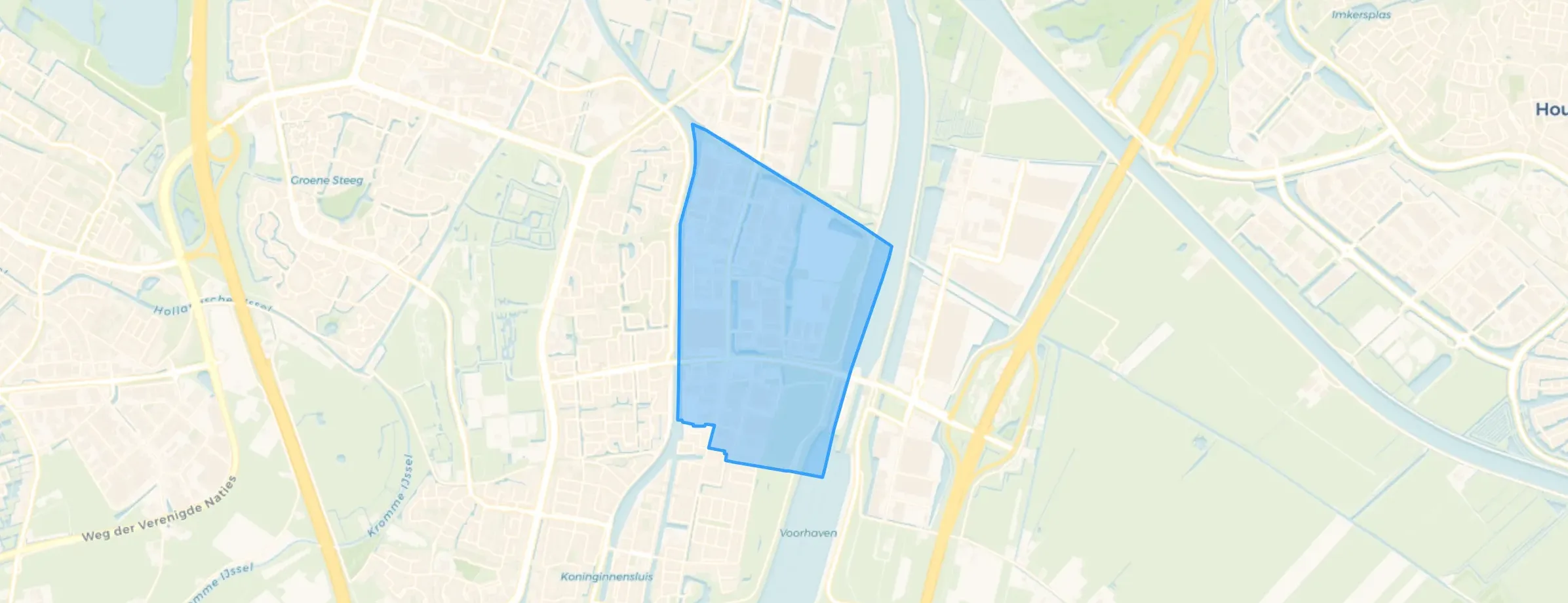
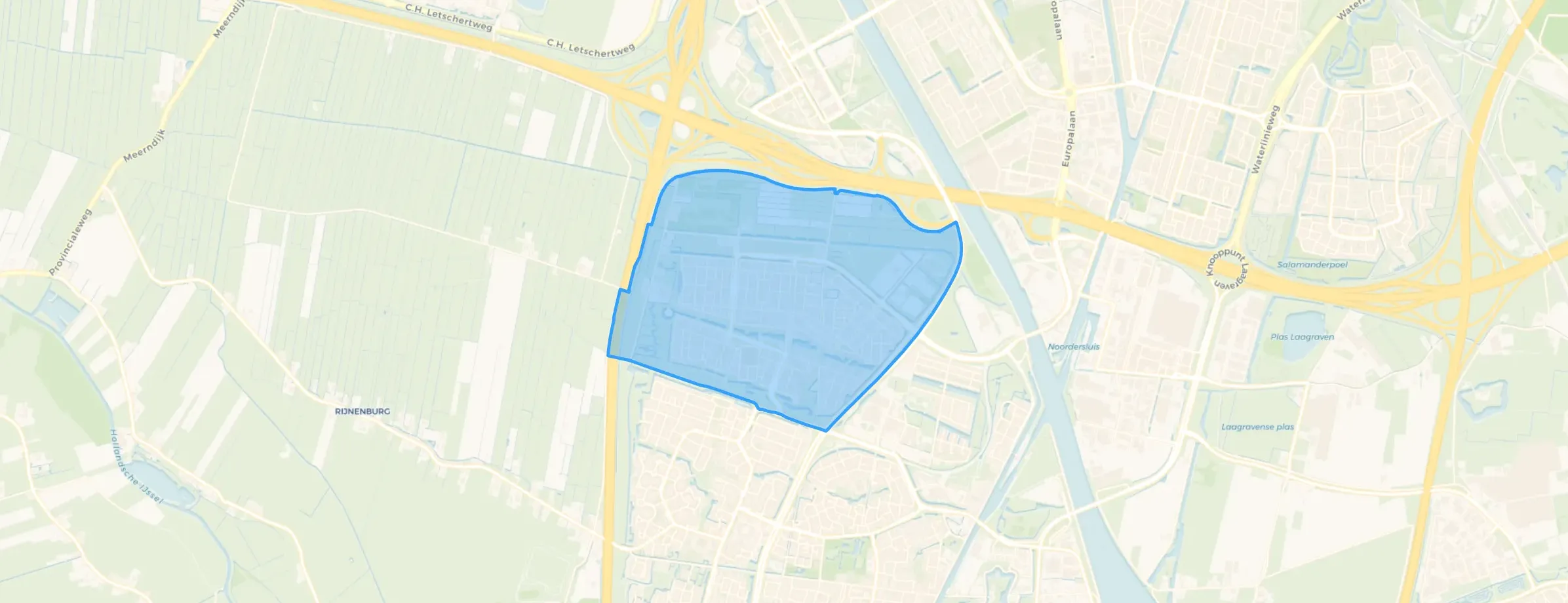
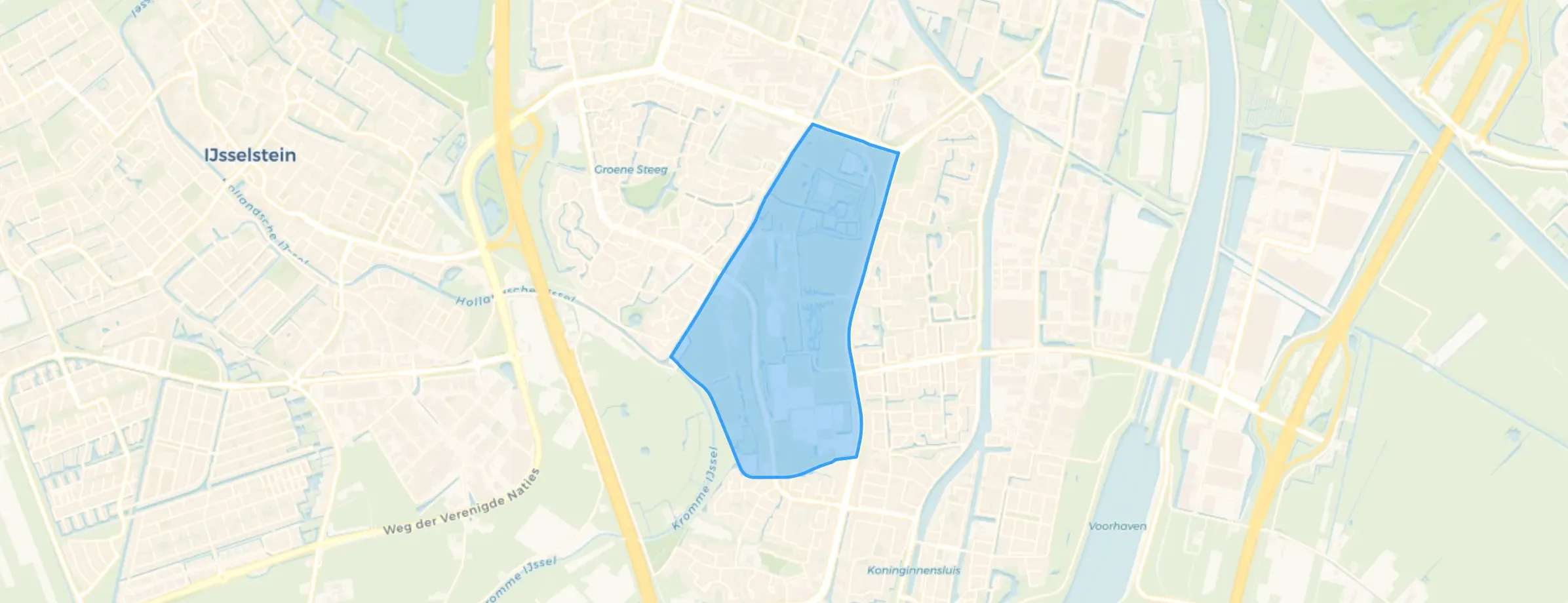
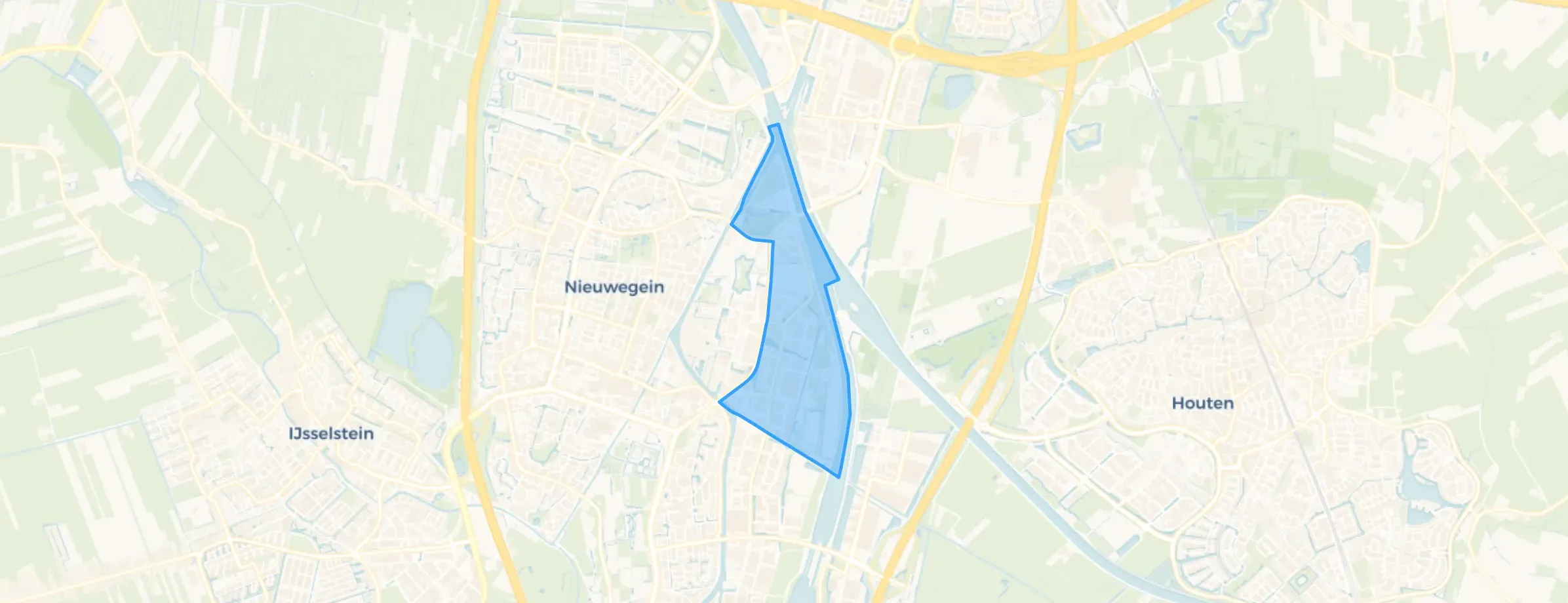
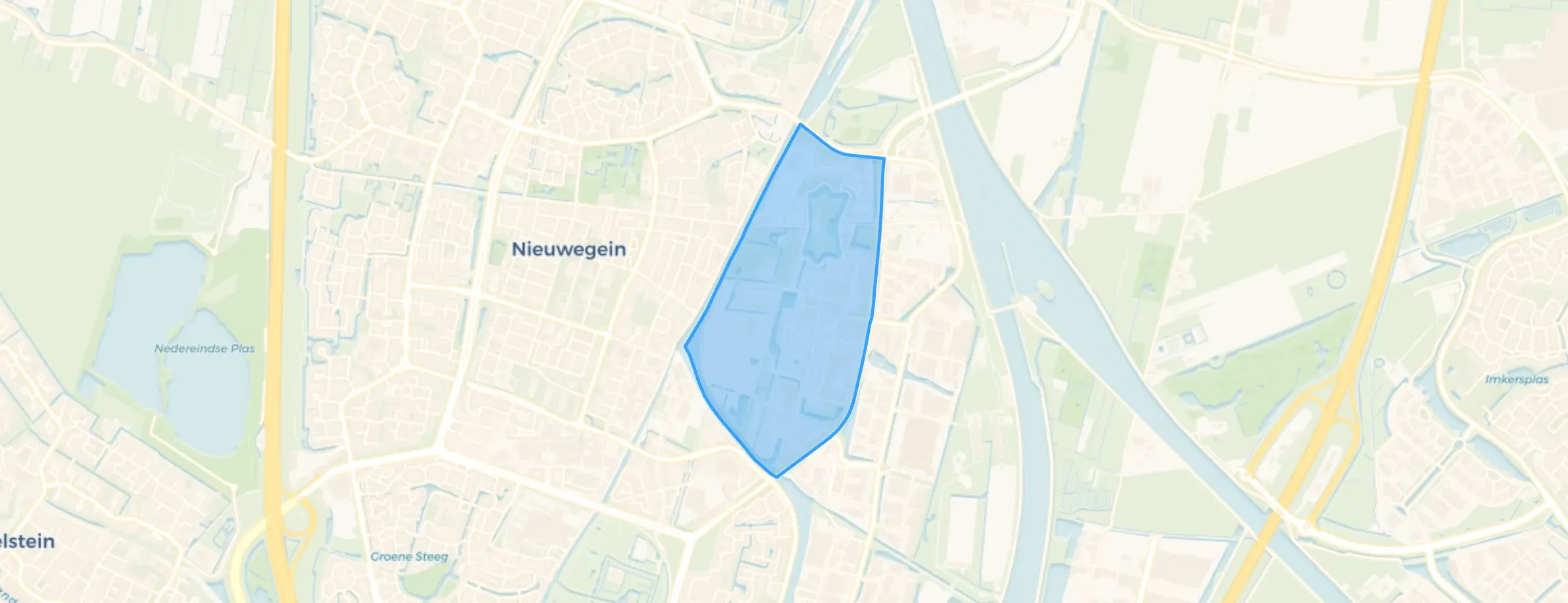
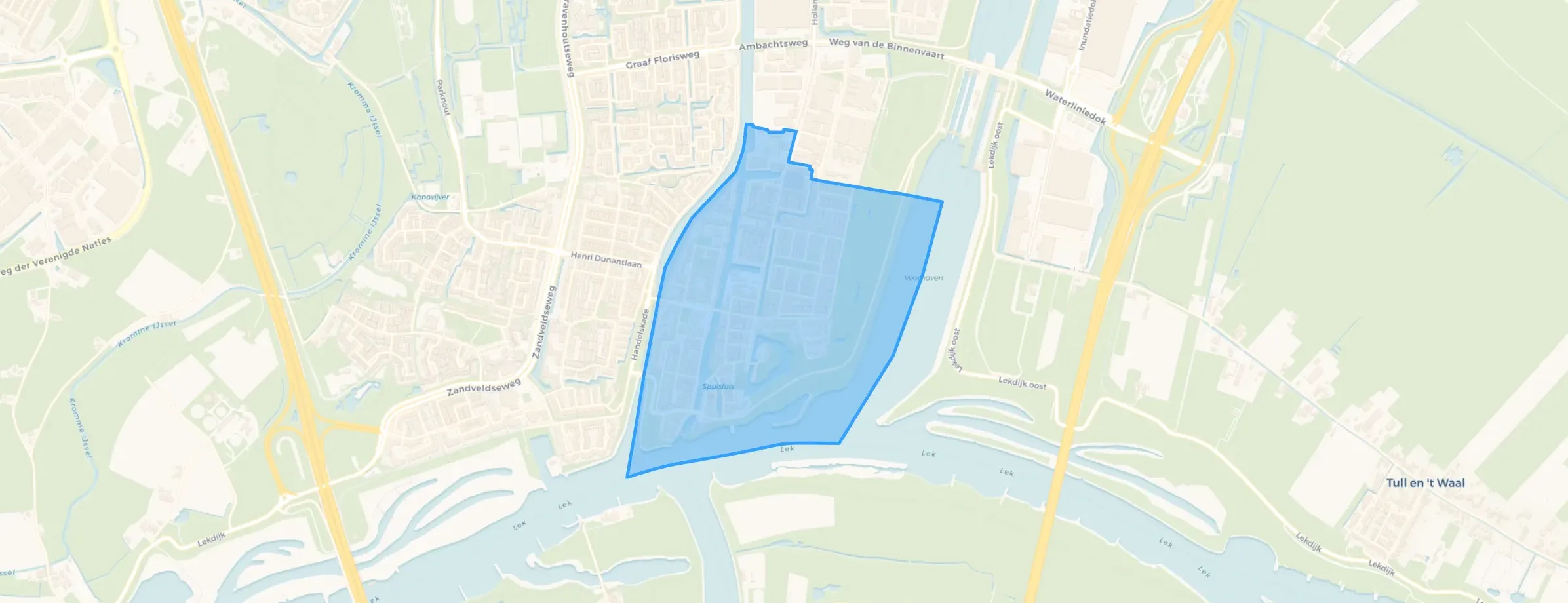
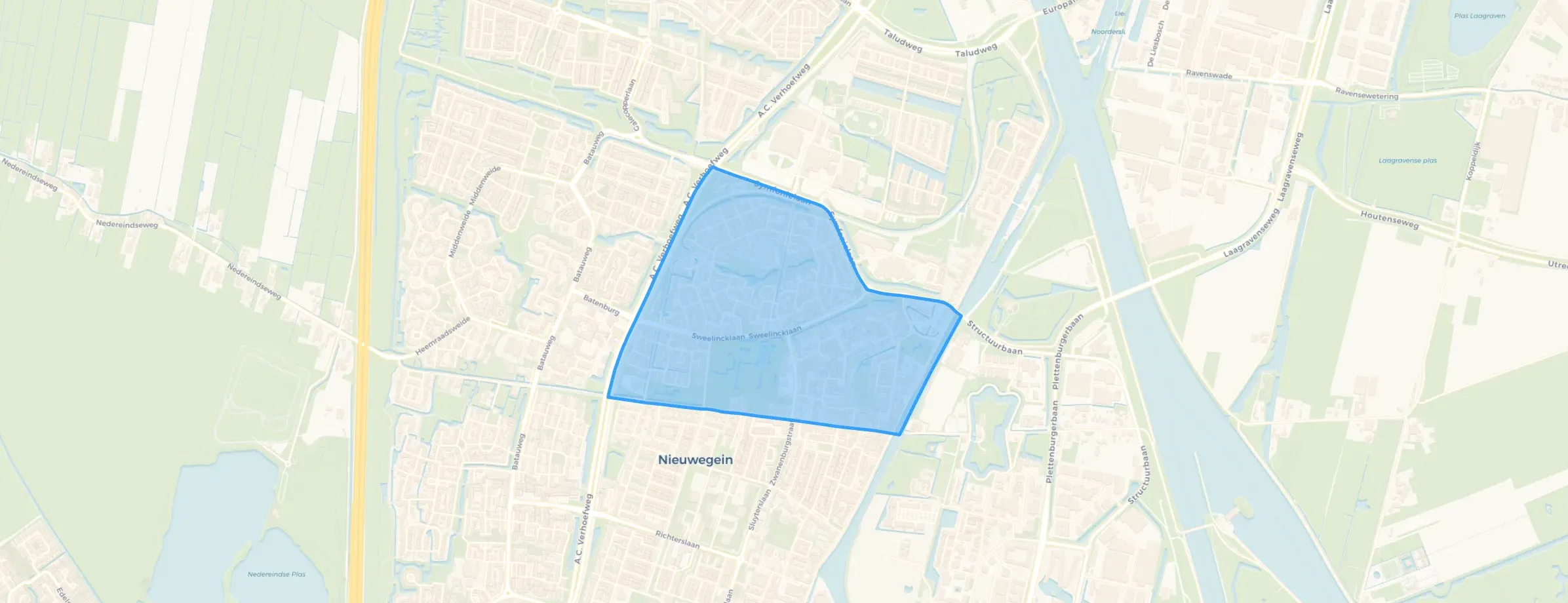
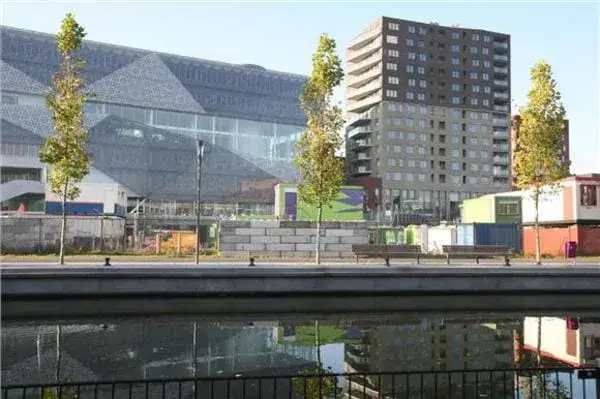
I think it's a nice living environment. It's just a shame that only high-rise flats are being built. And that they are unaffordable for first-time buyers.
Auto-translated to English by AIWe will have been living here with pleasure for 40 years next year. So that says something. Only parking is sometimes a problem. Otherwise, most amenities in the neighbourhood.
Auto-translated to English by AII think it's a nice neighbourhood. Sometimes we have trouble with the youngsters on fatbikes, they ride everywhere and way too fast. But otherwise it's a nice neighbourhood.
Auto-translated to English by AIAll other cultures
Auto-translated to English by AINice neighbourhood, build a new swimming pool de Merwestein
Auto-translated to English by AIDespite the mess on the streets and the often-present youngsters, the neighbourhood is still a pleasant area where people know each other and are not averse to offering help. Different cultures come together and there are often activities in the vicinity.
Auto-translated to English by AII've been living here for almost 3 years now and have reasonable contact with the neighbours. I have no trouble with crime or feelings of insecurity. There is sufficient social control, but not to the point where it bothers you. The houses could use some renovation, but they are busy making them more sustainable.
Auto-translated to English by AIIt's a reliable, cosy and friendly neighbourhood here! Lots of shops nearby and also public transport. The neighbours are always there for each other without asking for anything in return. We even have a group app for any emergencies. What more could you want? That's the strength of this neighbourhood.
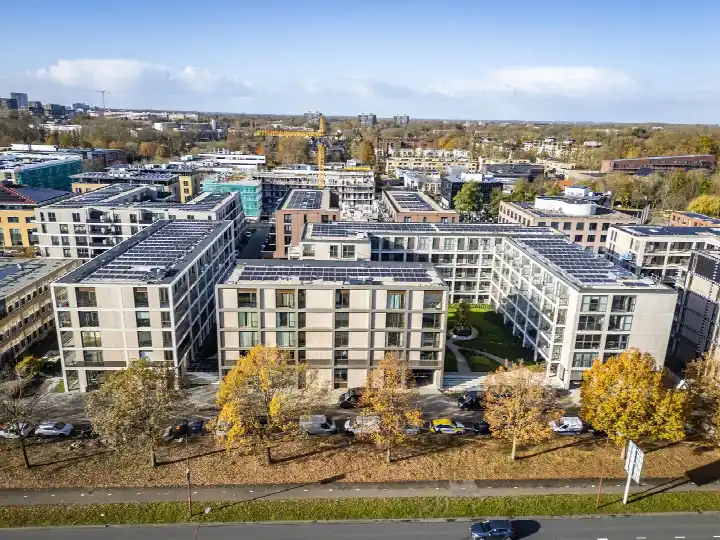
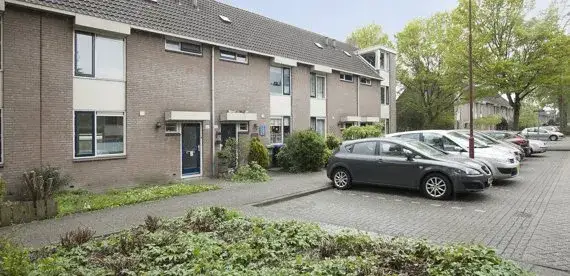
Auto-translated to English by AIThe housing stock is mainly post-war — 60% was built between 1945 and 1990. In addition, the most common type is flats (47%).
Over the past year a home for sale in Nieuwegein was listed for an average of €516,081 (€4,655 per m²). Last quarter prices rose by 5%.
A rental home in Nieuwegein cost an average of €1,592 per month (€18 per m²). That is 26% below the national average.
Residents give Nieuwegein a 7.1 out of 10 based on 18 reviews. The strongest score is for accessibility (8.1), the weakest for cleanliness (6.6).
The housing supply in Nieuwegein is remarkably efficient: 62% has an A, A+ or B label. The average natural gas consumption per household is 370 m³ per year.
From Nieuwegein you can on average reach a supermarket at 0.8 km, a GP at 0.9 km, a railway station at 7.3 km, a primary school at 0.8 km (as the crow flies, source: CBS).
Right now you will find 226 homes for sale and 52 homes for rent in Nieuwegein.