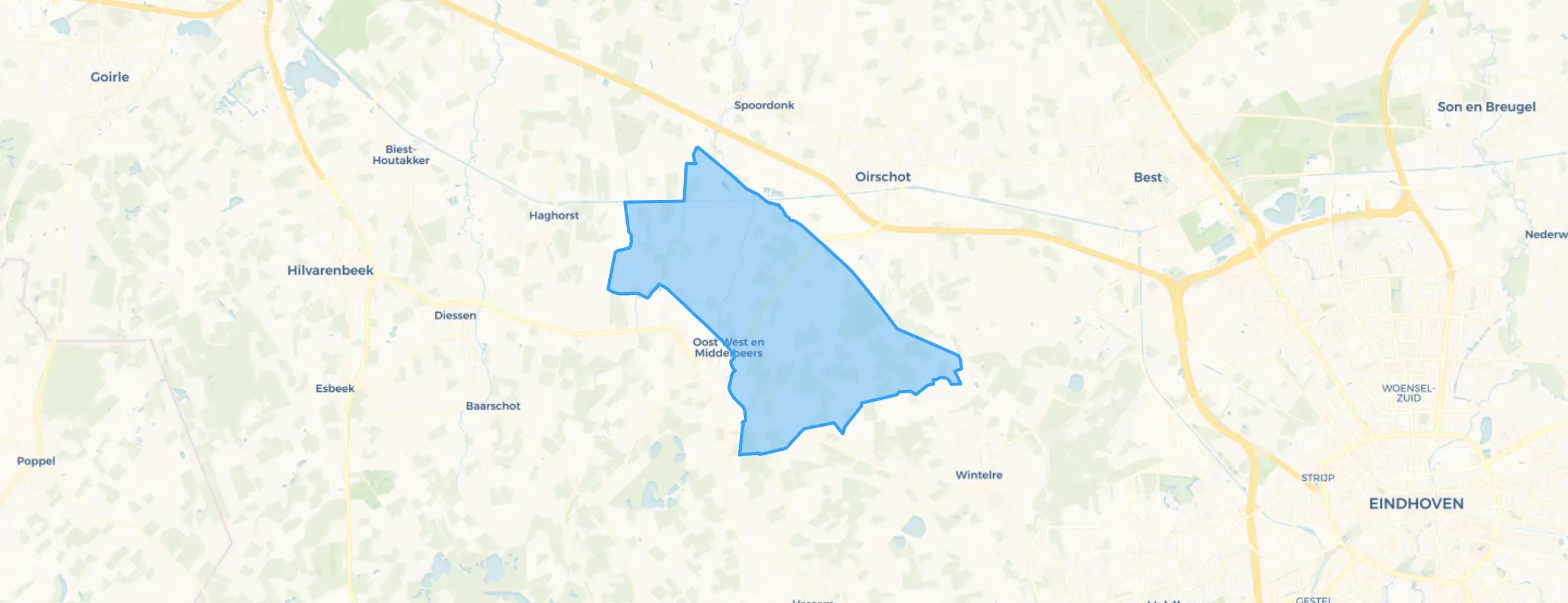
Municipality in Noord-Brabant
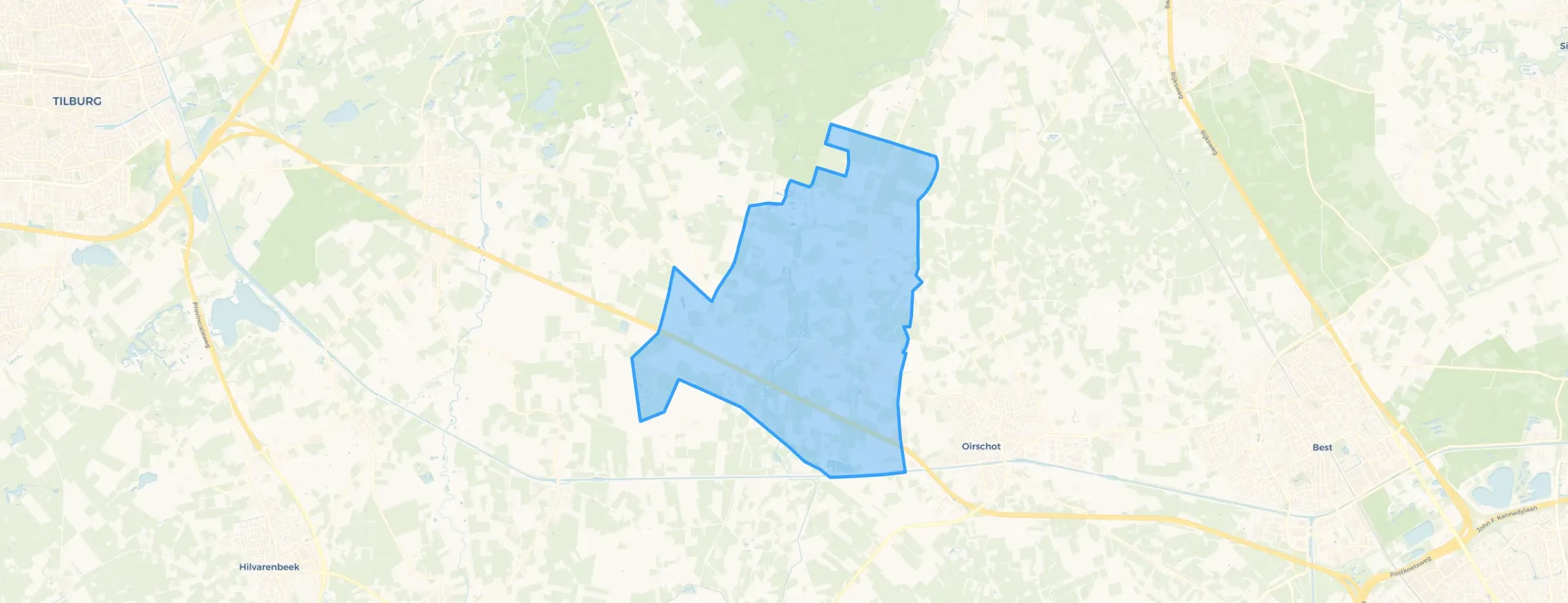
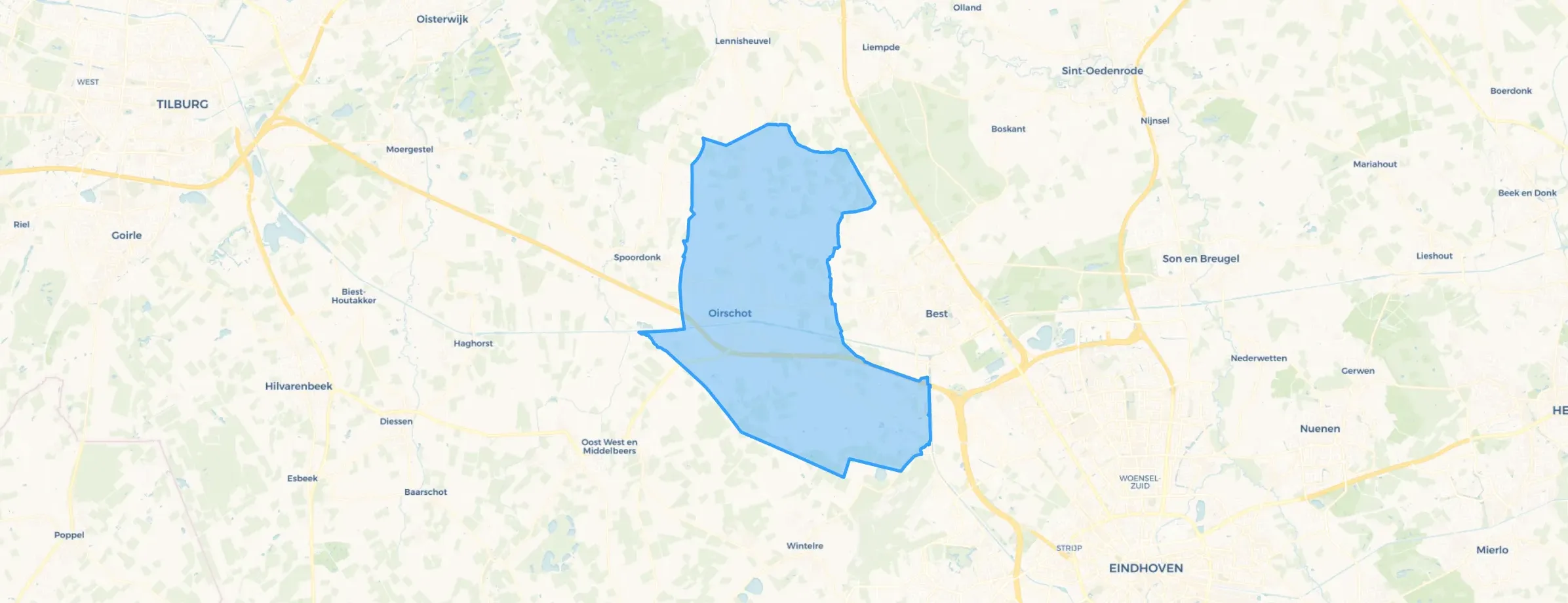
Oirschot is located in the province of Noord-Brabant The municipality has a total area of 10.284 hectares, of which 10.179 hectares are land and 105 hectares are water. The municipality is coded as GM0823. The postcode area is 5091AA-5689AP.
Oirschot has 19.536 residents. Of these, 50,8% are men and 49,2% are women. Most residents are 45 to 65 years (28,7%). The other age groups are 25,0% for '65 years or older', 21,6% for '25 to 45 years', 13,9% for '0 to 15 years' and 10,8% for '15 to 25 years'. Of the residents, 44,5% is unmarried, 43,4% is married, 6,5% is divorced and 5,6% is widowed. 17.306 residents originate from the Netherlands, 1.038 come from Europe and 1.192 come from countries outside Europe.
There are 8.271 households in Oirschot. 29,6% of these are single-person households, 35,3% households without children and 35,2% households with children. The average household size is 2,3 persons. The national average is 2,1 persons.
In Oirschot there are 16.100 income recipients. The average income per income recipient is €43.500, which is €1.300 (3%) higher than the national average of €42.200. Per resident, the average income is €37.000, which is €2.100 (6%) higher than the national average of €34.900. Most residents of Oirschot are educated to an intermediate level. 47,1% have an intermediate education (HAVO, VWO or MBO 2-4), 28,4% have a university or higher professional education (HBO/WO) and 24,5% have a lower education (VMBO or MBO 1).
Of the 19.536 residents, around 77% are in paid employment, which amounts to 15.043 people. This is 5% higher than the national average of 72%. The majority of workers are in salaried employment (79%), while 21% are self-employed. In Oirschot, 27% of residents receive a benefit. The largest group is those receiving a state pension (AOW). 4.380 people receive this benefit.
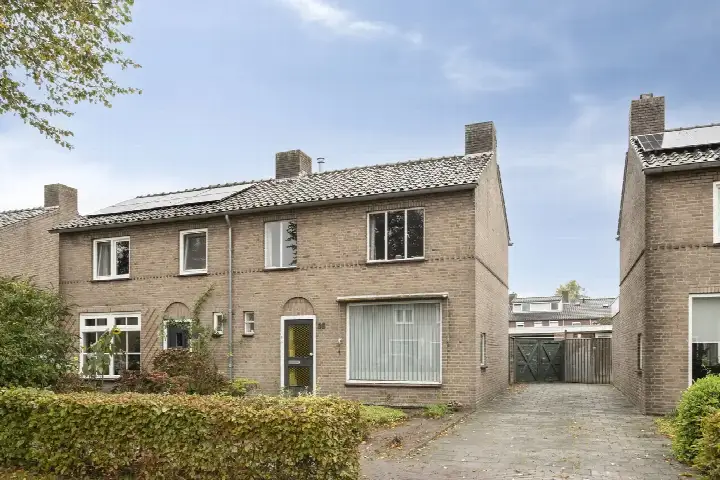
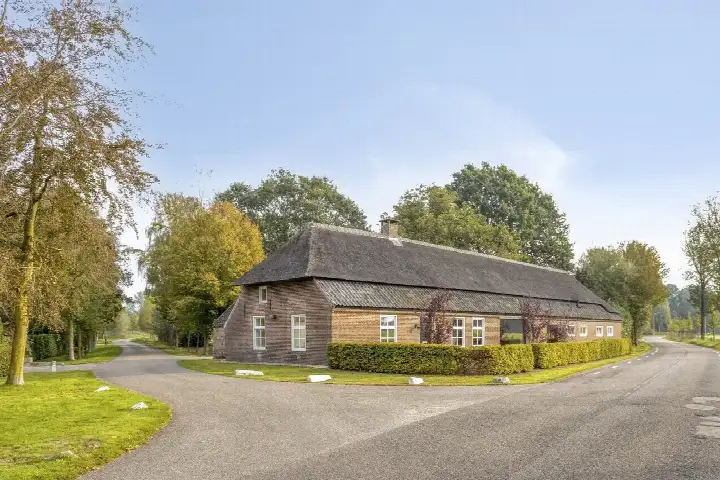
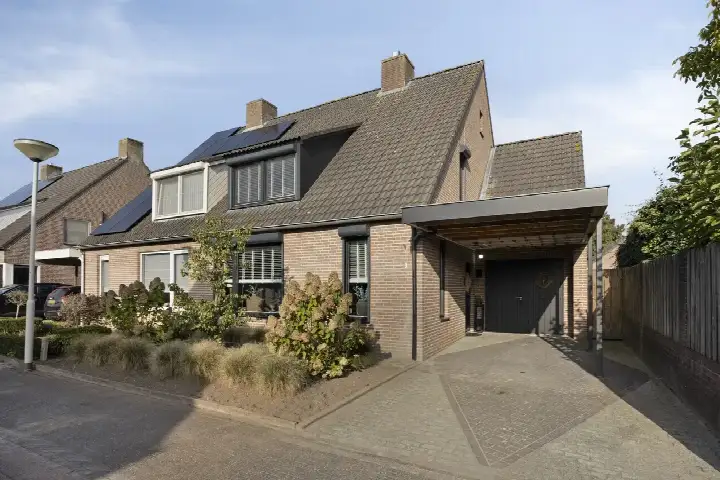
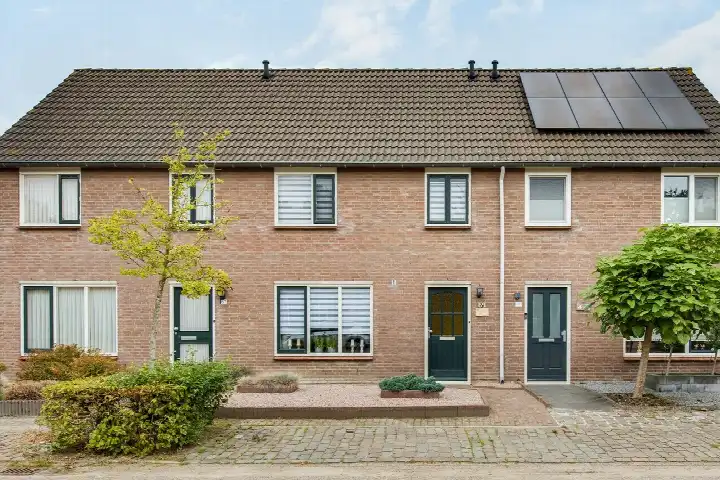
In Oirschot there are 8.544 homes with an average assessed value (WOZ) of €504.000. Of these, around 95% are occupied and 5% unoccupied. Most homes are owner-occupied. This amounts to 25% rental homes and 75% owner-occupied homes. Of the homes, 75% privately owned, 13% owned by housing associations and 12% owned by other landlords. The most common construction periods in Oirschot are 1970-1980 (17%) and 1980-1990 (16%).
There are currently no homes for sale in Oirschot. The most recently listed home is Karel Doormanlaan 36 by Van de Meerendonk Makelaars. No homes were sold in Oirschot over the past year.
There are currently no homes for rent in Oirschot. The most recent home is Gasthuisstraat 23E, offered by www.wooniezie.nl. No homes were let in Oirschot over the past year.
No recent rental data available for Oirschot.
In Oirschot there are 4.805 addresses with a registered energy label. The most common labels are A (28%), C (23%) and B (15%). On average, an address in Oirschot uses 3.200 kWh of electricity per year. This is 25% above the national average of 2.550 kWh. Natural gas consumption, at 970 m³ per year, is 21% above the national average of 800 m³.
The surroundings are beautiful, especially if you enjoy walking and cycling. The community always looks out for each other and it's incredibly safe. I've lived here for almost a year and haven't had a single complaint. Getting here by public transport is a bit tricky, but possible.
Auto-translated to English by AIBeautiful neighbourhood with lots of greenery and friendly neighbours. Perfect area if you love rural surroundings, cycling and walking.
Auto-translated to English by AIThe houses are just good, nice houses. The village itself is a bit remote and the bus doesn't run on weekends. Also, there's not much to do. For example, there's only one bar. Safety is top-notch. As far as I know, there's hardly any burglaries and there's an app group in almost every street or neighbourhood. It's also nice and clean.
Auto-translated to English by AII've been living here with my boyfriend for a few months now and we immediately felt at home. Everyone is very friendly and helpful. Very clean environment, just a bit difficult to reach by public transport if you're not familiar with the area.
Auto-translated to English by AIPleasant and everyone is helpful and kind
Auto-translated to English by AII've lived here my whole life. When I was a child, our neighbourhood still had lots of activities, but unfortunately nothing anymore now. At first, all the neighbours knew each other and I was friends with many children from the neighbourhood, but now almost no one knows each other anymore and people hardly talk to each other.
Auto-translated to English by AILovely quiet neighbourhood with lots of children, a playground nearby, cars that don't drive fast
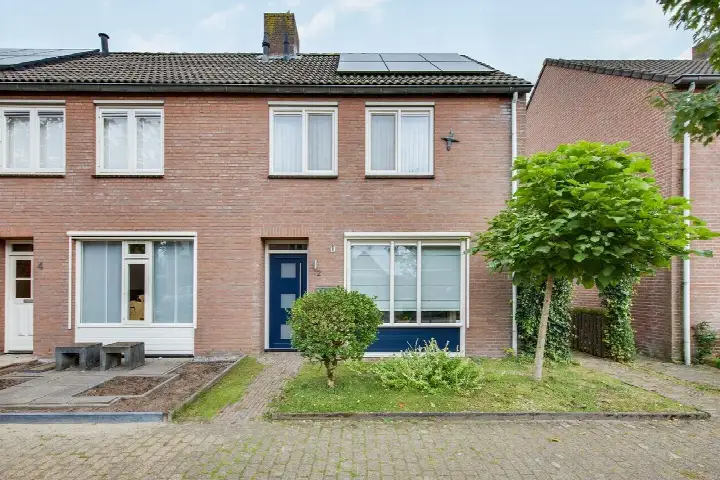
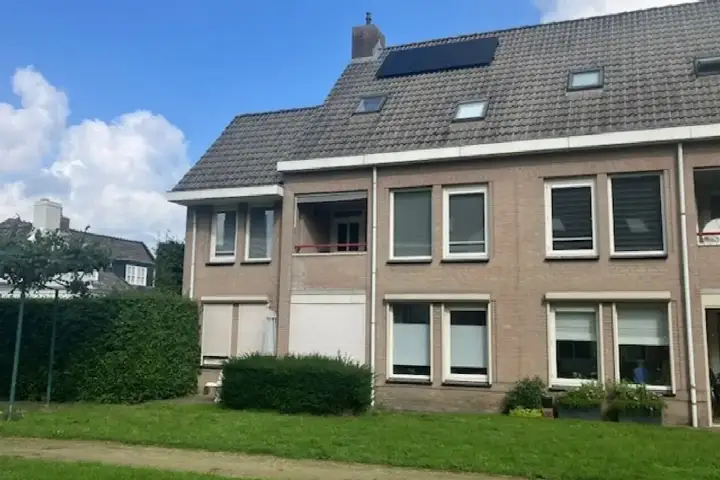
Auto-translated to English by AIThe housing stock is mainly post-war — 51% was built between 1945 and 1990.
Over the past year a home for sale in Oirschot was listed for an average of €655,408 (€4,666 per m²). That is 24% above the Dutch national average. Last quarter prices fell by 8%.
A rental home in Oirschot cost an average of €1,774 per month (€13 per m²). That is 18% below the national average.
Residents give Oirschot a 8.6 out of 10 based on 7 reviews. The strongest score is for safety (9.6), the weakest for accessibility (6.7).
Gemeente Oirschot has 19,536 residents. Many families: 35% of the households have children.
The housing supply in Oirschot is remarkably efficient: 58% has an A, A+ or B label. The average natural gas consumption per household is 970 m³ per year.
From Oirschot you can on average reach a supermarket at 1.7 km, a GP at 1.5 km, a railway station at 8.3 km, a primary school at 1.0 km (as the crow flies, source: CBS).
Right now you will find 117 homes for sale and 2 homes for rent in Oirschot.