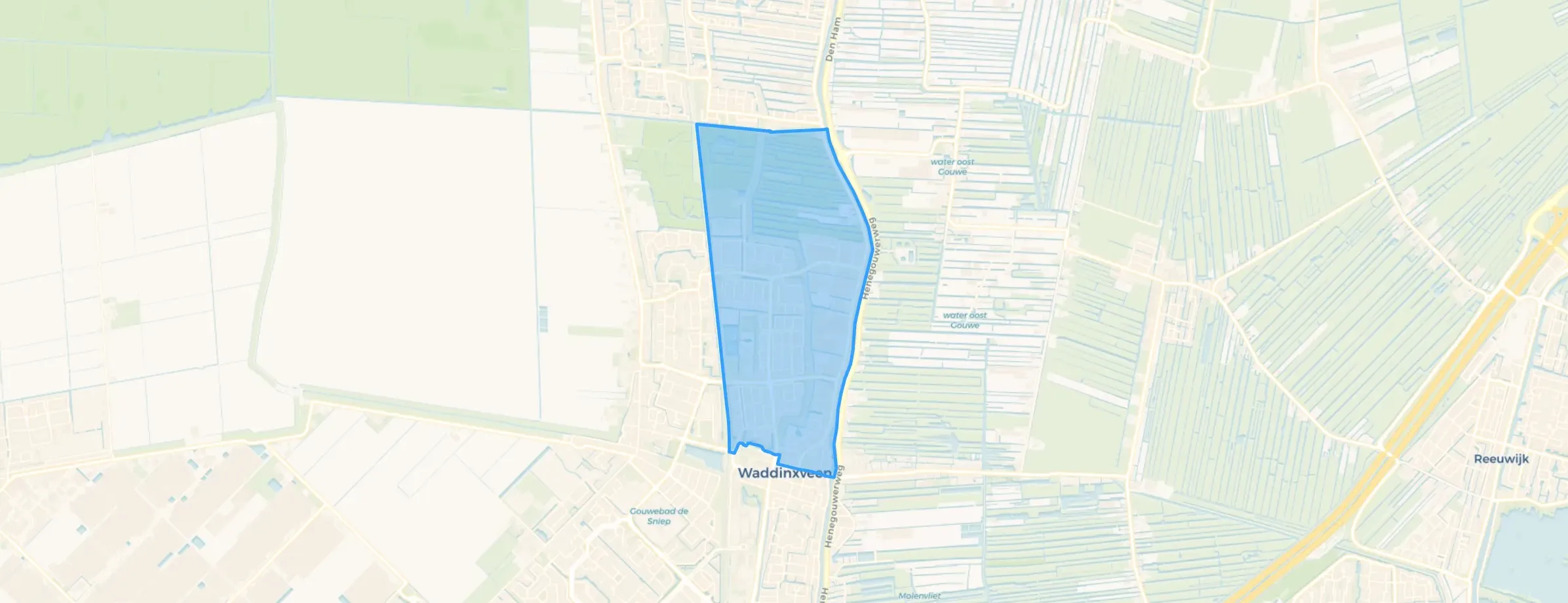
Municipality in Zuid-Holland
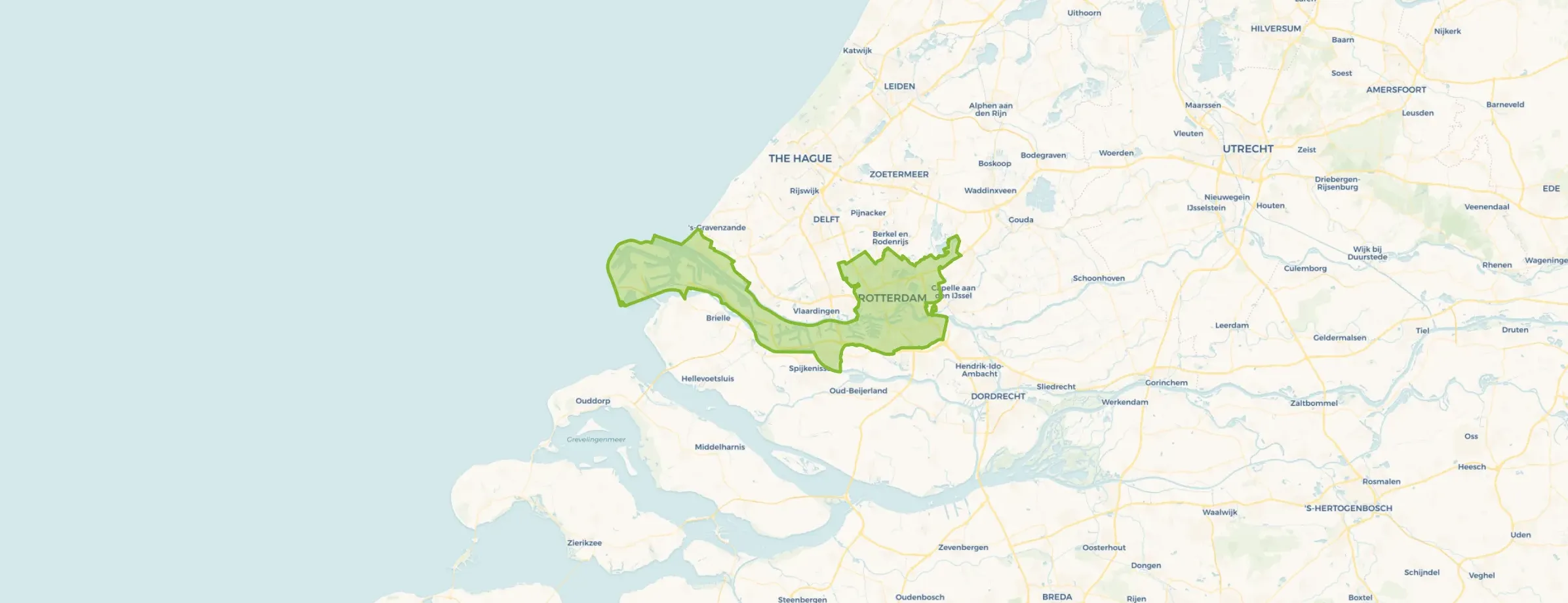
Waddinxveen is located in the province of Zuid-Holland The municipality has a total area of 2.940 hectares, of which 2.775 hectares are land and 164 hectares are water. The municipality is coded as GM0627. The postcode area is 2741AA-2743MW.
Waddinxveen has 35.031 residents. Of these, 49,7% are men and 50,3% are women. Most residents are 25 to 45 years (28,9%). The other age groups are 23,0% for '45 to 65 years', 19,8% for '0 to 15 years', 18,0% for '65 years or older' and 10,3% for '15 to 25 years'. Of the residents, 47,0% is unmarried, 43,0% is married, 6,1% is divorced and 3,8% is widowed. 27.047 residents originate from the Netherlands, 2.463 come from Europe and 5.521 come from countries outside Europe.
There are 14.303 households in Waddinxveen. 27,9% of these are single-person households, 31,3% households without children and 40,8% households with children. The average household size is 2,4 persons. The national average is 2,1 persons.
In Waddinxveen there are 26.600 income recipients. The average income per income recipient is €43.600, which is €1.400 (3%) higher than the national average of €42.200. Per resident, the average income is €34.400, which is €500 (1%) lower than the national average of €34.900. Most residents of Waddinxveen are educated to an intermediate level. 42,4% have an intermediate education (HAVO, VWO or MBO 2-4), 30,2% have a university or higher professional education (HBO/WO) and 27,4% have a lower education (VMBO or MBO 1).
Of the 35.031 residents, around 77% are in paid employment, which amounts to 26.974 people. This is 5% higher than the national average of 72%. The majority of workers are in salaried employment (85%), while 15% are self-employed. In Waddinxveen, 22% of residents receive a benefit. The largest group is those receiving a state pension (AOW). 5.670 people receive this benefit.
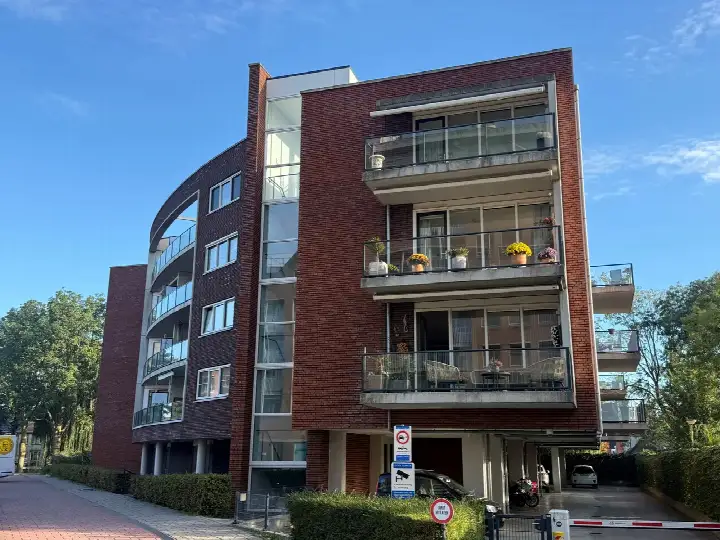
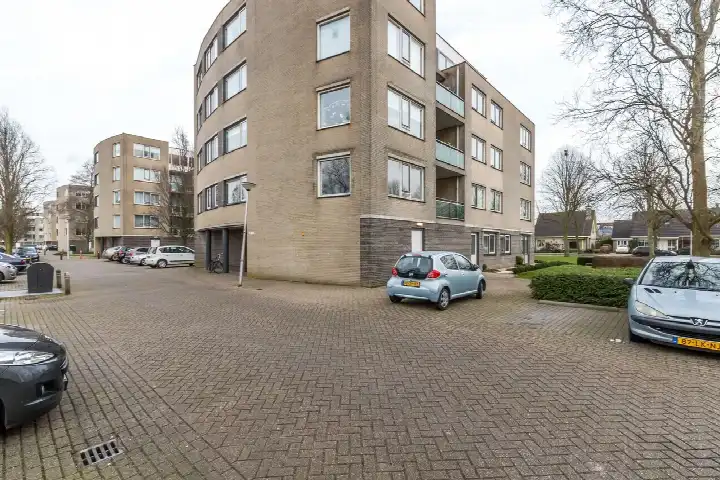
In Waddinxveen there are 14.206 homes with an average assessed value (WOZ) of €417.000. Of these, around 98% are occupied and 2% unoccupied. Most homes are owner-occupied. This amounts to 34% rental homes and 66% owner-occupied homes. Of the homes, 66% privately owned, 25% owned by housing associations and 9% owned by other landlords. The most common construction periods in Waddinxveen are 1950-1970 (24%) and 2020 and later (17%).
There are currently no homes for sale in Waddinxveen. The most recently listed home is Dorpstraat 68 by De Huizenbeurs op Funda. No homes were sold in Waddinxveen over the past year.
There are currently no homes for rent in Waddinxveen. The most recent home is Zuidplashof 49, offered by Gouwestad Makelaardij op Funda. No homes were let in Waddinxveen over the past year.
No recent rental data available for Waddinxveen.
In Waddinxveen there are 10.754 addresses with a registered energy label. The most common labels are A (33%), C (18%) and B (14%). On average, an address in Waddinxveen uses 2.760 kWh of electricity per year. This is 8% above the national average of 2.550 kWh. With an annual consumption of 670 m³ per address, natural gas consumption is 16% below the national average of 800 m³.
It is a quiet area, with plenty of facilities for everyone, a nice centre and good train connections. The bus is less convenient for getting around. Plenty of nature, several small parks. Many schools and churches.
Auto-translated to English by AIThe neighbourhood used to be a very nice neighbourhood, but an awful lot has changed. Maintenance work is being carried out on the houses at the moment, but unfortunately the neighbourhood is deteriorating more and more. Decline is noticeable in all sorts of ways.
Auto-translated to English by AICosy neighbourhood
Auto-translated to English by AII've been living here for about 2 years and I haven't had a bad experience yet. Quiet and safe.
Auto-translated to English by AIGreat neighbourhood, little crime. The community is good among themselves but there is little that is organised by the neighbourhood. Nice atmosphere and good appearance.
Auto-translated to English by AIMany lovely people and especially many fun things
Auto-translated to English by AIThe other side, i.e. the other side of the village that Waddinxveen used to be. Across the bridge... so the other side. No shop, no public transport stop, no park, no school. Now the latter is not necessary in this old little neighbourhood with few young families. There is a playground (association). So a bit of the forgotten side of Waddinxveen.
Auto-translated to English by AII want to leave.
Auto-translated to English by AIThe housing stock is mainly post-war — 51% was built between 1945 and 1990.
Over the past year a home for sale in Waddinxveen was listed for an average of €529,687 (€4,359 per m²).
A rental home in Waddinxveen cost an average of €1,463 per month (€17 per m²).
Residents give Waddinxveen a 7.6 out of 10 based on 13 reviews. Especially education (8.1) scores well; cleanliness (7.2) receives the lowest rating.
Gemeente Waddinxveen has 35,031 residents. Many families: 41% of the households have children.
The housing supply in Waddinxveen is remarkably efficient: 66% has an A, A+ or B label. The average natural gas consumption per household is 670 m³ per year.
From Waddinxveen you can on average reach a supermarket at 0.9 km, a GP at 0.8 km, a railway station at 1.2 km, a primary school at 0.9 km (as the crow flies, source: CBS).
Right now you will find 141 homes for sale and 10 homes for rent in Waddinxveen.