Sold subject to conditions
Kleine Driftbuurt, Hilversum
 Neighbourhood
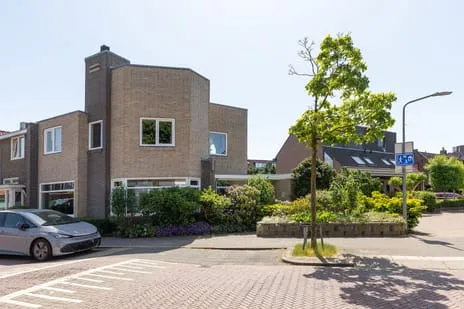
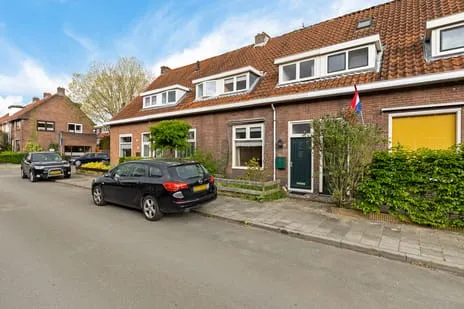
This 1934 terraced house on Pelikaanstraat sits in a lively part of Hilversum. With 88 m² of living space and a 89 m² plot, it's a compact home with a distinctly pre-war feel. The energy label is G, so heating costs will be noticeable. At €350,000, the asking price is 24% below the neighbourhood average of €463,000, a keen entry point compared to other terraced houses in Hilversum.
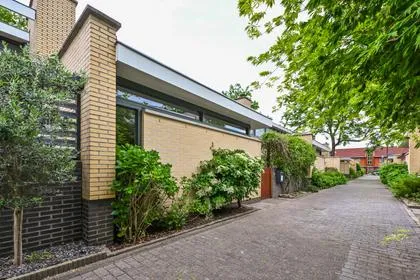
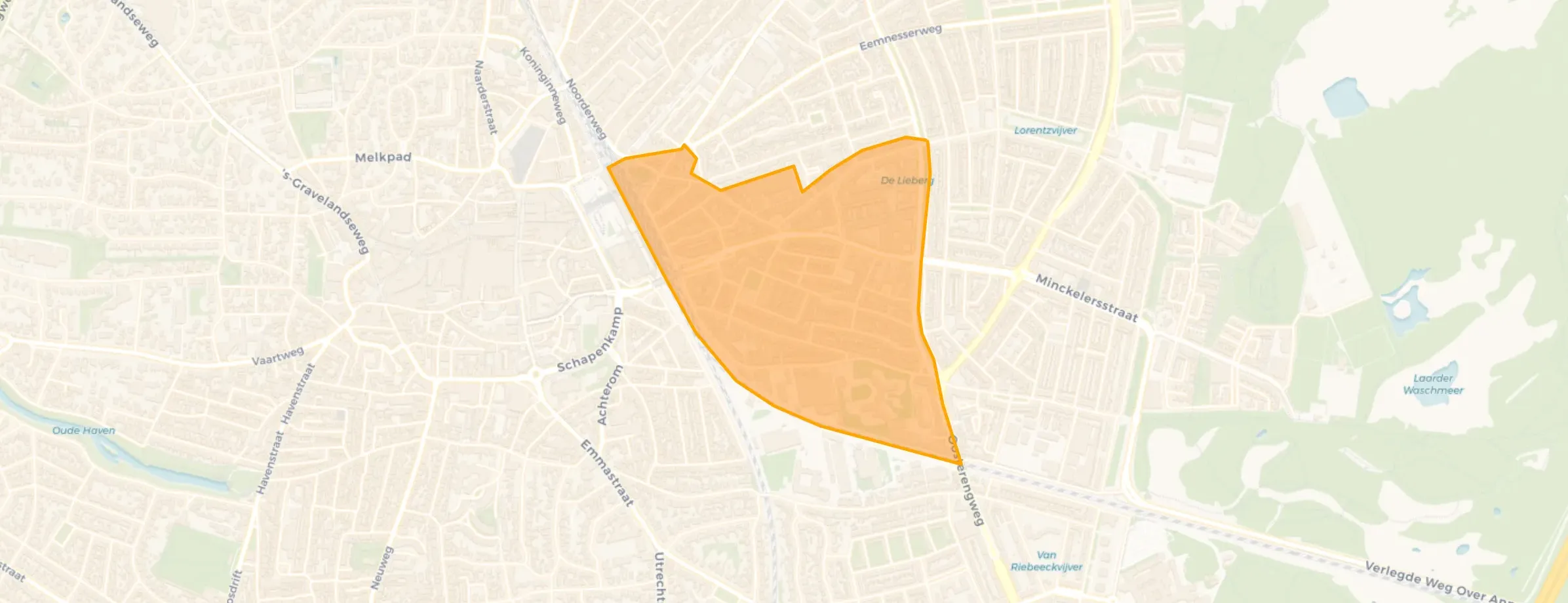
The Kleine Driftbuurt is a dense, urban area with a mix of pre-war and newer homes. It's home to around 4,285 residents, many of them families and young professionals. The neighbourhood has a high address density (4,141 per km²), reflecting its city-centre feel. There are no resident reviews available, but the area is known for its lively streets and proximity to amenities. For more context, see the Kleine Driftbuurt neighbourhood.
Daily errands are easy: a Lidl is just around the corner, and an AH to go is a five-minute walk away. For primary schools, the Nassauschool is a couple of streets away, and De Wilgetoren is within a five-minute walk. Secondary options like Mediaschool and St. Aloysius College are also close by. The train station is a ten-minute walk, and the city centre is within easy reach. For more on the wider area, see the municipality of Hilversum.
At the time of writing the home is listed only via Buijs Regiomakelaars 't Gooi.
Details of this home

Pelikaanstraat 15, Hilversum
Data from Kleine Driftbuurt
Data from Kleine Driftbuurt
26 within 5 km



61 within 5 km
About Pelikaanstraat 15, Hilversum
The asking price of €350,000 is 24% below the average asking price in the Kleine Driftbuurt (€463,000). Given the compact size (88 m²) and the G energy label, the price is in line with what you'd expect for a pre-war terraced house that needs attention. Comparable homes in the area have sold for around €417,000 on average, so this is on the lower end.
A G label is the least efficient rating, meaning the home will have high heating costs, especially in winter. The house was built in 1934 and likely has single glazing and poor insulation. You should expect significant energy bills compared to a modern home. The neighbourhood has a mix of labels, with about 32% of homes rated A or better, so this one is at the opposite end.
The Kleine Driftbuurt has a good mix of families and young adults. Around 700 households have children, and there are several primary schools within walking distance, like Nassauschool (407 m) and De Wilgetoren (525 m). The area is urban and busy, with a high address density, so it's not a quiet suburban street but offers plenty of amenities nearby.
Hilversum train station is 1 km away, about a ten-minute walk. The neighbourhood is well-served by bus routes, but exact lines are not provided in the listing.
In the Kleine Driftbuurt, sold homes took an average of 29 days to sell. That's relatively quick, suggesting demand is steady. With 31 homes currently for sale and 39 sold recently, the market is active but not overheated.
The plot is 89 m², but the listing does not specify whether there is a garden. The plot size alone does not guarantee outdoor space.
Pre-war homes like this one (built 1934) often have solid construction but may need updates to insulation, wiring, and plumbing. The G energy label indicates poor energy efficiency. The neighbourhood has 73.5% of homes built before 1945, so many similar properties exist. A structural survey is recommended, but that's general advice.
6 homes in the neighbourhood Kleine Driftbuurt

Buurtje.nl uses cookies to make the site work and to improve it. In doing so, we process data such as your IP address and the pages you visit.
We use this data for three purposes: running the website (functional), measuring visits so we can improve Buurtje.nl (analytics), and — if you allow it — tailoring ads to your interests (marketing).
How we handle your data is described in our privacy policy. You can change your preferences at any time via 'Cookie preferences' at the bottom of every page.
Choose per category which cookies we may place. Read more in our privacy policy.