Under offer
Leliegracht en omgeving, Amsterdam
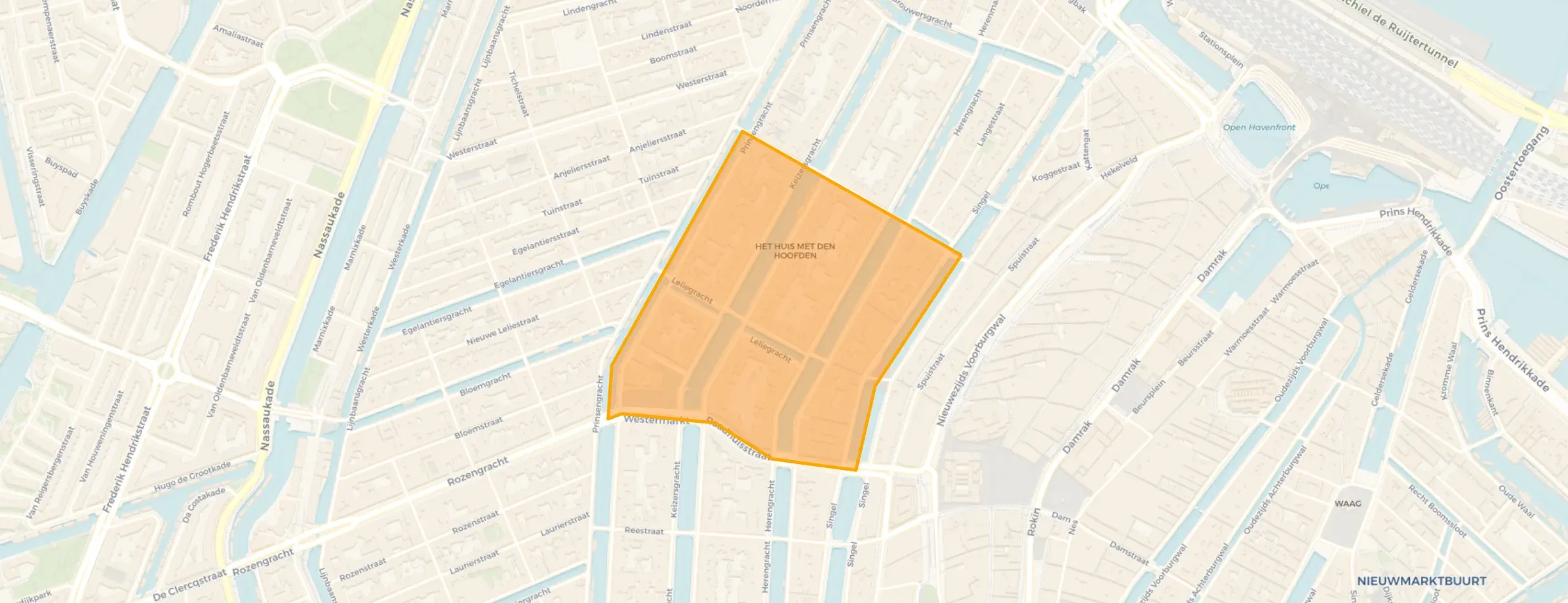 Neighbourhood
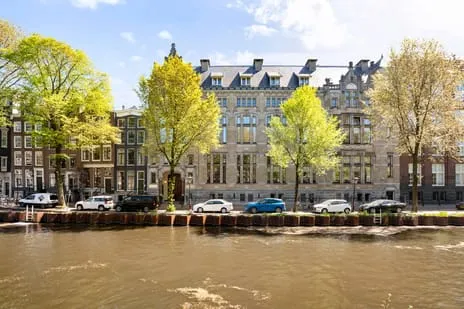
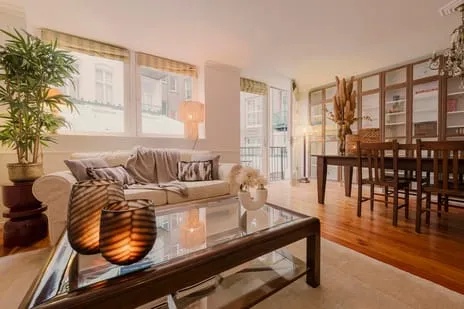
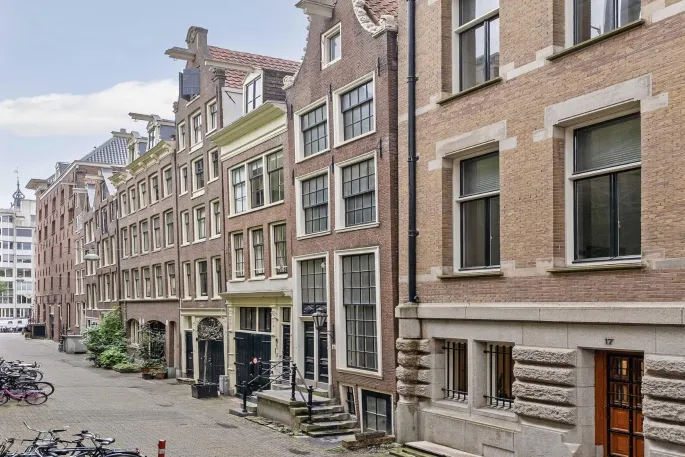
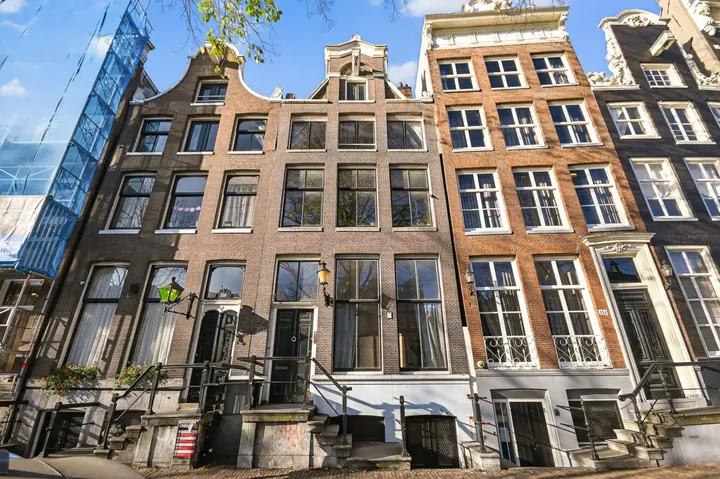
This 17th-century apartment on the Keizersgracht is a piece of Amsterdam history. With 182 m² of living space, it is 44% larger than the average home in the neighbourhood. The energy label G means heating costs will be high, but the character of a 1620 building is hard to beat. At €1,410,000, the price is in line with the market, given the size and location. For context, the average price per m² in the area is €13,231, and the median price is €975,000. See more apartments in Amsterdam.
The neighbourhood Leliegracht e.o. is one of Amsterdam's most iconic neighbourhoods. With 1,875 residents and a very high address density (10,993 per km²), it is intensely urban. Most homes were built before 1945 (95%), and the area is dominated by single-person households (840 out of 1,275). There are no resident reviews available for this neighbourhood, but the figures speak for themselves: a mix of historic buildings, canals, and a vibrant street life.
For your morning bread, Albert Heijn is just around the corner, and another Albert Heijn is a couple of streets away. Jumbo is also within a five-minute walk. Families have several schools nearby: Theo Thijssenschool and de Burght for primary education, and Het Cartesius Lyceum for secondary. The municipality Amsterdam offers all the cultural and practical amenities you would expect from the capital.
At the time of writing, the home is listed via Thoma Post Makelaars and also appears on Funda.
Details of this home

Keizersgracht 154C, Amsterdam
Data from Leliegracht en omgeving
Data from Leliegracht en omgeving
155 within 5 km


221 within 5 km
About Keizersgracht 154C, Amsterdam
The asking price of €1,410,000 is in line with the market. The average price in the neighbourhood is €1,466,161, and the median is €975,000. However, this apartment is 44% larger than the average (182 m² vs 126 m²), so the price per m² (€7,747) is actually below the neighbourhood average of €13,231 per m². Given the size and historic location, the price is reasonable.
Energy label G is the lowest rating, meaning the home is not energy-efficient. You can expect high heating costs, especially in winter. The building dates from 1620, so insulation is likely minimal. In the neighbourhood, 48% of homes have label D or lower, so this is not unusual for a historic property.
The nearest train station is 1.8 km away, which is about a 20-minute walk or a short tram ride. Given the central location, most of the city is easily accessible on foot or by bike.
Leliegracht e.o. has a low proportion of households with children (125 out of 1,275), and the average household size is 1.5. There are primary schools within walking distance (Theo Thijssenschool at 367 m, de Burght at 388 m) and secondary schools nearby. However, the area is very urban and busy, which may not suit all families.
The total number of recorded crimes in the neighbourhood is 271. This is a central, busy area with many tourists and nightlife, so some crime is expected. However, specific crime types are not detailed in the data. It is always wise to check local crime maps for more detail.
Parking in the Grachtengordel is notoriously difficult and expensive. The home is in a historic canal district with limited on-street parking and high permit costs. Many residents rely on public transport or bicycles. The listing does not mention a garage or private parking.
6 homes in the neighbourhood Leliegracht en omgeving

Buurtje.nl uses cookies to make the site work and to improve it. In doing so, we process data such as your IP address and the pages you visit.
We use this data for three purposes: running the website (functional), measuring visits so we can improve Buurtje.nl (analytics), and — if you allow it — tailoring ads to your interests (marketing).
How we handle your data is described in our privacy policy. You can change your preferences at any time via 'Cookie preferences' at the bottom of every page.
Choose per category which cookies we may place. Read more in our privacy policy.