Municipality in Noord-Holland
Amsterdam is located in the province of Noord-Holland The municipality has a total area of 24.365 hectares, of which 18.812 hectares are land and 5.553 hectares are water. The municipality is coded as GM0363. The postcode area is 1011AB-1384MH.
Amsterdam has 934.526 residents. Of these, 49,5% are men and 50,5% are women. Most residents are 25 to 45 years (37,1%). The other age groups are 22,9% for '45 to 65 years', 13,9% for '65 years or older', 13,2% for '15 to 25 years' and 12,9% for '0 to 15 years'. Of the residents, 65,4% is unmarried, 24,1% is married, 8,0% is divorced and 2,5% is widowed. 372.256 residents originate from the Netherlands, 160.251 come from Europe and 402.019 come from countries outside Europe.
There are 516.096 households in Amsterdam. 55,0% of these are single-person households, 22,3% households without children and 22,8% households with children. The average household size is 1,8 persons. The national average is 2,1 persons.
In Amsterdam there are 747.800 income recipients. The average income per income recipient is €49.300, which is €7.100 (17%) higher than the national average of €42.200. Per resident, the average income is €41.000, which is €6.100 (17%) higher than the national average of €34.900. Most residents of Amsterdam are highly educated. 49,7% have a university or higher professional education (HBO/WO), 28,6% have an intermediate education (HAVO, VWO or MBO 2-4) and 21,7% have a lower education (VMBO or MBO 1).
Of the 934.526 residents, around 71% are in paid employment, which amounts to 663.513 people. This is 1% lower than the national average of 72%. The majority of workers are in salaried employment (79%), while 21% are self-employed. In Amsterdam, 21% of residents receive a benefit. The largest group is those receiving a state pension (AOW). 113.870 people receive this benefit.
In Amsterdam there are 486.769 homes with an average assessed value (WOZ) of €518.000. Of these, around 94% are occupied and 6% unoccupied. Most homes are rental properties. This amounts to 69% rental homes and 31% owner-occupied homes. Of the homes, 31% privately owned, 39% owned by housing associations and 30% owned by other landlords. The most common construction periods in Amsterdam are 1900-1925 (14%) and 1950-1970 (14%).
There are currently 1.400 homes for sale in Amsterdam. The most recently listed home is Prinsengracht 618D by Ankersmit Makelaars Amsterdam. Over the past year, 5.964 homes were sold in Amsterdam. On average, a home was sold within 38 days.
The average asking price for a home for sale in Amsterdam over the past year was €740.567. This is 43% higher than the average assessed value (WOZ) of €518.000. The average asking price per m² of plot is €8.713.
There are 1.607 homes for rent in Amsterdam. The most recent home is Sarphatistraat 24A, offered by Carla van den Brink B.V. op Funda. Over the past year, 9.577 homes were let in Amsterdam.
The average rent for a rental home in Amsterdam over the past year was €2.716 per month. Per m² of plot area that is €27 per month.
In Amsterdam there are 424.441 addresses with a registered energy label. The most common labels are A (29%), C (21%) and B (14%). On average, an address in Amsterdam uses 1.890 kWh of electricity per year. This is 26% below the national average of 2.550 kWh. With an annual consumption of 580 m³ per address, natural gas consumption is 28% below the national average of 800 m³.


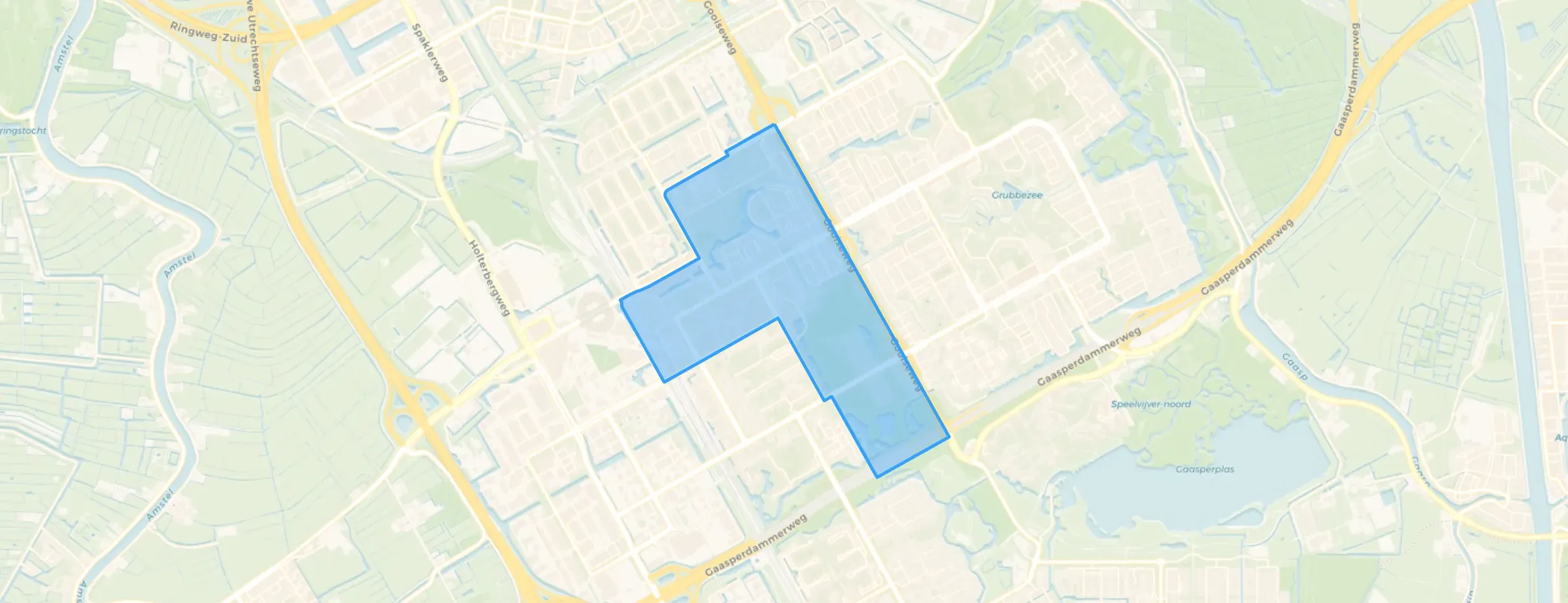
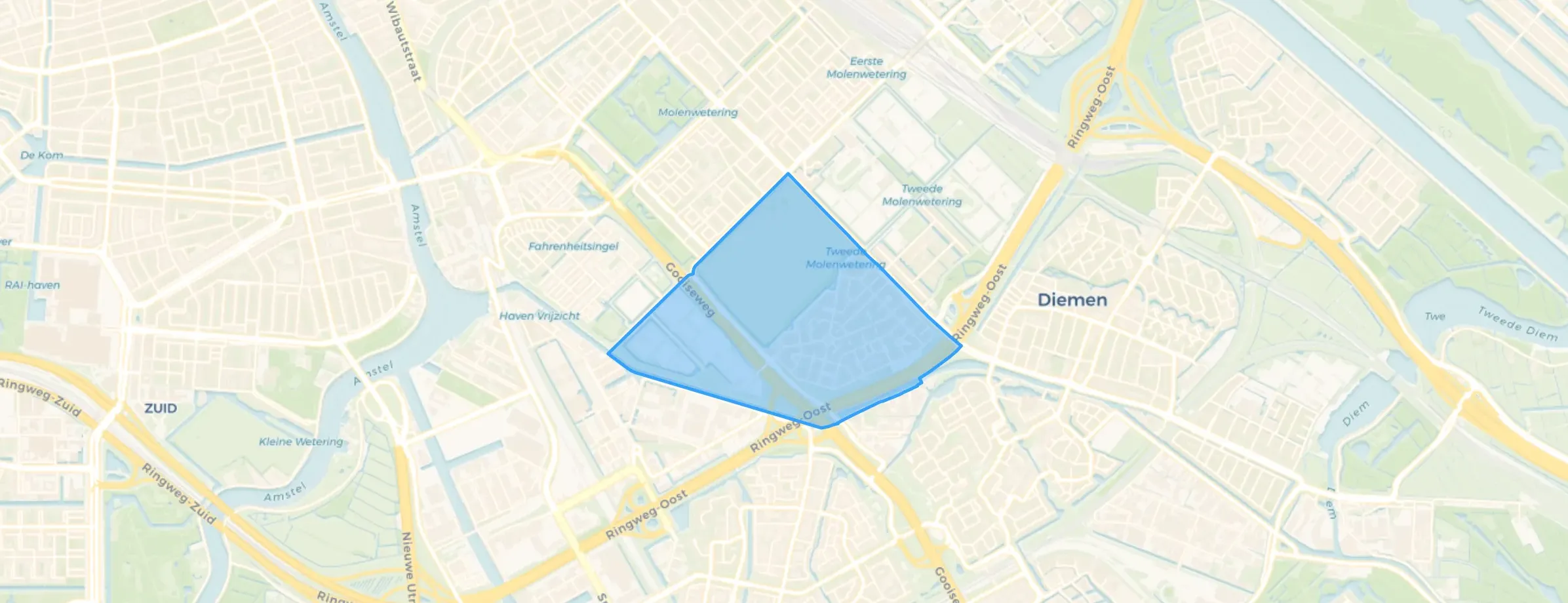

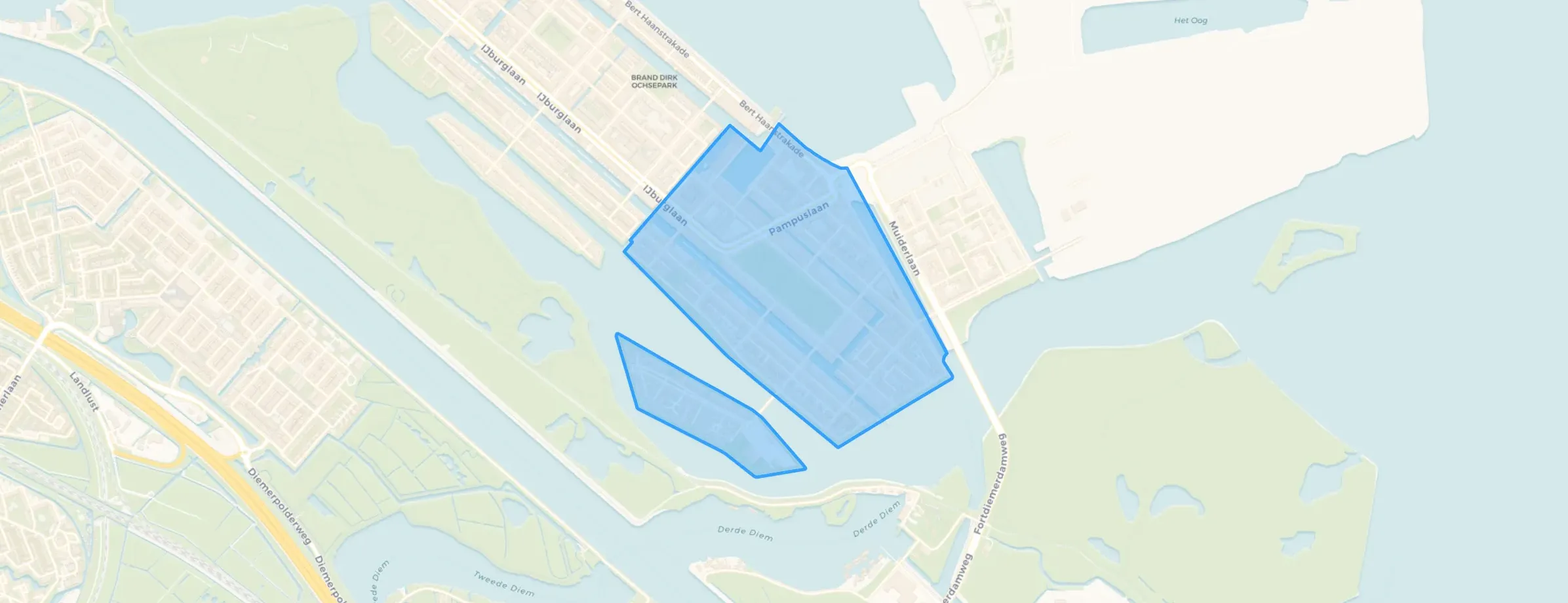
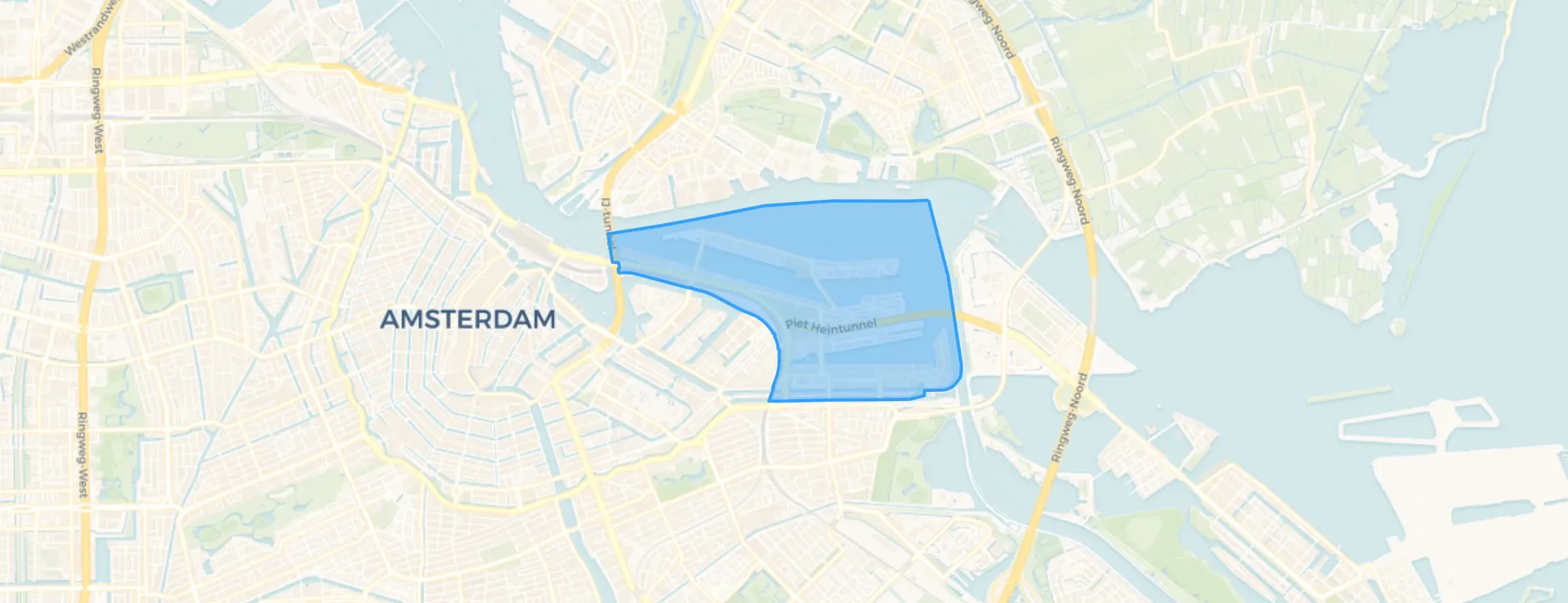
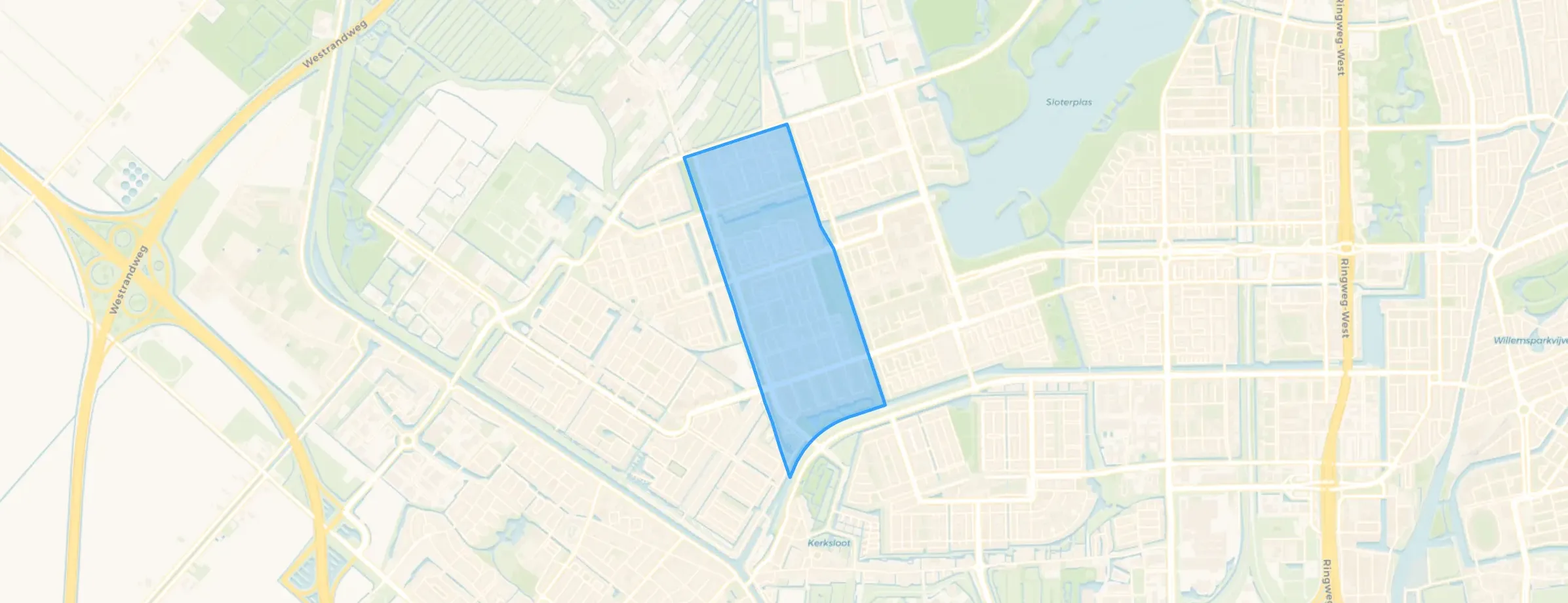

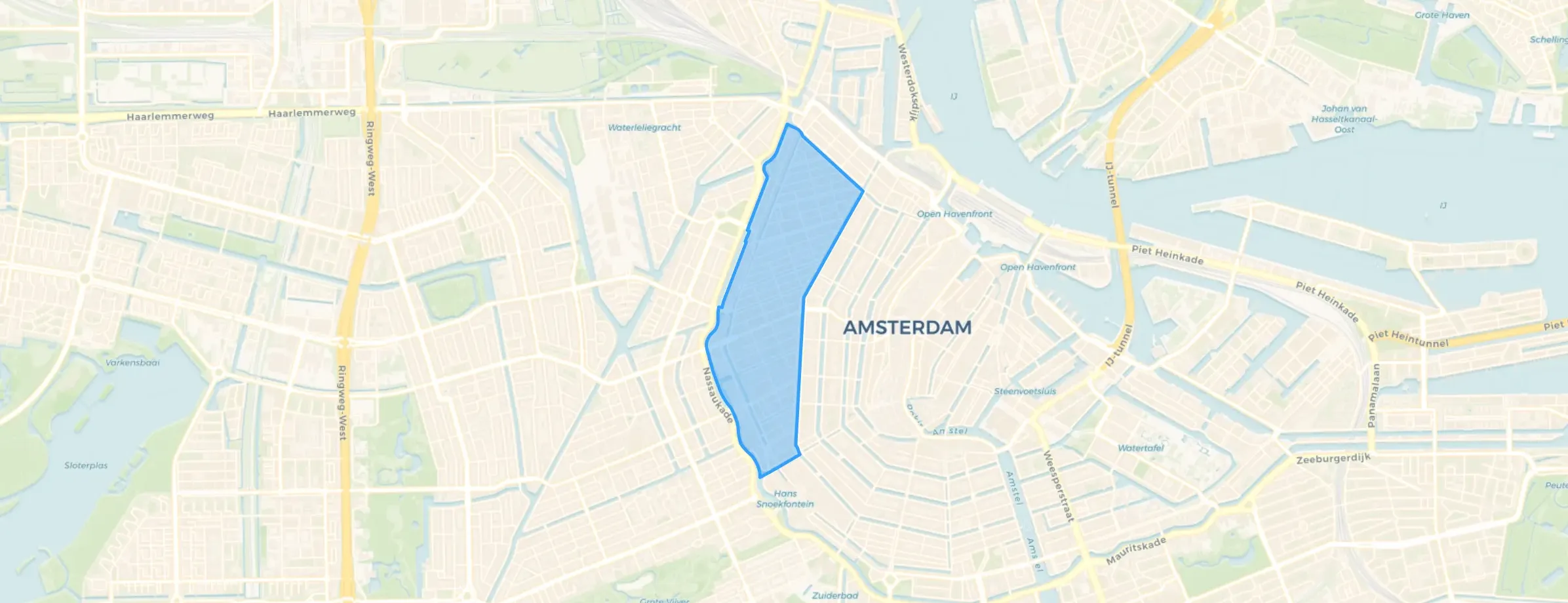



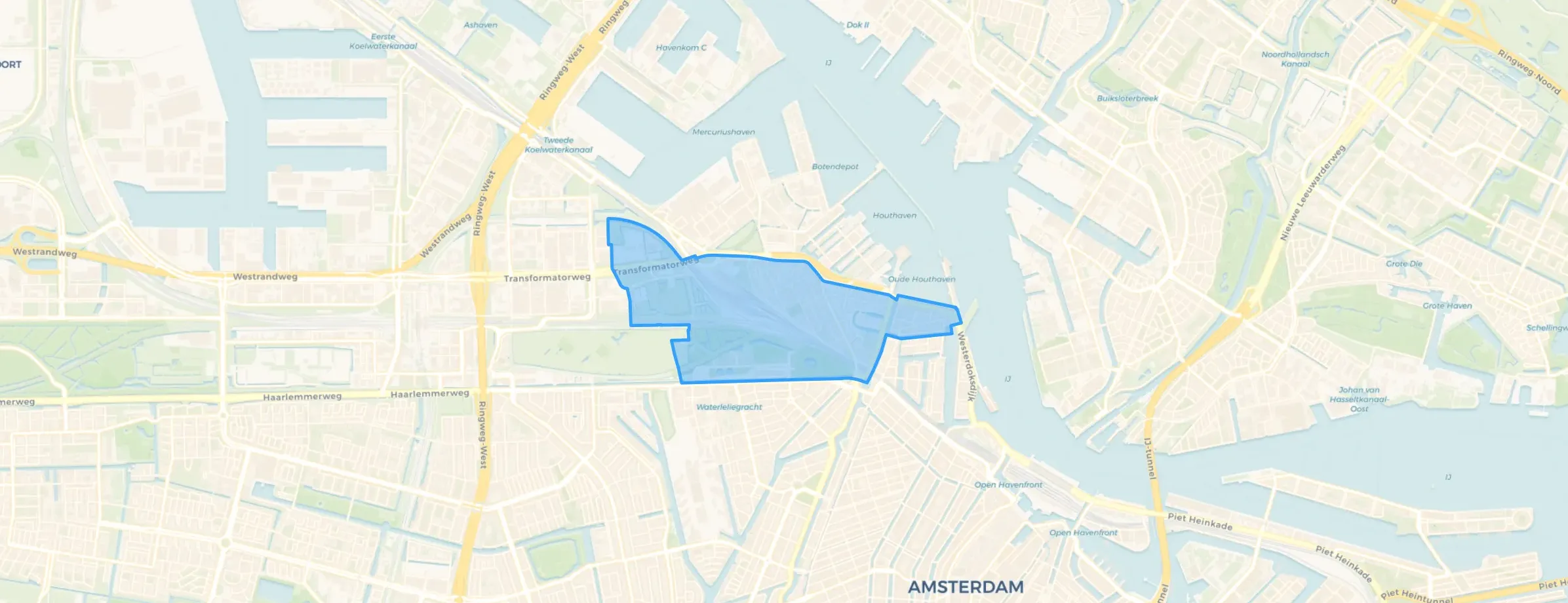
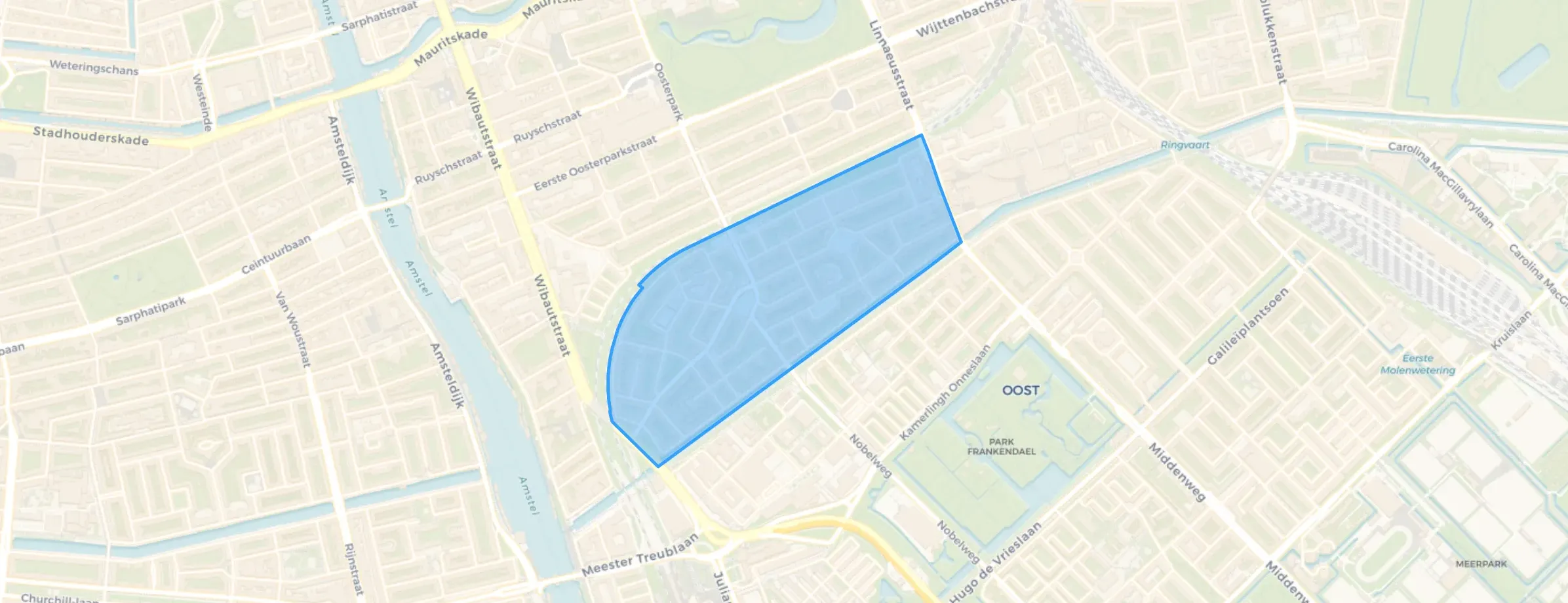
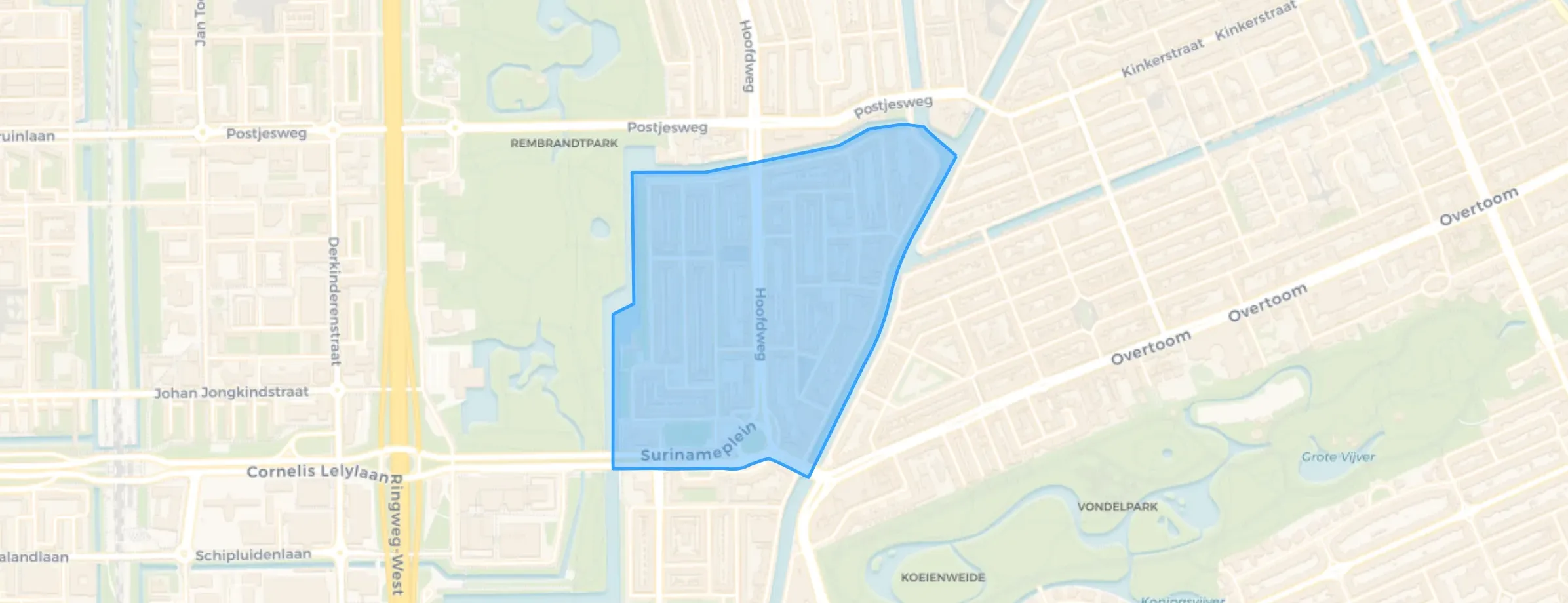
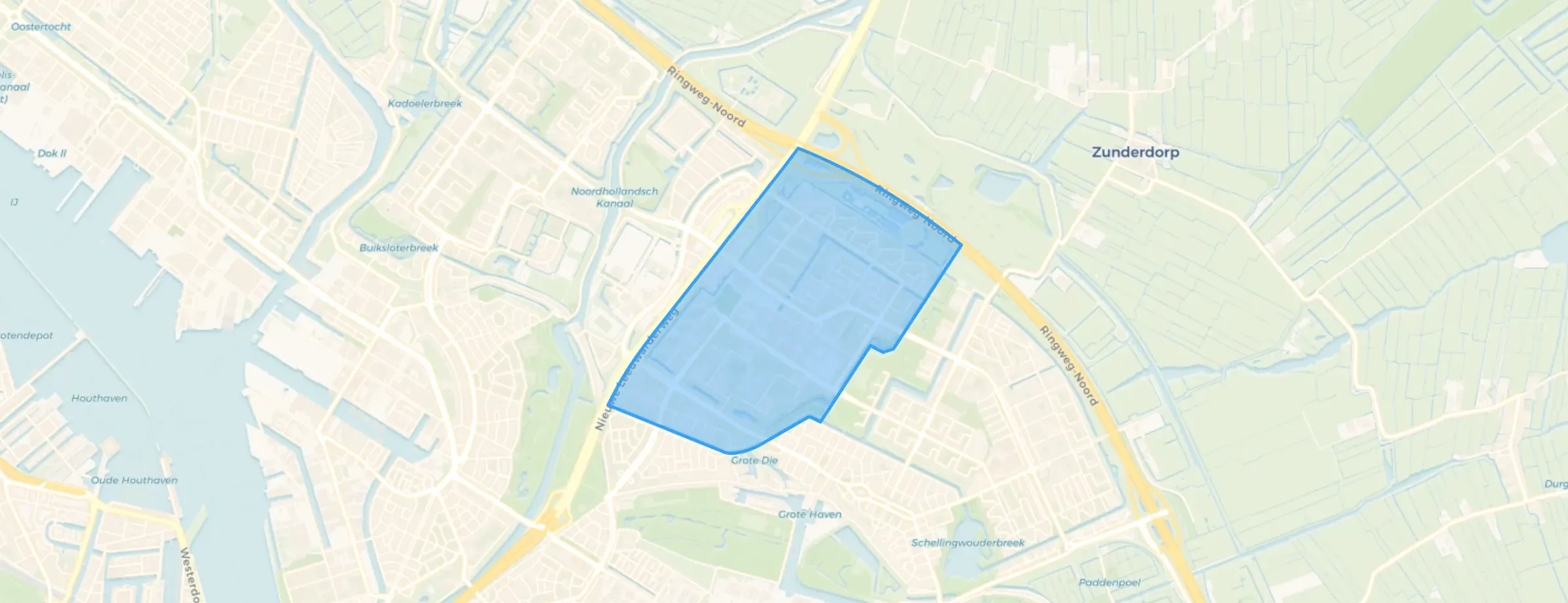
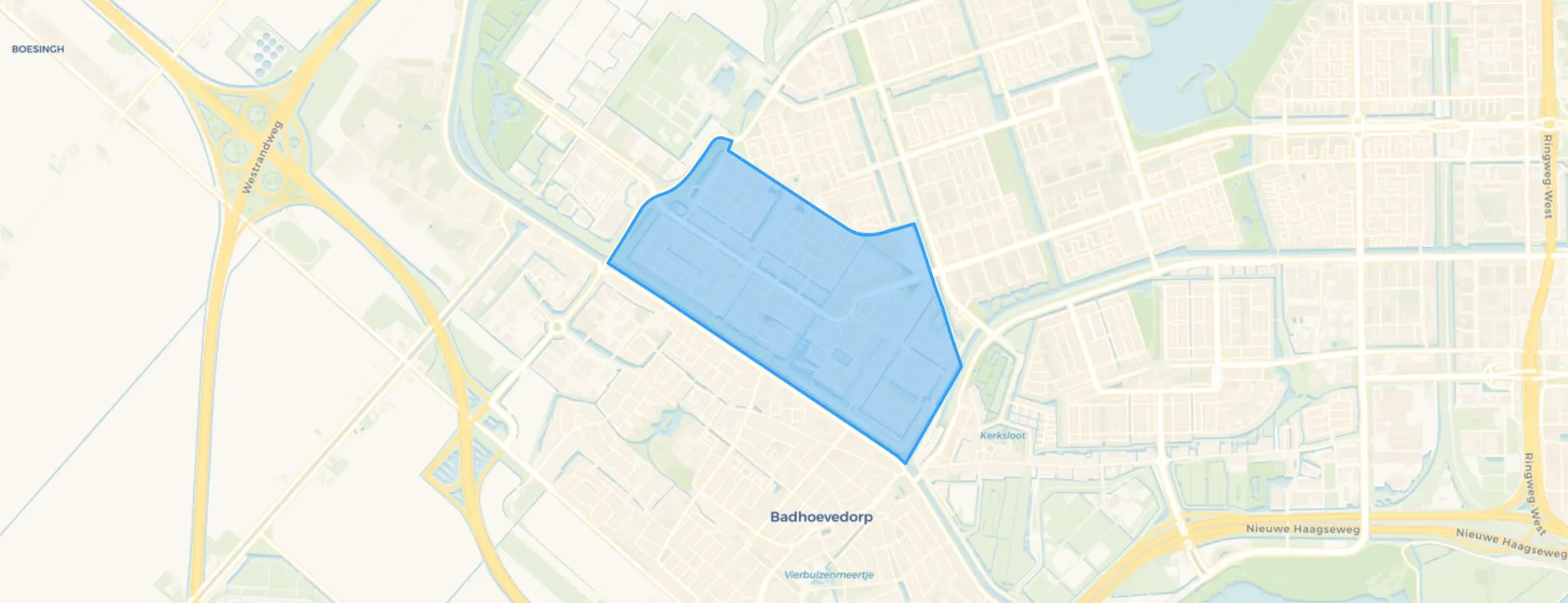
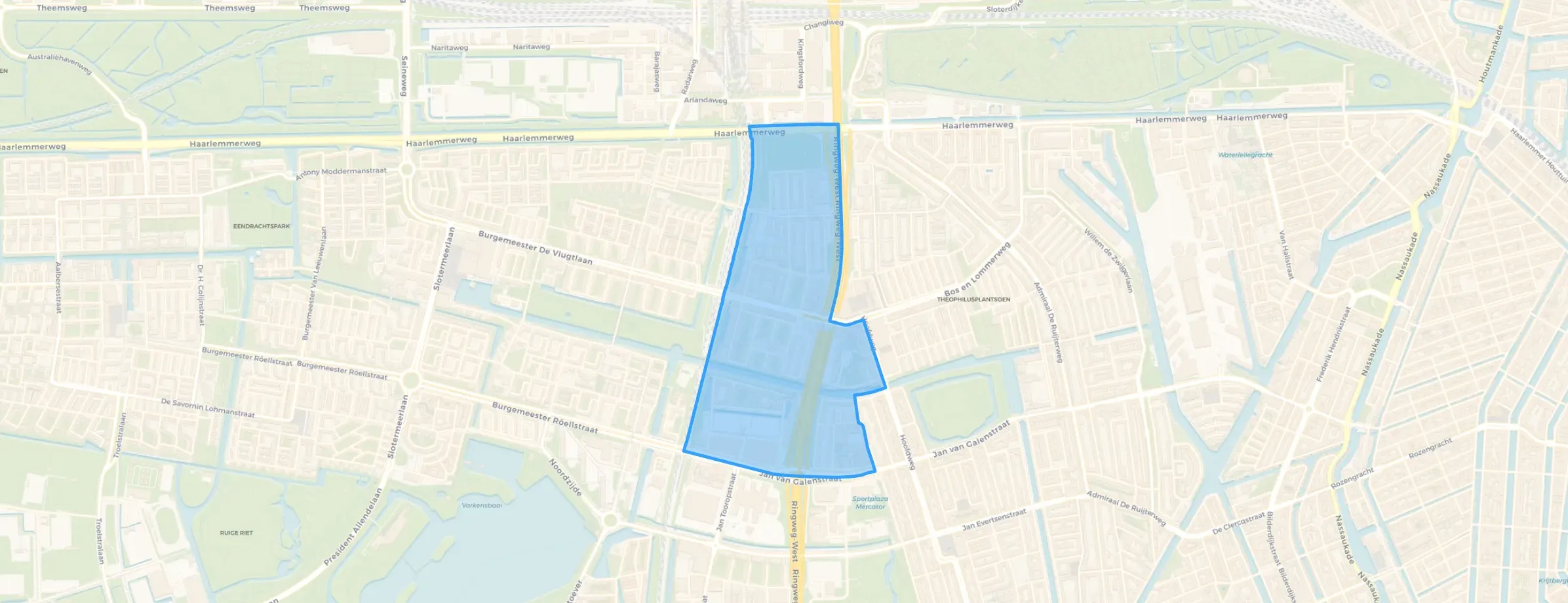
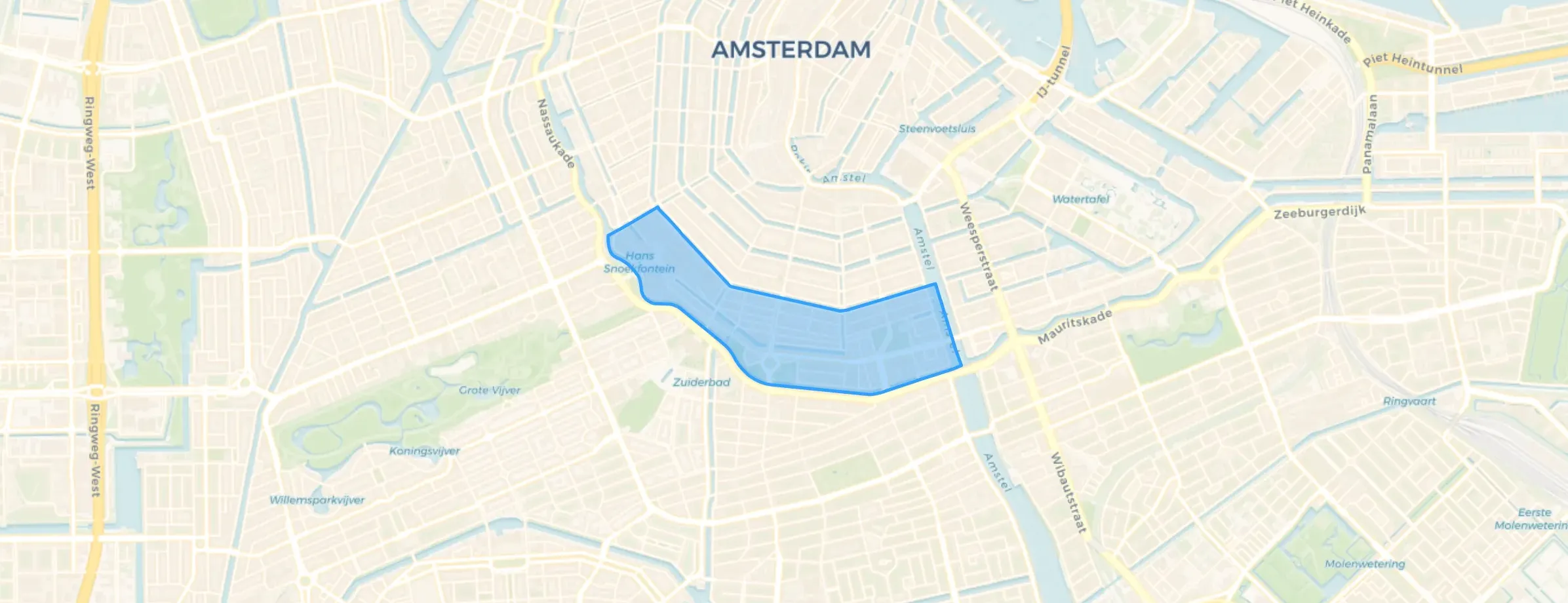
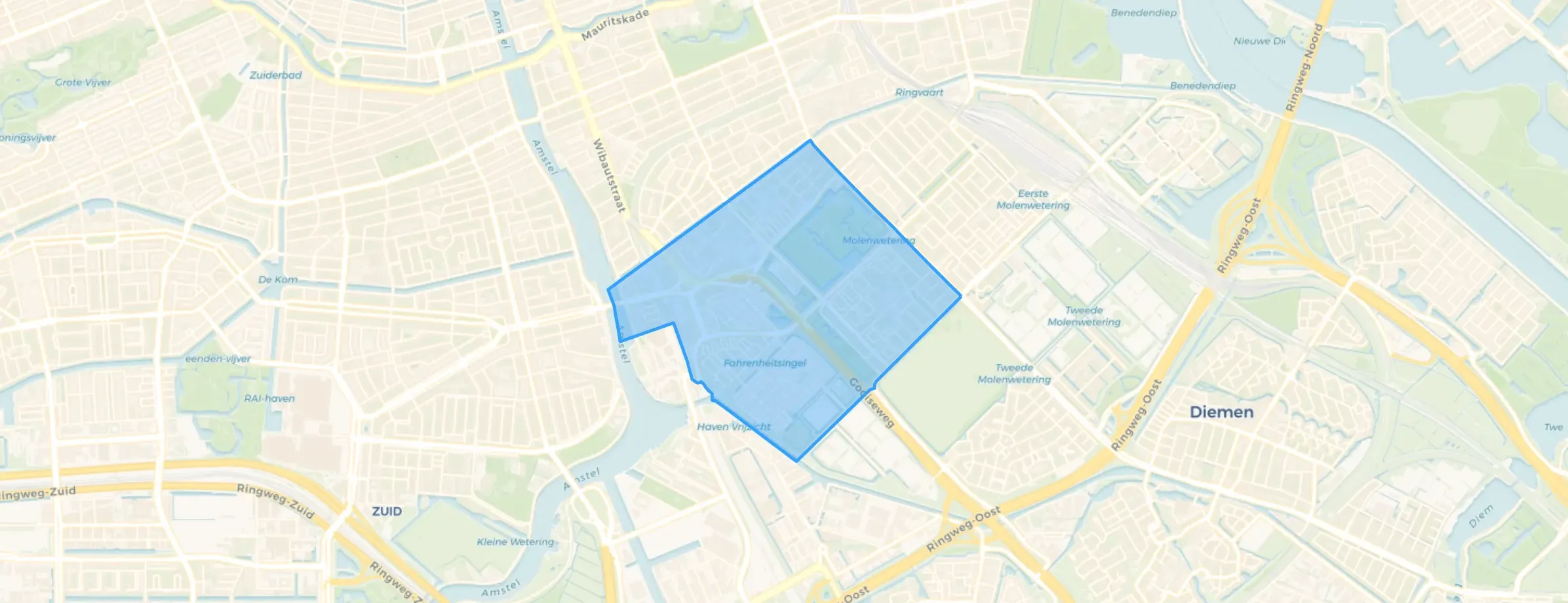
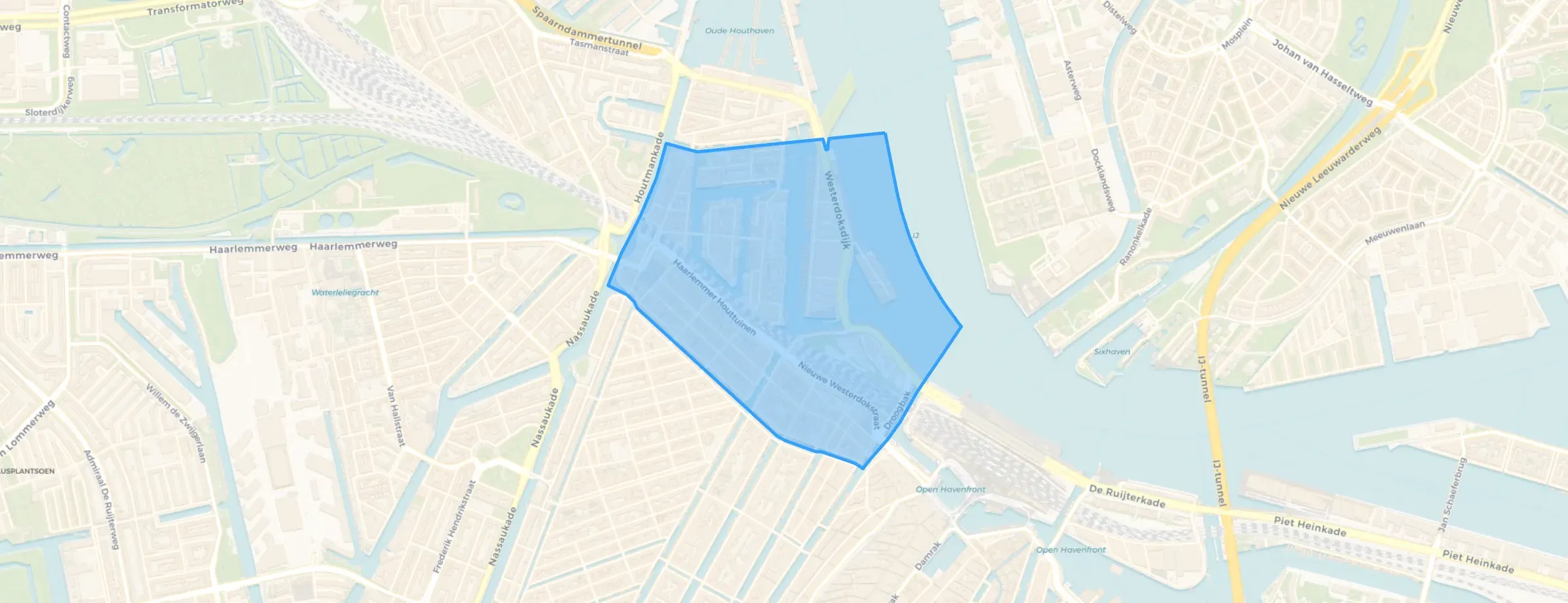
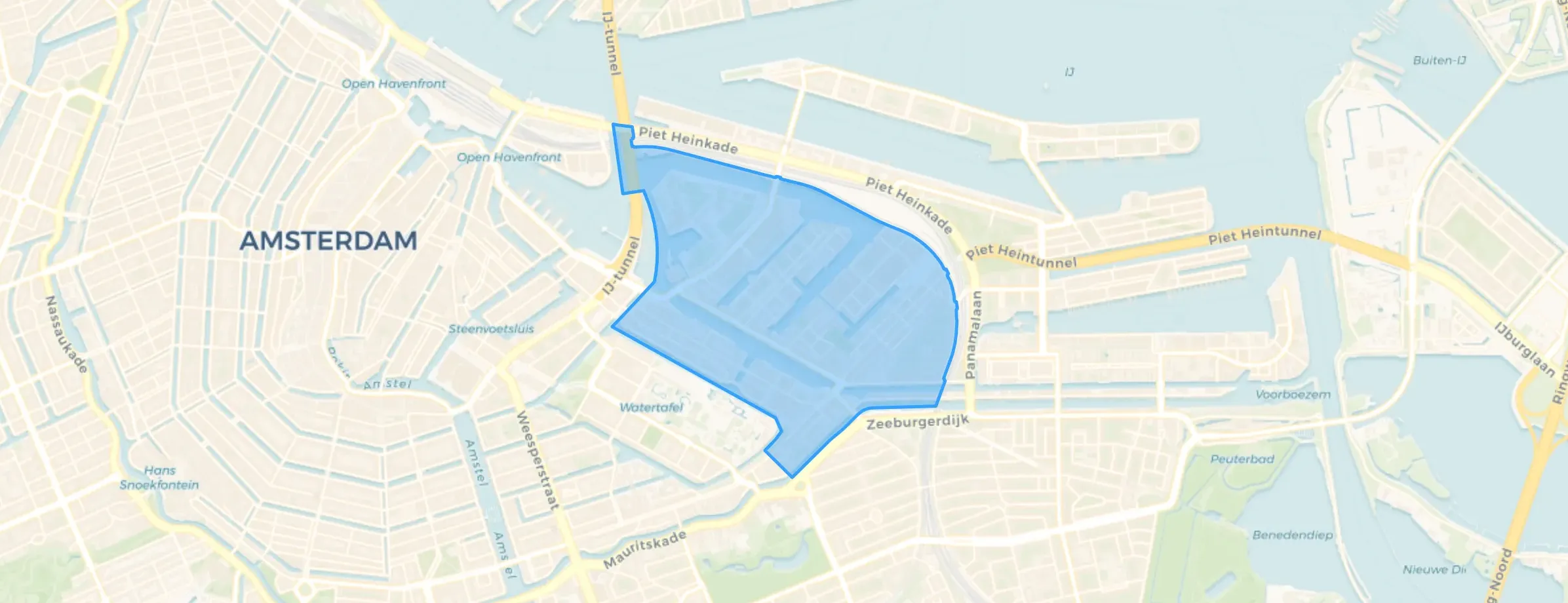
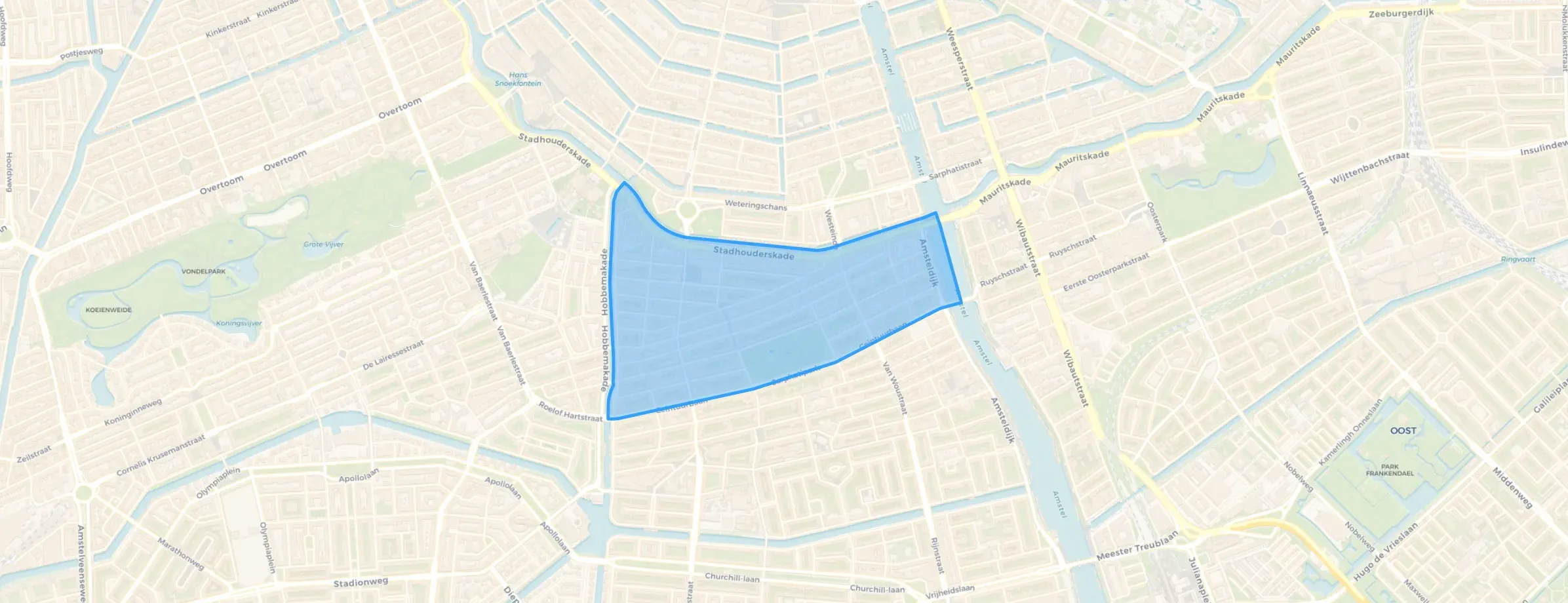
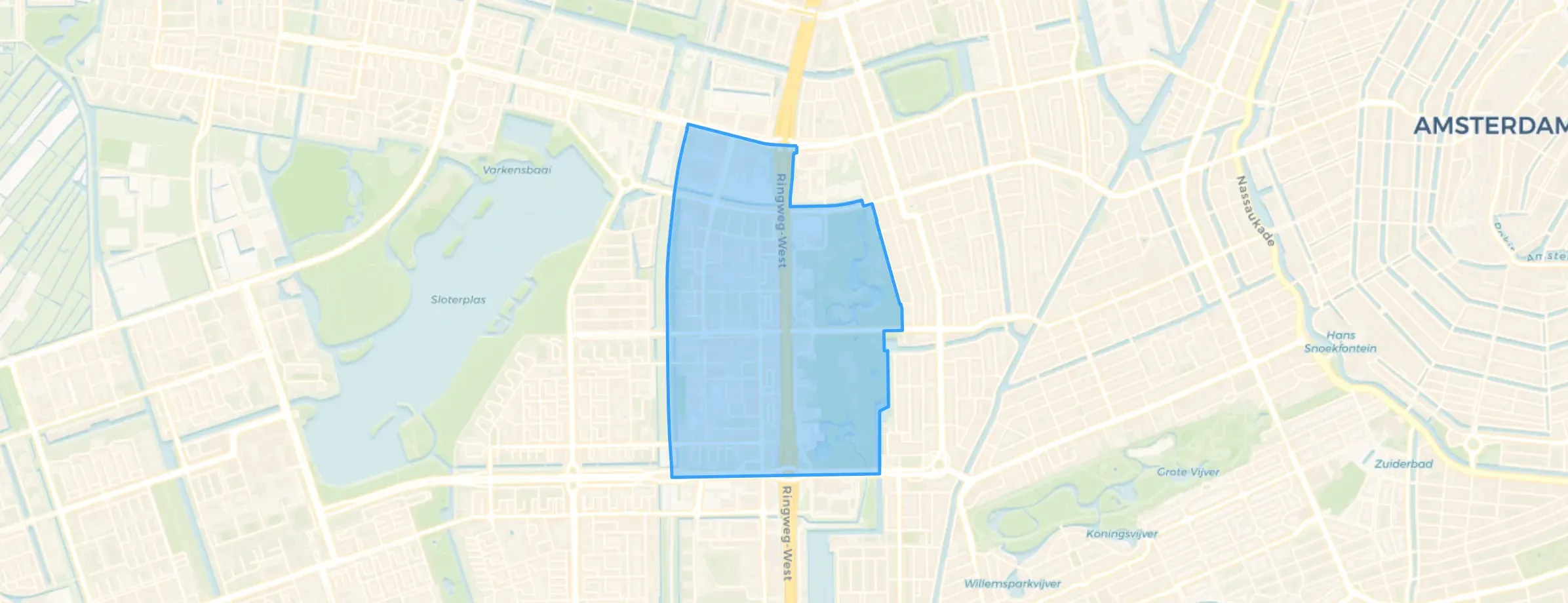
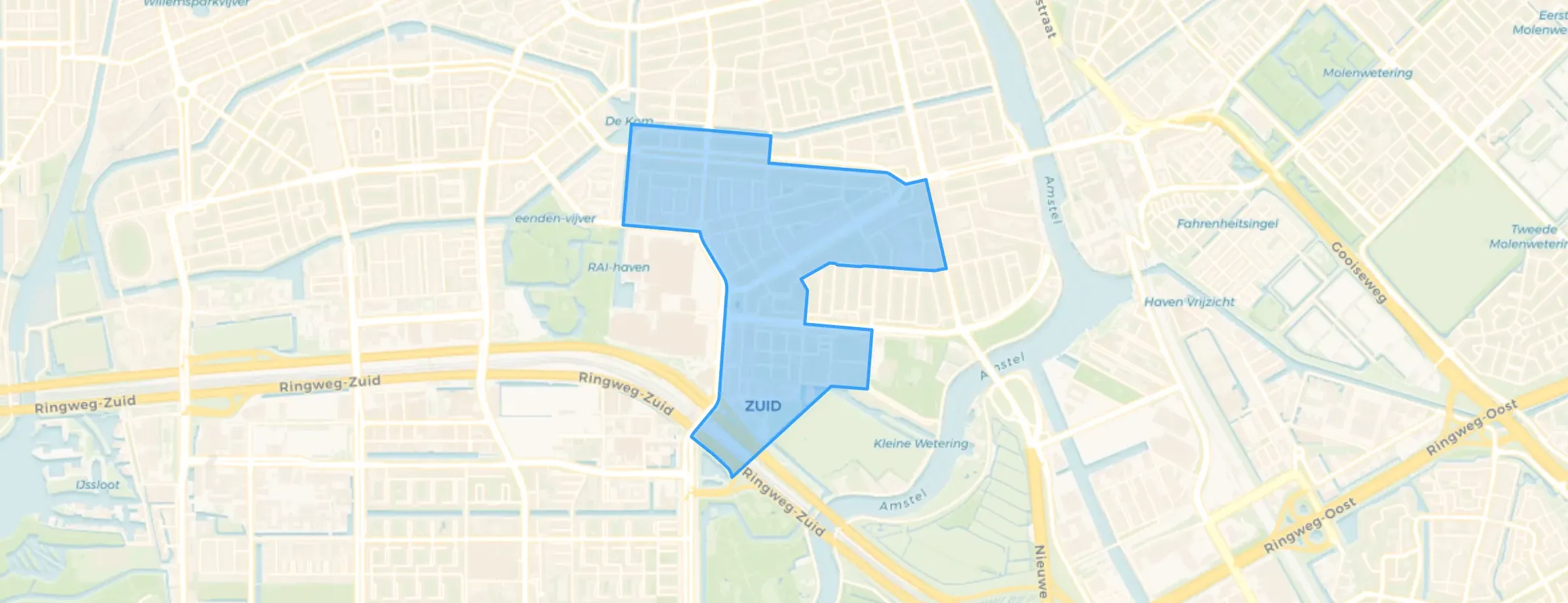
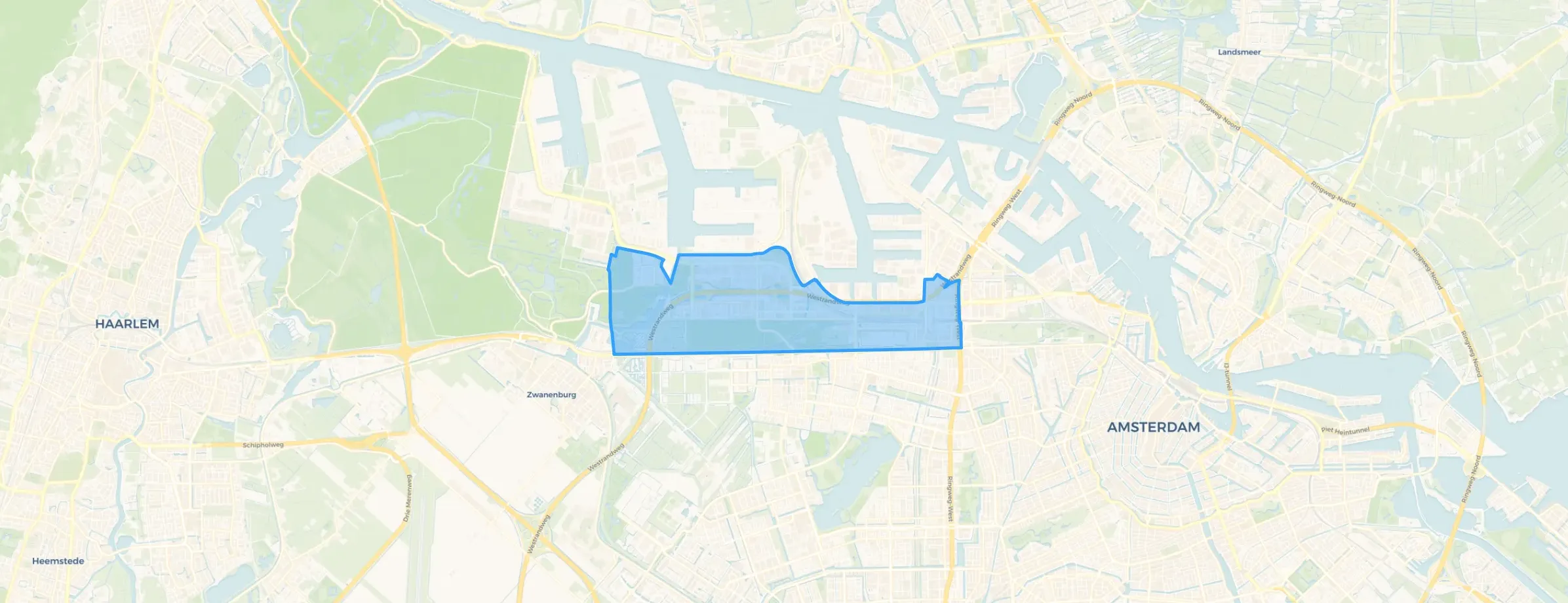
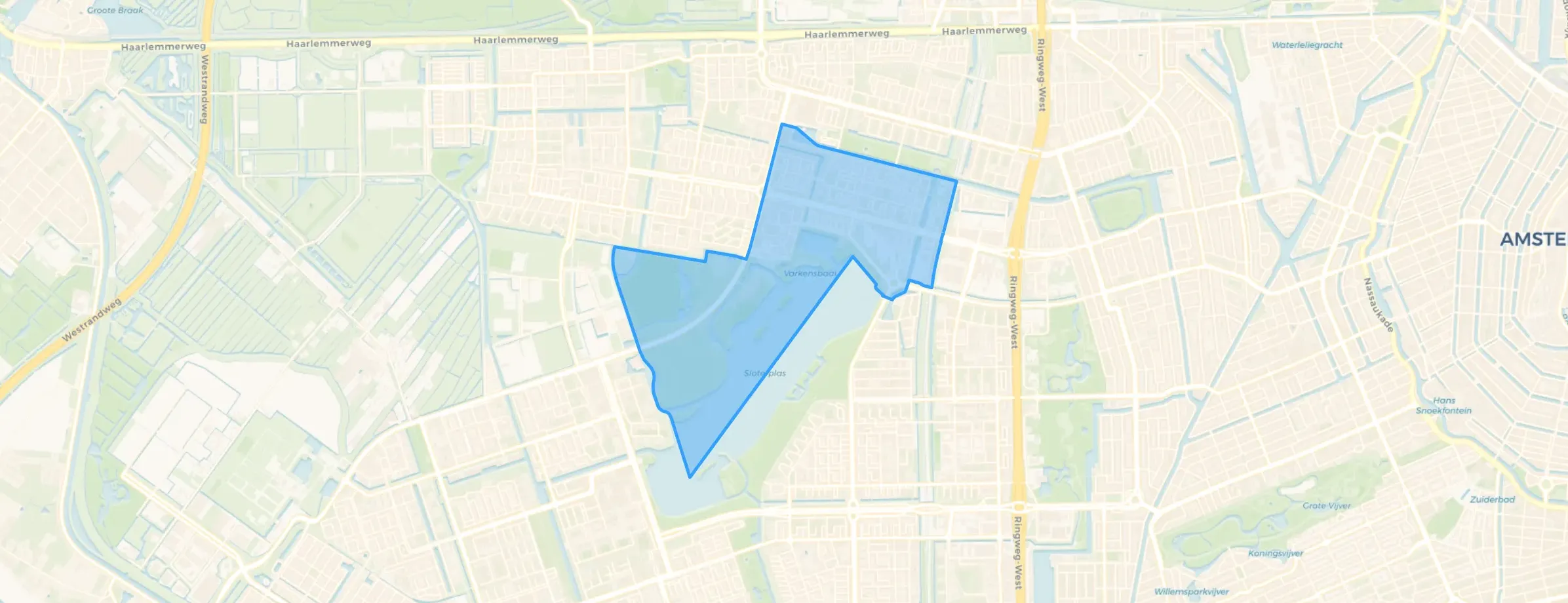
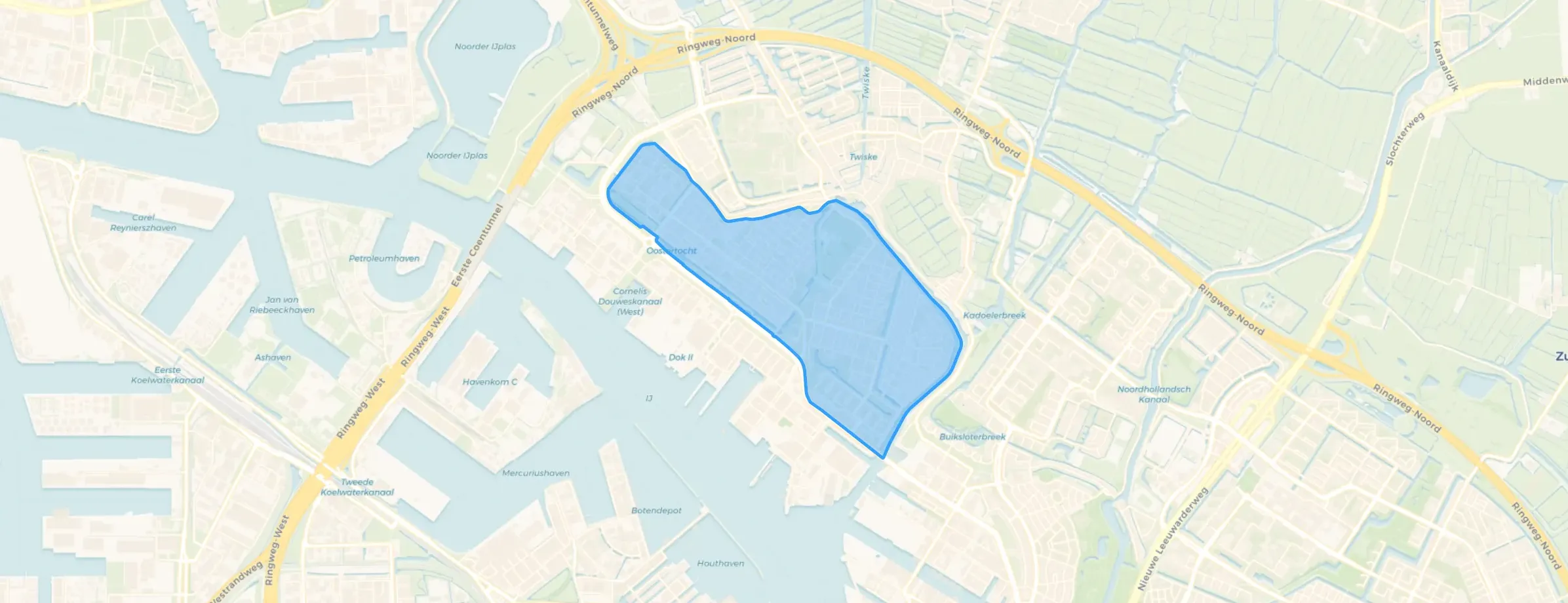
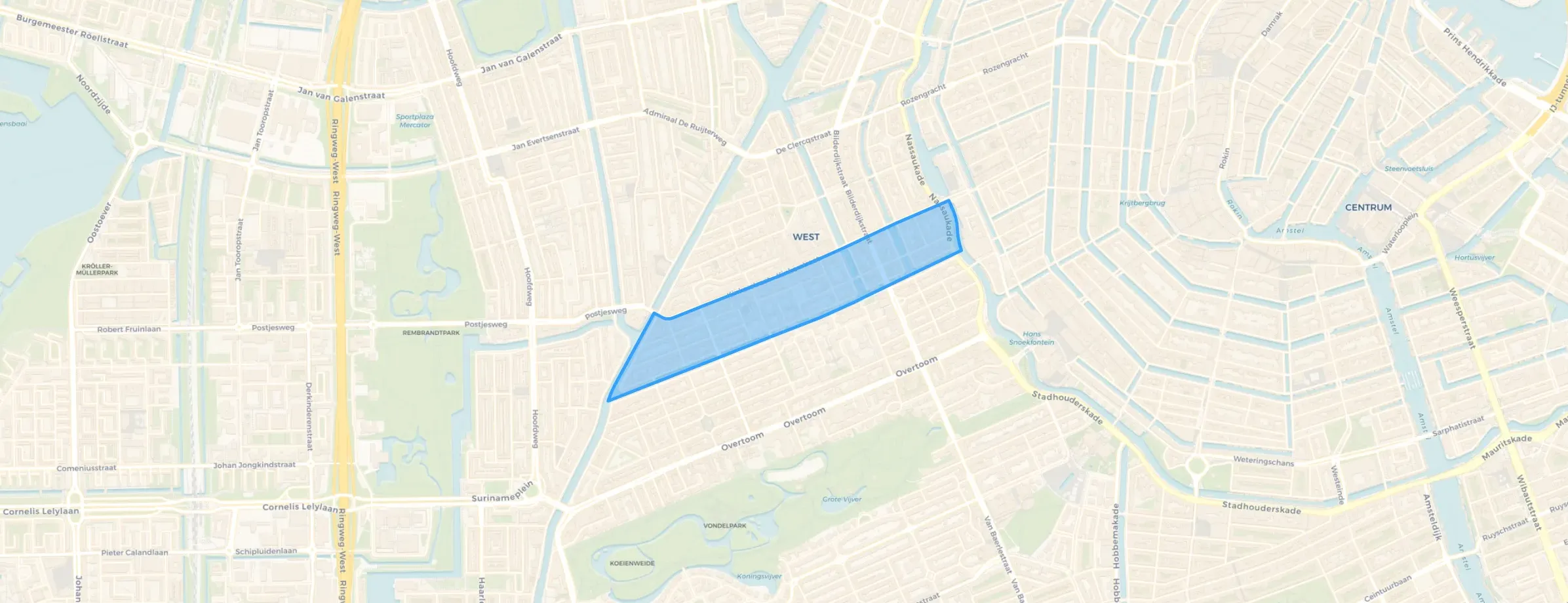
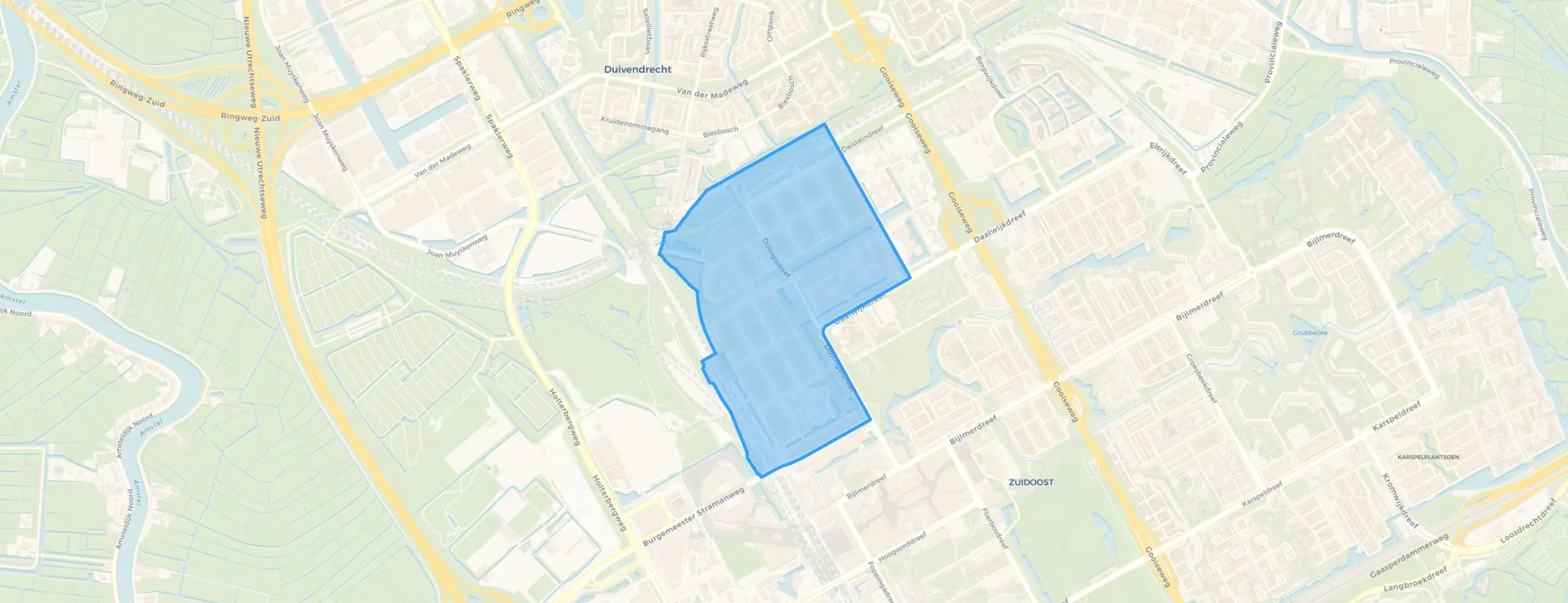
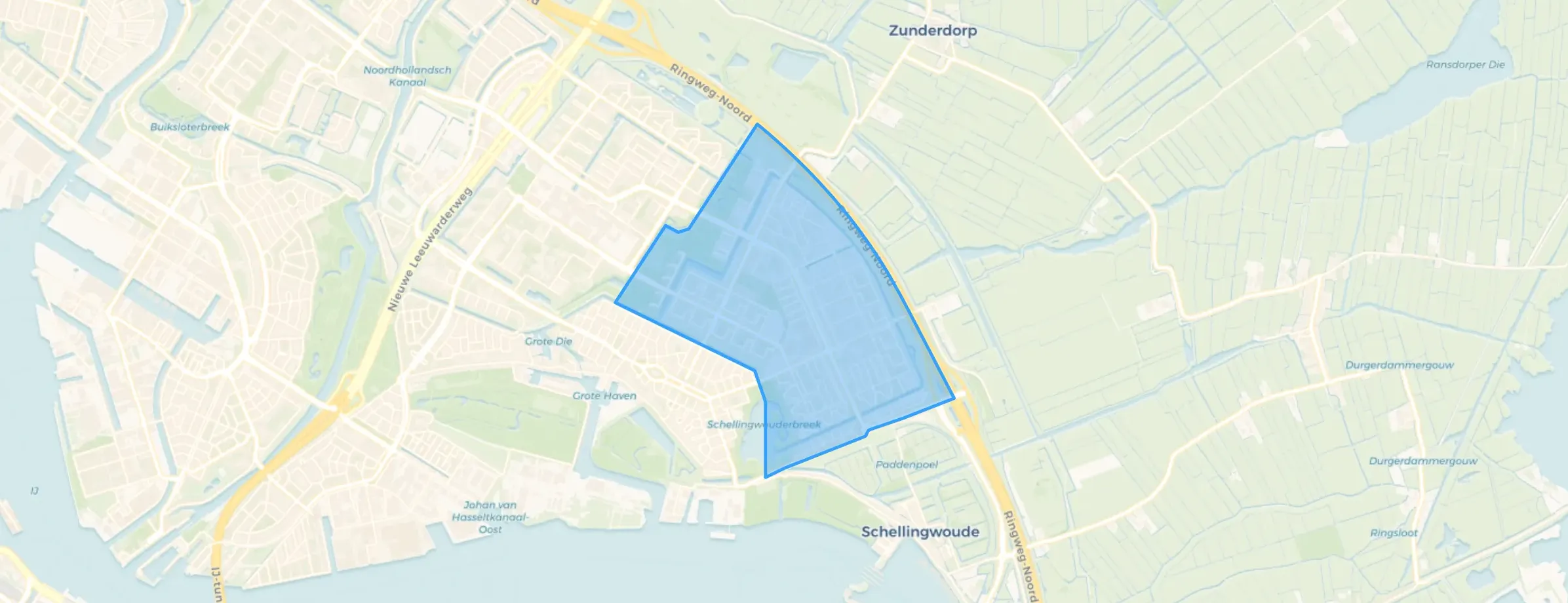
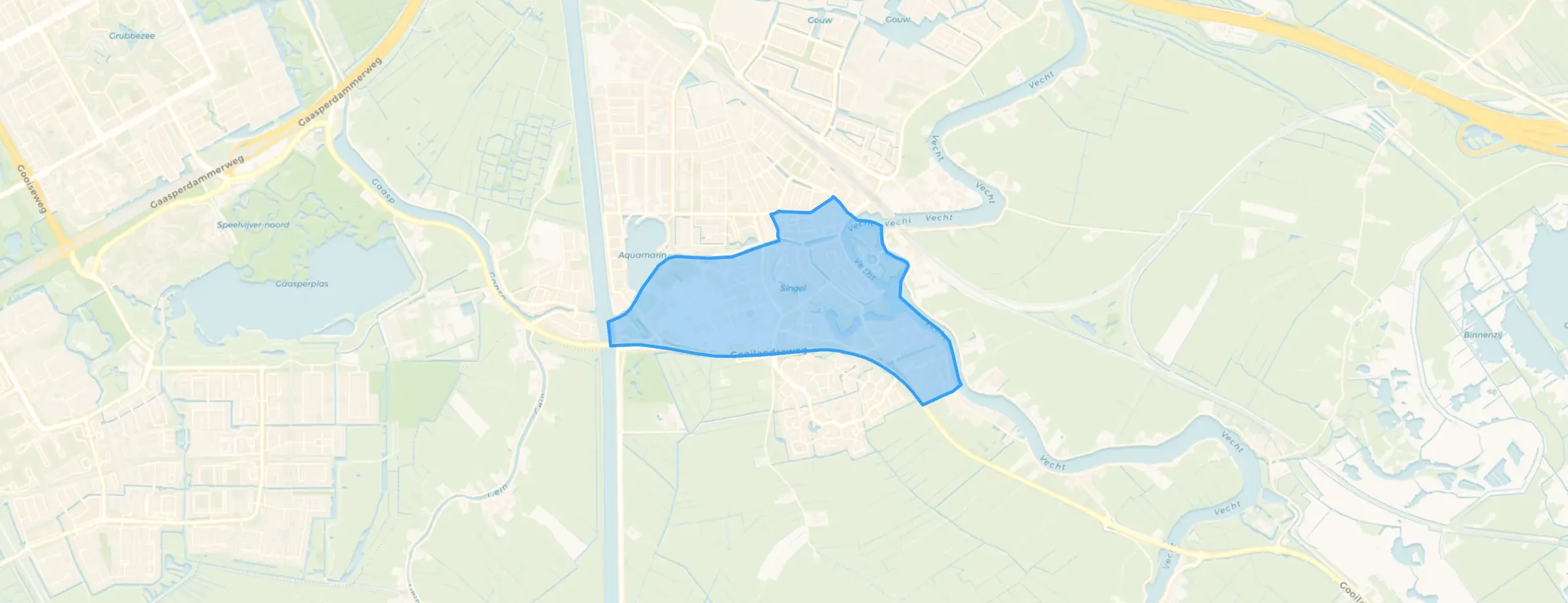
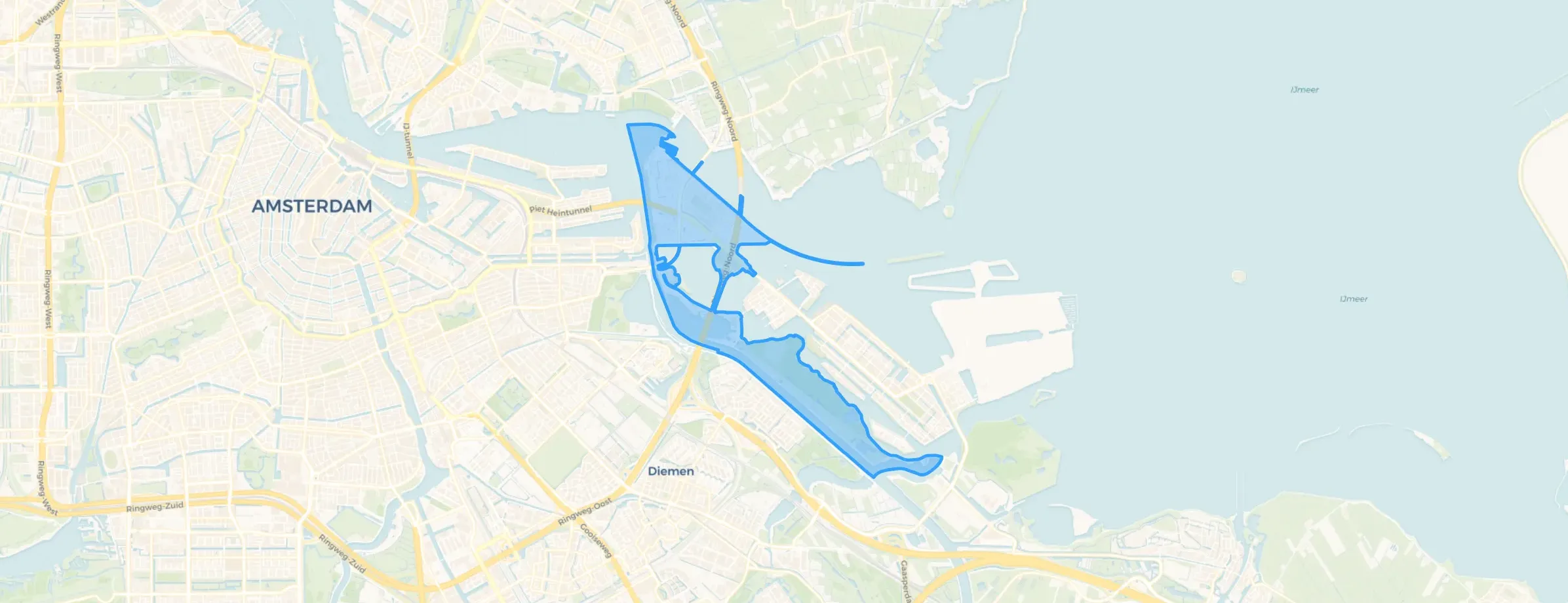
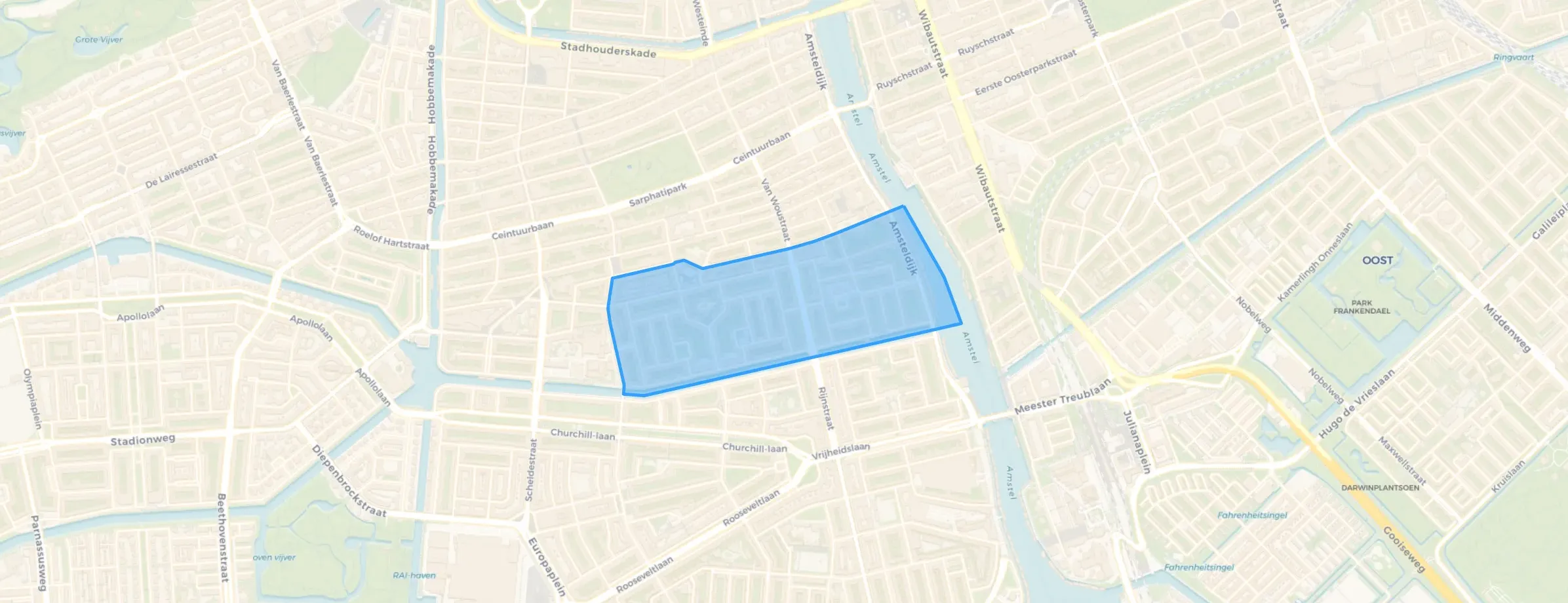
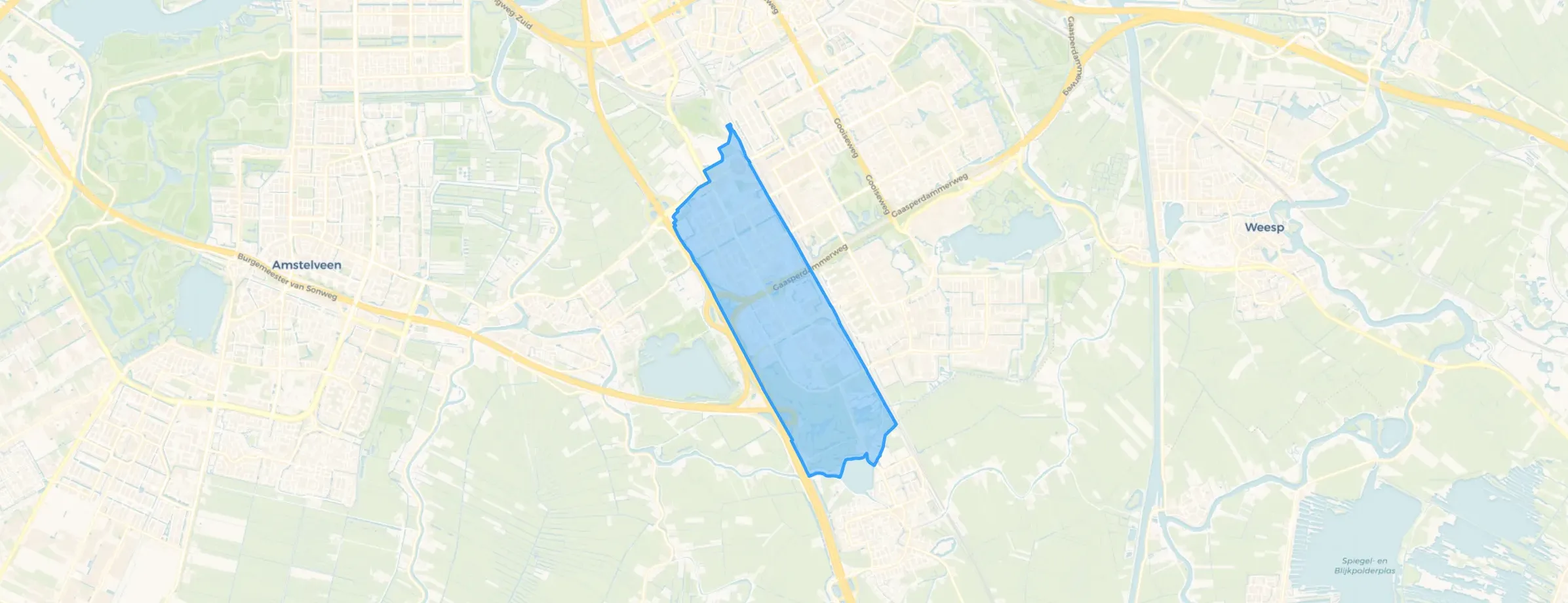
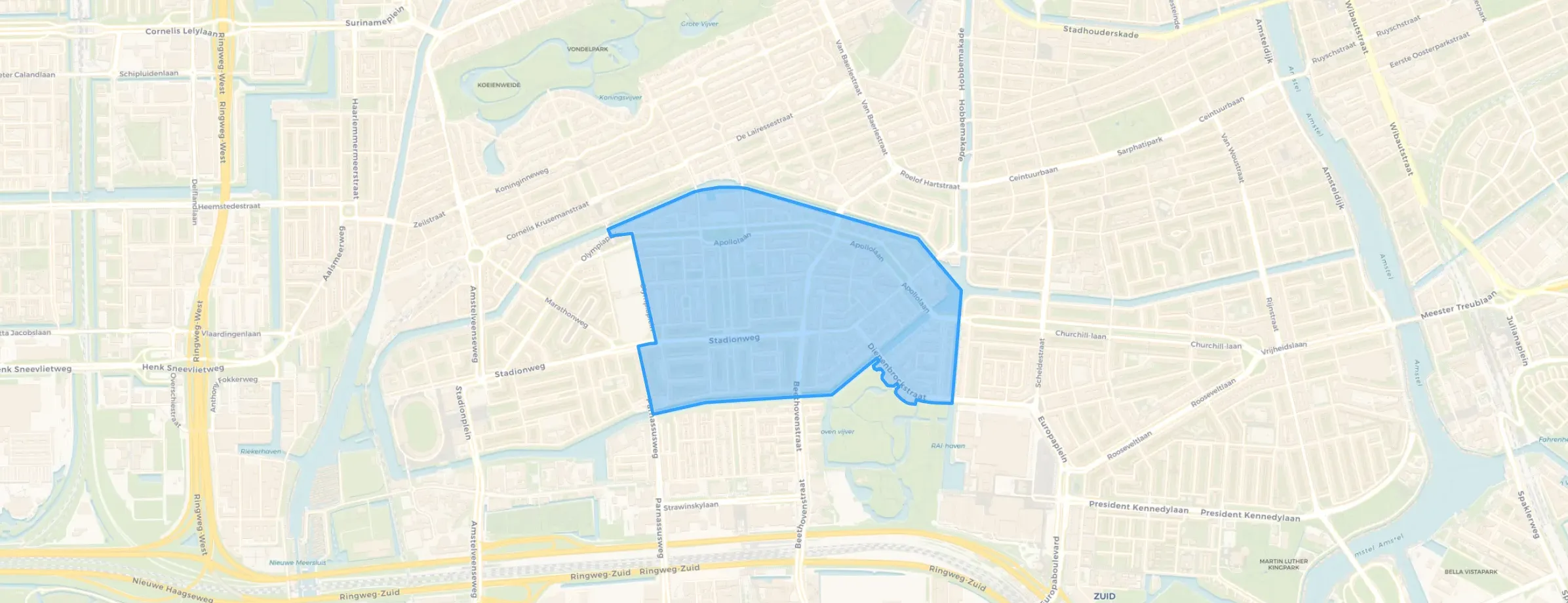
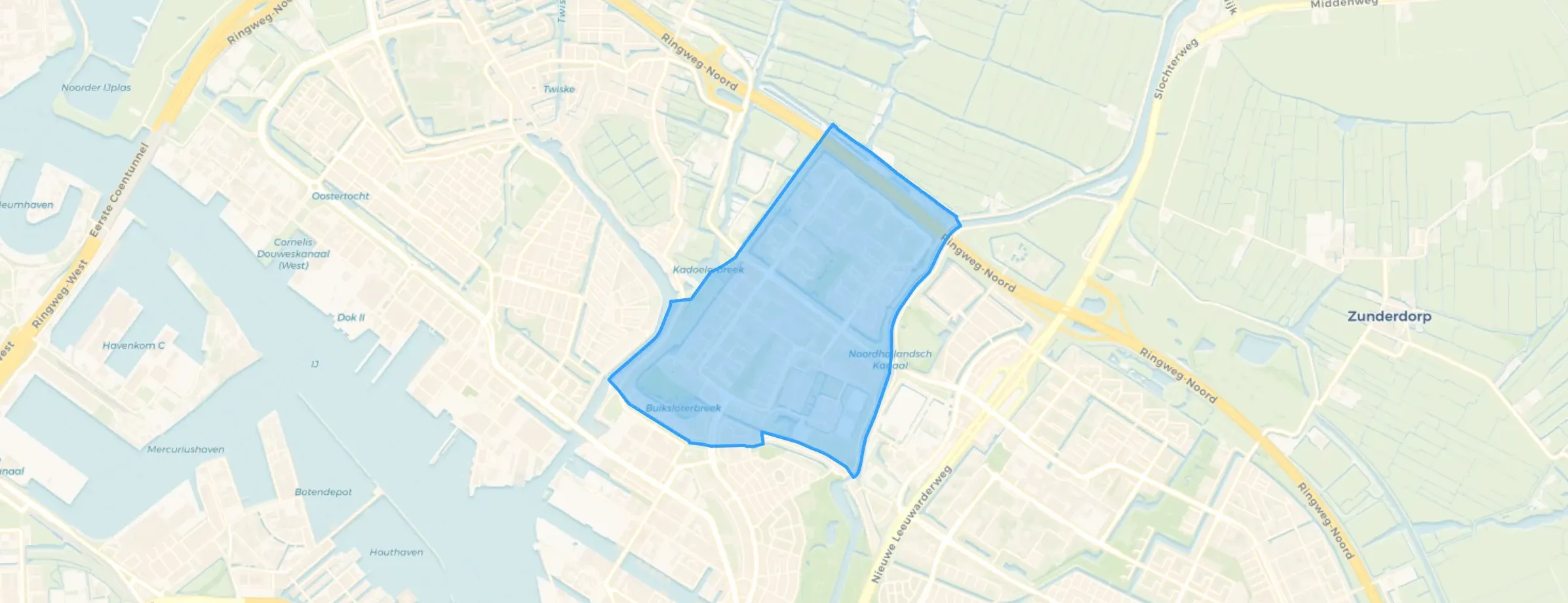
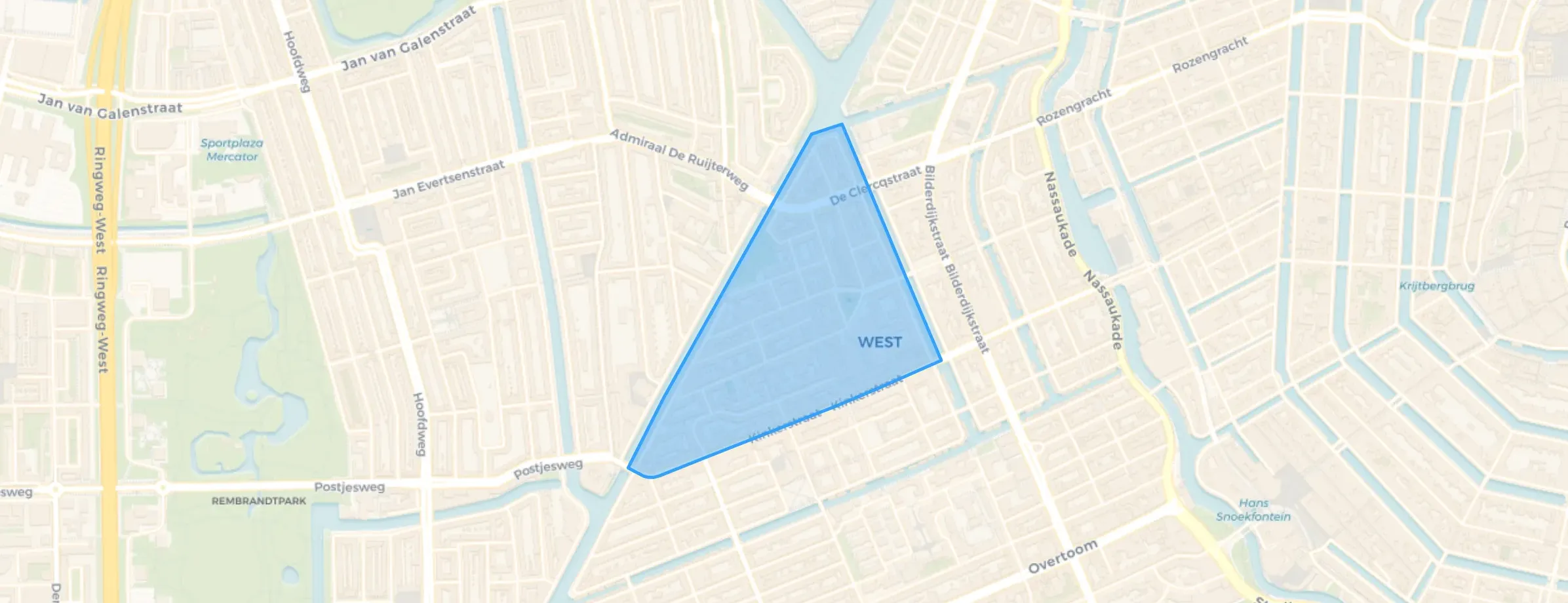
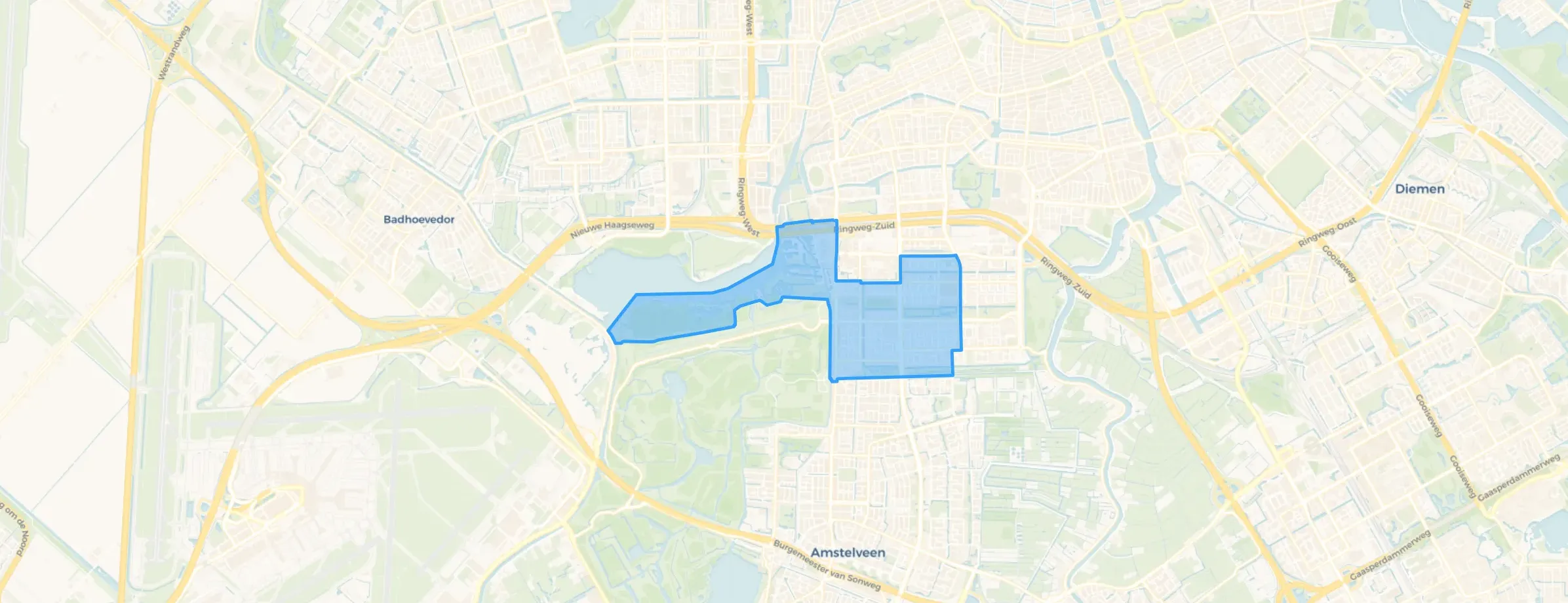
Lots of amenities around, parks, shopping areas, bars, daycares etc.
Auto-translated to English by AII've been living in this neighborhood for over 6 years and just just bought a larger apartment in the same building. We considered looking into other neighborhoods but just had a baby with my boyfriend we could definitely get more for pur money here. It's not perfect but it has changed a lot in the past years, offering now more options for entertainment and horeca, and hosting younger residents and families with little kids and dogs than it used to. It's calm, safe and green, and although it could still improve and could get more support from the local government, it's still affordable (compared to the rest of the city) and constantly changing for the better.
Auto-translated to English by AIEen hele fijne, rustige buurt met veel groen en geweldige bomen die verkoeling en ontspanning bieden. 's nachts is het er stil en donker. Dat vind ik belangrijk voor de dieren. De buurt is goed bereikbaar met metro 54 en voorzieningen zijn op loopafstand in winkelcentrum de Poort. 1 ding is een ongelofelijke doorn in het oog en dat is de hygiene. Het is dagelijks een puinzoo bij de vuilcontainers. Zwerfafval waait overal naar toe. En hoewel we met een aantal bewoners dagelijks 'prikken' en opruimen is het een never ending story. Ik zou zo graag zien dat daar een oplossing voor komt.
Auto-translated to English by AIIJburg is a new district still under development and it's getting better with all the amenities and a beach nearby. And you're also quickly out of the city and into the greenery.
Auto-translated to English by AIQuiet, peaceful, relaxed, green, social and a nice mix of people
Auto-translated to English by AII lived here for about 12 years. The neighbourhood has clear advantages: good connections by tram, bus and ferry/boat, plenty of supermarkets, gyms and practical amenities nearby. For me, however, there was one major drawback: structural low-frequency noise, demonstrably coming from commercial shipping on the Amsterdam-Rijnkanaal. If you are sensitive to that, it can be very burdensome. In my case, it was clearly noticeable indoors, especially at night. Neighbours said they slept with earplugs and extra insulation offered limited to no solution. The municipality took measurements at the time and acknowledged that the noise was significant, but indicated they could do little or nothing about it because the source fell outside their direct authority. My honest advice: visit this neighbourhood not only during the day, but also in the evening and at night, and pay specific attention to low-frequency humming or vibrations. For people sensitive to noise, I would personally strongly advise against this location.
Auto-translated to English by AINo public transport!
Auto-translated to English by AINice, quiet and reasonably cosy neighbourhood. Good accessibility, the Amsterdam Forest nearby. Lots of different facilities within walking distance. Nice to live here with a family and pets! Quite a few schools within cycling distance. Hygiene in the neighbourhood is above the average level in Amsterdam. VUmc very close by.
Auto-translated to English by AIThe most common type is flats (87%).
Over the past year a home for sale in Amsterdam was listed for an average of €682,208 (€8,603 per m²). That is 29% above the Dutch national average. Last quarter prices rose by 10%.
A rental home in Amsterdam cost an average of €2,755 per month (€35 per m²). That is 28% above the national average.
Residents give Amsterdam a 7.4 out of 10 based on 256 reviews. The strongest score is for accessibility (8.0), the weakest for cleanliness (6.7).
Gemeente Amsterdam has 934,526 residents. The largest age group is 25 to 45 years (37%). Notably, 55% of the households are single-person households.
The housing supply in Amsterdam is remarkably efficient: 68% has an A, A+ or B label. The average natural gas consumption per household is 580 m³ per year.
From Amsterdam you can on average reach a supermarket at 0.6 km, a GP at 0.6 km, a railway station at 2.8 km, a primary school at 0.6 km (as the crow flies, source: CBS).
Right now you will find 8,280 homes for sale and 4,034 homes for rent in Amsterdam.