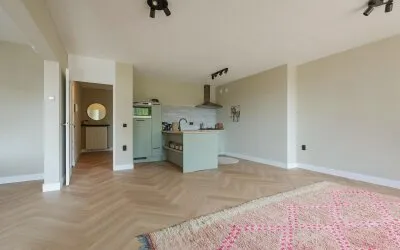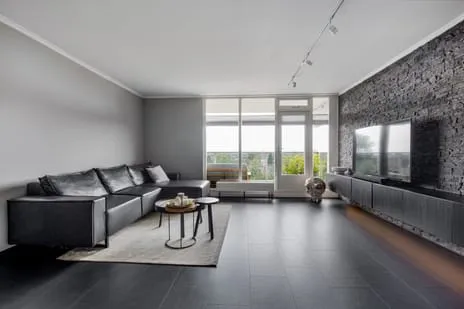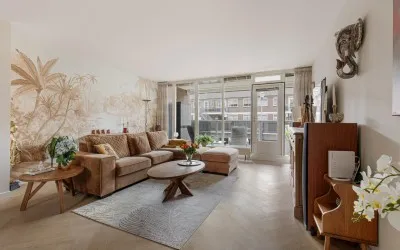
De Burgen, Haarlem
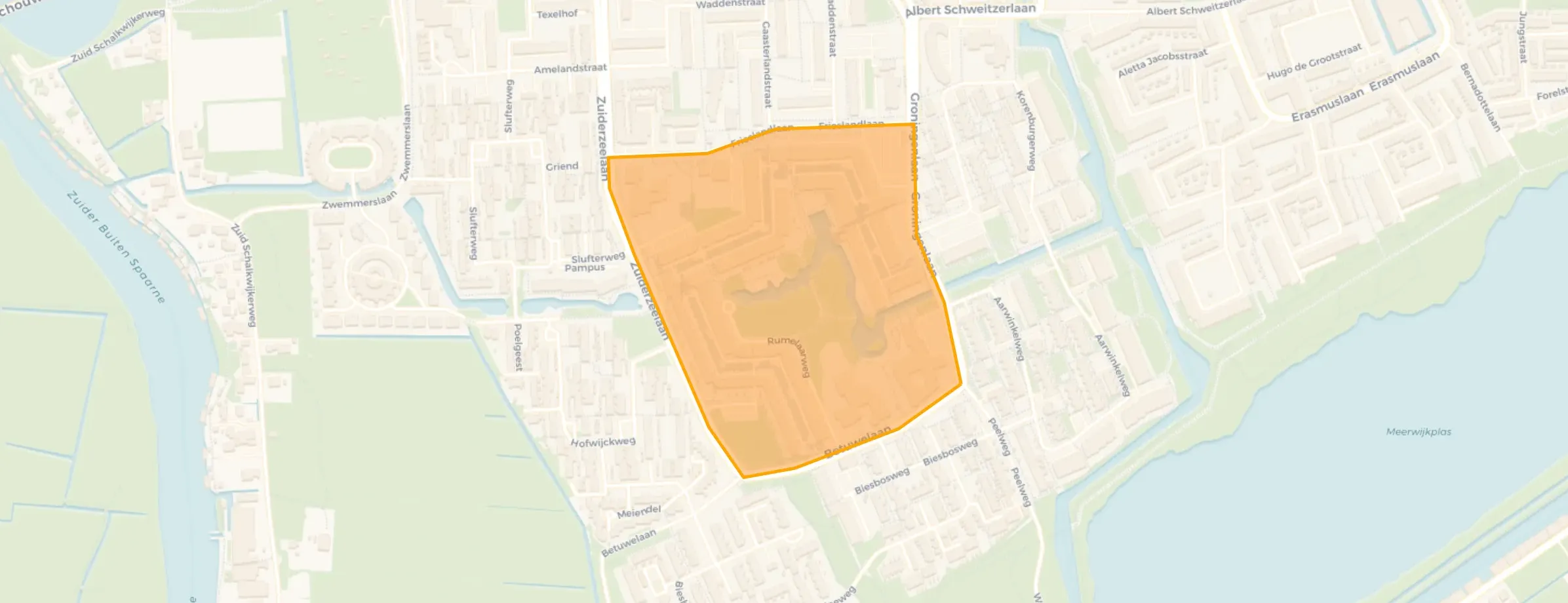 Neighbourhood
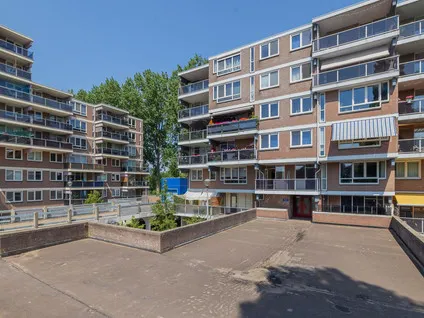
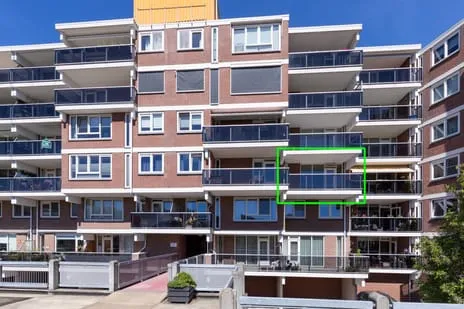
This apartment on Sandenburg sits in a well-kept part of De Burgen, a neighbourhood built in the 1980s. With 106 m² of floor area, it is noticeably more spacious than the average home in the area. The price of €415,000 is on the high side compared to the neighbourhood median of €380,000, but the extra square metres explain the difference. For context, apartments in Haarlem vary widely in size and price.
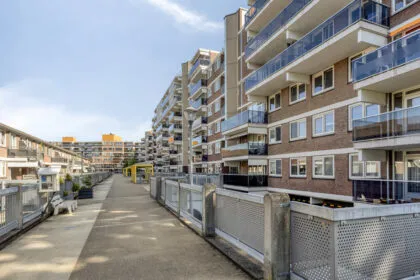
De Burgen is a quiet, residential area with a mix of ages: about a third of residents are between 25 and 45, and a quarter are over 65. Most homes are owner-occupied, and the streets are lined with apartments from the 1970s and 1980s. There are no reviews from residents in the data, so the feel of the street is best discovered in person. The neighbourhood is part of the De Burgen neighbourhood, which has a strong urban character with a high address density.
For daily shopping, Jumbo is just around the corner, and SPAR express is a ten-minute walk. There are several primary schools nearby: Pantarijn and De Molenwiek Dalton are both a couple of streets away. A park or public garden is on your doorstep, and a GP practice is a five-minute walk. The train station is 4.1 km away, so a bike or car is handy for longer journeys. The wider area falls under the municipality of Haarlem, which offers a full range of amenities.
At present, the home is listed through several channels, including Overspaern Makelaardij. The details are based on the information provided by the agent at the time of writing.
Details of this home

Sandenburg 109, Haarlem
Data from De Burgen
Data from De Burgen
43 within 5 km



93 within 5 km
About Sandenburg 109, Haarlem
The asking price of €415,000 is above the neighbourhood median of €380,000 and the average sold price of €348,949. However, this apartment is larger than most in De Burgen: 106 m² versus an average of 84 m². The price per square metre works out at about €3,915, which is below the neighbourhood average of €4,449 per m². So while the total price is on the high side, you get more space for your money.
The energy label is D. This is a mid-range label, meaning the home is reasonably efficient but not as well insulated as newer builds. Heating costs will be moderate. In the neighbourhood, 31.3% of homes have a label D or lower, while 37.5% have label B. If you plan to upgrade, improving the insulation could bring the label up and reduce energy bills.
The nearest train station is 4.1 km from the apartment. That is about a ten-minute bike ride or a short drive.
There are several primary schools within walking distance. Pantarijn is 224 m away, and De Molenwiek Dalton is 256 m away. Both are a couple of streets from the apartment. For secondary education, the nearest school is 2.1 km away, so a bike or bus is needed.
De Burgen is a quiet, residential area built in the 1980s. It has a high address density, meaning it feels urban. Most residents are adults between 25 and 65, with a significant number of older people. The area is safe, with 86 reported crimes in the neighbourhood. There are no resident reviews available, so it is best to visit and get a feel for the street.
In De Burgen, sold homes were on the market for an average of 25 days. That is relatively quick, suggesting demand is steady. The current listing has 18 apartments for sale, so there is some choice. The price per square metre for sold homes averaged €4,449, which is higher than this apartment's per-m² price.
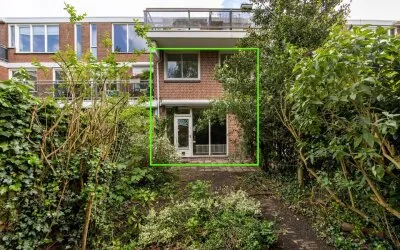
The listing does not mention a garden, balcony, or terrace. The apartment is in a building from 1980, so it may have a shared outdoor area, but that is not stated.
6 homes in the neighbourhood De Burgen

Buurtje.nl uses cookies to make the site work and to improve it. In doing so, we process data such as your IP address and the pages you visit.
We use this data for three purposes: running the website (functional), measuring visits so we can improve Buurtje.nl (analytics), and — if you allow it — tailoring ads to your interests (marketing).
How we handle your data is described in our privacy policy. You can change your preferences at any time via 'Cookie preferences' at the bottom of every page.
Choose per category which cookies we may place. Read more in our privacy policy.