Bergpolder, Rotterdam
 Neighbourhood
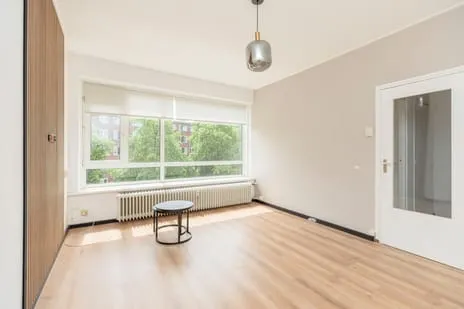
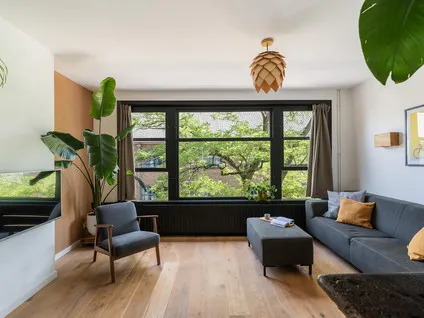
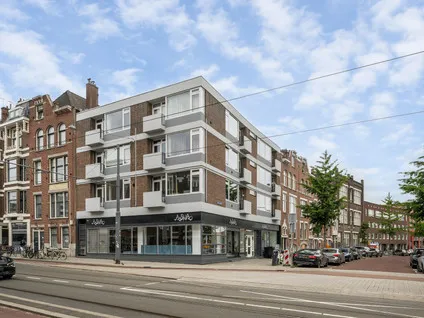
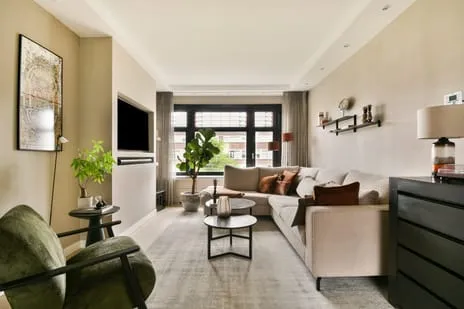
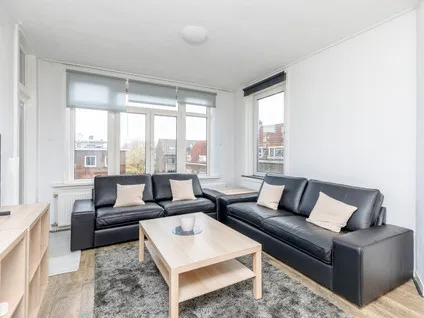
This 112 m² apartment on Schieweg in Rotterdam's Bergpolder neighbourhood is a generous size for the area. Built in 1937, it has an energy label D, so heating costs are something to keep an eye on. At €415,000, the price is on the high side compared to the neighbourhood average of €375,000, but the extra floor area explains much of that, the home is 35% larger than the typical 83 m² in the area. For context, apartments in Rotterdam vary widely in price and size.
Bergpolder is a mixed area with a strong urban feel, over 8,200 residents live in a dense setting (nearly 6,000 addresses per km²). Most homes are pre-war (92%), and the population is young, with a large share of 25-45 year olds. One resident describes it as a "quiet neighbourhood with room for improvement", noting that "Bergpolder has improved significantly in recent years" and that "everything you need is within walking distance." Another review is less positive, calling it an "unfriendly neighbourhood" with damp housing. Based on five reviews, the average score is 6.5. The neighbourhood Bergpolder is clearly evolving, with gentrification underway but tempered by a large stock of social housing.
For your morning bread, SPAR express is just around the corner, and PLUS is a couple of streets away. Albert Heijn and Aldi are within a ten-minute walk. Families have OBS de Blijberg primary school a couple of streets away, and Dominicus school is also nearby. For secondary education, the Grafisch Lyceum Rotterdam is a five-minute walk. The municipality Rotterdam offers all the amenities you'd expect from a major city, with restaurants and parks within walking distance.
At the time of writing, the home is listed through several channels, including Blijdorp Makelaardij B.V., Funda, Pararius, and others. The agent has provided full details on the property's size, year of construction, and energy label.
Details of this home

Schieweg 237D, Rotterdam
Satisfactory · 5 residents
Since I've been living here, I've come across friendly people.
Auto-translated to English by AIBergpolder has improved significantly in recent years. Many apartments have been renovated, there is an influx of nice new residents, and the location is ideal. You do notice a clear difference in lifestyle between the old and new residents, but that is not disturbing in itself. Gentrification is underway, following the surrounding neighbourhoods, but is somewhat controlled by the large stock of (social) rental homes in the area. The result is that you can literally meet anyone here, from yuppie to student to family to asylum seeker. Everyone lives together harmoniously, but within their own bubble. Houses are old, very old, so they often need some love if they haven't been renovated yet. But the location is perfect, and there are many beautiful inner gardens that compensate for the bare streets. Everything you need is within walking distance. I think the arrival of the Hofbogenpark will give the neighbourhood a further boost. The greenery is still a bit sparse in some places in the area.
Auto-translated to English by AIUnfriendly neighbourhood..everyone on their own island..houses damp and poor in winter..bloody hot in summer.
Auto-translated to English by AINice neighbourhood, often many outings and organisations that are made here for children as well as for adults, good causes are achieved and good environment
Auto-translated to English by AIFairly quiet living, though expensive, the Schieweg is often messy and there should be more benches in the neighbourhood. Here and there some green spots to enjoy nature. Supermarkets are a bit of a walk away, but there's a chip shop and a convenience store on every street corner. The Schieweg also has its own tram stop with frequent trams. Buses are scarce in the area.
Auto-translated to English by AIData from Bergpolder
Data from Bergpolder
86 within 5 km



155 within 5 km
About Schieweg 237D, Rotterdam
The asking price of €415,000 is above the neighbourhood median of €375,000 and the average of €390,956. However, this apartment is 112 m², which is 35% larger than the typical 83 m² in Bergpolder. On a per-square-metre basis, the price of about €3,705/m² is below the neighbourhood average of €5,120/m², so you are getting more space for your money.
The energy label is D. This is a common rating for pre-war homes in Bergpolder, where 92% of properties were built before 1945. A D label means the home is not particularly energy-efficient, so you can expect higher heating costs compared to a modern home. It may be worth considering improvements like insulation or double glazing, but the listing does not state what has already been done.
Bergpolder is a dense, urban neighbourhood with a young population. Residents have mixed views: one says it has "improved significantly" and that "everything you need is within walking distance," while another finds it "unfriendly" and notes damp housing. The area is gentrifying, with many renovated apartments and new residents, but also a large stock of social housing. The average review score is 6.5 out of 10.
For groceries, SPAR express is within 500 metres, PLUS is about 500 metres away, and Albert Heijn and Aldi are within 700 metres. Primary schools include OBS de Blijberg (300 m) and Dominicus (400 m). The Grafisch Lyceum Rotterdam (VMBO) is about 500 metres away for secondary education.
The nearest train station is 2.2 km away. This is a bit of a walk, but Rotterdam's tram and bus network can bridge the gap. The neighbourhood is very well served by public transport, with many stops nearby.
In the most recent data, Bergpolder recorded 556 total crimes. This is a relatively high number for a neighbourhood of this size, but it reflects the dense urban environment. The area is diverse, and residents report a mix of experiences regarding safety.
6 homes in the neighbourhood Bergpolder

Buurtje.nl uses cookies to make the site work and to improve it. In doing so, we process data such as your IP address and the pages you visit.
We use this data for three purposes: running the website (functional), measuring visits so we can improve Buurtje.nl (analytics), and — if you allow it — tailoring ads to your interests (marketing).
How we handle your data is described in our privacy policy. You can change your preferences at any time via 'Cookie preferences' at the bottom of every page.
Choose per category which cookies we may place. Read more in our privacy policy.