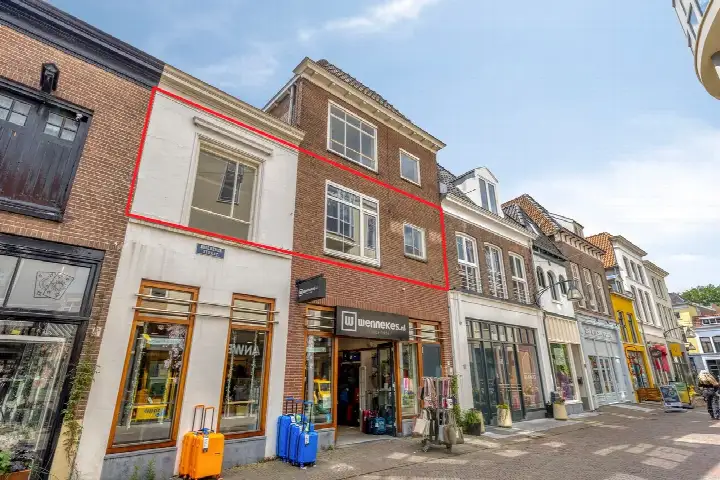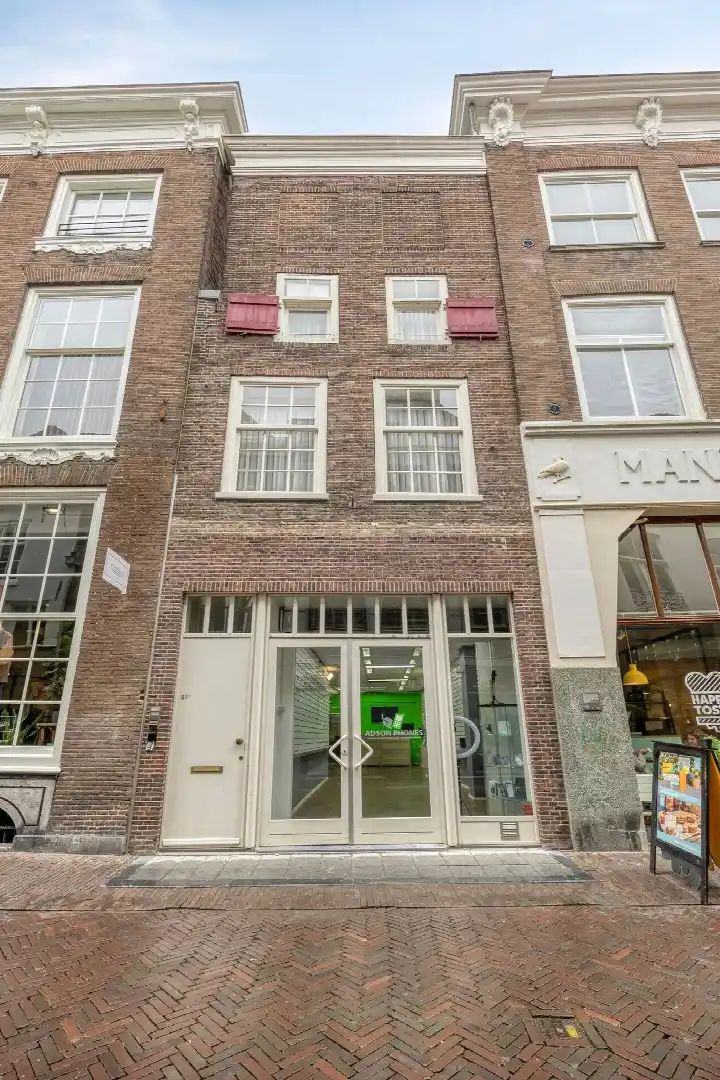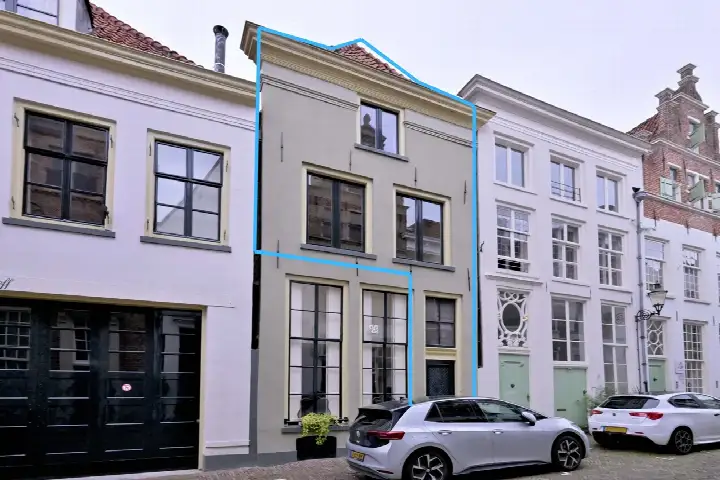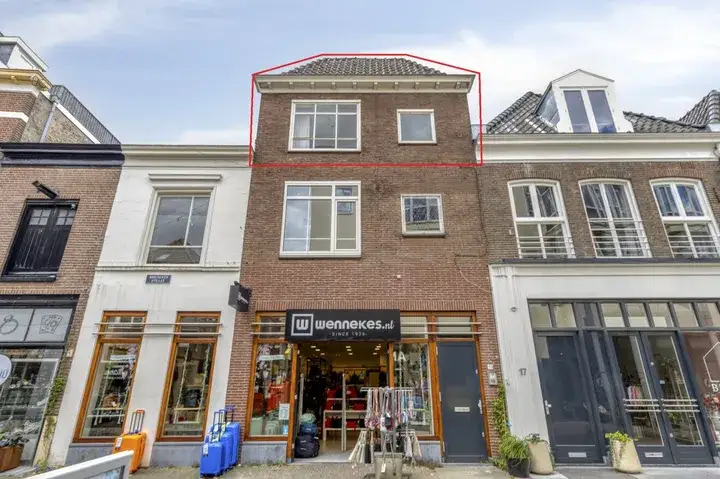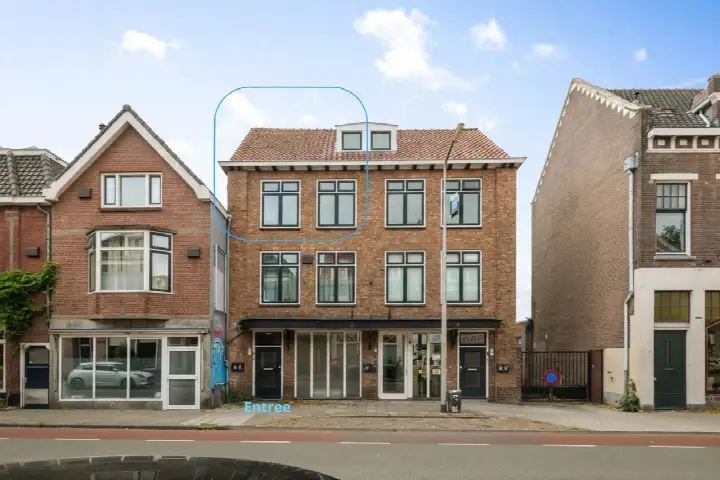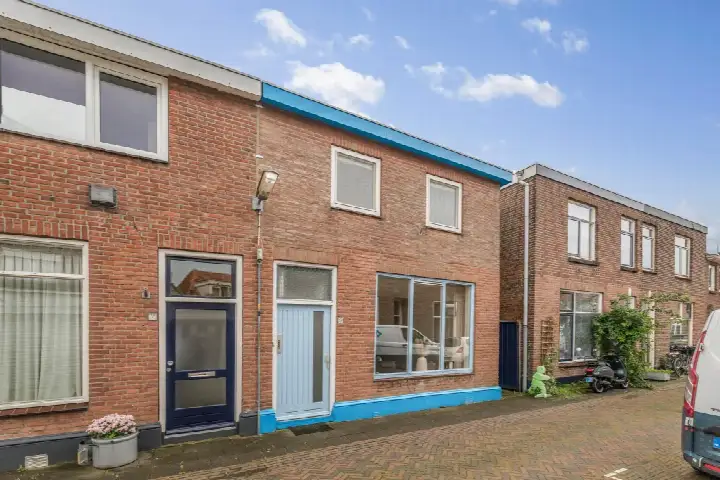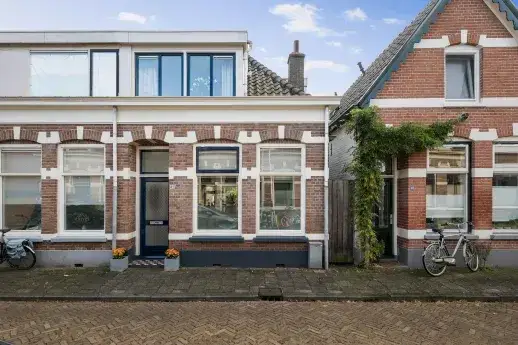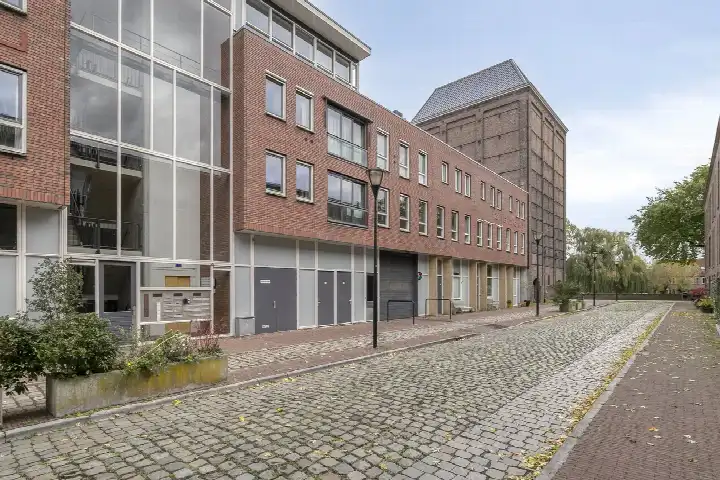





A piece of history on T.G. Gibsonstraat
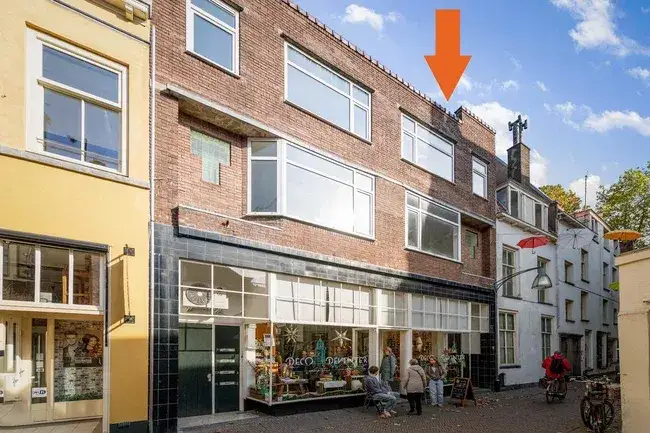
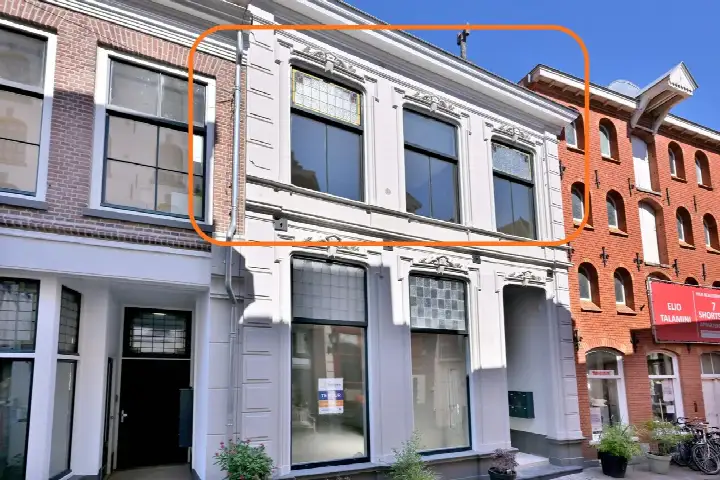
This 1886 apartment on T.G. Gibsonstraat sits in the heart of Deventer, with a classic feel and a modern energy label B. At 95 m² it was compact compared to the neighbourhood average, but the last known price of €375,000 was 41% below the local average of €637,000, making it the cheapest of the seven apartments at the time for sale in the area. That was a keen price for anyone looking for apartments in Deventer. This home has not been online since 14 August 2026.
The Singel neighbourhood
Singel is the historic core of Deventer, with a very high address density of 3,348 addresses per km², city living at its most intense. The area is home to 1,395 residents, mostly singles (540 one-person households) and a mix of ages, with the largest group between 25 and 45. There are no resident reviews available for this neighbourhood, but the figures show a lively, urban environment. For more on the area, see the Singel neighbourhood.
Life on the street
Daily shopping is easy: Ekoplaza is just around the corner, Dirk is a couple of streets away, and Albert Heijn is a ten-minute walk. For bread and basics, you're well covered. Families have two primary schools within a five-minute walk: Openbare Daltonschool de Hagenpoort and Interconfessionele Basisschool De Windroos. Secondary education is a bit further, with Pvo Deventer for havo and vwo about a ten-minute walk. The train station is also a five-minute walk, making commutes straightforward. For more on the wider area, see the municipality of Deventer.
Source and availability
When this home was still on the market, it was listed through several channels, including Tysma and Tysma Makelaars.
This summary was generated with AI and may contain errors. Always verify the details with the provider.
Features
Details of this home
Transfer
Price


Construction
Frequently asked questions
About T.G. Gibsonstraat 17B, Deventer
Was €375,000 a fair price for this apartment?
At €375,000, this apartment was 41% below the average asking price in Singel (€637,000) and was the cheapest of the seven homes at the time for sale in the neighbourhood. However, the floor area of 95 m² was 45% smaller than the neighbourhood average of 174 m², so the price per square metre was in line with the local market. It's a keen entry point for a historic apartment in the city centre.
What is the energy label and what does it mean?
The energy label is B, which is good for a home built in 1886. In the neighbourhood, 50% of homes have label A, 12.5% have label B, and 25% have label C. Label B meant the home was reasonably efficient, so heating costs should be manageable compared to older, uninsulated properties.
How far is the train station?
The train station is 0.5 km away, about a five-minute walk. This makes it very convenient for commuting or day trips.
What supermarkets are nearby?
Ekoplaza is 308 m away (just around the corner), Dirk is 339 m away, and Albert Heijn is 629 m away (a ten-minute walk). There's also an AH to go at 651 m and a PLUS at 854 m. Daily groceries are within easy walking distance.
What schools are in the area?
Two primary schools are within a five-minute walk: Openbare Daltonschool de Hagenpoort (279 m) and Interconfessionele Basisschool De Windroos (453 m). For secondary education, Pvo Deventer for havo and vwo is 704 m away, about a ten-minute walk.
How safe is the Singel neighbourhood?
The neighbourhood recorded 568 total crimes in the latest data. This is a relatively high figure for a city centre area with a dense population. As with any urban core, it's worth being aware of your surroundings, but the area is lively and well-frequented.
What is the neighbourhood like demographically?
Singel has 1,395 residents, with a high proportion of single-person households (540 out of 890 households). The largest age group is 25 to 45 (485 people), followed by 45 to 65 (320) and 65+ (300). It's a diverse, urban neighbourhood with a mix of ages but few families with children.
How old is the building and what condition is it in?
The building was constructed in 1886, making it over 130 years old. With an energy label B, it has likely been modernised to some extent. In the neighbourhood, 33.3% of homes were built before 1945, so this fits the historic character of the area.