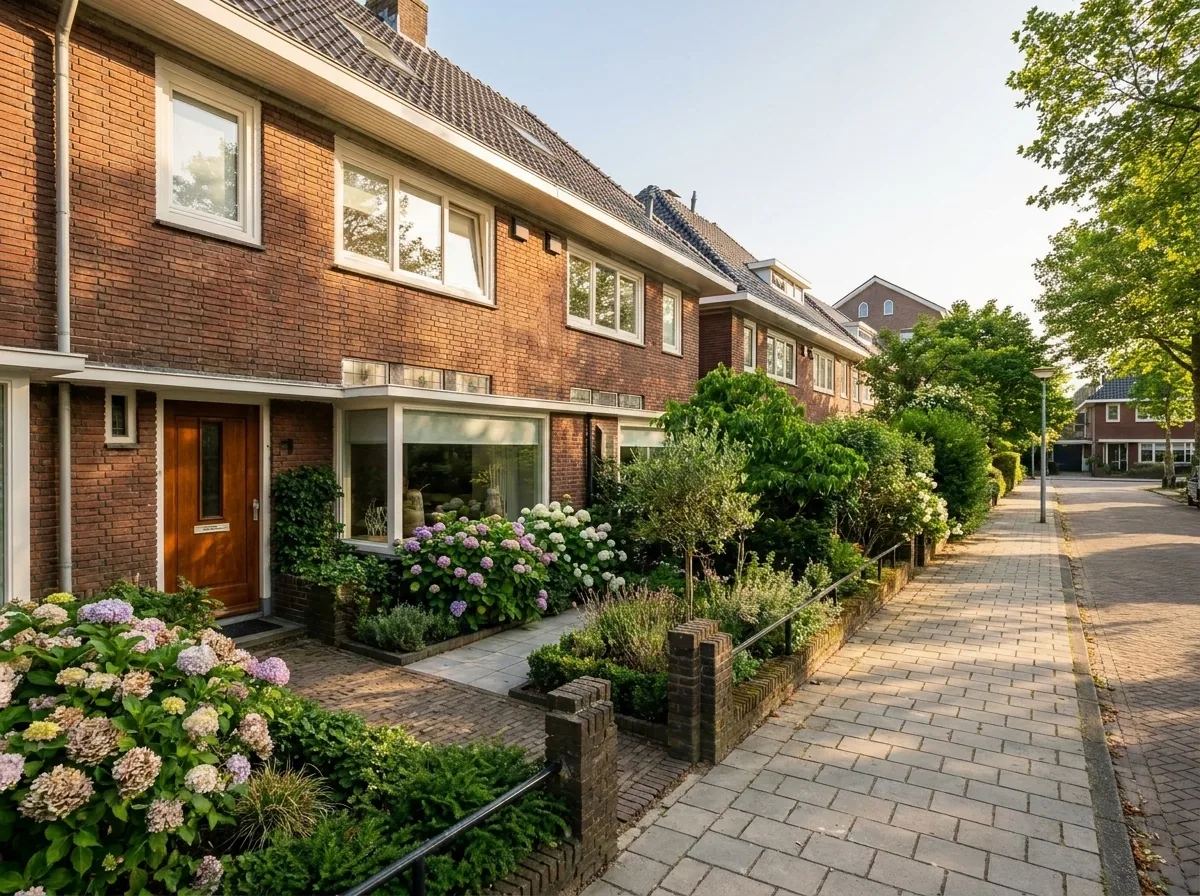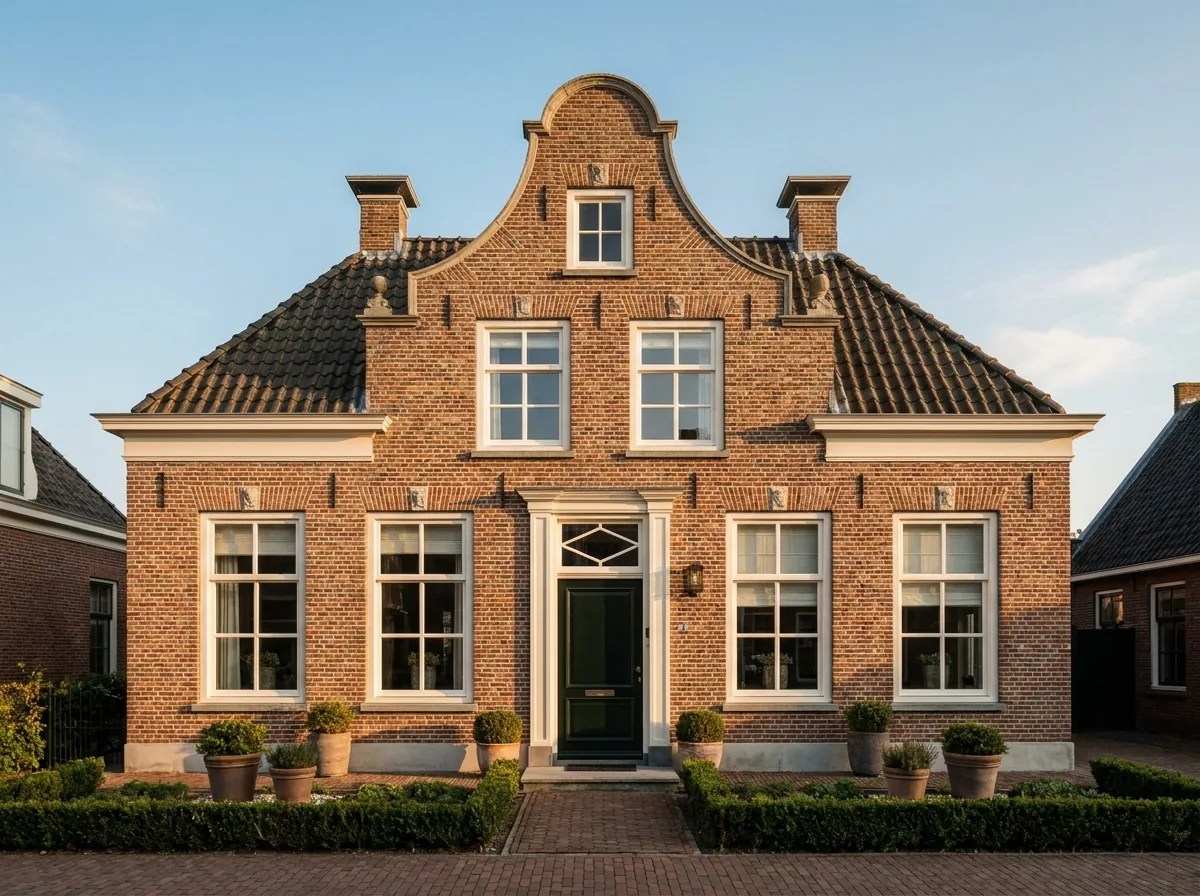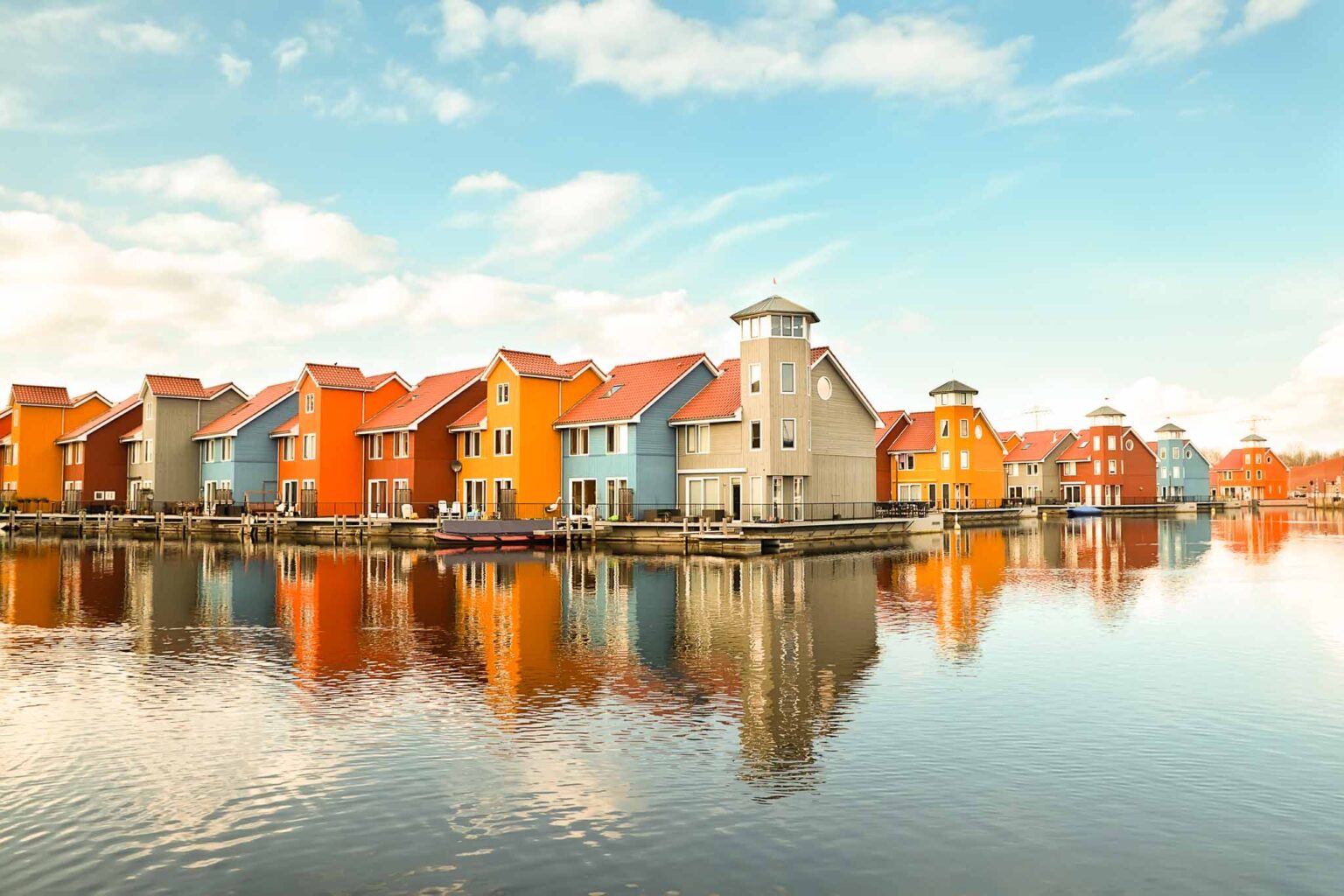
Like a dazzling patchwork spread across a flat map, Dutch neighbourhoods capture the imagination with their diversity and characteristic elements. Every neighbourhood has something unique, something special that contributes to the colourful mix that forms the Netherlands. This diversity, so characteristic of our country, is like the DNA of Dutch neighbourhoods: complex, unique, and defining for their identity.
The Netherlands has a range of neighbourhoods, from idyllic villages in the provinces to bustling city centres, from traditional fishing towns to innovative eco-districts. This variety forms the DNA of our neighbourhoods and cities, the essence that determines their character and culture.
The DNA of Urban Neighbourhoods
Let us first look at urban neighbourhoods. The DNA of urban neighbourhoods is often recognisable by their fast pace, the diversity of residents, and the combination of living, working, and recreation. Think of the vibrant atmosphere in De Pijp in Amsterdam or the multicultural character of Oude Westen in Rotterdam. Urban neighbourhoods are dynamic environments where new trends and ideas emerge, where social and cultural diversity come together and enrich each other.
The Characteristics of Rural Areas
But even in less urban areas, the diversity is remarkable. Take, for example, the villages in the province of Zeeland. With their age-old traditions, close-knit community, and views of the sea, these neighbourhoods exude a different atmosphere than urban areas. Here too, we see the neighbourhood's DNA: in the salty sea air, the historic buildings, and the sense of community that wafts through the streets.
Landscape Features as Neighbourhood DNA
Furthermore, there are neighbourhoods that derive their identity from their landscape features. Take the dune areas in North Holland, where the unique natural environment influences the lifestyle of the residents. Or the high hills of Limburg, which give daily life a special touch and create a sense of connection with nature.
Eco-Districts: The DNA of Sustainability and Innovation
In addition, there are new eco-districts, such as Strijp-S in Eindhoven, which testify to a growing environmental awareness and a pursuit of sustainability. These neighbourhoods are characterised by innovative technologies and designs that are in harmony with nature. The DNA of these neighbourhoods is marked by sustainability, innovation, and future orientation.
The Importance of Neighbourhood DNA for Future Development
Every neighbourhood thus has its unique DNA, shaped by a mix of physical features, history, residents, and way of life. This DNA is not static but constantly changes under the influence of various factors, such as demographic changes, urban developments, or societal trends.
Understanding the DNA of Dutch neighbourhoods is crucial for policymakers, urban planners, architects, and other stakeholders. By understanding what makes a neighbourhood unique, they can respond to the needs and desires of residents and create a living environment that suits the unique character of the neighbourhood.
To understand the DNA of a neighbourhood, we must look not only at the visible elements but also at the underlying values and norms, the social dynamics, the identity, and the sense of place. This requires a deep understanding of the context and a sensitivity to the subtle nuances that determine the character of a neighbourhood.
So whether it concerns a bustling city centre, an idyllic village, a landscape area, or an innovative eco-district, the DNA of Dutch neighbourhoods is a fascinating subject. It offers a window into the diversity, richness, and dynamism of the Netherlands and contributes to our understanding of the unique characteristics that make each neighbourhood a special place. Understanding this DNA can help us create a better future for our neighbourhoods, cities, and ultimately for all of us.