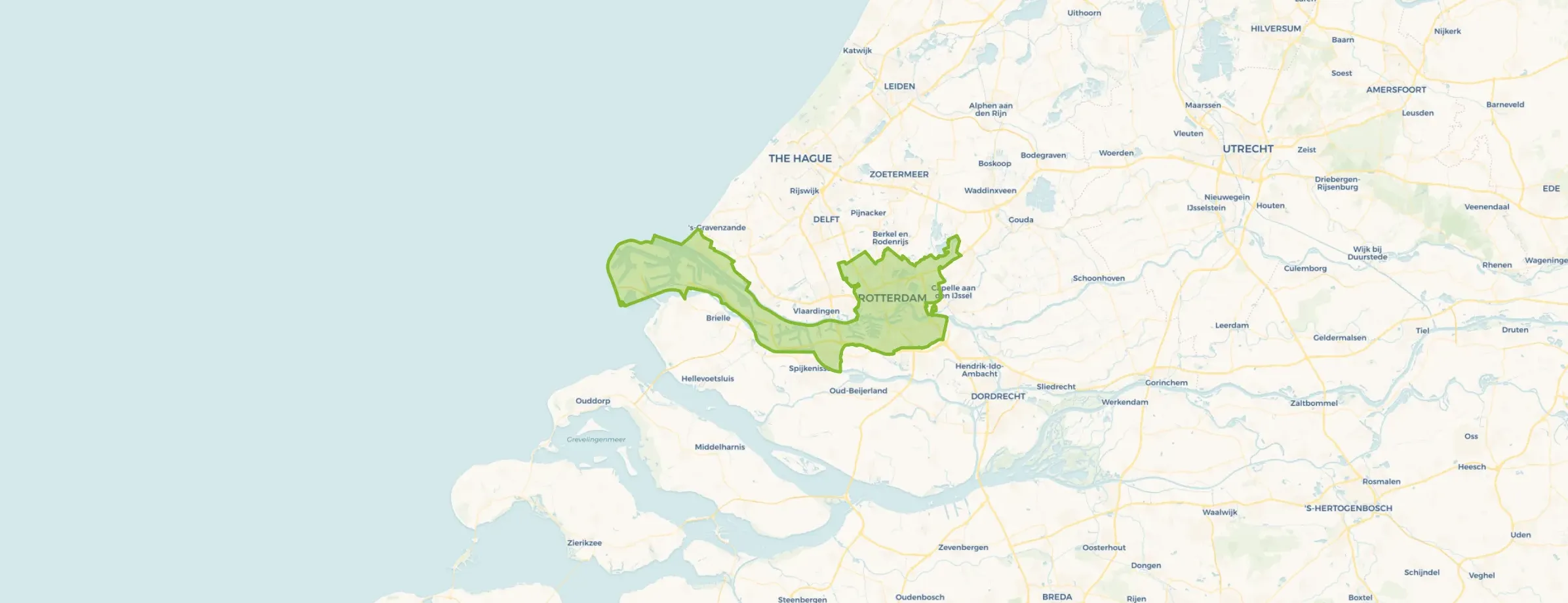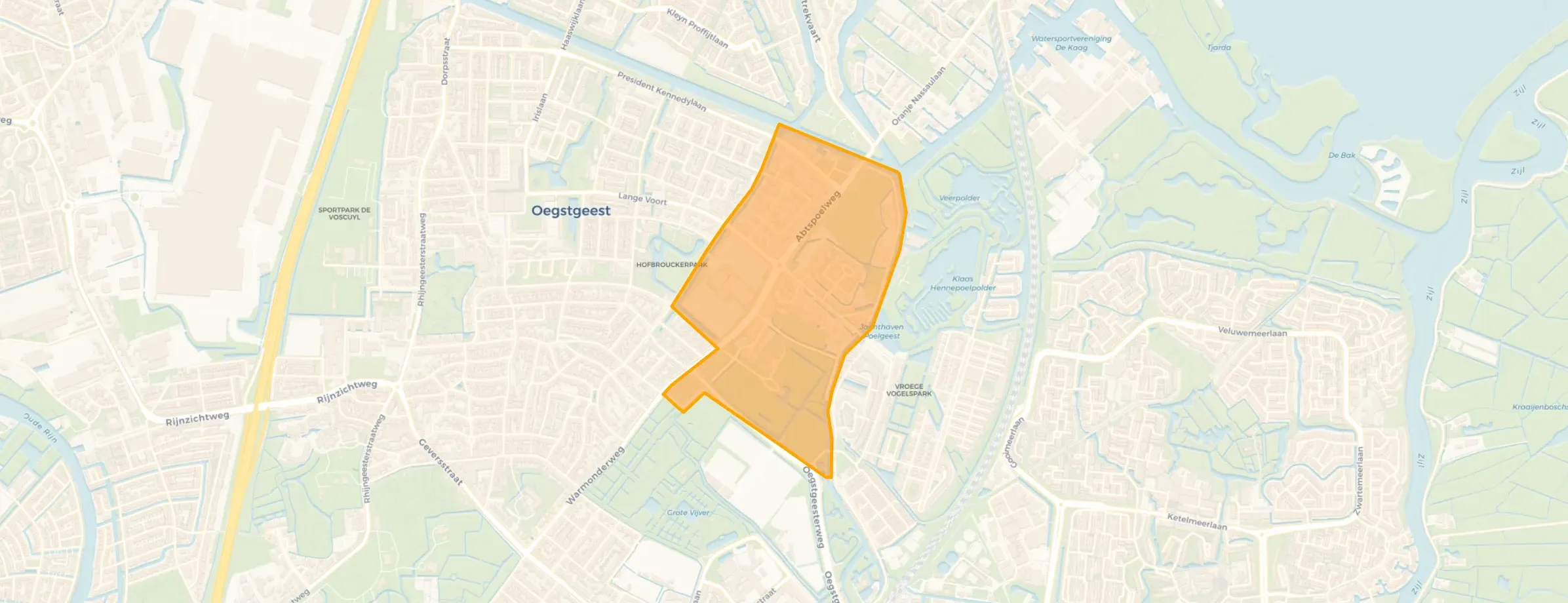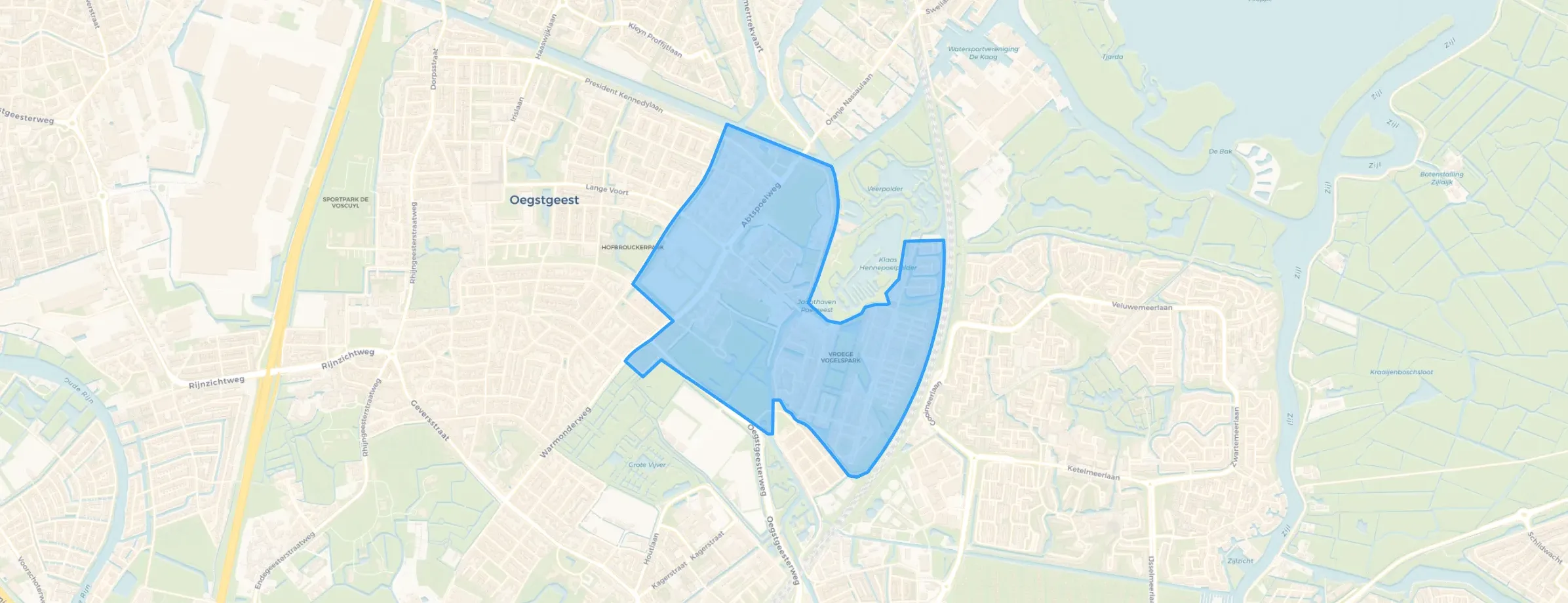
De Kwaak is located in the province of Zuid-Holland, in the municipality of Oegstgeest. The district has a total area of 97 hectares, of which 91 hectares are land and 6 hectares are water. The district is coded as WK057903. The postcode area is 2341HZ-2343JZ.
De Kwaak has 3.100 residents. Of these, 49,5% are men and 50,6% are women. Most residents are 45 to 65 years (34,4%). The other age groups are 18,7% for '25 to 45 years', 17,9% for '65 years or older', 15,6% for '0 to 15 years' and 13,4% for '15 to 25 years'. Of the residents, 47,4% is unmarried, 43,4% is married, 6,5% is divorced and 2,9% is widowed. 2.080 residents originate from the Netherlands, 445 come from Europe and 575 come from countries outside Europe.
There are 1.285 households in De Kwaak. 27,2% of these are single-person households, 31,5% households without children and 41,2% households with children. The average household size is 2,4 persons. The national average is 2,1 persons.
In De Kwaak there are 2.500 income recipients. The average income per income recipient is €61.500, which is €19.300 (46%) higher than the national average of €42.200. Per resident, the average income is €52.700, which is €17.800 (51%) higher than the national average of €34.900. Most residents of De Kwaak are highly educated. 61,1% have a university or higher professional education (HBO/WO), 25,4% have an intermediate education (HAVO, VWO or MBO 2-4) and 13,5% have a lower education (VMBO or MBO 1).
Of the 3.100 residents, around 73% are in paid employment, which amounts to 2.263 people. This is 1% higher than the national average of 72%. The majority of workers are in salaried employment (82%), while 18% are self-employed. In De Kwaak, 20% of residents receive a benefit. The largest group is those receiving a state pension (AOW). 480 people receive this benefit.
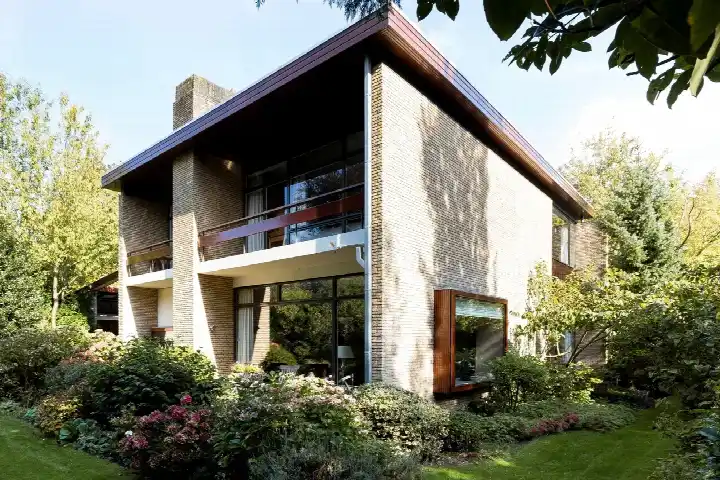
In De Kwaak there are 1.271 homes with an average assessed value (WOZ) of €709.000. Of these, around 98% are occupied and 2% unoccupied. Most homes are owner-occupied. This amounts to 20% rental homes and 80% owner-occupied homes. Of the homes, 80% privately owned, 8% owned by housing associations and 12% owned by other landlords. The most common construction periods in De Kwaak are 2000-2010 (63%) and 1990-2000 (18%).
There are currently 18 homes for sale in De Kwaak. The most recently listed home is Hofdijck 90 by Vinkenbosch Makelaardij B.V op Pararius. Over the past year, 29 homes were sold in De Kwaak. On average, a home was sold within 56 days.
The average asking price for a home for sale in De Kwaak over the past year was €901.586. This is 27% higher than the average assessed value (WOZ) of €709.000. The average asking price per m² of floor area is €5.056.
There are 2 homes for rent in De Kwaak. The most recent home is Lobeliuslaan 102, offered by Tweelwonen.nl Leiden op Pararius. Over the past year, 11 homes were let in De Kwaak. On average, a listing was let within 36 days.
The average rent for a rental home in De Kwaak over the past year was €2.041 per month. Per m² of floor area that is €19 per month.
In De Kwaak there are 746 addresses with a registered energy label. The most common labels are A (70%), A+ (15%) and B (7%). On average, an address in De Kwaak uses 2.880 kWh of electricity per year. This is 13% above the national average of 2.550 kWh. With an annual consumption of 250 m³ per address, natural gas consumption is 69% below the national average of 800 m³.
Oegstgeest is a nice village with many good facilities, such as shopping centres, sports clubs, water sports opportunities, swimming pool, restaurants, etc. Medical facilities are also excellent. I have been living here for 30 years with great pleasure.
Auto-translated to English by AIPoelgeest is a quiet neighbourhood, it has a hair salon, gym, primary school... It's also next to a polder with rich nature and birds, though they do poop a lot over you.
Auto-translated to English by AIThe location of Poelgeest is favourable for the worker, but also for the student. Leiden is nearby and otherwise you can get on the motorway to go further away. However, you do have to leave Poelgeest to do groceries or something like that. There is also only one small school. You don't have to worry about unsafety or cleanliness. People know each other and arguments don't arise. Houses are beautiful. The many speed bumps are rather unnecessary. Unfortunately, there is only one road for cars to leave Poelgeest, which is not good if you want to go the other way. A new road is being built that leads to it, but that will take another year and that road is also not optimal. All in all, the neighbourhood is fine.
Auto-translated to English by AIThe housing stock is relatively young — 91% dates from after 1990.
Over the past year a home for sale in De Kwaak was listed for an average of €901,586 (€5,056 per m²). That is 74% above the Dutch national average.
A rental home in De Kwaak cost an average of €2,041 per month (€19 per m²).
Residents give De Kwaak a 7.6 out of 10 based on 3 reviews. Especially cleanliness (8.3) scores well; amenities (5.7) receives the lowest rating.
Wijk De Kwaak has 3,100 residents. The largest age group is 45 to 65 years (34%). Many families: 41% of the households have children.
The housing supply in De Kwaak is remarkably efficient: 95% has an A, A+ or B label. The average natural gas consumption per household is 250 m³ per year.
From De Kwaak you can on average reach a supermarket at 2.2 km, a GP at 1.7 km, a railway station at 2.9 km, a primary school at 0.5 km (as the crow flies, source: CBS).
Right now you will find 18 homes for sale and 2 homes for rent in De Kwaak.