District in Hoeksche Waard
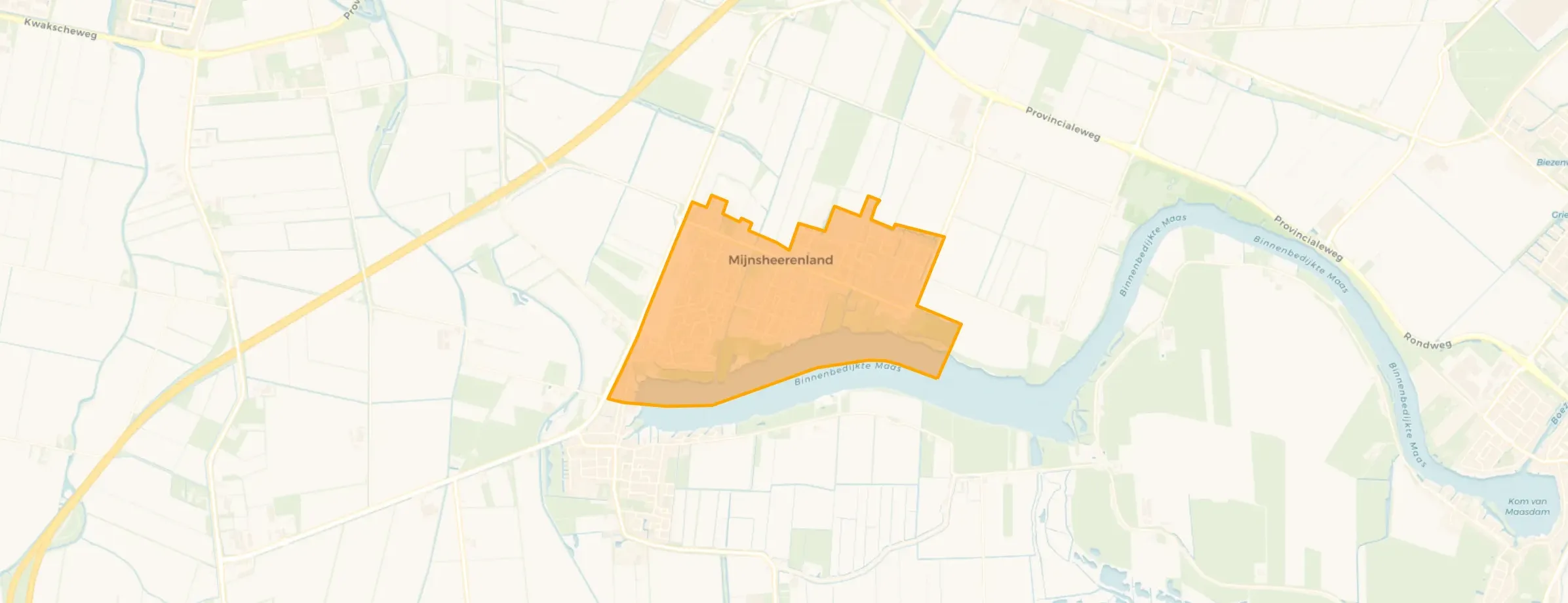
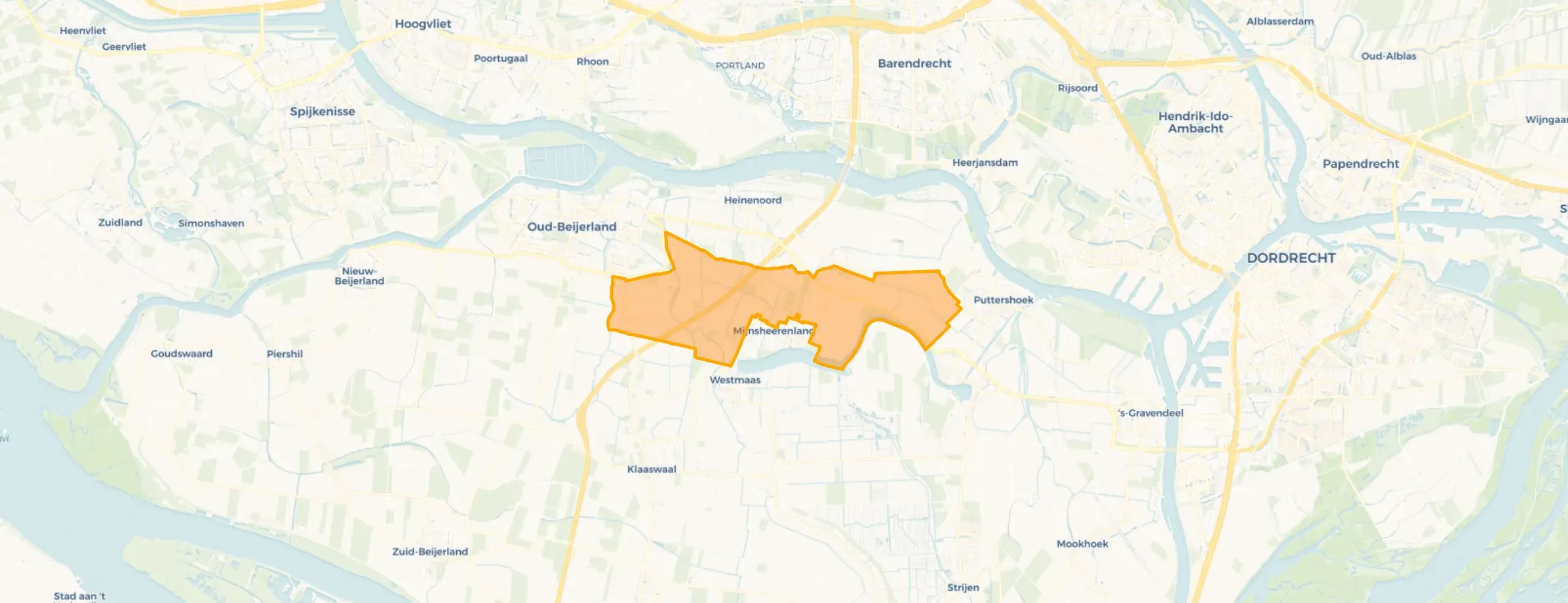
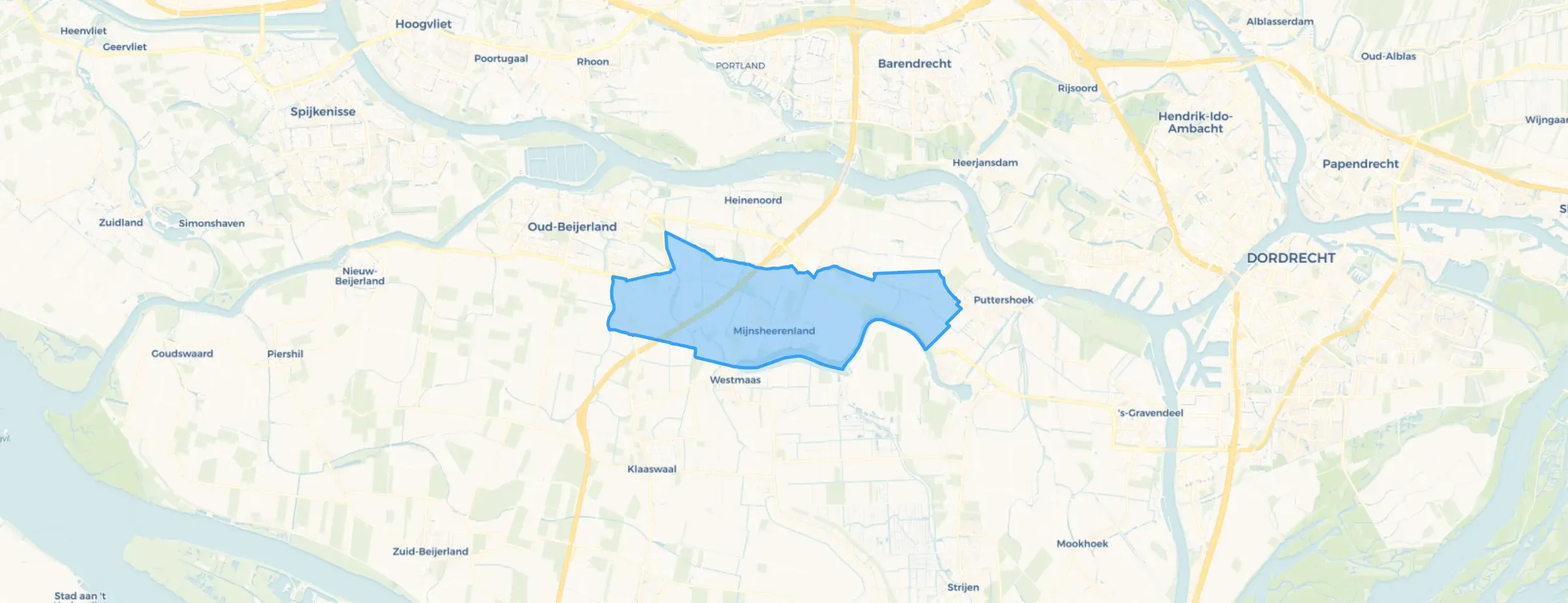
Mijnsheerenland is located in the province of Zuid-Holland, in the municipality of Hoeksche Waard The district has a total area of 1.603 hectares, of which 1.529 hectares are land and 74 hectares are water. The district is coded as WK196302. The postcode area is 3271AA-3274LB.
Mijnsheerenland has 4.795 residents. Of these, 49,4% are men and 50,5% are women. Most residents are 45 to 65 years (27,9%). The other age groups are 24,3% for '65 years or older', 20,0% for '25 to 45 years', 17,1% for '0 to 15 years' and 10,6% for '15 to 25 years'. Of the residents, 42,0% is unmarried, 46,9% is married, 6,3% is divorced and 4,8% is widowed. 4.130 residents originate from the Netherlands, 305 come from Europe and 355 come from countries outside Europe.
There are 1.995 households in Mijnsheerenland. 25,8% of these are single-person households, 35,6% households without children and 38,6% households with children. The average household size is 2,4 persons. The national average is 2,1 persons.
In Mijnsheerenland there are 3.800 income recipients. The average income per income recipient is €50.800, which is €8.600 (20%) higher than the national average of €42.200. Per resident, the average income is €40.800, which is €5.900 (17%) higher than the national average of €34.900. Most residents of Mijnsheerenland are highly educated. 43,0% have a university or higher professional education (HBO/WO), 35,6% have an intermediate education (HAVO, VWO or MBO 2-4) and 21,4% have a lower education (VMBO or MBO 1).
Of the 4.795 residents, around 75% are in paid employment, which amounts to 3.596 people. This is 3% higher than the national average of 72%. The majority of workers are in salaried employment (77%), while 23% are self-employed. In Mijnsheerenland, 25% of residents receive a benefit. The largest group is those receiving a state pension (AOW). 1.050 people receive this benefit.
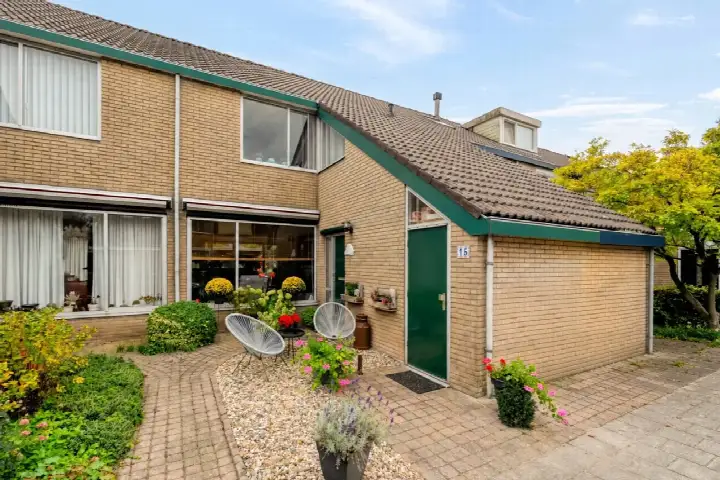
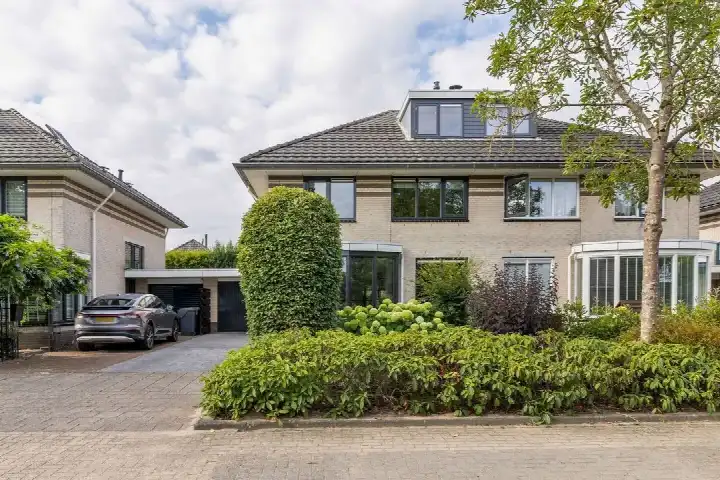
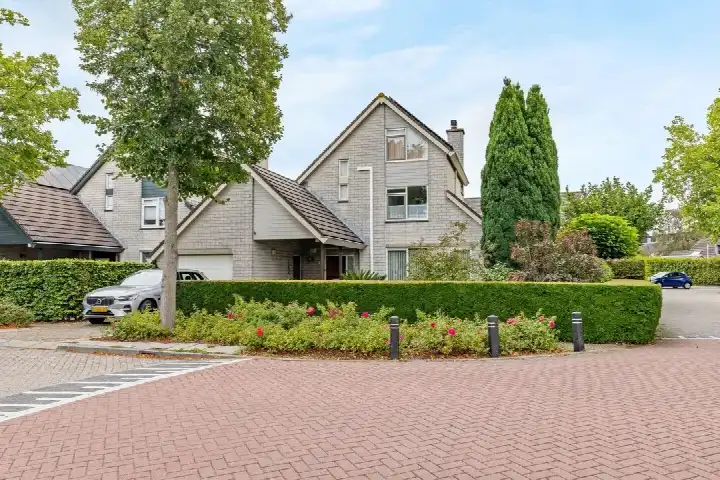
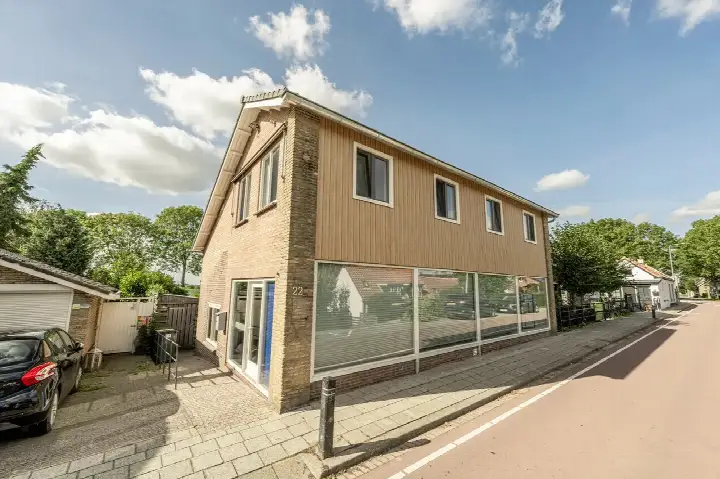
In Mijnsheerenland there are 2.011 homes with an average assessed value (WOZ) of €492.000. Of these, around 97% are occupied and 3% unoccupied. Most homes are owner-occupied. This amounts to 20% rental homes and 80% owner-occupied homes. Of the homes, 80% privately owned, 14% owned by housing associations and 6% owned by other landlords. The most common construction periods in Mijnsheerenland are 1970-1980 (31%) and 1950-1970 (16%).
There are currently no homes for sale in Mijnsheerenland. The most recently listed home is Zeggegors 15 by VMK Makelaars & Taxateurs op Funda. No homes were sold in Mijnsheerenland over the past year.
There are currently no homes for rent in Mijnsheerenland. The most recent home is Zandgors 20, offered by Rental Rotterdam. No homes were let in Mijnsheerenland over the past year.
No recent rental data available for Mijnsheerenland.
In Mijnsheerenland there are 1.168 addresses with a registered energy label. The most common labels are A (30%), C (23%) and B (18%). On average, an address in Mijnsheerenland uses 3.220 kWh of electricity per year. This is 26% above the national average of 2.550 kWh. Natural gas consumption, at 1.040 m³ per year, is 30% above the national average of 800 m³.
Mijnsheerenland reminds me of the village where I grew up. People still say hello to each other on the street. Everyone is friendly. Compared to other villages and towns, people are generally open-minded and friendly. The village festivals are cosy and everyone is happy that the orange association has been revived.
Auto-translated to English by AII've lived here for 10 years. Always enjoyed it. It's wonderfully quiet, people are friendly, it's clean (little litter), green and there's little nuisance. There are few amenities, which is also characteristic of a village-like neighbourhood. You are basically safe from traffic within this neighbourhood. There are shops and other amenities nearby but not within walking distance. Primary schools are close and secondary schools are reasonably close. It's perfectly doable by bike. Public transport is easily accessible, though it has become slightly less accessible due to the removal of a number of bus stops. A solution has been devised for this, namely OVOM.
Auto-translated to English by AII see that many people still easily throw rubbish on the street. I clean it up myself in our area. Unfortunately, there have been two burglaries now. I've lived on Blauwe Steenweg for over 40 years, and the traffic congestion is terrible. People drive much too fast. No one cares. No checks. Of course, it's still nice to live in a free house. You're just a bit more careful.
Auto-translated to English by AIMijnsheerenland is a great village to live in. It is extremely safe, with low crime rates and a visible police presence. The sense of community is strong, and neighbourhood watch and occasional gatherings ensure everyone feels involved. And that's great. The local primary school, OBS, is also excellent; I often pass by it. The teachers are dedicated and the education is of high quality, with a lot of attention to the children's development. Hygiene is also top-notch here. The village is very clean and well-maintained, with waste collection and beautiful green spaces. In short, it's truly a top place for families and couples.
Auto-translated to English by AIgreat neighbourhood!
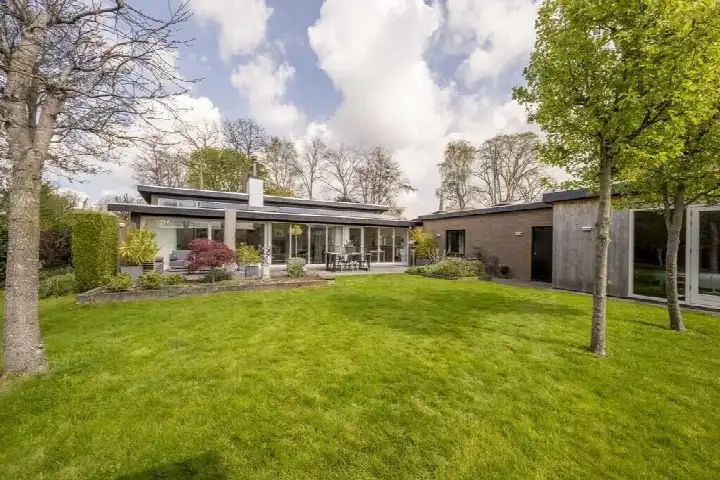
Auto-translated to English by AIThe housing stock is mainly post-war — 60% was built between 1945 and 1990.
Over the past year a home for sale in Mijnsheerenland was listed for an average of €689,588 (€3,922 per m²). That is 31% above the Dutch national average. Last quarter prices fell by 30%.
Residents give Mijnsheerenland a 8.3 out of 10 based on 5 reviews. Especially community (9.6) scores well; amenities (6.4) receives the lowest rating.
Wijk Mijnsheerenland has 4,795 residents. Many families: 39% of the households have children.
From Mijnsheerenland you can on average reach a supermarket at 1.0 km, a GP at 1.0 km, a railway station at 12.1 km, a primary school at 0.7 km (as the crow flies, source: CBS).
Right now you will find 25 homes for sale in Mijnsheerenland.