District in Haarlemmermeer
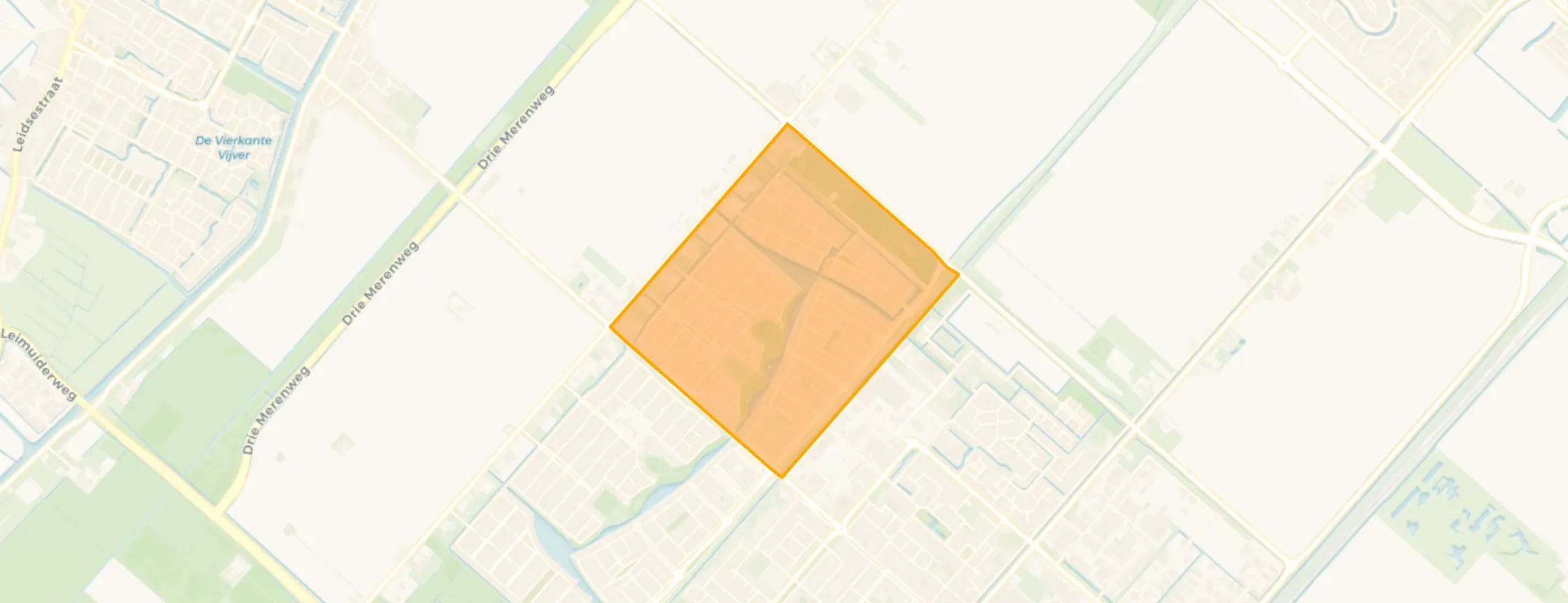
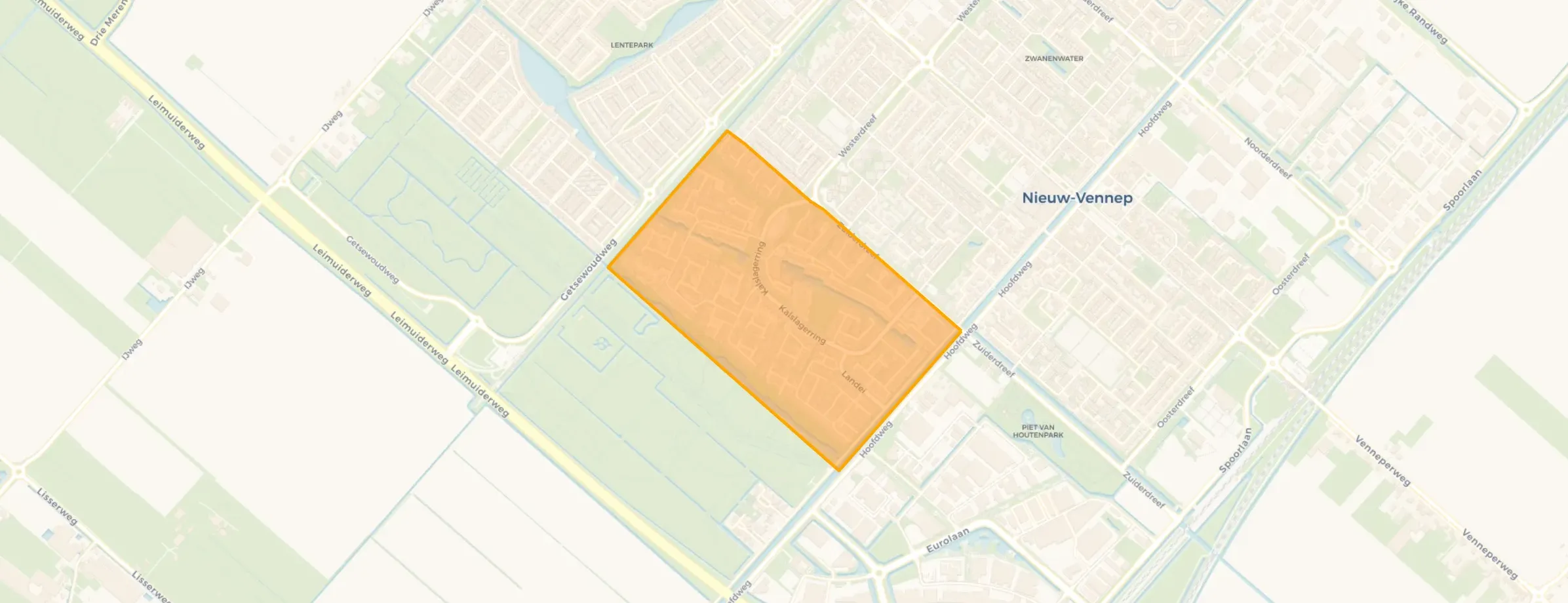
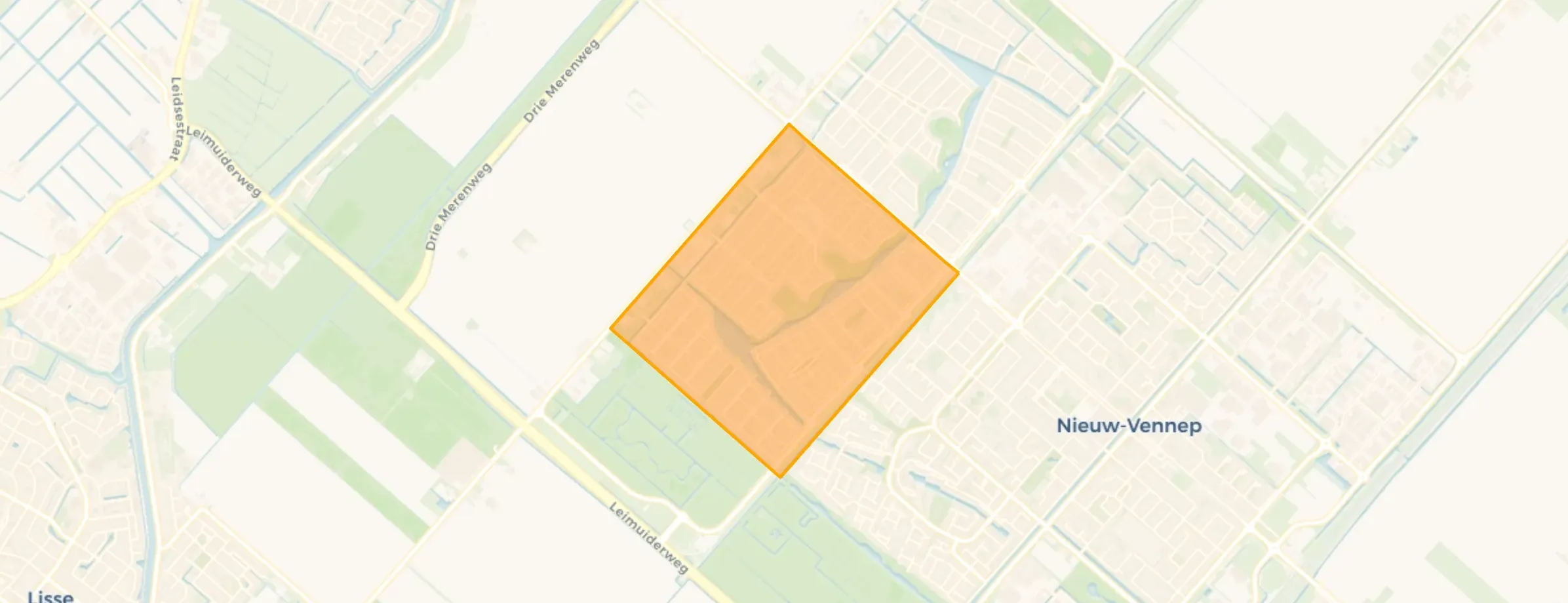
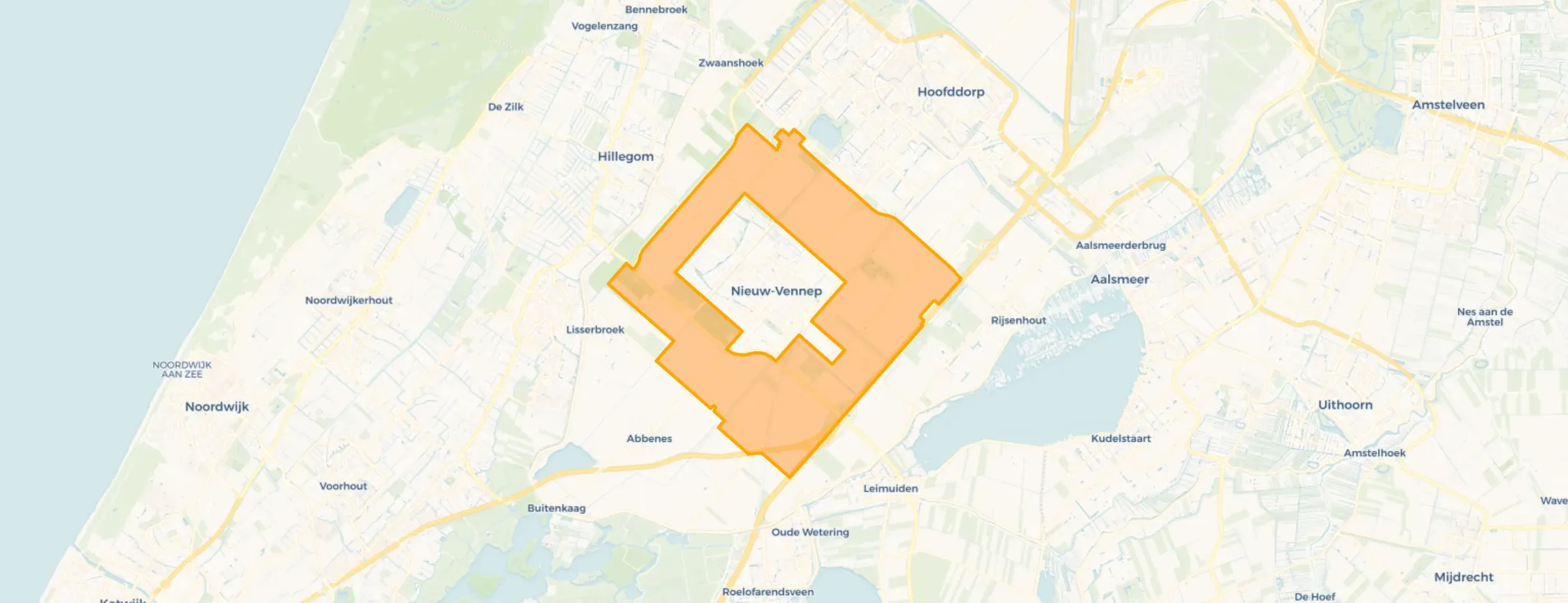
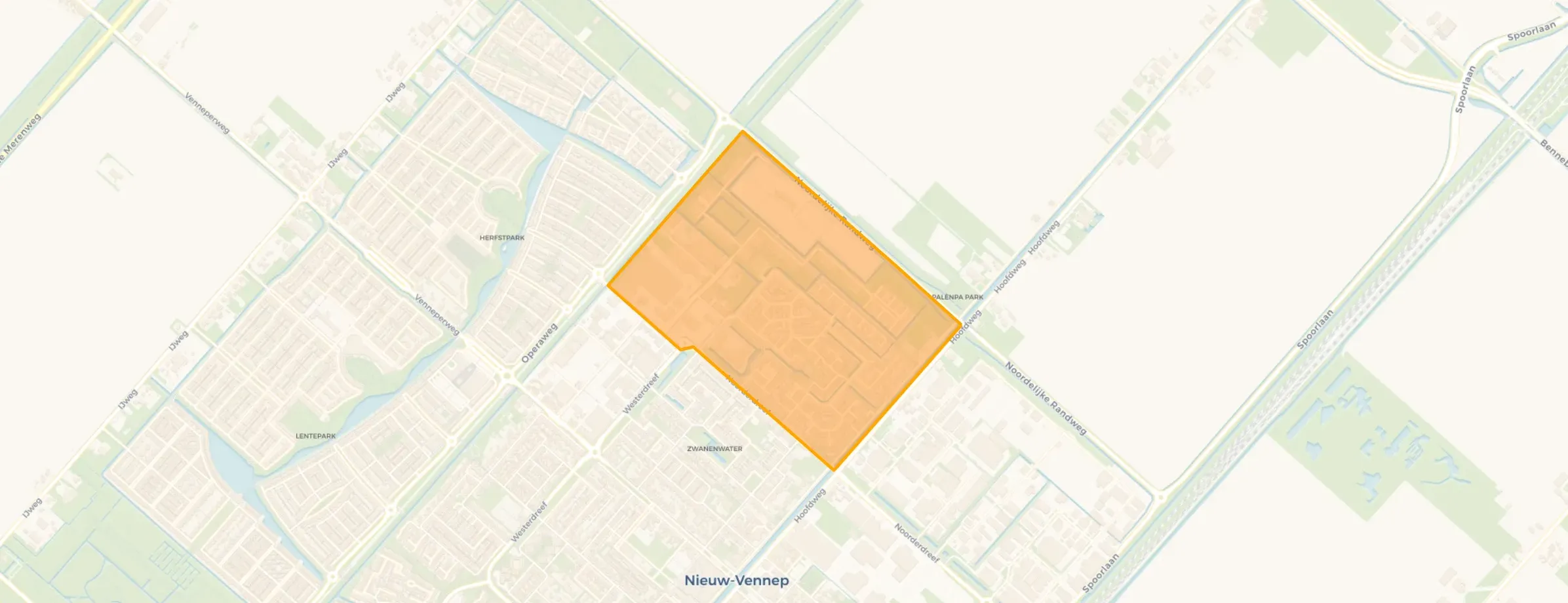
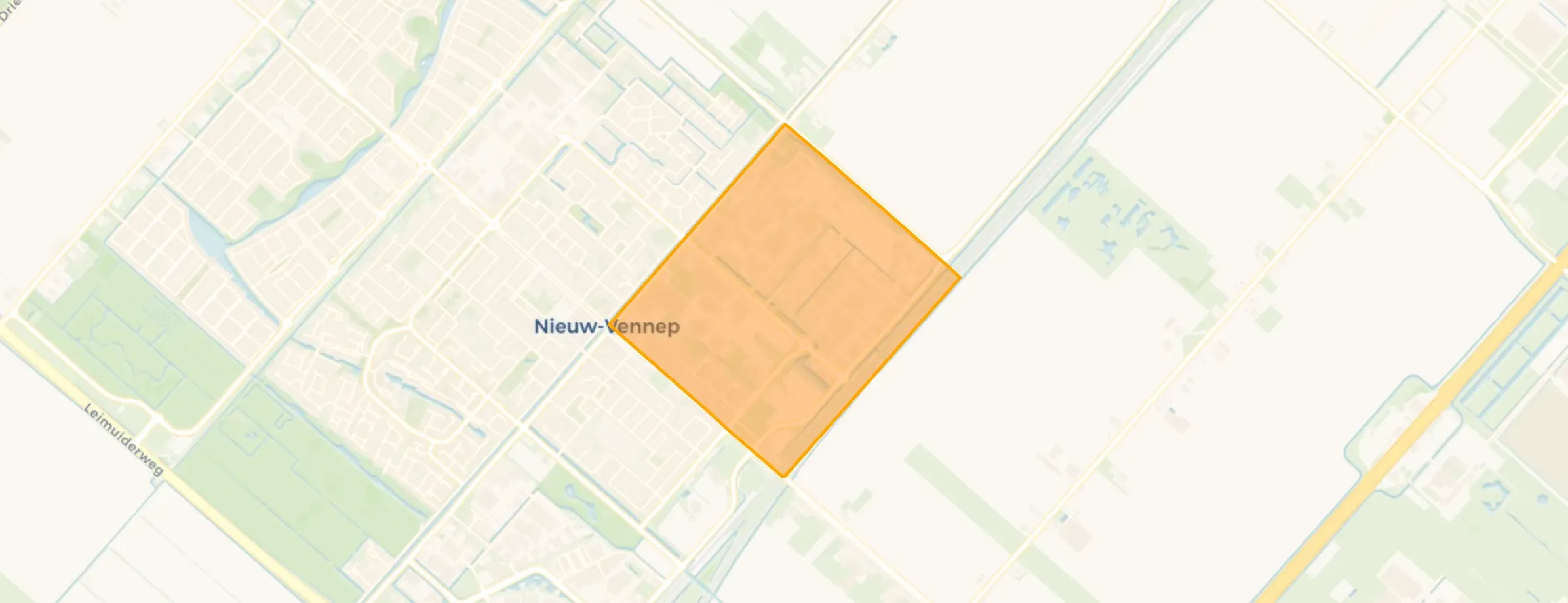
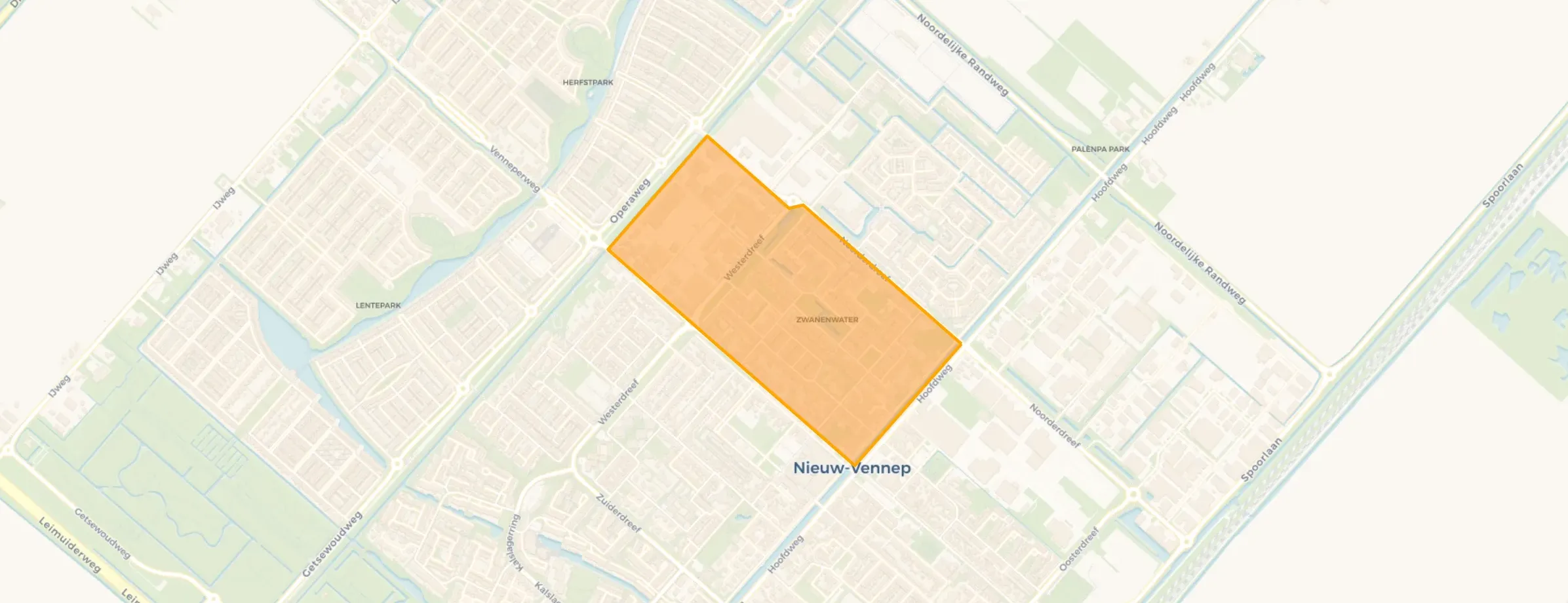
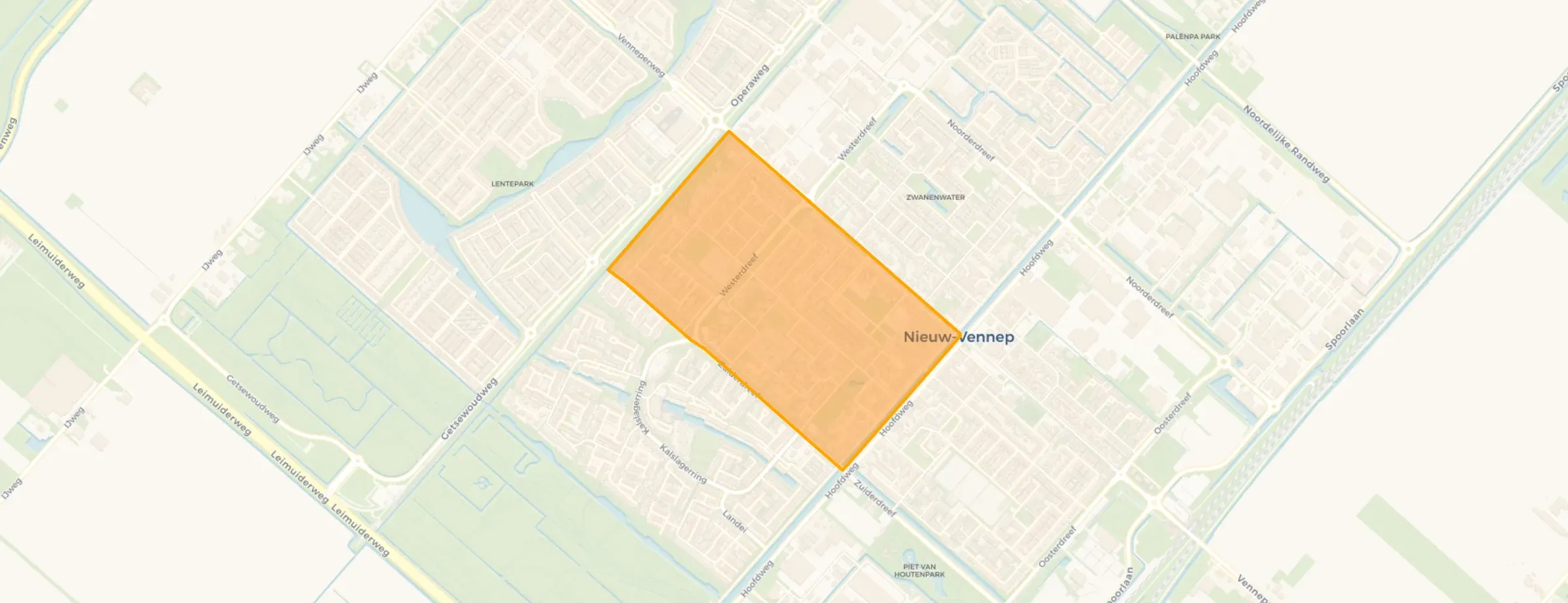
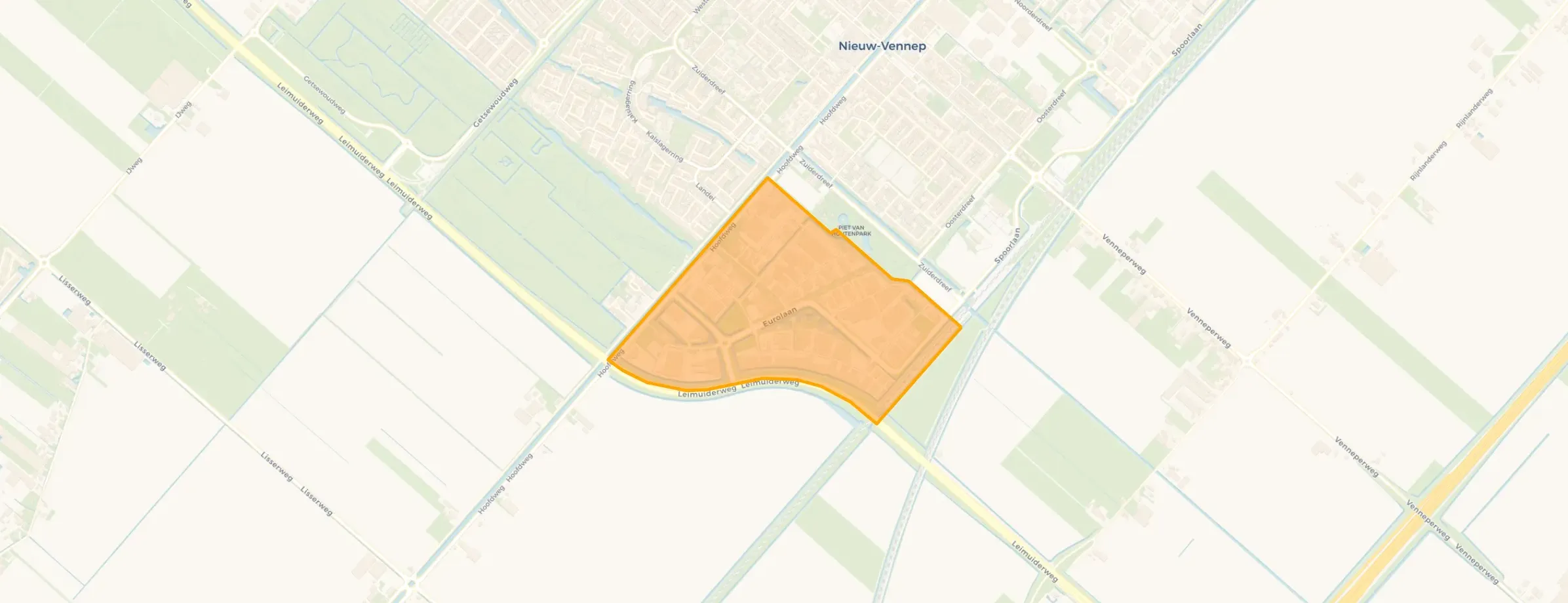
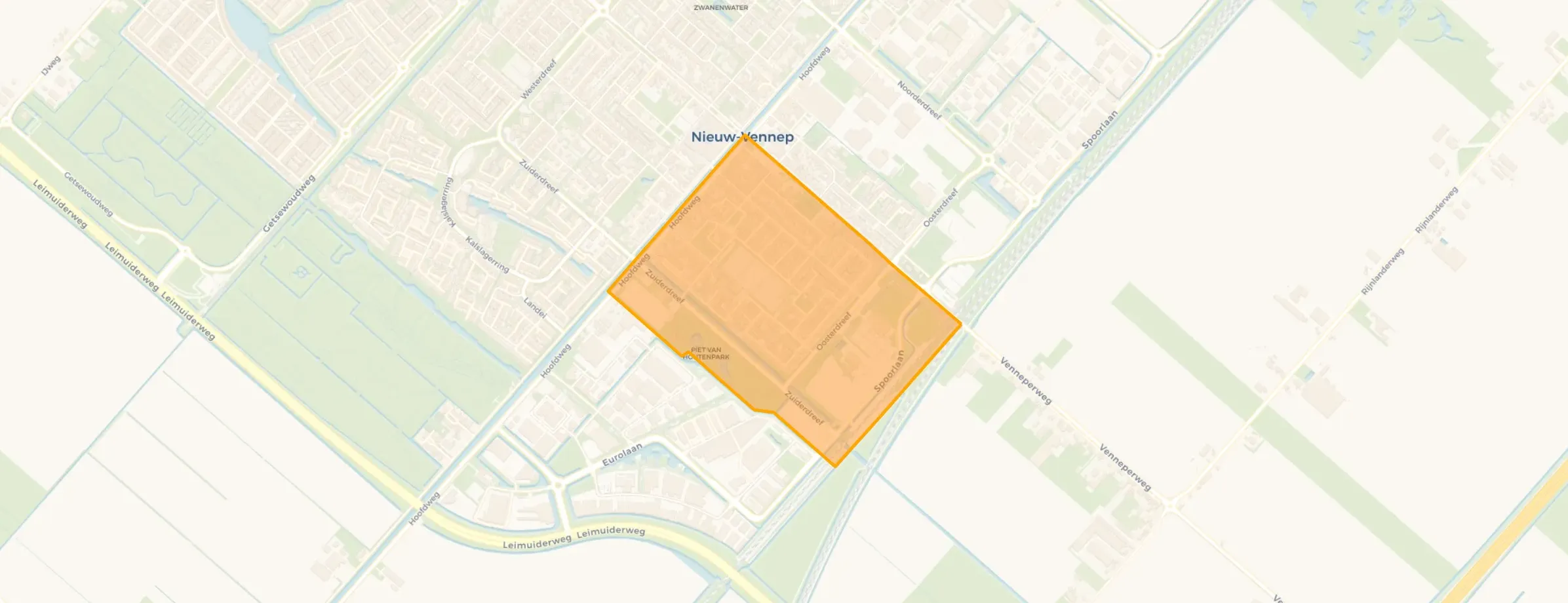
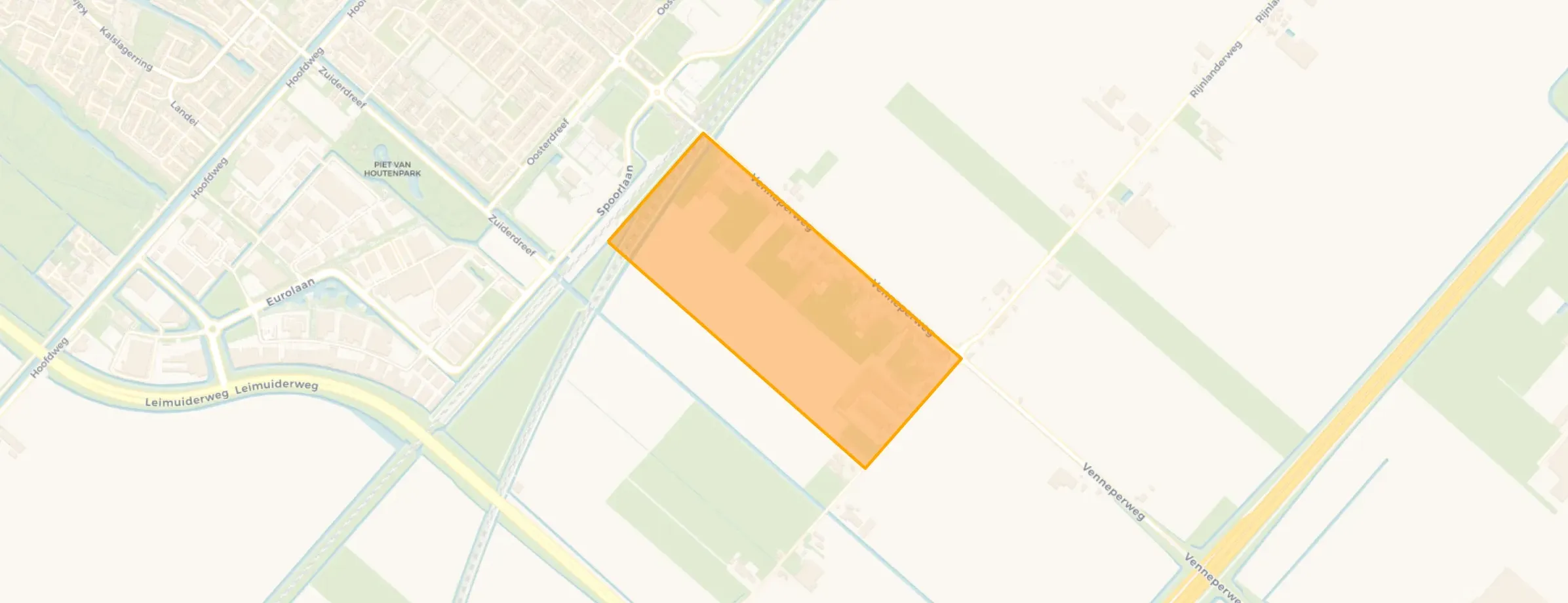
Nieuw-Vennep is located in the province of Noord-Holland, in the municipality of Haarlemmermeer The district has a total area of 3.420 hectares, of which 3.350 hectares are land and 70 hectares are water. The district is coded as WK039402. The postcode area is 2151AA-2153SB.
Nieuw-Vennep has 31.760 residents. Of these, 49,5% are men and 50,5% are women. Most residents are 45 to 65 years (30,8%). The other age groups are 22,4% for '25 to 45 years', 16,6% for '0 to 15 years', 15,5% for '65 years or older' and 14,7% for '15 to 25 years'. Of the residents, 48,8% is unmarried, 40,1% is married, 7,2% is divorced and 3,9% is widowed. 22.250 residents originate from the Netherlands, 2.830 come from Europe and 6.680 come from countries outside Europe.
There are 12.765 households in Nieuw-Vennep. 28,7% of these are single-person households, 25,0% households without children and 46,3% households with children. The average household size is 2,5 persons.
In Nieuw-Vennep there are 24.900 income recipients. The average income per income recipient is €41.400, which is €5.600 (16%) higher than the national average of €35.800. Per resident, the average income is €33.200, which is €4.000 (14%) higher than the national average of €29.200. Most residents of Nieuw-Vennep are educated to an intermediate level. 43,5% have an intermediate education (HAVO, VWO or MBO 2-4), 31,4% have a university or higher professional education (HBO/WO) and 25,0% have a lower education (VMBO or MBO 1).
Of the 31.760 residents, around 71% are in paid employment, which amounts to 22.550 people. This is 6% higher than the national average of 65%. The majority of workers are in salaried employment (86%), while 14% are self-employed. In Nieuw-Vennep, 19% of residents receive a benefit. The largest group is those receiving a state pension (AOW). 4.390 people receive this benefit.
In Nieuw-Vennep there are 12.472 homes with an average assessed value (WOZ) of €456.000. Of these, around 97% are occupied and 3% unoccupied. Most homes are owner-occupied. This amounts to 30% rental homes and 70% owner-occupied homes. Of the homes, 71% privately owned, 21% owned by housing associations and 8% owned by other landlords. The most common construction periods in Nieuw-Vennep are 2000-2010 (32%) and 1990-2000 (19%).
There are currently no homes for sale in Nieuw-Vennep. The most recently listed home is Beveren 8 by Jeroen van den Boogaard Makelaars op Funda. No homes were sold in Nieuw-Vennep over the past year.
There are currently no homes for rent in Nieuw-Vennep. The most recent home is Hofpoort 65, offered by Brockhoff Verhuur. No homes were let in Nieuw-Vennep over the past year.
No recent rental data available for Nieuw-Vennep.
In Nieuw-Vennep there are 13.460 addresses with a registered energy label. The most common labels are A (39%), B (23%) and C (20%). On average, an address in Nieuw-Vennep uses 3.000 kWh of electricity per year. This is 7% above the national average of 2.810 kWh. With an annual consumption of 960 m³ per address, natural gas consumption is 25% below the national average of 1.280 m³.
We have reasonable contact with each other, but if you don't have family in the neighbourhood, you could lie dead in your house for a month; it's still every man for himself. For hygiene, the streets are not cleaned, the street is uneven, you have to watch where you walk. For housing, more maintenance is needed; my house is damp, my kitchen lock is broken, the skylight hasn't been fixed properly, and I'm heating like crazy to keep warm, and it's only November.
Auto-translated to English by AII came to live at Oostmoor 22 when it was new. At first, very good contact with the fellow residents. Now partly - owner-occupied homes - the contact hasn't improved. Everyone lives in their own bubble, also caused by both partners working. People have no time for others. I myself make frequent use of the neighbourhood centre Linguenda, for a cup of coffee and a meal twice a month. Organised by volunteers. Even though the neighbourhood centre is centrally located in the area, it is still unknown to many. I also go to the meeting centre and C PUNT, to meet others and the belote club. For many elderly people, using a PC or laptop is somewhat complicated, and they therefore miss out on some information. I also use the supermarket for communication; you always run into someone you haven't seen in a while. Ludwig Fauser. optionally phone number 0640391865.
Auto-translated to English by AII do think it has become quite chavvy, there are many loitering youths at the shops and in the parks making noise and causing nuisance and mess. There are plenty of shops and ways to reach public transport, and there are also plenty of schools, so that is a plus point. Safety is quite poor. In the evenings, if you want to cycle alone, it has become quite scary because there are very unpleasant people around who often harass you. This is especially around the IJweg and the Kikkers (hockey) and at the Symfonie. In the evenings, there are also many drunk young people around the Symfonie. There is occasional enforcement, but they don't do much. More checks and stricter controls are needed.
Auto-translated to English by AIYoung people make a lot of noise in the evenings/nights and sometimes threaten. Then they hang out in the park and shout, etc.
Auto-translated to English by AIIt's a safe neighbourhood, there is good education and good primary schools, and there are many shops nearby and many supermarkets, public transport is very nice, many buses run, there are also several sports clubs, and beautiful nature, the neighbourhood is very cosy and parties are also organised and they are very cosy!!
Auto-translated to English by AIThere's quite a lot to do in our neighbourhood. This is also because there's a nice community centre. So there's something for everyone. In one word: cosy!
Auto-translated to English by AIEnjoy the surroundings and hearing the kids play outside. It's a wonderful place to stay
Auto-translated to English by AILive very nicely
Auto-translated to English by AI
The housing stock is relatively young — 60% dates from after 1990. In addition, the most common type is terraced houses (52%).
Over the past year a home for sale in Nieuw-Vennep was listed for an average of €591,312 (€4,567 per m²). Last quarter prices rose by 5%.
A rental home in Nieuw-Vennep cost an average of €2,066 per month (€22 per m²).
Residents give Nieuw-Vennep a 7.5 out of 10 based on 11 reviews. Especially accessibility (8.2) scores well; housing (6.5) receives the lowest rating.
Wijk Nieuw-Vennep has 31,760 residents. The largest age group is 45 to 65 years (31%). Many families: 46% of the households have children.
The housing supply in Nieuw-Vennep is remarkably efficient: 72% has an A, A+ or B label. The average natural gas consumption per household is 960 m³ per year.
From Nieuw-Vennep you can on average reach a supermarket at 1.2 km, a GP at 1.3 km, a railway station at 2.9 km, a primary school at 0.9 km (as the crow flies, source: CBS).
Right now you will find 135 homes for sale and 9 homes for rent in Nieuw-Vennep.

Buurtje.nl uses cookies to make the site work and to improve it. In doing so, we process data such as your IP address and the pages you visit.
We use this data for three purposes: running the website (functional), measuring visits so we can improve Buurtje.nl (analytics), and — if you allow it — tailoring ads to your interests (marketing).
How we handle your data is described in our privacy policy. You can change your preferences at any time via 'Cookie preferences' at the bottom of every page.
Choose per category which cookies we may place. Read more in our privacy policy.