Municipality in Noord-Holland
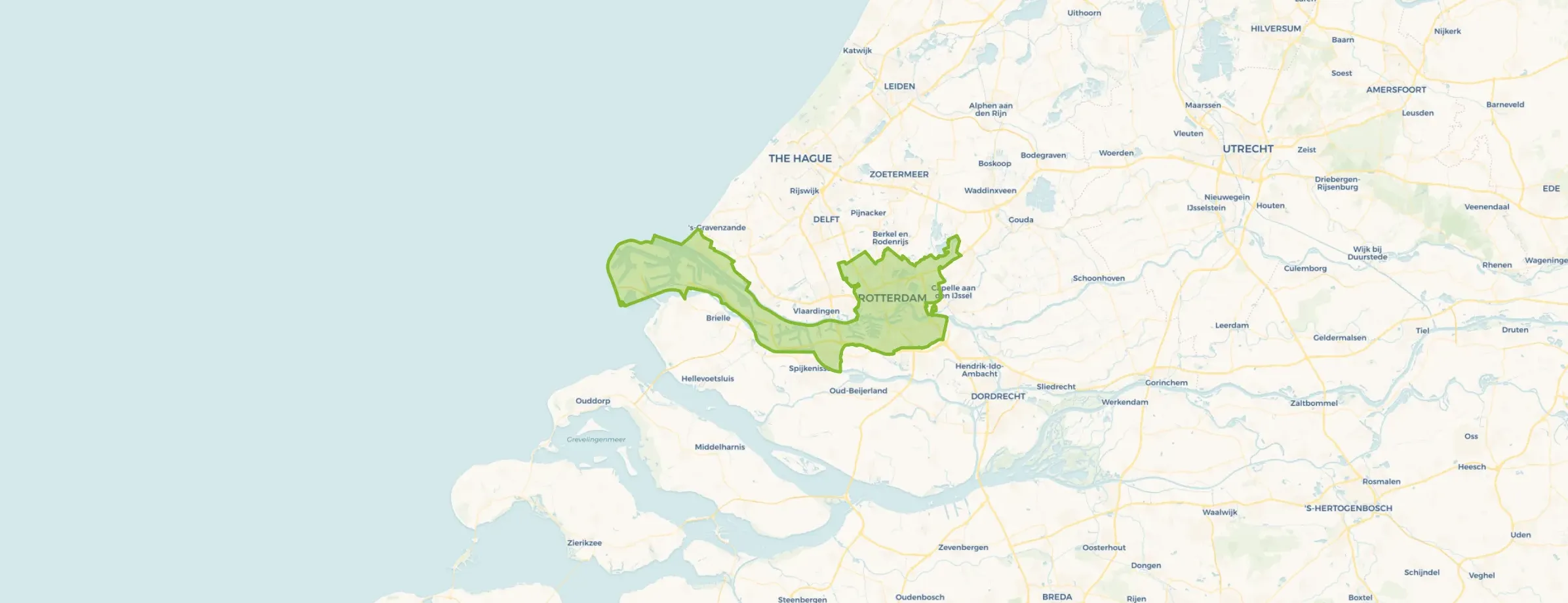
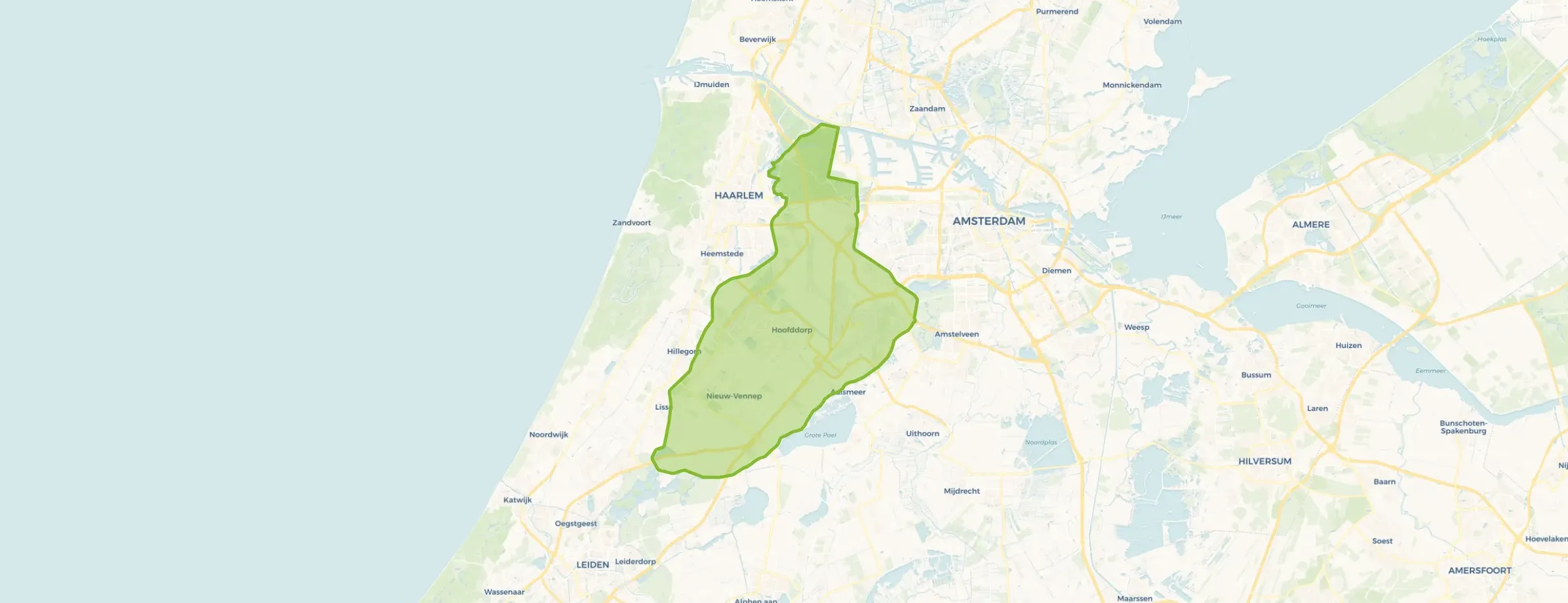
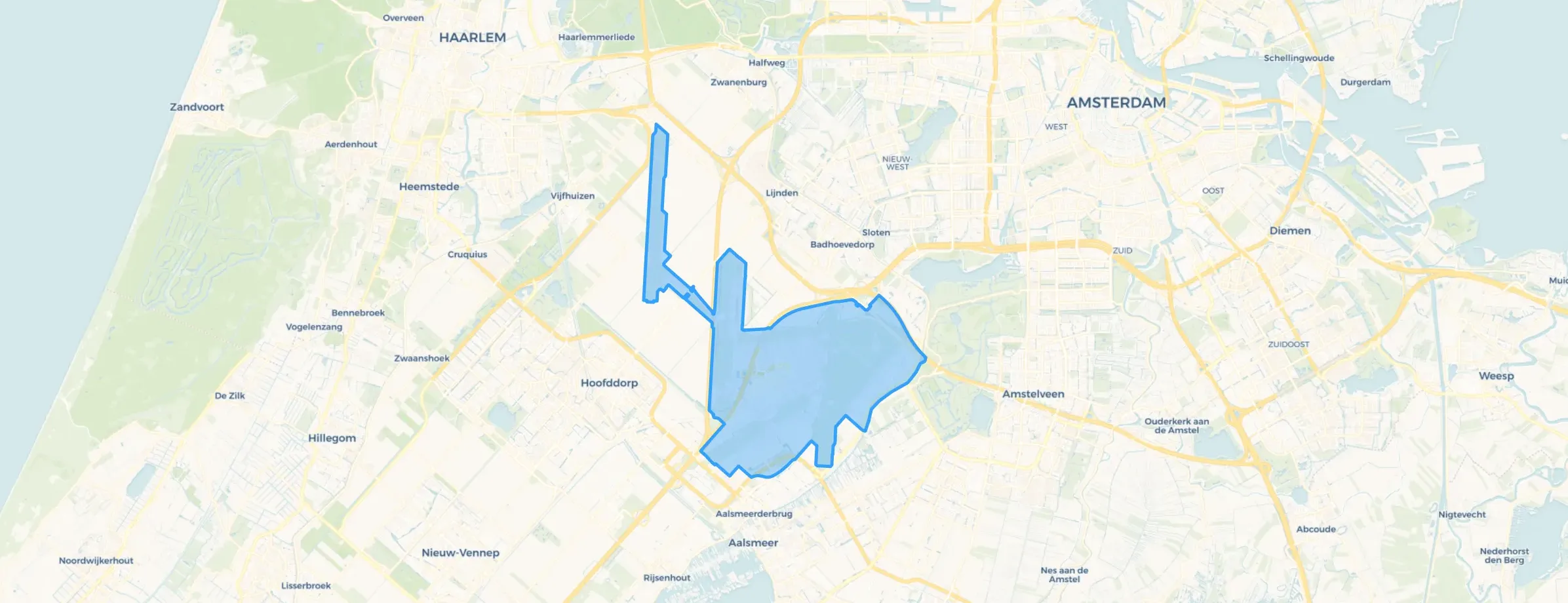
Haarlemmermeer is located in the province of Noord-Holland The municipality has a total area of 20.631 hectares, of which 19.721 hectares are land and 910 hectares are water. The municipality is coded as GM0394. The postcode area is 1117BC-2165XZ.
Haarlemmermeer has 165.255 residents. Of these, 49,9% are men and 50,1% are women. Most residents are 45 to 65 years (28,4%). The other age groups are 24,7% for '25 to 45 years', 18,1% for '65 years or older', 16,1% for '0 to 15 years' and 12,7% for '15 to 25 years'. Of the residents, 49,0% is unmarried, 39,9% is married, 7,1% is divorced and 3,9% is widowed. 106.196 residents originate from the Netherlands, 16.102 come from Europe and 42.957 come from countries outside Europe.
There are 70.473 households in Haarlemmermeer. 32,7% of these are single-person households, 26,5% households without children and 40,8% households with children. The average household size is 2,3 persons. The national average is 2,1 persons.
In Haarlemmermeer there are 130.900 income recipients. The average income per income recipient is €46.800, which is €4.600 (11%) higher than the national average of €42.200. Per resident, the average income is €38.200, which is €3.300 (9%) higher than the national average of €34.900. Most residents of Haarlemmermeer are educated to an intermediate level. 41,8% have an intermediate education (HAVO, VWO or MBO 2-4), 33,3% have a university or higher professional education (HBO/WO) and 24,9% have a lower education (VMBO or MBO 1).
Of the 165.255 residents, around 76% are in paid employment, which amounts to 125.594 people. This is 4% higher than the national average of 72%. The majority of workers are in salaried employment (84%), while 16% are self-employed. In Haarlemmermeer, 22% of residents receive a benefit. The largest group is those receiving a state pension (AOW). 26.540 people receive this benefit.
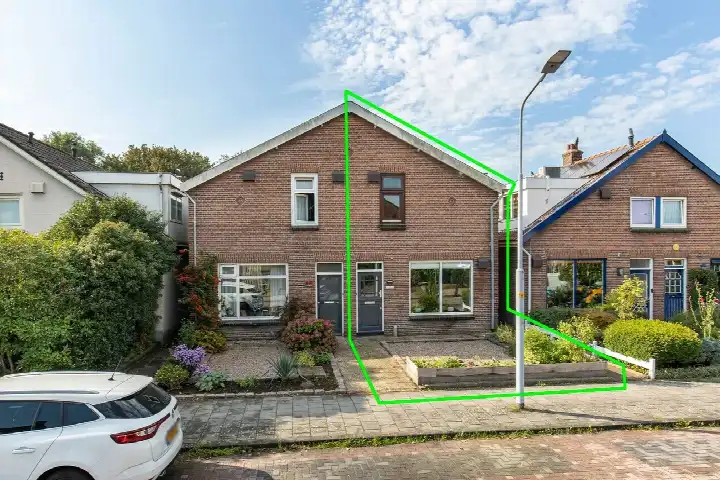
In Haarlemmermeer there are 68.125 homes with an average assessed value (WOZ) of €499.000. Of these, around 96% are occupied and 4% unoccupied. Most homes are owner-occupied. This amounts to 33% rental homes and 67% owner-occupied homes. Of the homes, 67% privately owned, 22% owned by housing associations and 11% owned by other landlords. The most common construction periods in Haarlemmermeer are 2000-2010 (21%) and 1980-1990 (16%).
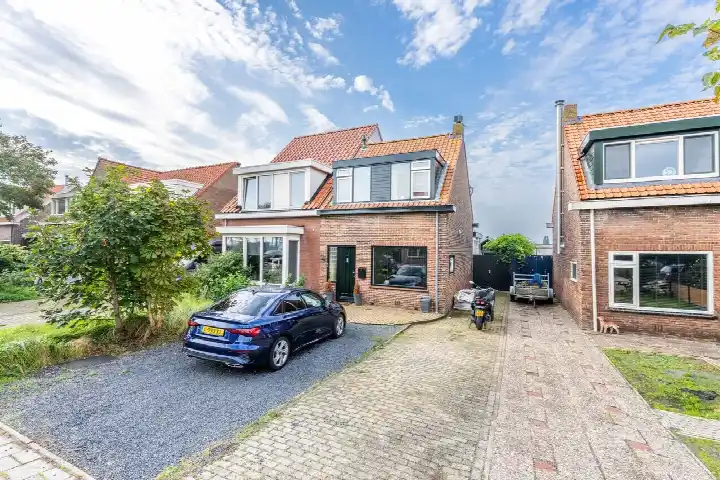
There are currently no homes for sale in Haarlemmermeer. The most recently listed home is Venneperweg 482 by Koppers Makelaardij. No homes were sold in Haarlemmermeer over the past year.
There are currently no homes for rent in Haarlemmermeer. The most recent home is Niemeyerstraat 68, offered by Mooijekind Vleut Makelaars Haarlemmermeer op Funda. No homes were let in Haarlemmermeer over the past year.
No recent rental data available for Haarlemmermeer.
In Haarlemmermeer there are 47.520 addresses with a registered energy label. The most common labels are A (38%), C (19%) and B (18%). On average, an address in Haarlemmermeer uses 2.780 kWh of electricity per year. This is 9% above the national average of 2.550 kWh. Natural gas consumption, at 820 m³ per year, is 3% above the national average of 800 m³.
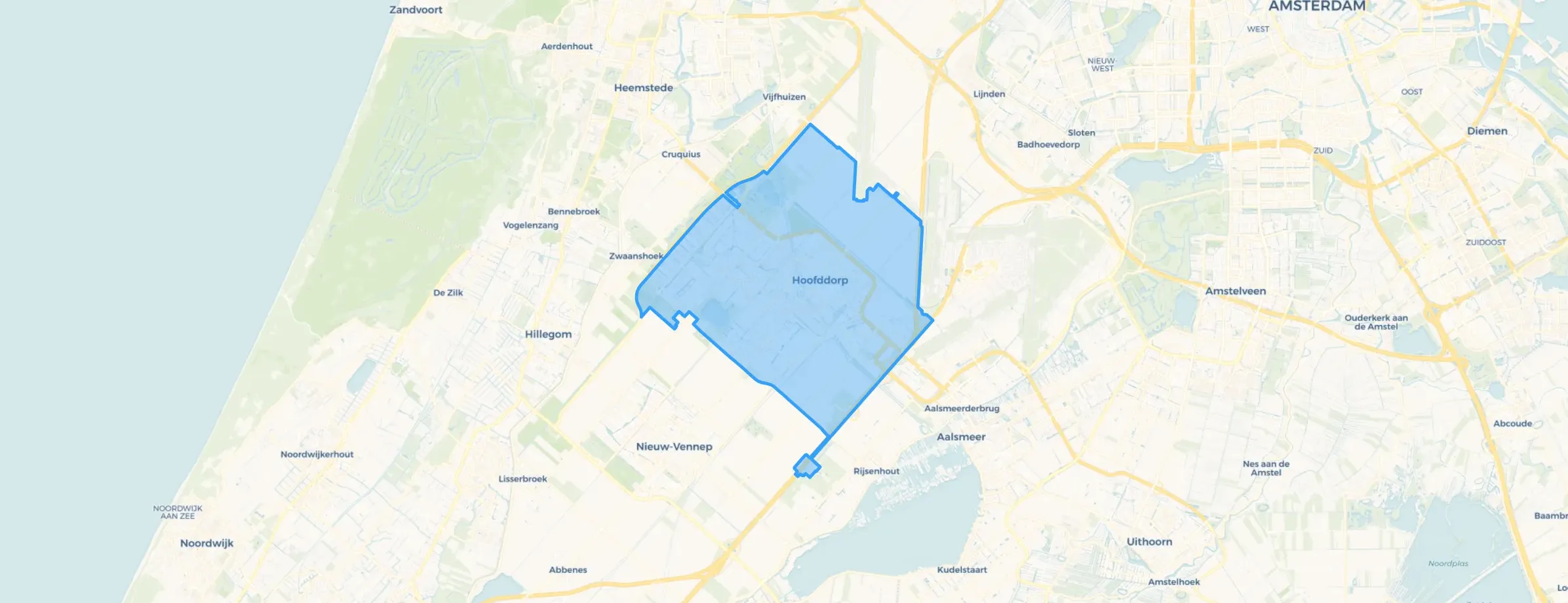


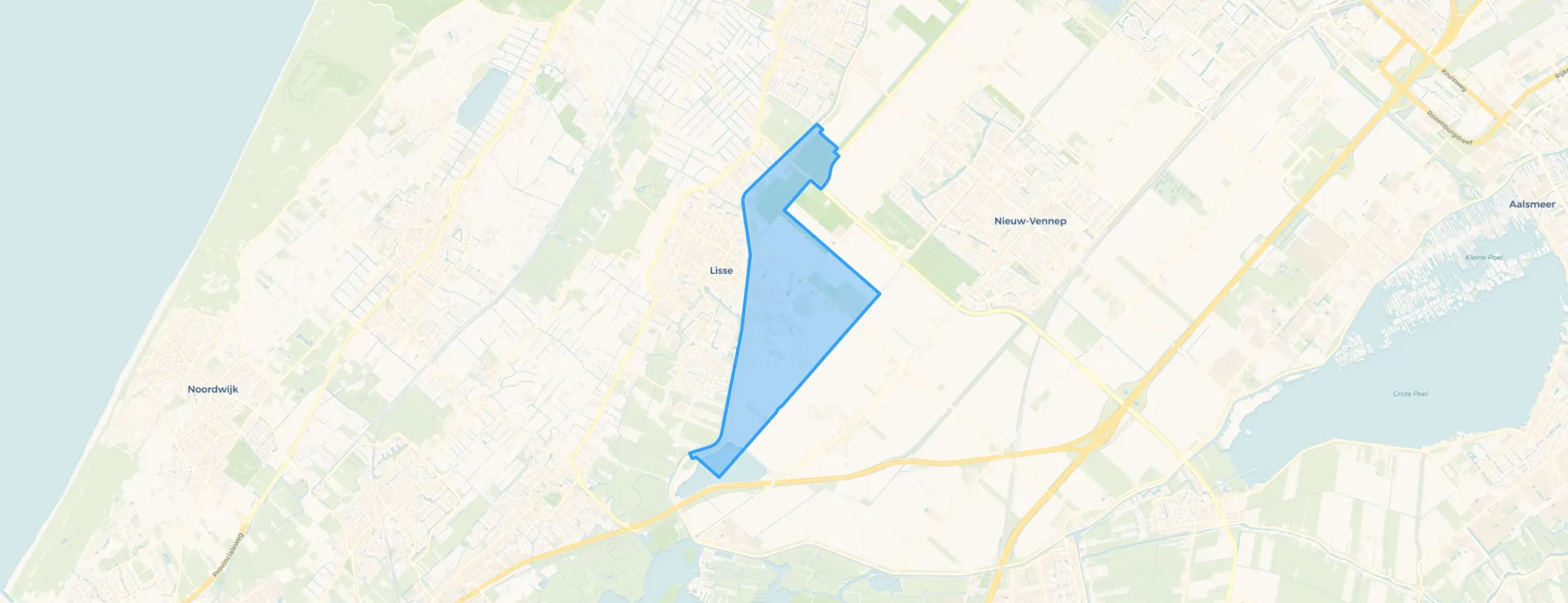

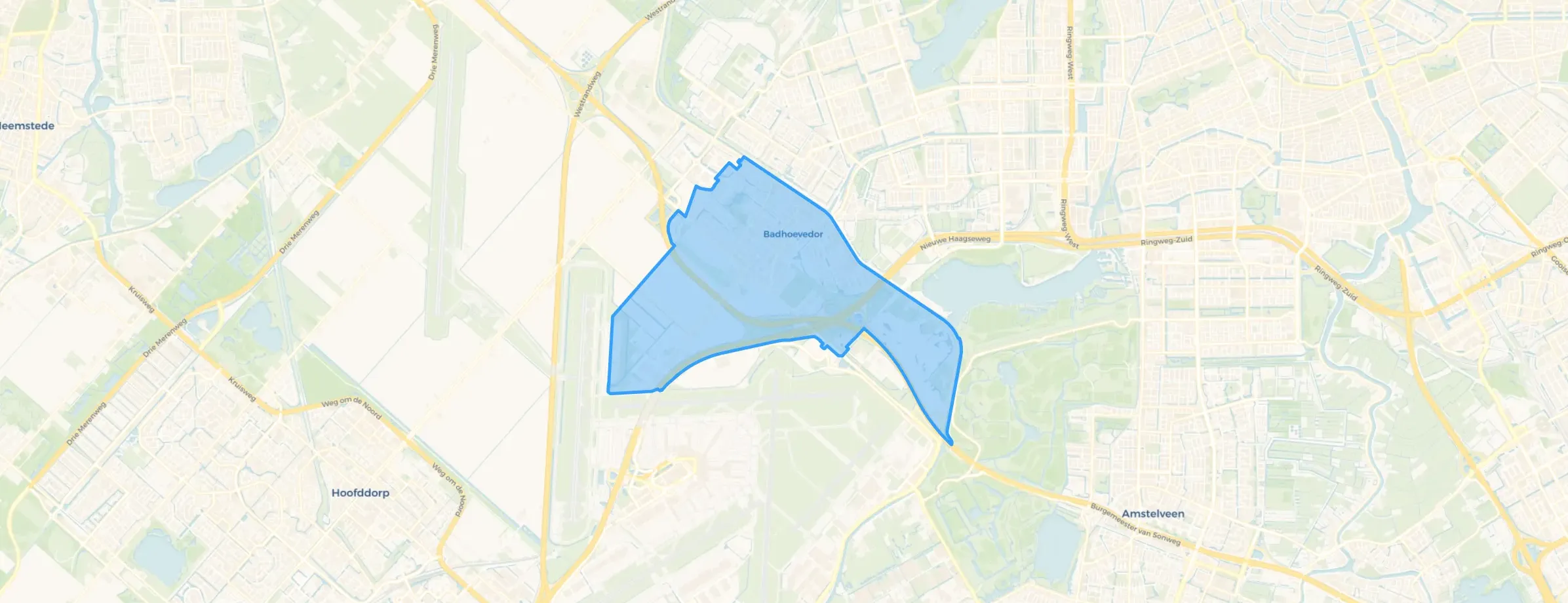
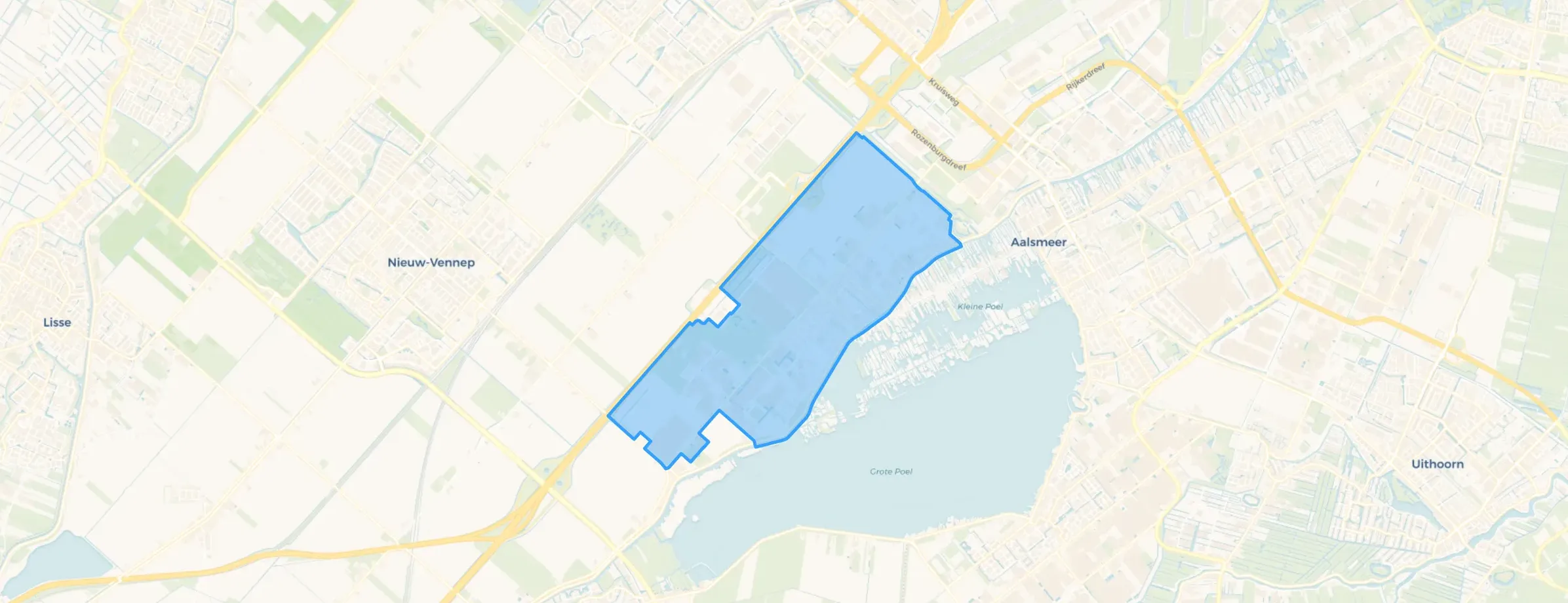

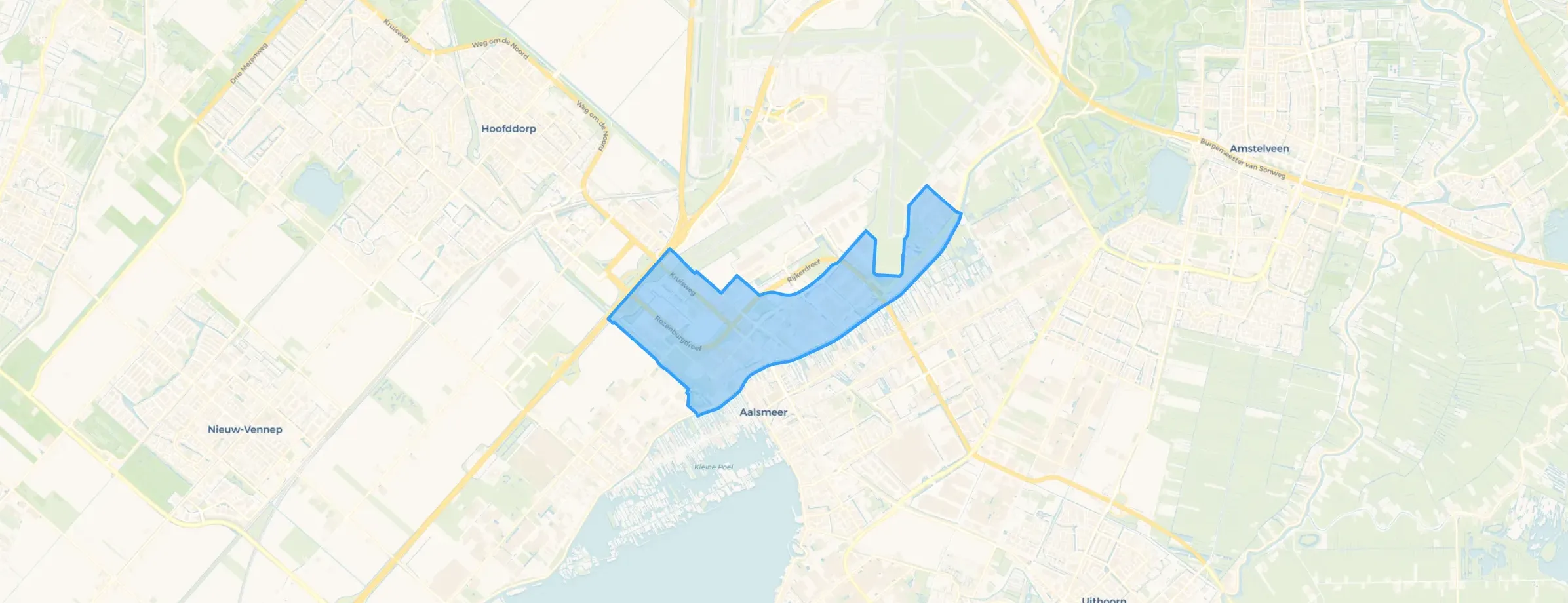
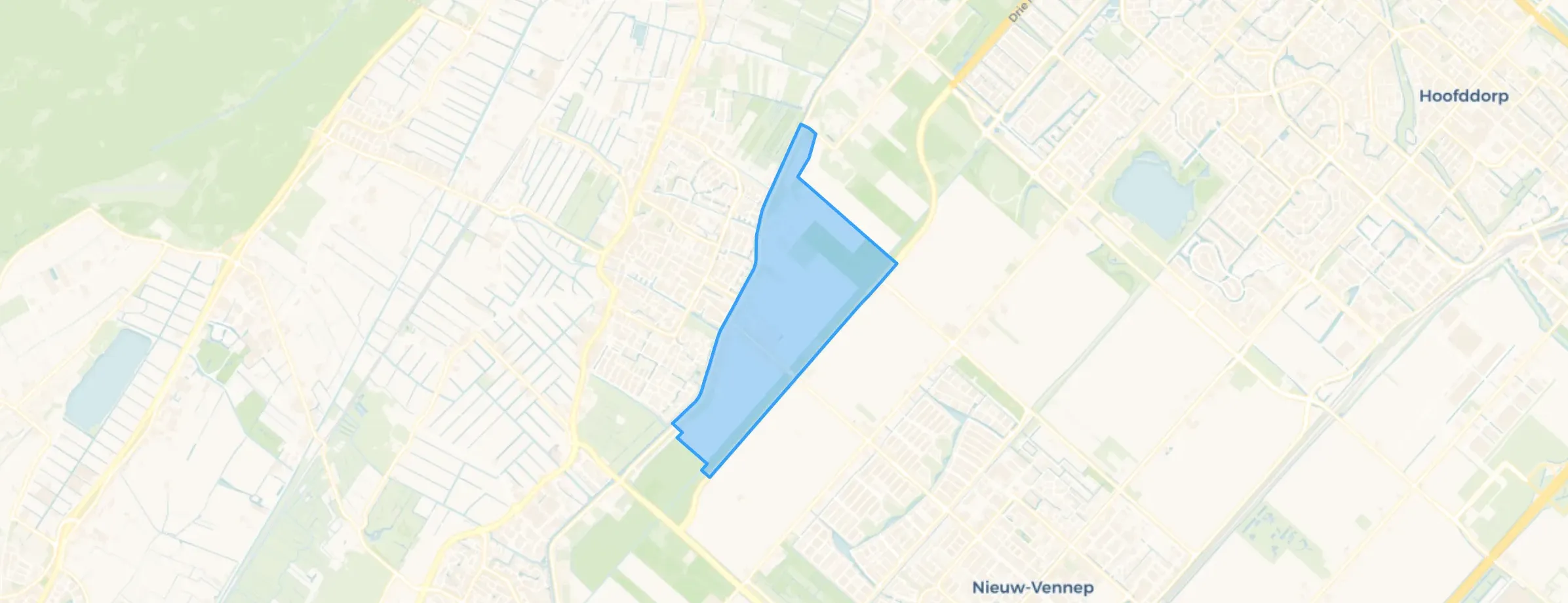
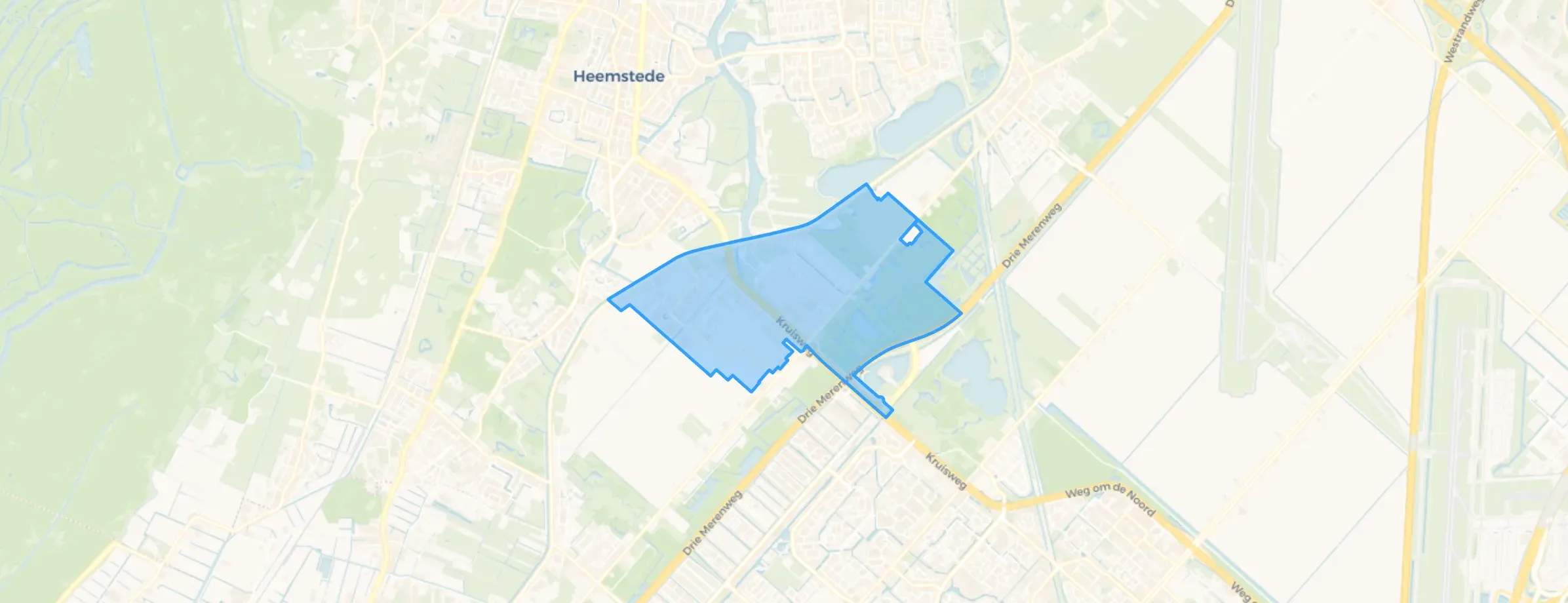
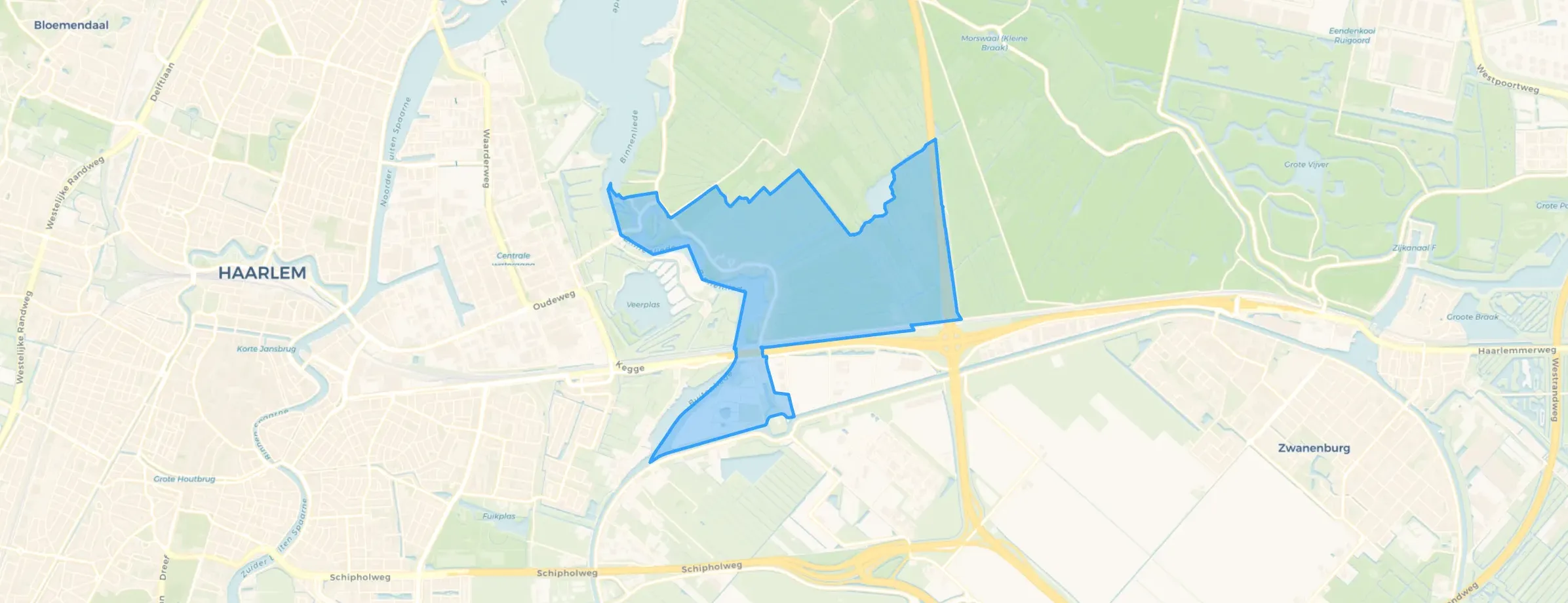
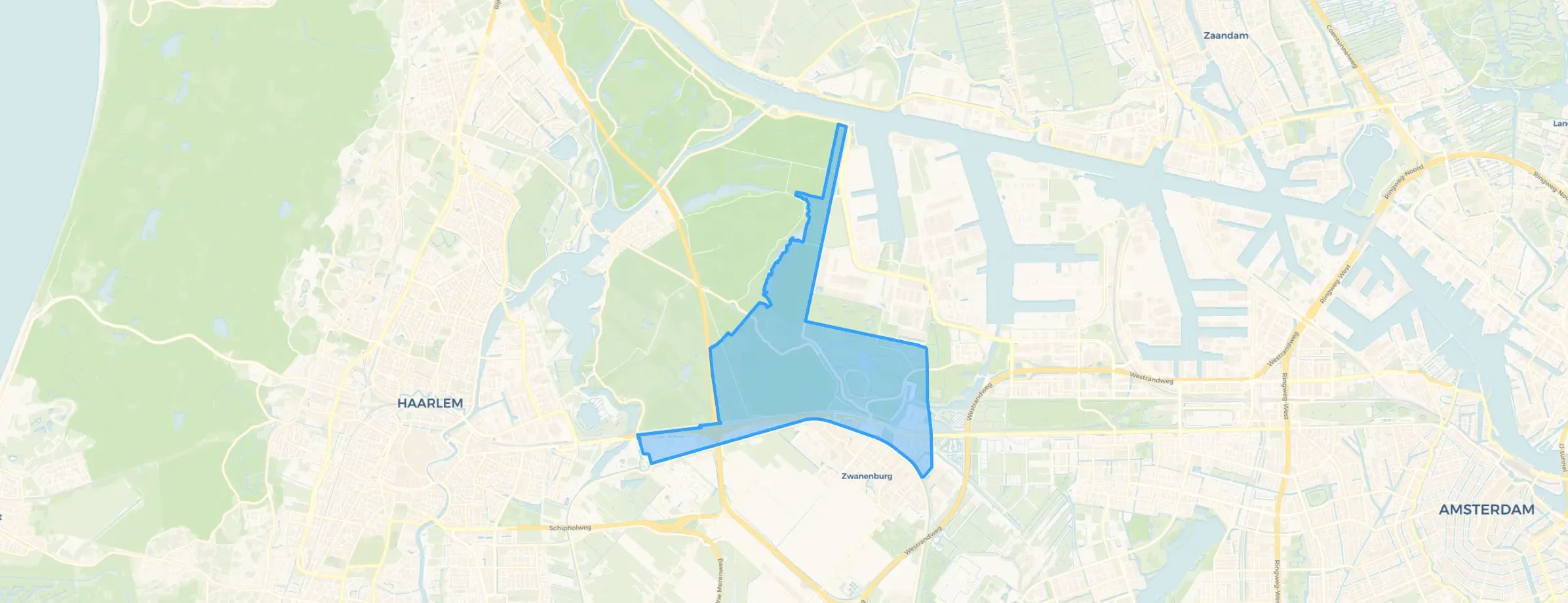

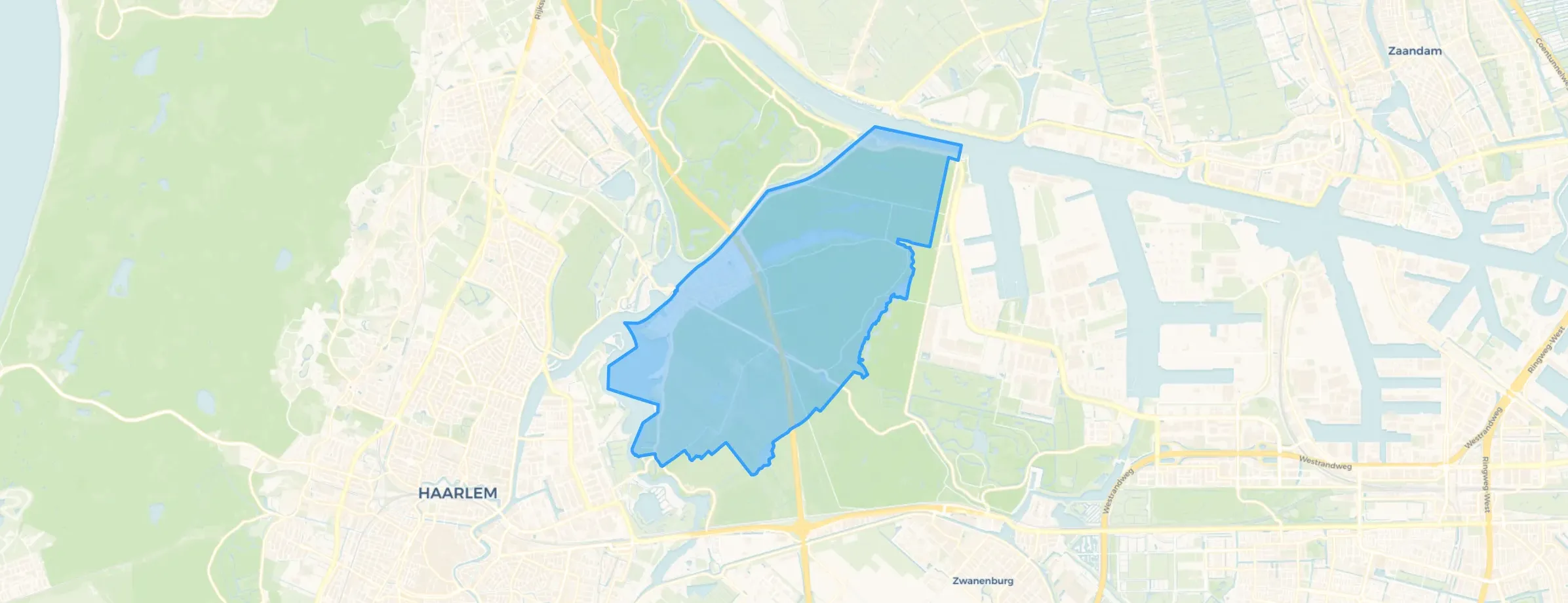

Toolenburg Oost offers an excellent combination of green surroundings, good schools, excellent connectivity and everyday convenience. It is a peaceful, family-friendly neighbourhood with everything you need close by. Daycare, primary and secondary schools are within walking distance, with several facilities less than 300 metres away. The neighbourhood has plenty of greenery, playgrounds, walking and cycling routes, making it a great environment for families and children. Hoofddorp city centre is only around 1.5 km away, offering shops, supermarkets, restaurants, cafés and other amenities. Excellent cycling and road connections make commuting to Schiphol, Amsterdam, Haarlem and other parts of the Randstad convenient. For families considering international education, Optimist International Academy is approximately 3 km by bicycle and 5.5 km by car. With nature, schools, shopping, recreation and transport all within easy reach, Toolenburg Oost offers a wonderful balance between peaceful living and urban convenience — making it a great place to call home.
Auto-translated to English by AIGreate neighborhood for young couple
Auto-translated to English by AIIt's quite quiet and damp. It's also very cosy, children enjoy playing with each other.
Auto-translated to English by AIFortunately, everything is reasonably close by, such as Haarlem, Hoofddorp.
Auto-translated to English by AIIt's lovely living here, you know the neighbours, contact, and close to a small park, shops, and a retirement home. Pleasant, 10 minutes' walk to a recreational lake.
Auto-translated to English by AIWe have reasonable contact with each other, but if you don't have family in the neighbourhood, you could lie dead in your house for a month; it's still every man for himself. For hygiene, the streets are not cleaned, the street is uneven, you have to watch where you walk. For housing, more maintenance is needed; my house is damp, my kitchen lock is broken, the skylight hasn't been fixed properly, and I'm heating like crazy to keep warm, and it's only November.
Auto-translated to English by AIUnaffordable houses are being built, facilities lag behind. Refuse trucks are always on time but the bins and waste containers are not emptied often, resulting in mess on and along the roads and pavements. One road leading to Bloemenbuurt that is full of rubbish due to new construction and through traffic. Too many Moroccan people. Good schools though.
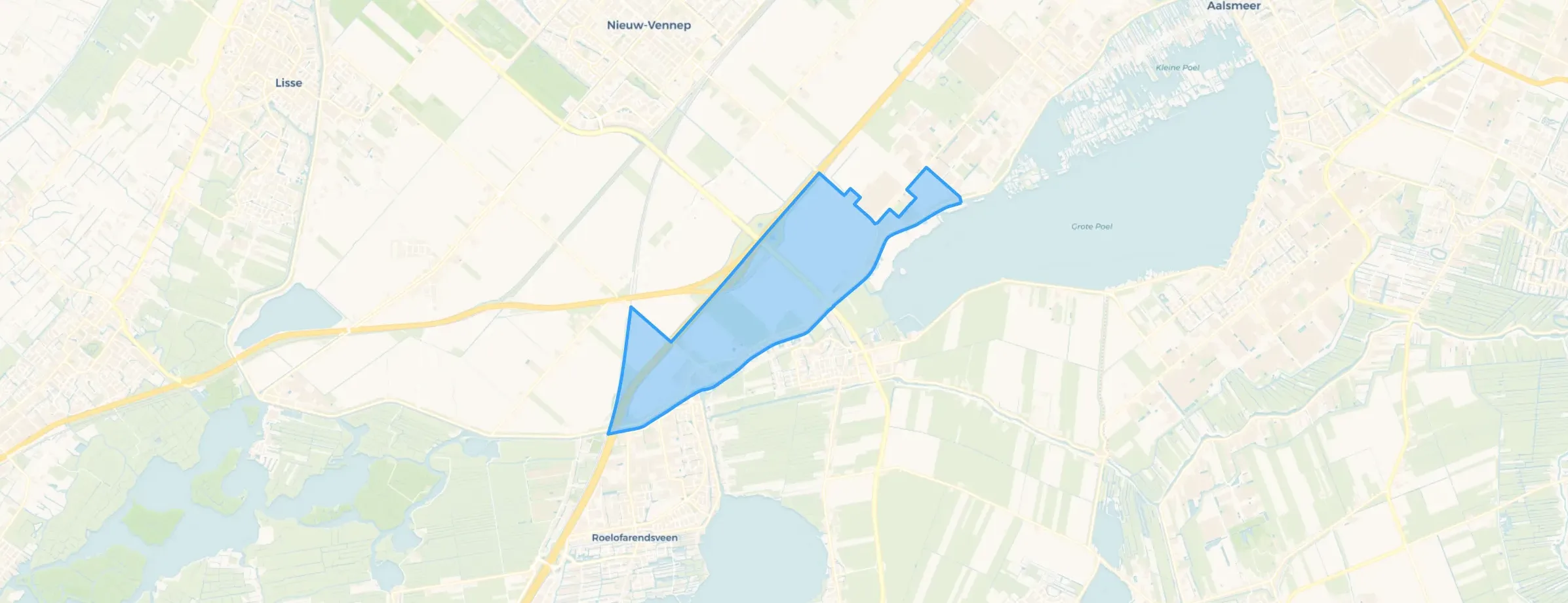
Auto-translated to English by AINice surroundings, quiet, convenient location relative to the A44 (though there are various road closures and diversions until 2030 due to bridge replacements). There are no shops, but a mobile shop comes three times a week for last-minute groceries, otherwise you drive to Sassenheim, Lisse or Nieuw-Vennep. Things are regularly organised in both De Buitenkaag and De Kaag, and thanks to that I've already met several villagers, which makes living here pleasant. A local newspaper appears a few times a year with all sorts of useful information and articles about the villages, residents and/or activities. Very handy!
Auto-translated to English by AIThe housing stock is relatively young — 58% dates from after 1990.
Over the past year a home for sale in Haarlemmermeer was listed for an average of €608,174 (€5,114 per m²). That is 15% above the Dutch national average. Last quarter prices fell by 5%.
A rental home in Haarlemmermeer cost an average of €2,254 per month (€28 per m²).
Residents give Haarlemmermeer a 7.7 out of 10 based on 49 reviews. The strongest score is for safety (8.1), the weakest for housing (7.1).
Gemeente Haarlemmermeer has 165,255 residents. Many families: 41% of the households have children.
The housing supply in Haarlemmermeer is remarkably efficient: 72% has an A, A+ or B label. The average natural gas consumption per household is 820 m³ per year.
From Haarlemmermeer you can on average reach a supermarket at 1.2 km, a GP at 1.1 km, a railway station at 4.1 km, a primary school at 0.9 km (as the crow flies, source: CBS).
Right now you will find 915 homes for sale and 157 homes for rent in Haarlemmermeer.