District in Rotterdam
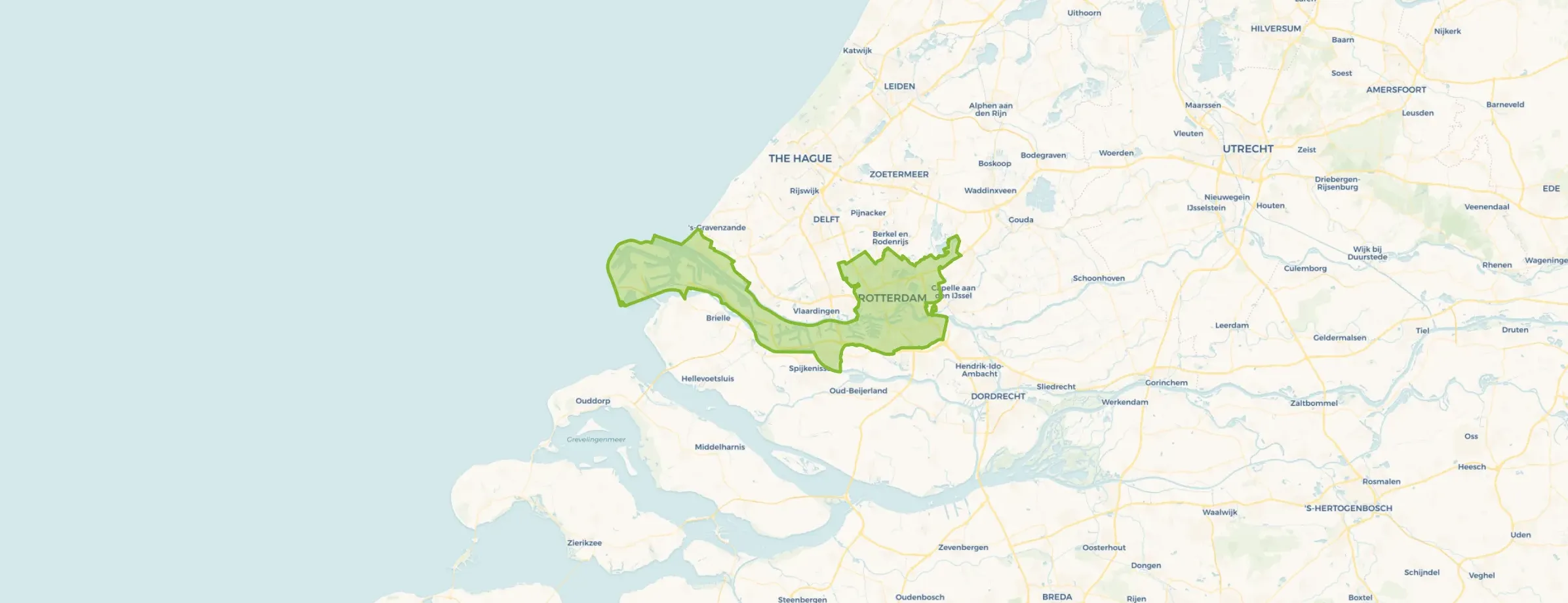
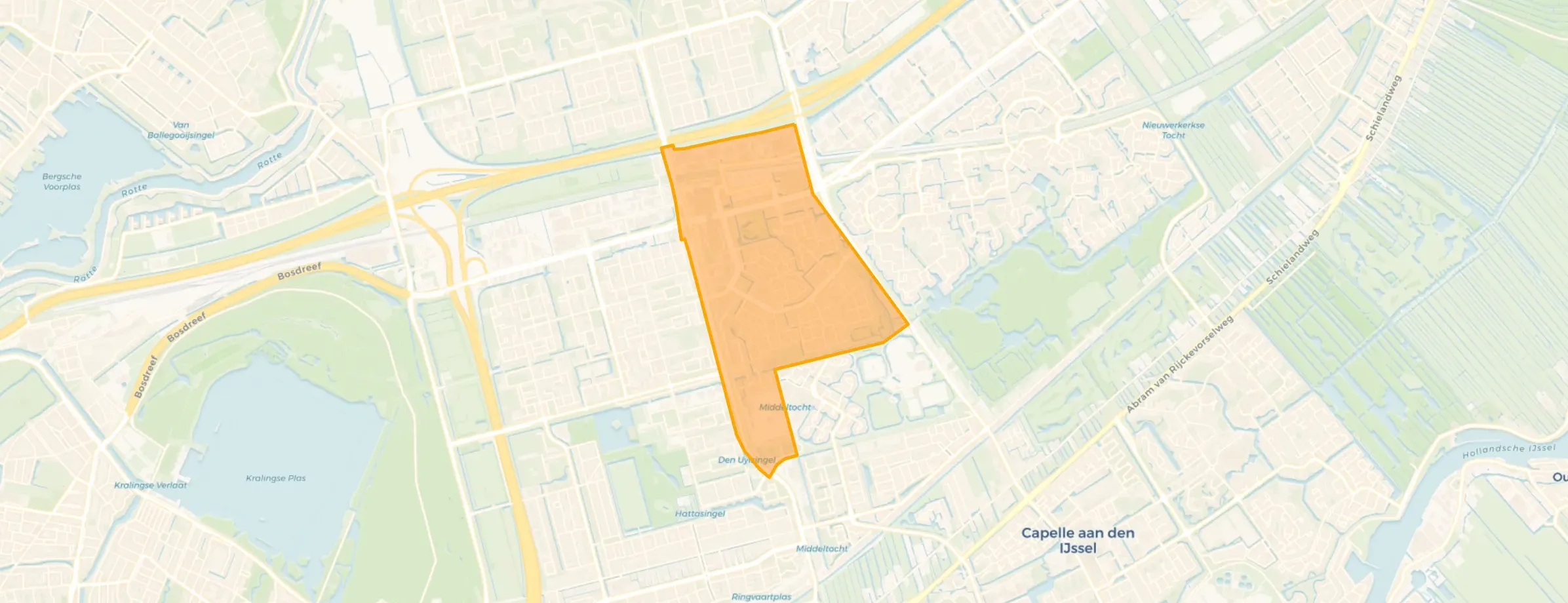
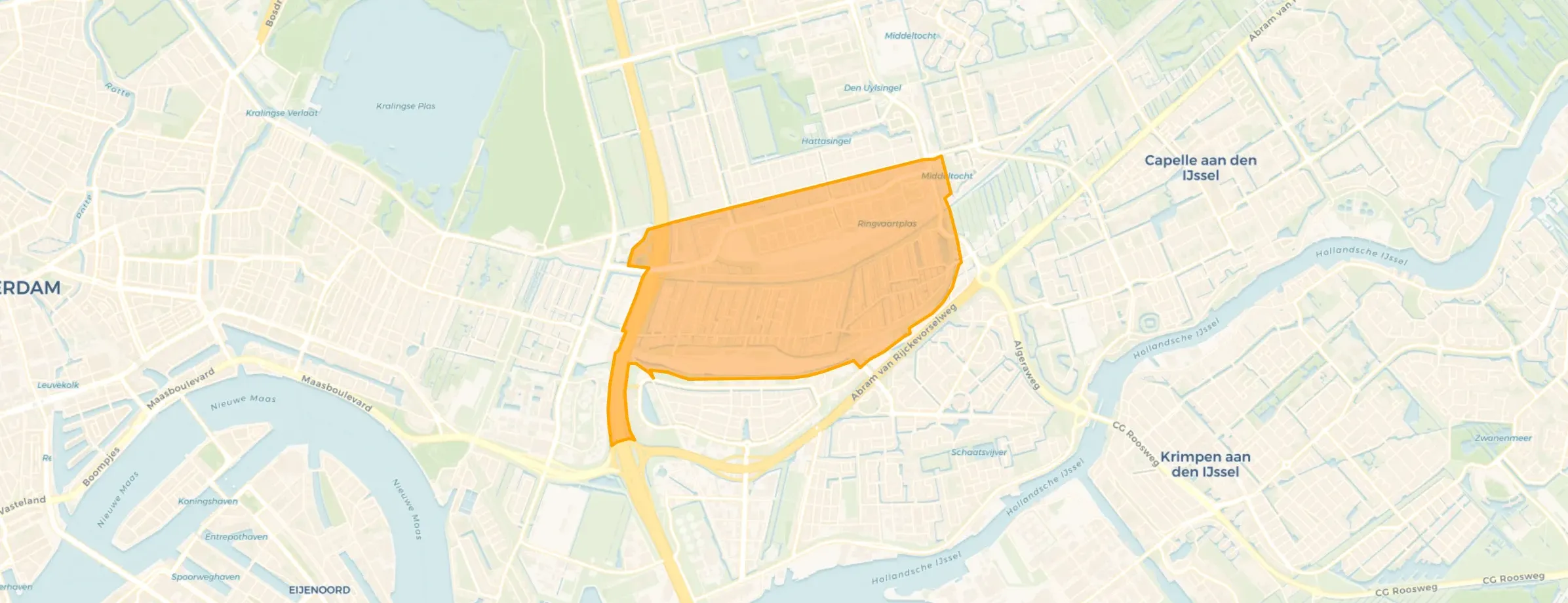
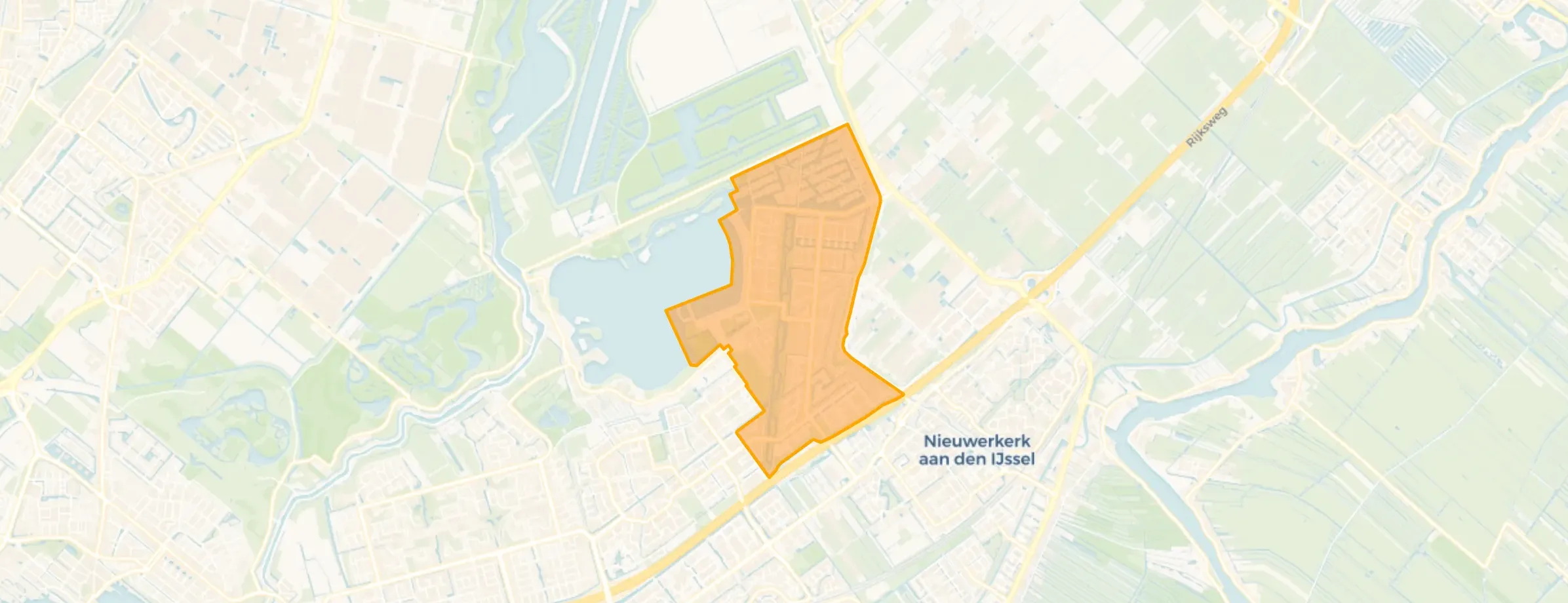
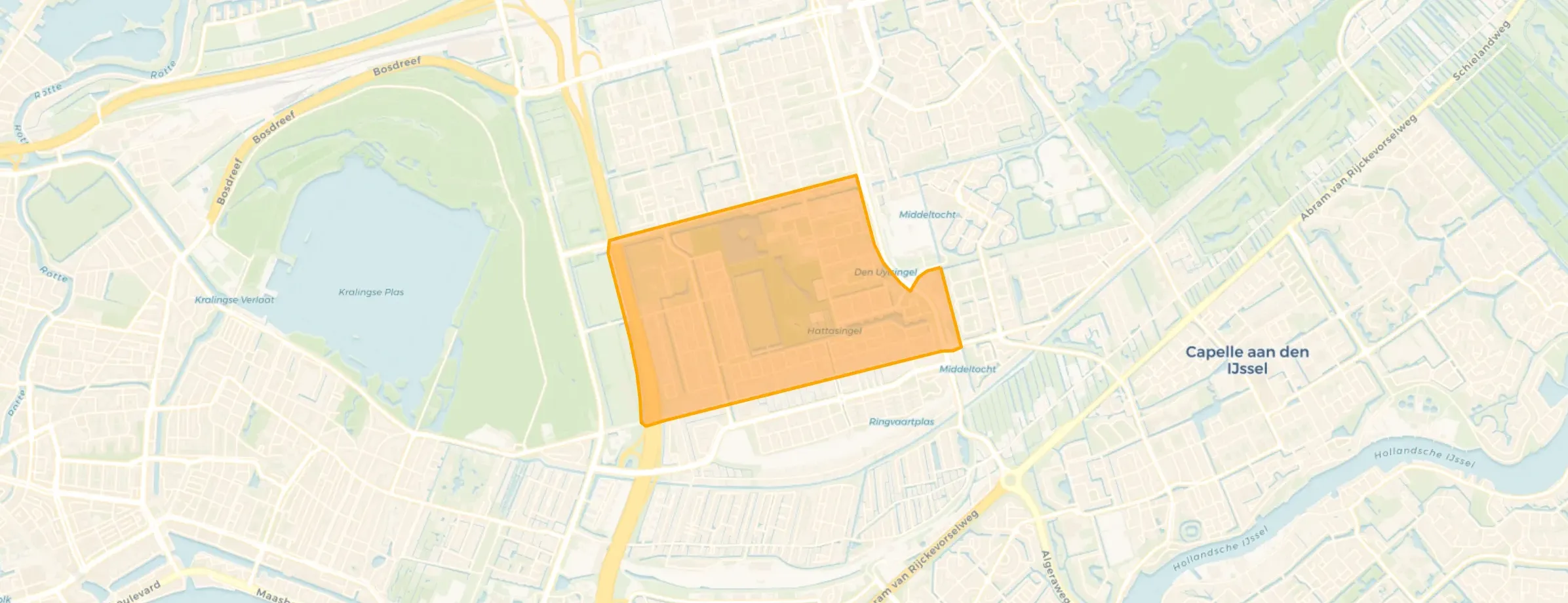
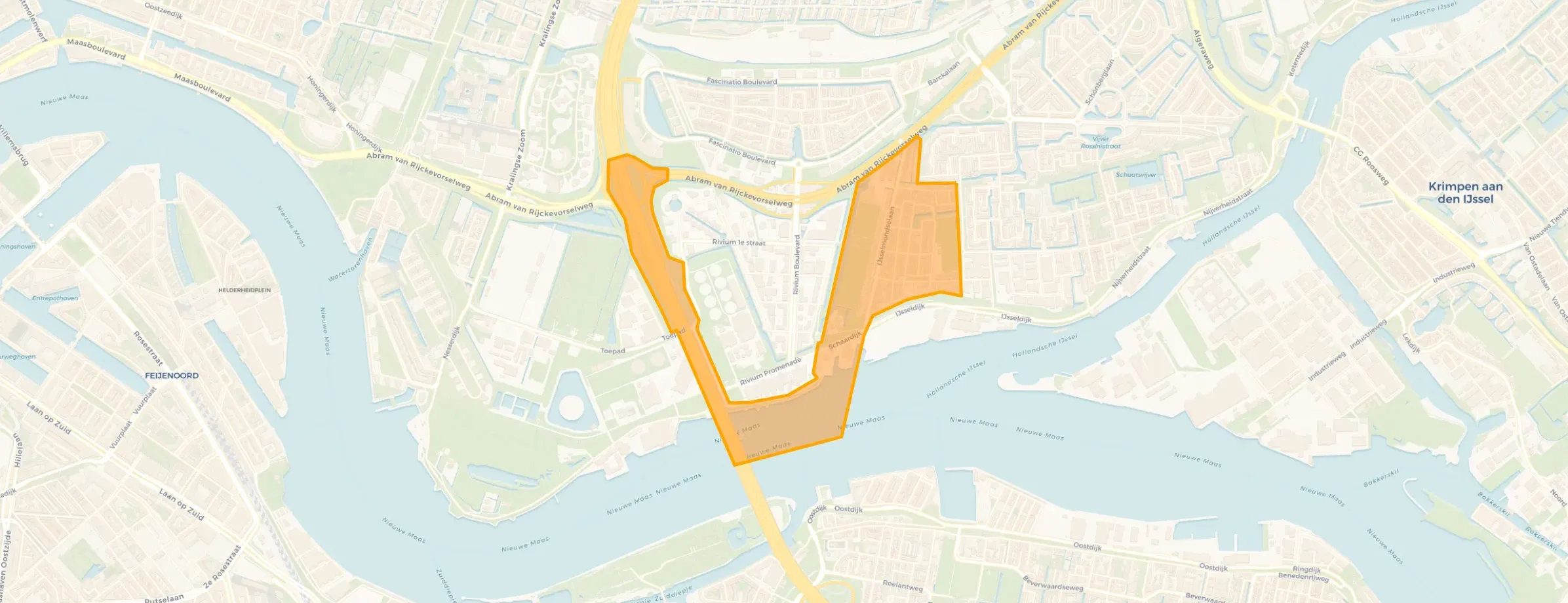
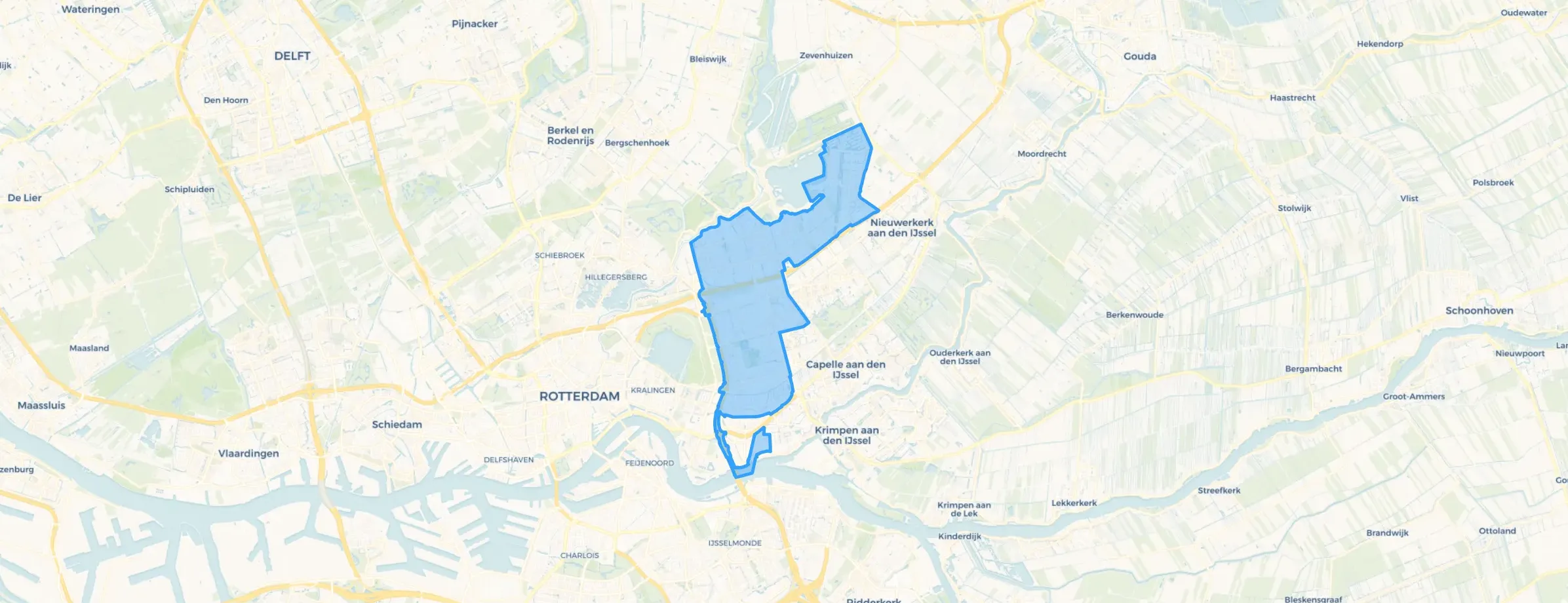
Prins Alexander is located in the province of Zuid-Holland, in the municipality of Rotterdam The district has a total area of 1.860 hectares, of which 1.738 hectares are land and 122 hectares are water. The district is coded as WK059914. The postcode area is 3059LA-3069ZP.
Prins Alexander has 97.940 residents. Of these, 47,9% are men and 52,1% are women. Most residents are 45 to 65 years (26,1%). The other age groups are 24,4% for '25 to 45 years', 22,9% for '65 years or older', 15,0% for '0 to 15 years' and 11,7% for '15 to 25 years'. Of the residents, 50,6% is unmarried, 33,7% is married, 10,4% is divorced and 5,2% is widowed. 53.680 residents originate from the Netherlands, 9.405 come from Europe and 34.855 come from countries outside Europe.
There are 48.260 households in Prins Alexander. 45,0% of these are single-person households, 23,5% households without children and 31,5% households with children. The average household size is 2,0 persons. The national average is 2,1 persons.
In Prins Alexander there are 78.300 income recipients. The average income per income recipient is €42.300, which is €100 (0%) higher than the national average of €42.200. Per resident, the average income is €34.700, which is €200 (1%) lower than the national average of €34.900. Most residents of Prins Alexander are educated to an intermediate level. 39,6% have an intermediate education (HAVO, VWO or MBO 2-4), 33,1% have a university or higher professional education (HBO/WO) and 27,3% have a lower education (VMBO or MBO 1).
Of the 97.940 residents, around 67% are in paid employment, which amounts to 65.620 people. This is 5% lower than the national average of 72%. The majority of workers are in salaried employment (84%), while 16% are self-employed. In Prins Alexander, 29% of residents receive a benefit. The largest group is those receiving a state pension (AOW). 20.110 people receive this benefit.
In Prins Alexander there are 47.041 homes with an average assessed value (WOZ) of €360.000. Of these, around 97% are occupied and 3% unoccupied. Most homes are rental properties. This amounts to 56% rental homes and 44% owner-occupied homes. Of the homes, 44% privately owned, 44% owned by housing associations and 12% owned by other landlords. The most common construction periods in Prins Alexander are 1980-1990 (27%) and 1950-1970 (20%).
There are currently no homes for sale in Prins Alexander. The most recently listed home is Cordell Hullplaats 65 by Baljon makelaars. No homes were sold in Prins Alexander over the past year.
There are currently no homes for rent in Prins Alexander. The most recent home is Berninistraat 484, offered by Your-House. No homes were let in Prins Alexander over the past year.
No recent rental data available for Prins Alexander.
In Prins Alexander there are 35.844 addresses with a registered energy label. The most common labels are A (37%), C (21%) and B (18%). On average, an address in Prins Alexander uses 2.320 kWh of electricity per year. This is 9% below the national average of 2.550 kWh. With an annual consumption of 410 m³ per address, natural gas consumption is 49% below the national average of 800 m³.


Good
Auto-translated to English by AII've been living in this neighbourhood for 5 years, and I've felt at home here since day 1 when we moved here! It's a cosy neighbourhood with lots of dogs, cats and families with young children! There are plenty of grass patches where I can walk my dog. Close to the metro and Alexandrium. So it's very accessible! I think it's a really nice neighbourhood!!!
Auto-translated to English by AII haven't lived here very long, but the type of housing isn't that great. Otherwise, it's quite a green neighbourhood with the Kralingse Plas nearby and lots of trees.
Auto-translated to English by AINice neighbourhood to grow up in, quiet atmosphere on the street and you can walk well. The residents are moderately involved with each other but do greet each other friendly. There are several schools with good education and a sports club, which strengthens social cohesion. The metro, bus and two motorways nearby mean you can leave the neighbourhood quickly.
Auto-translated to English by AICan still walk the streets just fine with my little dog in the evening
Auto-translated to English by AIIt is nice, but it remains a student house so there are issues with rats and nuisance. Additionally, it is easily accessible by car or electric bike; with a normal bike everything is just a bit too far.
Auto-translated to English by AII like it here, I love the liveliness, the shops nearby and yet nature close by. I think you have to be careful everywhere for safety.
Auto-translated to English by AII feel at ease in the Alexanderpolder where I have lived my whole life.
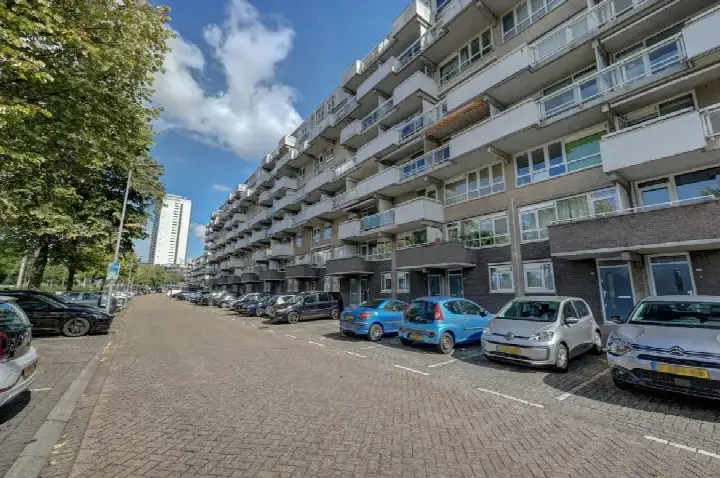
Auto-translated to English by AIThe housing stock is mainly post-war — 58% was built between 1945 and 1990. In addition, the most common type is flats (61%).
Over the past year a home for sale in Prins Alexander was listed for an average of €501,807 (€4,373 per m²).
A rental home in Prins Alexander cost an average of €1,779 per month (€19 per m²). That is 18% below the national average.
Residents give Prins Alexander a 7.9 out of 10 based on 46 reviews. The strongest score is for safety (8.3), the weakest for cleanliness (7.6).
The housing supply in Prins Alexander is remarkably efficient: 61% has an A, A+ or B label. The average natural gas consumption per household is 410 m³ per year.
From Prins Alexander you can on average reach a supermarket at 0.8 km, a GP at 0.9 km, a railway station at 2.8 km, a primary school at 0.7 km (as the crow flies, source: CBS).
Right now you will find 424 homes for sale and 38 homes for rent in Prins Alexander.