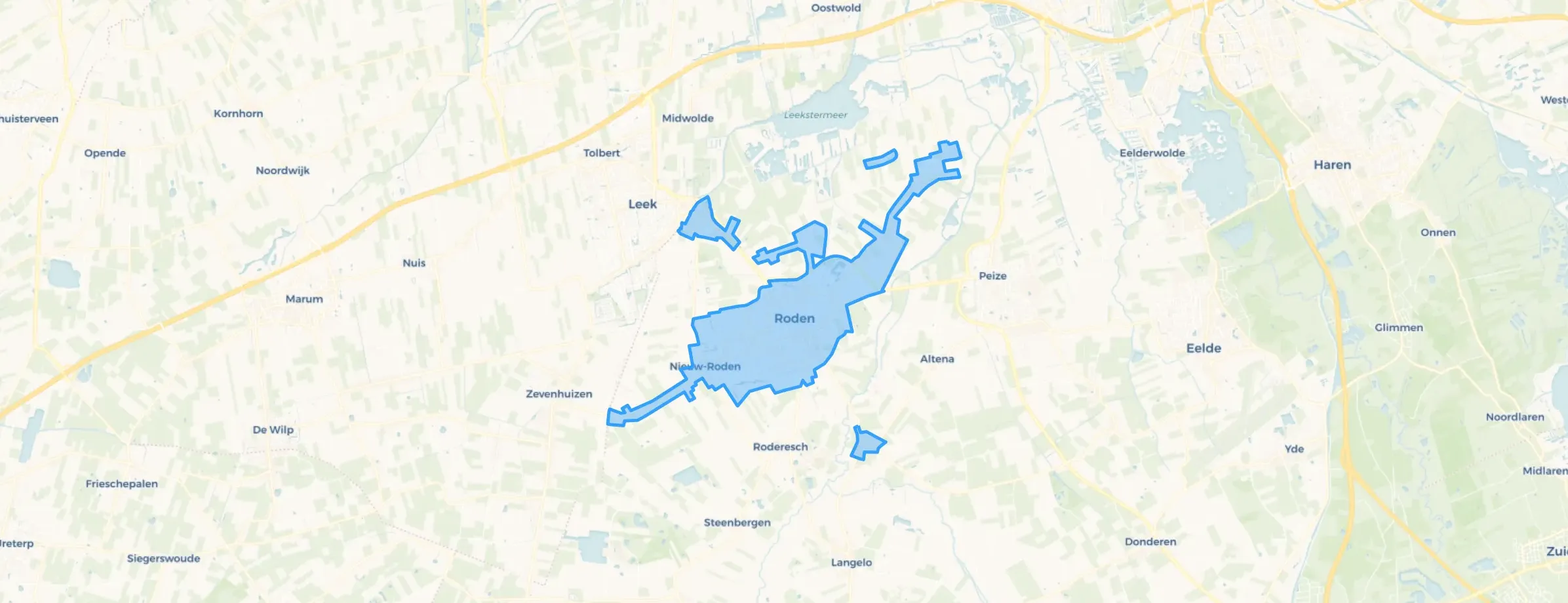
District in Noordenveld
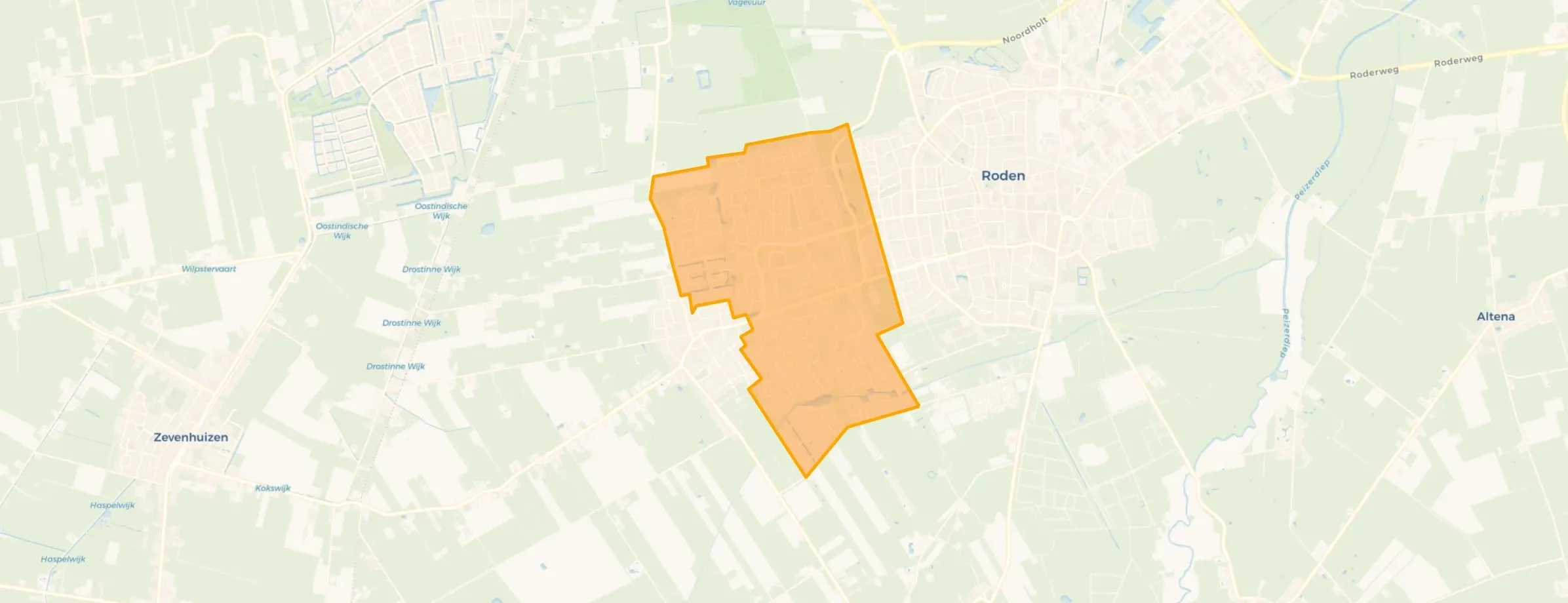
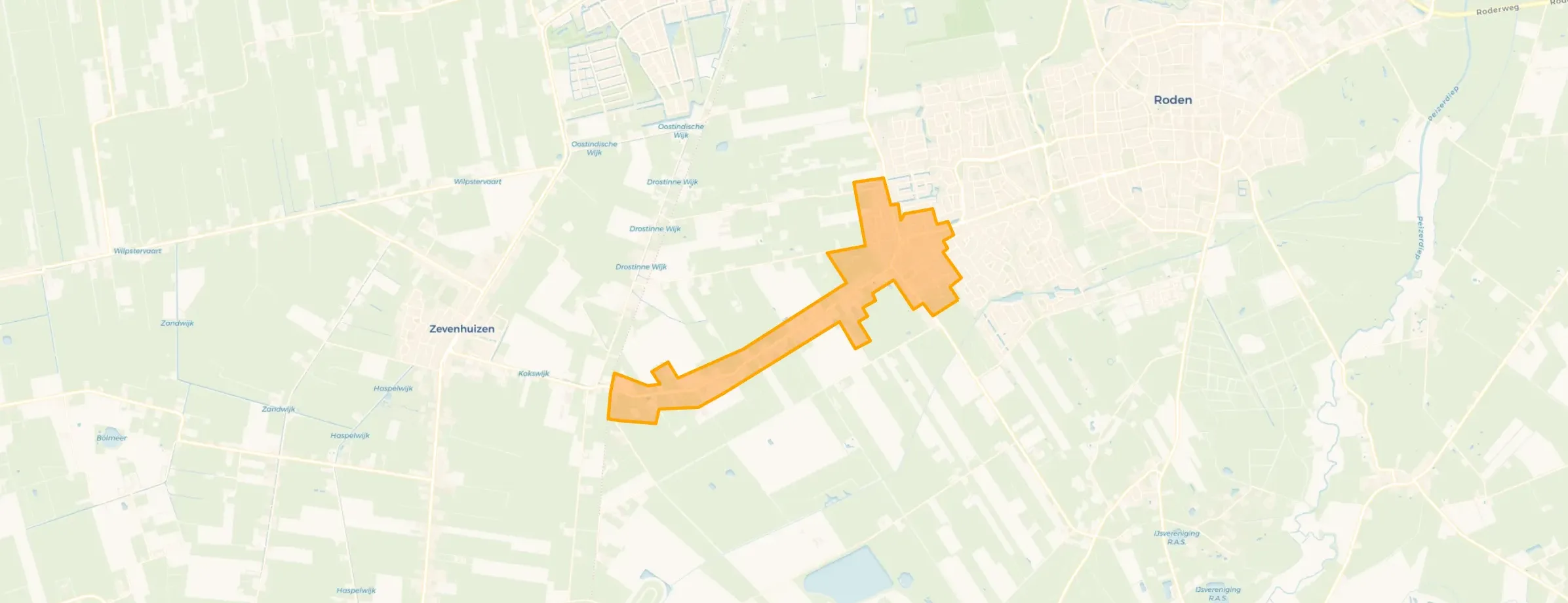
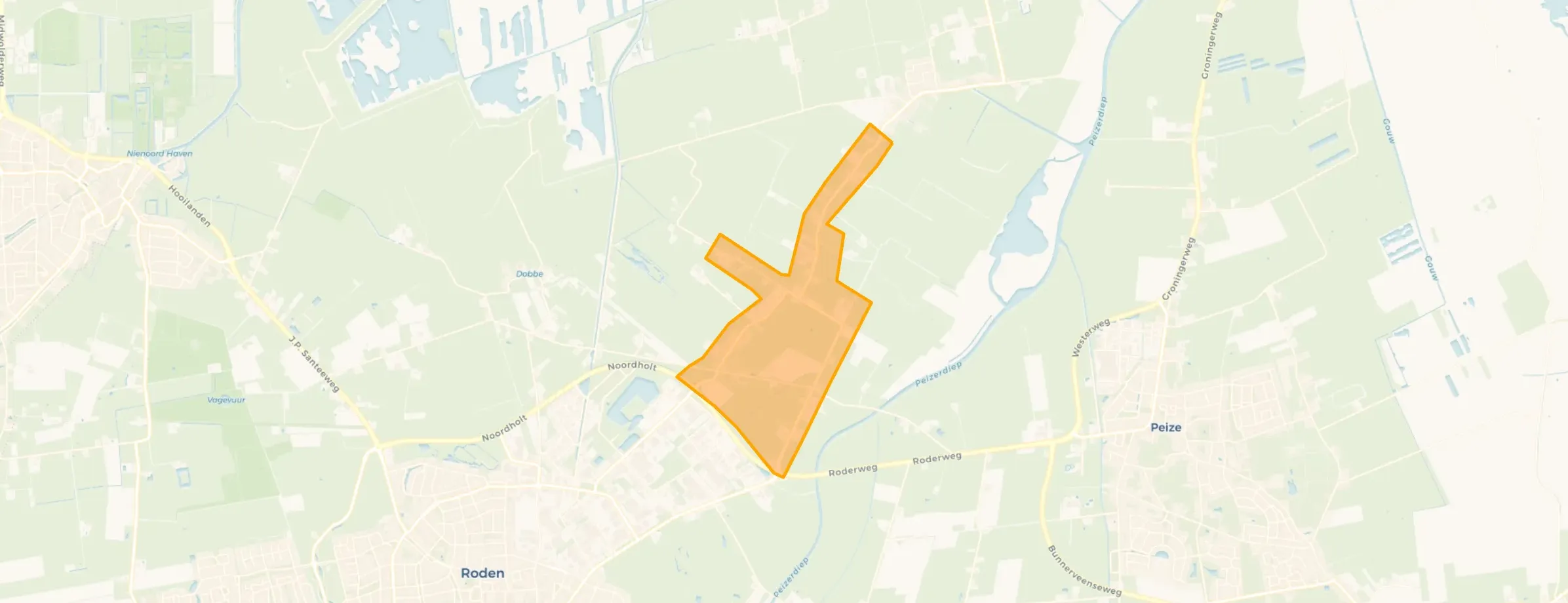
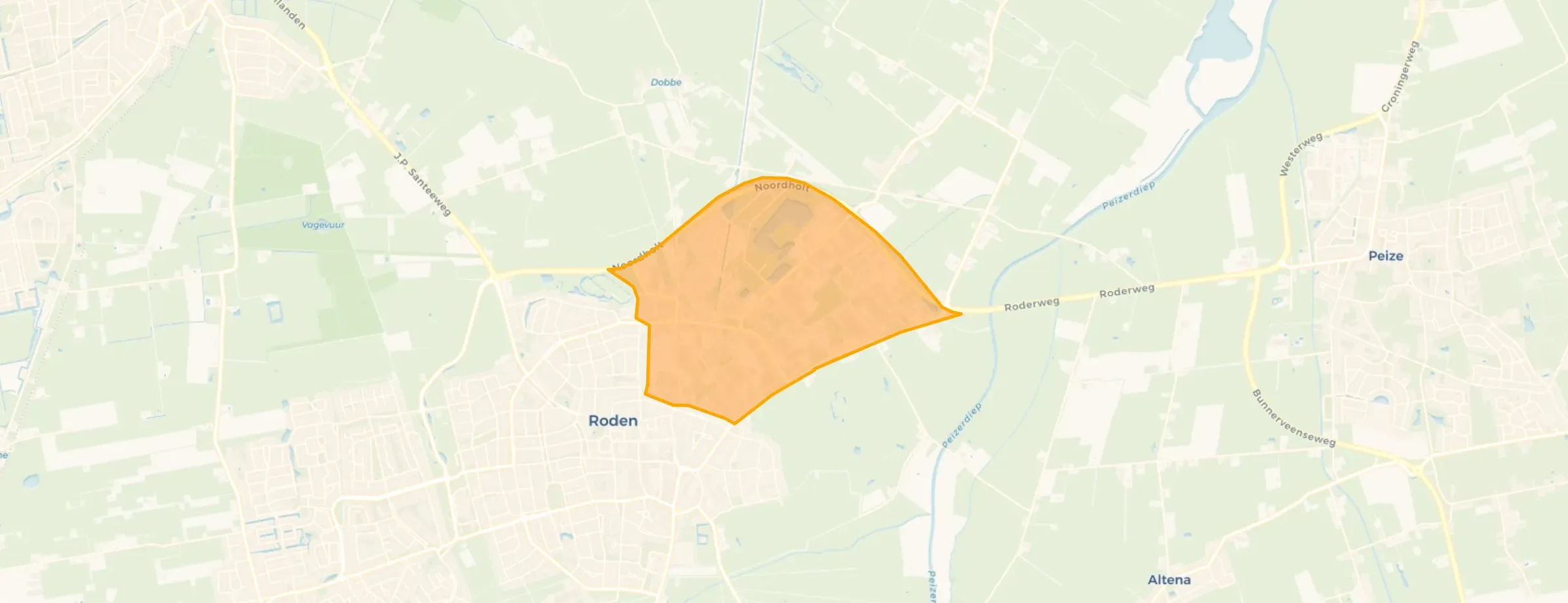
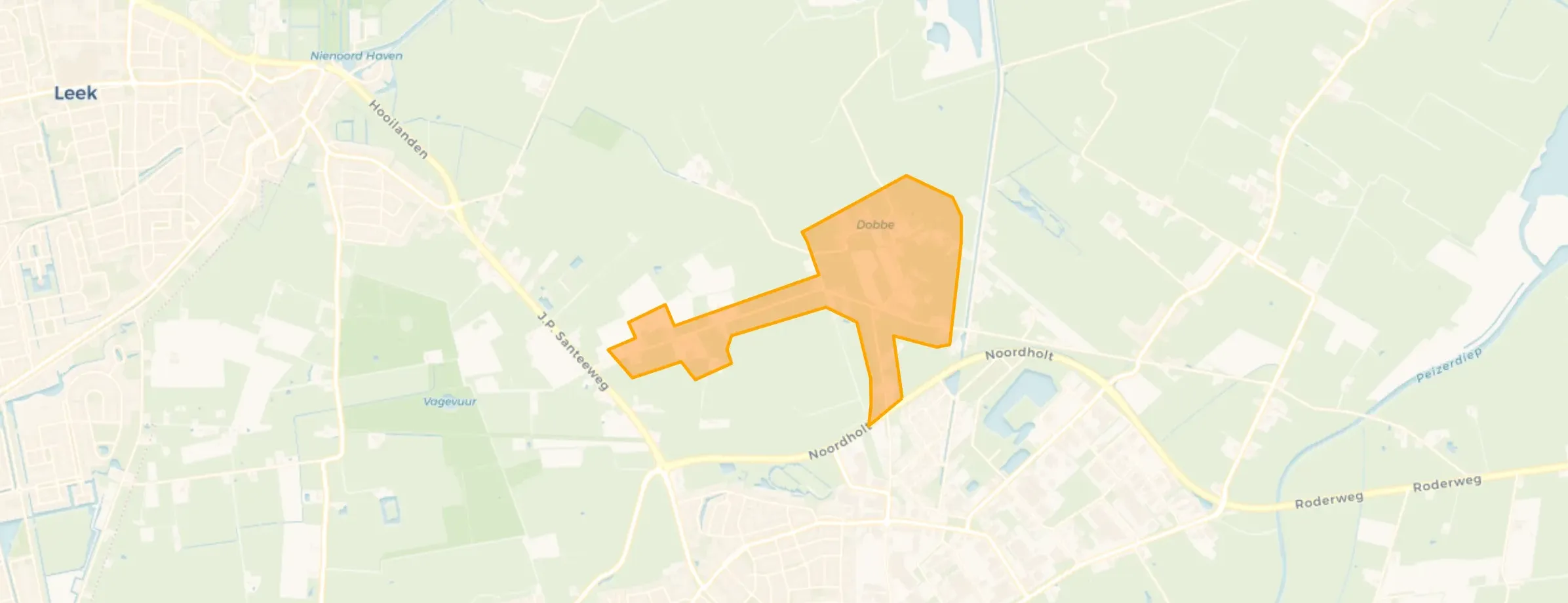
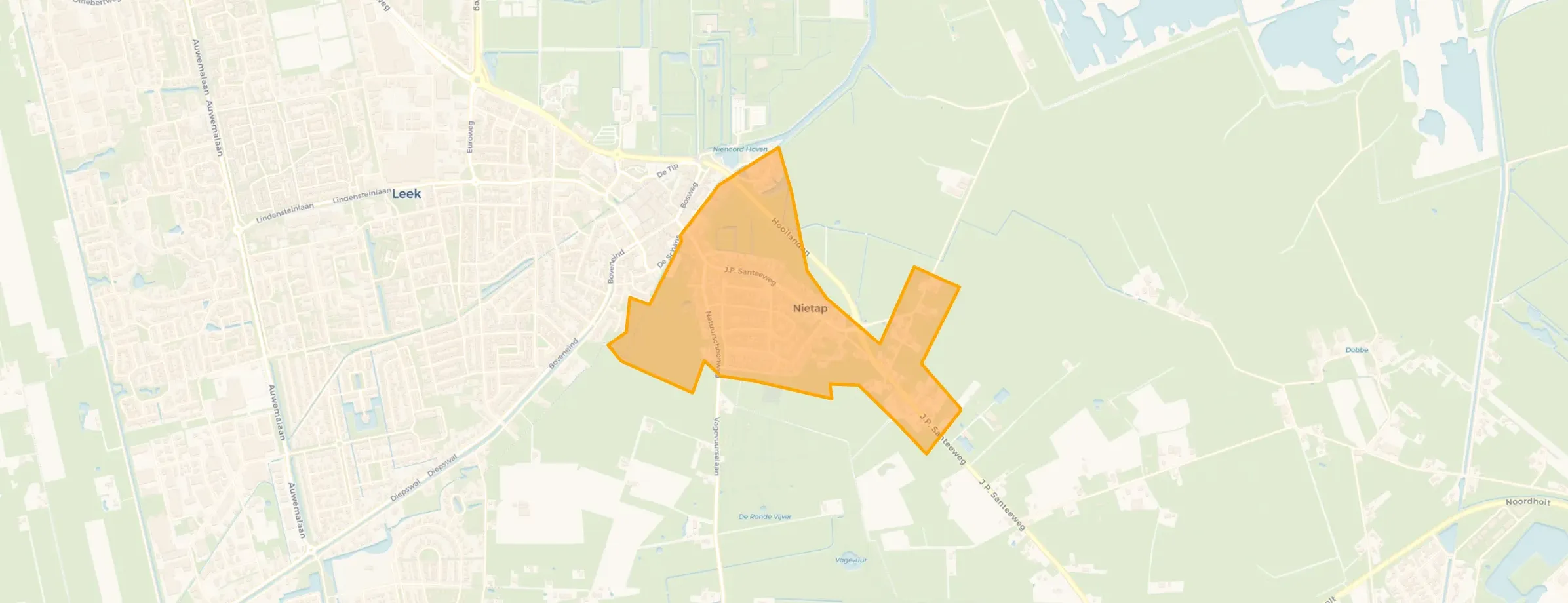
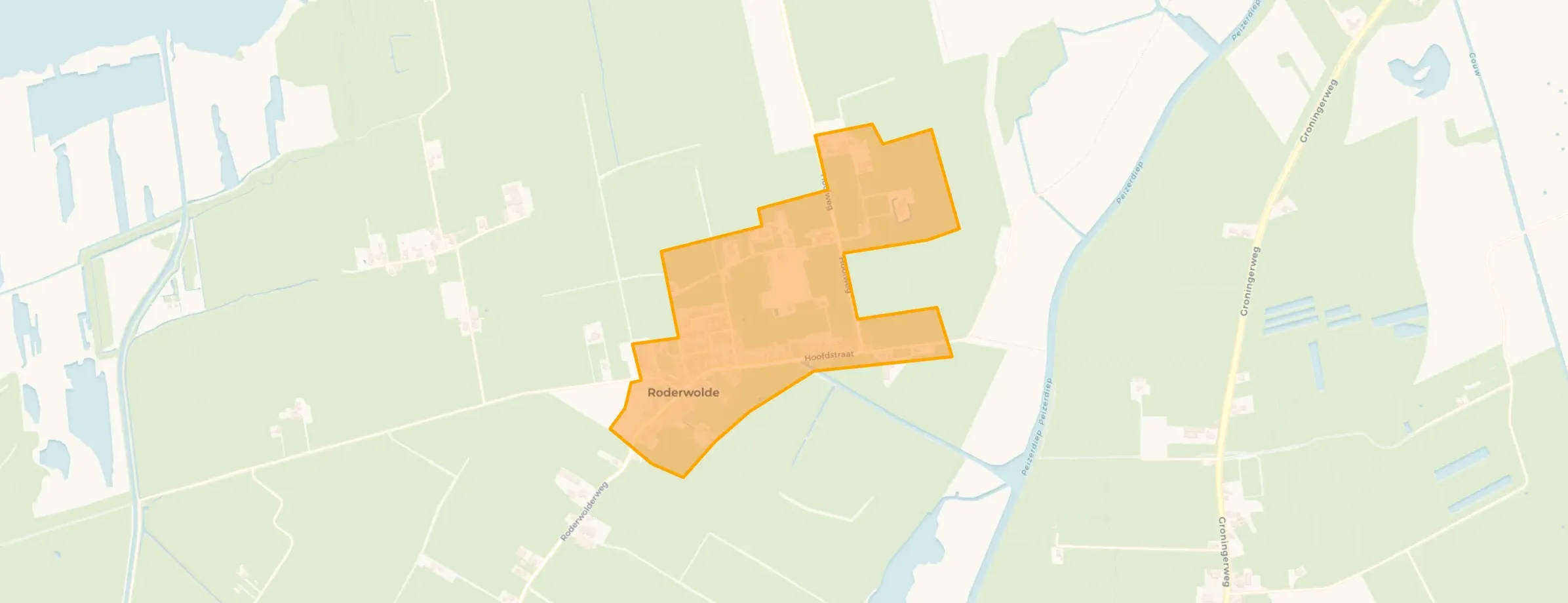
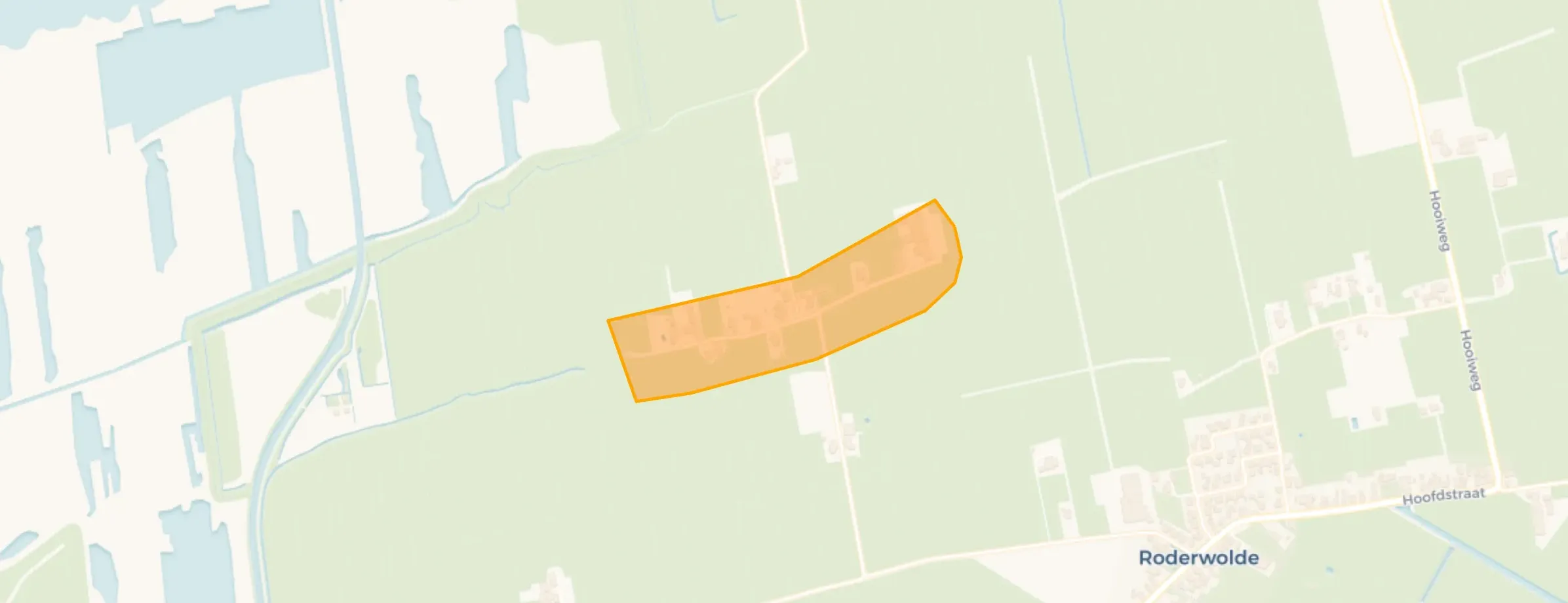
Roden is located in the province of Drenthe, in the municipality of Noordenveld The district has a total area of 1.160 hectares, of which 1.152 hectares are land and 7 hectares are water. The district is coded as WK169900. The postcode area is 9301AA-9315TJ.
Roden has 17.555 residents. Of these, 48,6% are men and 51,4% are women. Most residents are 65 years or older (29,9%). The other age groups are 26,7% for '45 to 65 years', 19,2% for '25 to 45 years', 14,3% for '0 to 15 years' and 10,0% for '15 to 25 years'. Of the residents, 42,0% is unmarried, 42,8% is married, 8,0% is divorced and 7,1% is widowed. 15.710 residents originate from the Netherlands, 615 come from Europe and 1.230 come from countries outside Europe.
There are 8.095 households in Roden. 33,8% of these are single-person households, 35,6% households without children and 30,5% households with children. The average household size is 2,1 persons. The national average is 2,1 persons.
In Roden there are 14.500 income recipients. The average income per income recipient is €38.700, which is €3.500 (8%) lower than the national average of €42.200. Per resident, the average income is €32.400, which is €2.500 (7%) lower than the national average of €34.900. Most residents of Roden are educated to an intermediate level. 43,8% have an intermediate education (HAVO, VWO or MBO 2-4), 33,3% have a university or higher professional education (HBO/WO) and 22,9% have a lower education (VMBO or MBO 1).
Of the 17.555 residents, around 69% are in paid employment, which amounts to 12.113 people. This is 3% lower than the national average of 72%. The majority of workers are in salaried employment (85%), while 15% are self-employed. In Roden, 34% of residents receive a benefit. The largest group is those receiving a state pension (AOW). 4.780 people receive this benefit.
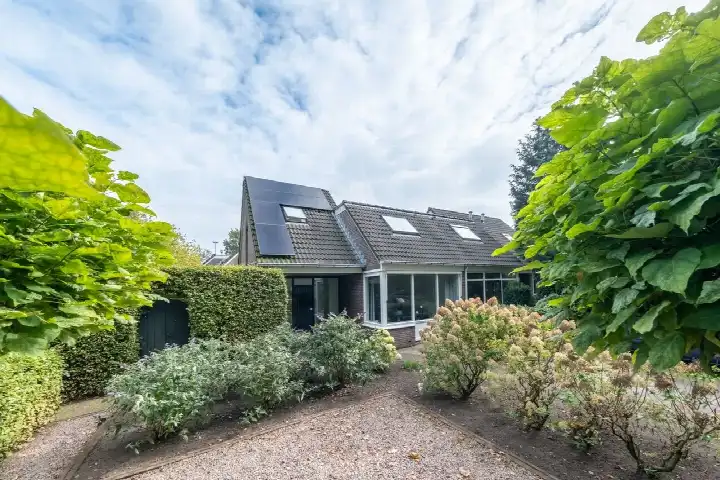
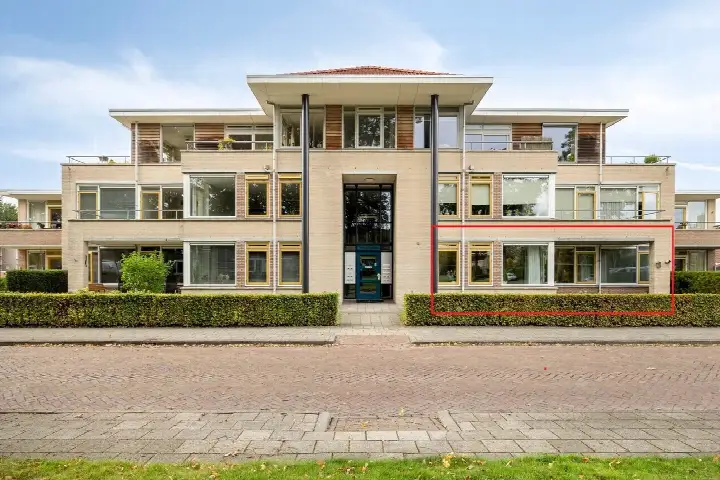
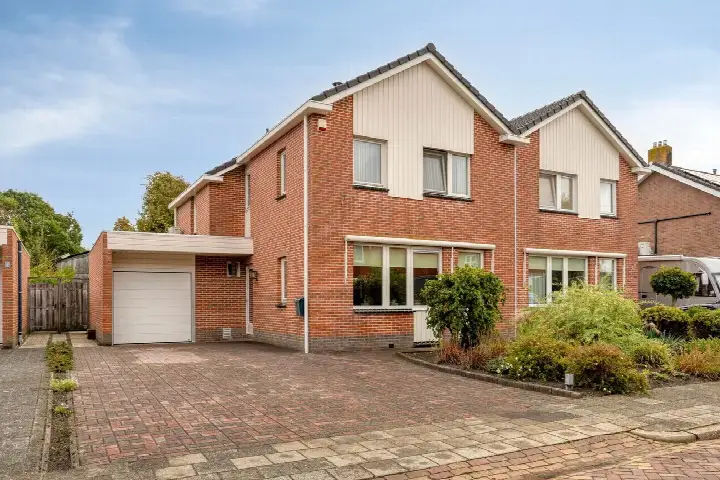
In Roden there are 8.406 homes with an average assessed value (WOZ) of €363.000. Of these, around 97% are occupied and 3% unoccupied. Most homes are owner-occupied. This amounts to 34% rental homes and 66% owner-occupied homes. Of the homes, 66% privately owned, 25% owned by housing associations and 9% owned by other landlords. The most common construction periods in Roden are 1950-1970 (26%) and 1970-1980 (21%).
There are currently no homes for sale in Roden. The most recently listed home is Paulus Potterstraat 5 by Mijn Makelaar Westerkwartier. No homes were sold in Roden over the past year.
There are currently no homes for rent in Roden. The most recent home is Valkenveld 16, offered by Peter's Makelaardij op Funda. No homes were let in Roden over the past year.
No recent rental data available for Roden.
In Roden there are 5.653 addresses with a registered energy label. The most common labels are A (30%), C (25%) and B (19%). On average, an address in Roden uses 2.510 kWh of electricity per year. This is 2% below the national average of 2.550 kWh. Natural gas consumption, at 990 m³ per year, is 24% above the national average of 800 m³.
Quiet neighbourhood that is slowly deteriorating in terms of residents, maintenance of footpaths, dirty pavements, etc., overgrown footpaths, overhanging trees and shrubs
Auto-translated to English by AIIt's a small village but due to the new housing estates the local identity has disappeared. Also, almost all homes are for sale and then for 65+, which means that today's youth cannot stay living there and will have to leave.
Auto-translated to English by AIlots of drugs and alcohol and that foreign rubbish
Auto-translated to English by AIGroningen easily accessible with bus line 4, which always runs every half hour, during peak hours even every 15 or 10 minutes. It is at least a 10-minute drive to the nearest motorway. Generally a nice green, clean, safe environment. Roden is a close-knit village with many decent people and few antisocial types. Nice houses and something for everyone, from starters to seniors. Plenty of primary education with about 8 or 9 primary schools in Roden and Nieuw-Roden. Also VMBO at all levels. For HAVO and VWO you have to cycle 15/20 minutes to Leek, which is also fine. For the rest, all facilities you would expect in a large village are present, many supermarkets, plenty of restaurants, etc.
Auto-translated to English by AIThe plus point is that I live right in the centre. The downside is that the houses are very noisy.
Auto-translated to English by AIThe housing stock is mainly post-war — 67% was built between 1945 and 1990.
Over the past year a home for sale in Roden was listed for an average of €446,541 (€3,370 per m²). That is 15% below the Dutch national average. Last quarter prices rose by 14%.
A rental home in Roden cost an average of €1,286 per month (€11 per m²). That is 40% below the national average.
Residents give Roden a 6.8 out of 10 based on 5 reviews. Nature and greenery stands out with a 7.8; amenities lags behind with a 6.2.
Wijk Roden has 17,555 residents. The largest age group is 65+ years (30%).
The housing supply in Roden is remarkably efficient: 56% has an A, A+ or B label. The average natural gas consumption per household is 990 m³ per year.
From Roden you can on average reach a supermarket at 1.0 km, a GP at 1.2 km, a railway station at 15.5 km, a primary school at 0.7 km (as the crow flies, source: CBS).
Right now you will find 77 homes for sale and 6 homes for rent in Roden.