Province in the Netherlands
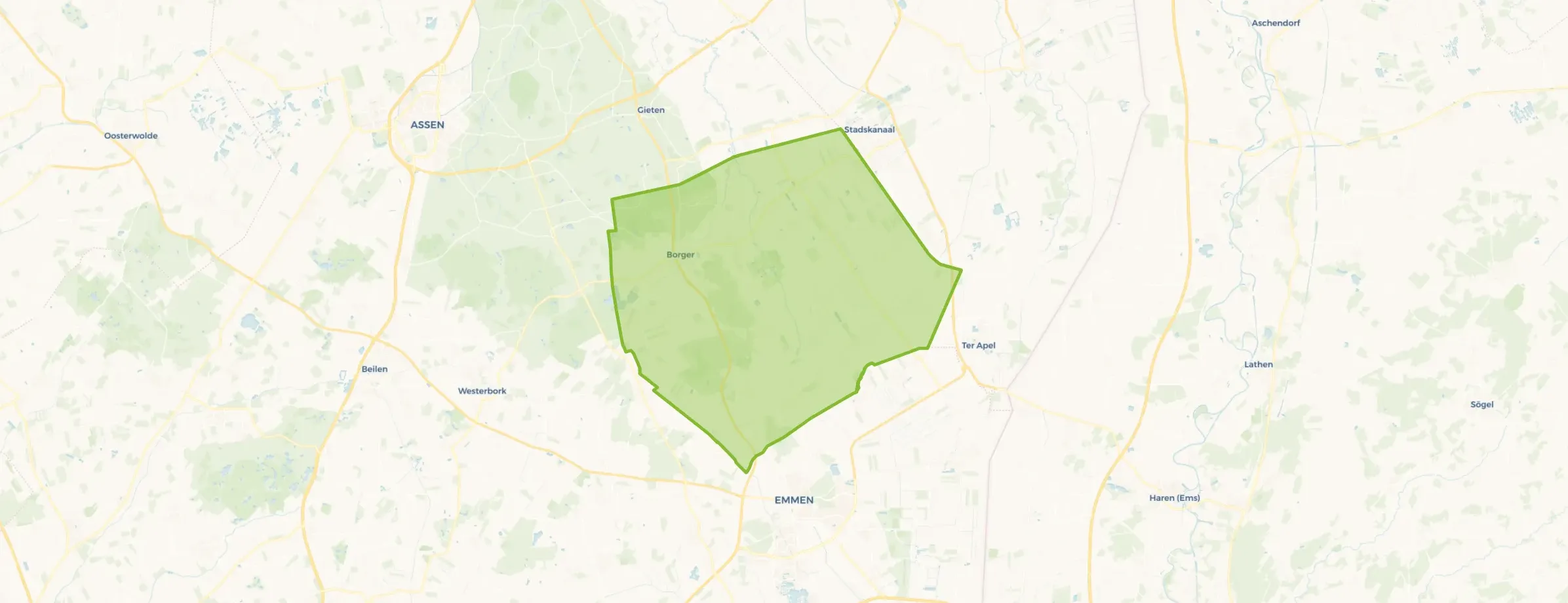
Drenthe is known for its prehistoric dolmens and tranquil countryside. The province has a total area of 268.039 hectares, of which 263.266 hectares are land and 4.774 hectares are water. The province is coded as PV22. The postcode area is 7705PA-9766ZB.
Drenthe has 506.529 residents. Of these, 49,9% are men and 50,1% are women. Most residents are 45 to 65 years (28,0%). The other age groups are 25,2% for '65 years or older', 21,5% for '25 to 45 years', 14,2% for '0 to 15 years' and 11,1% for '15 to 25 years'. Of the residents, 44,4% is unmarried, 41,6% is married, 8,1% is divorced and 6,0% is widowed. 437.397 residents originate from the Netherlands, 26.397 come from Europe and 42.735 come from countries outside Europe.
There are 228.059 households in Drenthe. 34,9% of these are single-person households, 33,1% households without children and 32,0% households with children. The average household size is 2,2 persons. The national average is 2,1 persons.
In Drenthe there are 410.900 income recipients. The average income per income recipient is €38.814, which is €3.386 (8%) lower than the national average of €42.200. Per resident, the average income is €32.485, which is €2.415 (7%) lower than the national average of €34.900. Most residents of Drenthe are educated to an intermediate level. 46,3% have an intermediate education (HAVO, VWO or MBO 2-4), 26,8% have a university or higher professional education (HBO/WO) and 26,8% have a lower education (VMBO or MBO 1).
Of the 506.529 residents, around 70% are in paid employment, which amounts to 354.570 people. This is 2% lower than the national average of 72%. The majority of workers are in salaried employment (84%), while 16% are self-employed. In Drenthe, 31% of residents receive a benefit. The largest group is those receiving a state pension (AOW). 114.850 people receive this benefit.
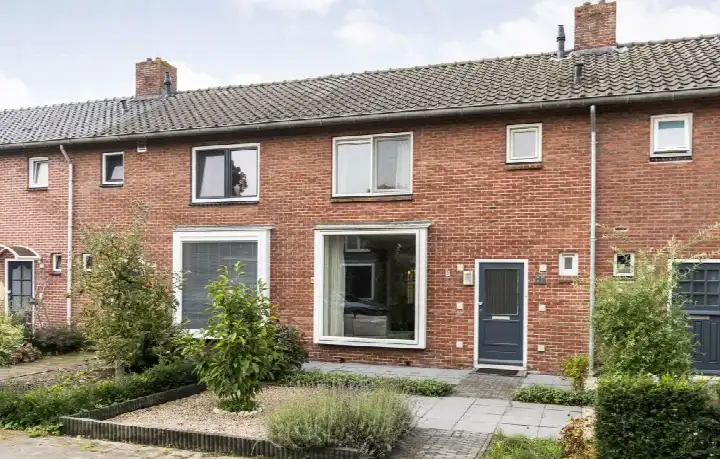
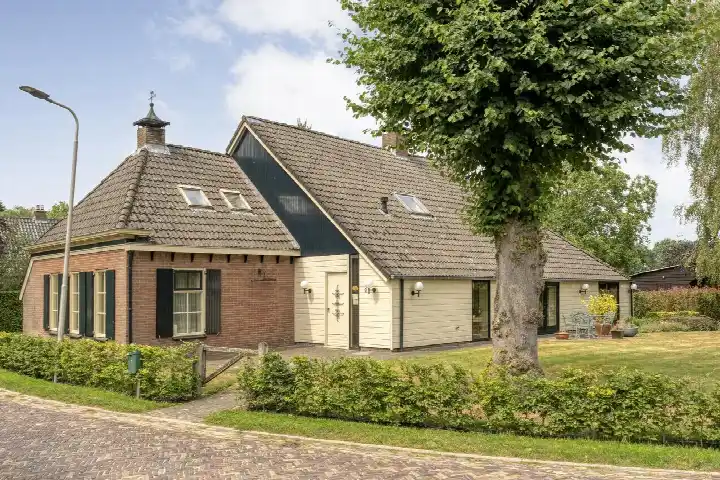
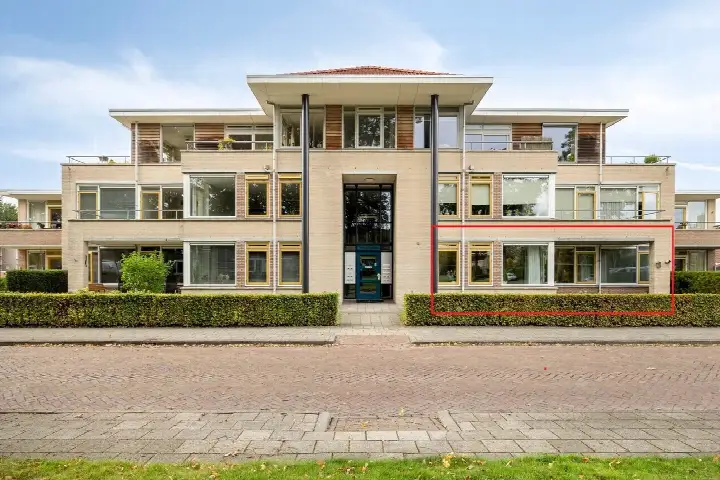
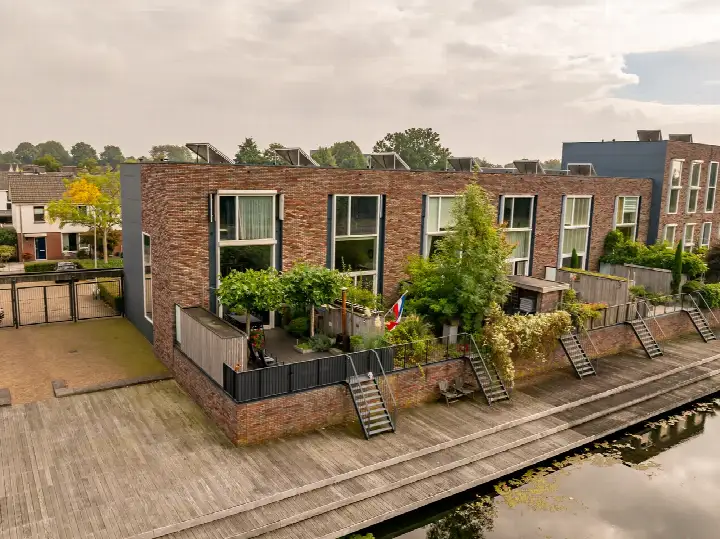
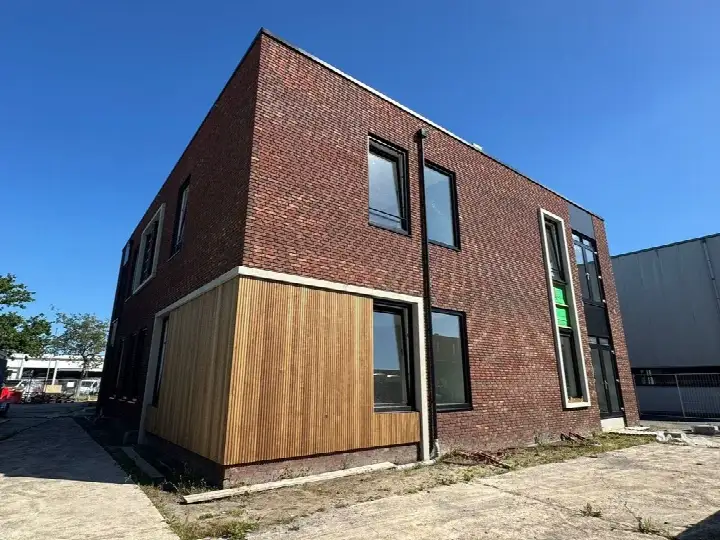
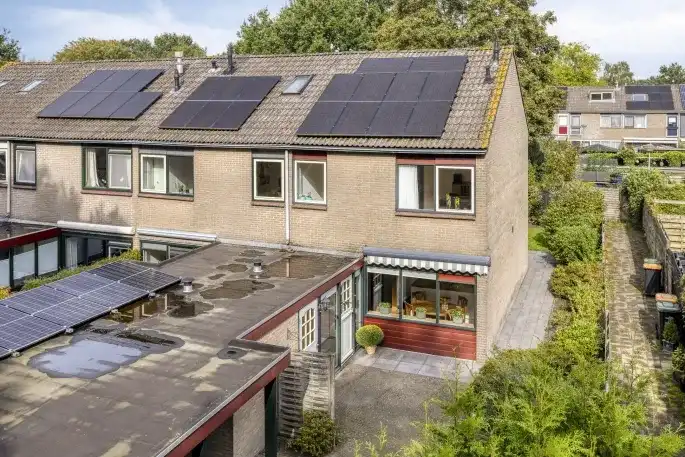
In Drenthe there are 230.308 homes with an average assessed value (WOZ) of €323.319. Of these, around 96% are occupied and 4% unoccupied. Most homes are owner-occupied. This amounts to 33% rental homes and 67% owner-occupied homes. Of the homes, 67% privately owned, 24% owned by housing associations and 9% owned by other landlords. The most common construction periods in Drenthe are 1950-1970 (21%) and 1970-1980 (18%).
There are currently no homes for sale in Drenthe. The most recently listed home is Bremstraat 15 by Lamberink. No homes were sold in Drenthe over the past year.
There are currently no homes for rent in Drenthe. The most recent home is Hoogte der Heide 71, offered by www.thuiskompas.nl. No homes were let in Drenthe over the past year.
No recent rental data available for Drenthe.
In Drenthe there are 155.549 addresses with a registered energy label. The most common labels are A (30%), C (24%) and B (18%). On average, an address in Drenthe uses 2.735 kWh of electricity per year. This is 7% above the national average of 2.550 kWh. Natural gas consumption, at 969 m³ per year, is 21% above the national average of 800 m³.
I am Illigaal i rent there in flat i have no papers but no one help me nature good people not and you can go evrywhere bereikbaarheid good
Auto-translated to English by AIHet is hier heerlijk wonen lekker rustig en dicht bij de winkels en er is ook een bus halte vlakbij
Auto-translated to English by AII was born and raised in marsdijk assen. I have lived in this nice neighbourhood for 14 years, which is also because I am 14 years old. I enjoy living here. I generally feel quite safe, except when you go to the anne frank park after 8pm. the atmosphere there is usually grim. it is a very cosy neighbourhood, I definitely recommend people to live here. especially if they have a pretty daughter my age.
Auto-translated to English by AIOn the row where I live, there is a cosy side of the street; every summer we sit outside together.
Auto-translated to English by AIPositive but the neighbourhood around the street where we live is deteriorating. Lower social class rental homes, many foreign people and drug dealing in the area, also known to the police. Furthermore, many facilities in the area, shops, schools, a GP practice and a community centre.
Auto-translated to English by AINeat, quiet neighbourhood with lots of greenery
Auto-translated to English by AIThere's nothing to do. Everything is super expensive in the shops. There's a doctor, pharmacy and bakery. But there's nothing for teenagers to do. Only the spot (cafe), football field, cafe. No activities or workshops for 18 years and older. The street is well lit but behind our house there's an alley and you can't see anything at all. There are a lot of drunk people. There are no neighbourhood parties. Neighbours make a lot of noise at 3am.
Auto-translated to English by AIWonderfully enjoyable place to live
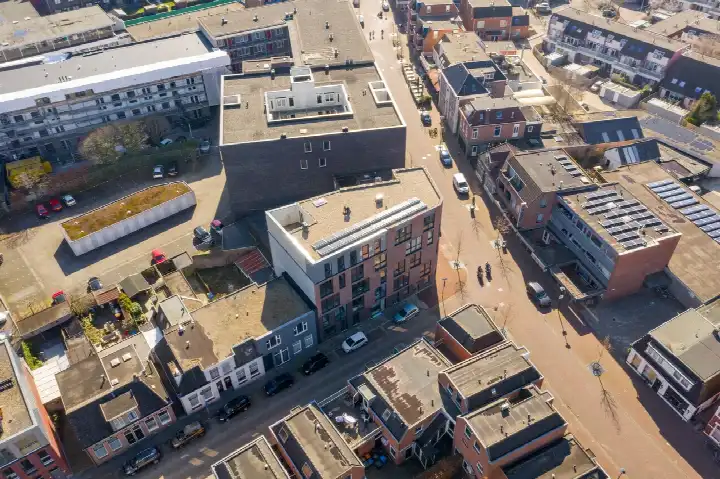
Auto-translated to English by AIThe housing stock is mainly post-war — 54% was built between 1945 and 1990.
Over the past year a home for sale in Drenthe was listed for an average of €455,773 (€3,272 per m²). That is 13% below the Dutch national average.
A rental home in Drenthe cost an average of €1,197 per month (€13 per m²). That is 45% below the national average.
Residents give Drenthe a 7.7 out of 10 based on 150 reviews. The strongest score is for nature and greenery (8.4), the weakest for amenities (7.3).
The housing supply in Drenthe is remarkably efficient: 55% has an A, A+ or B label. The average natural gas consumption per household is 969 m³ per year.
From Drenthe you can on average reach a supermarket at 1.5 km, a GP at 1.6 km, a railway station at 7.1 km, a primary school at 1.0 km (as the crow flies, source: CBS).
Right now you will find 3,426 homes for sale and 173 homes for rent in Drenthe.