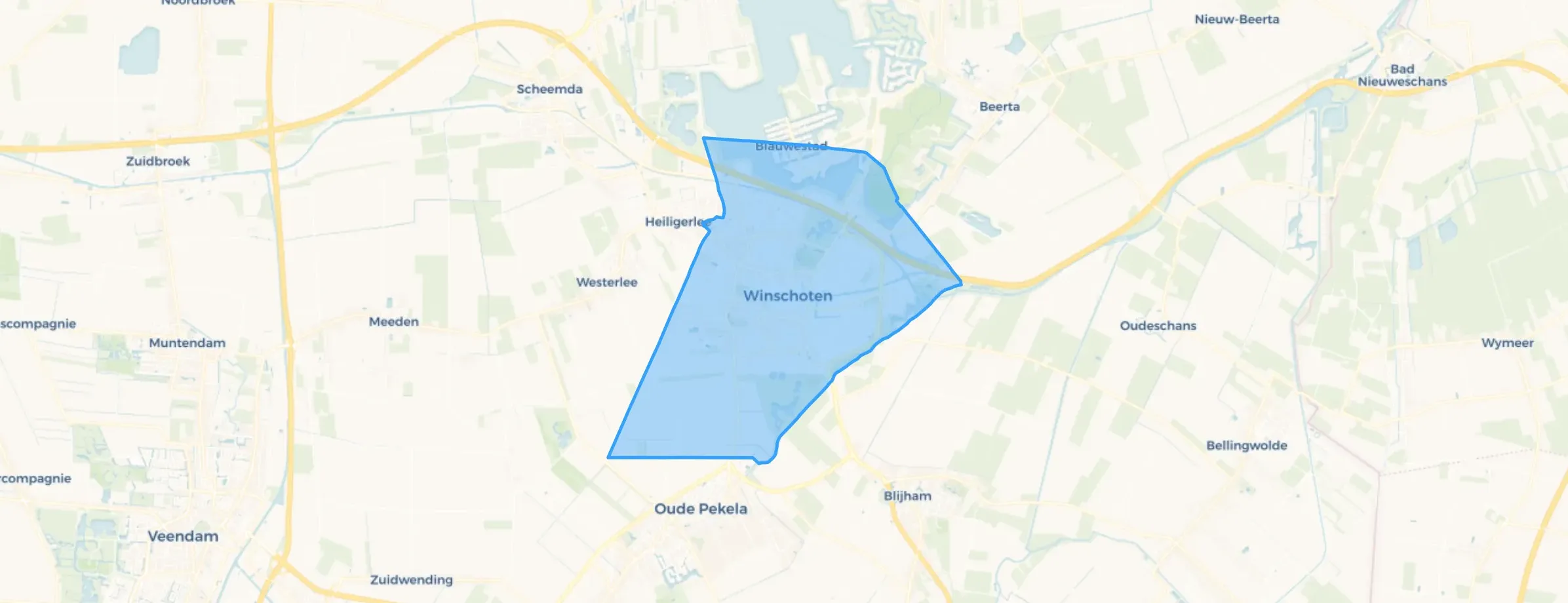
District in Oldambt
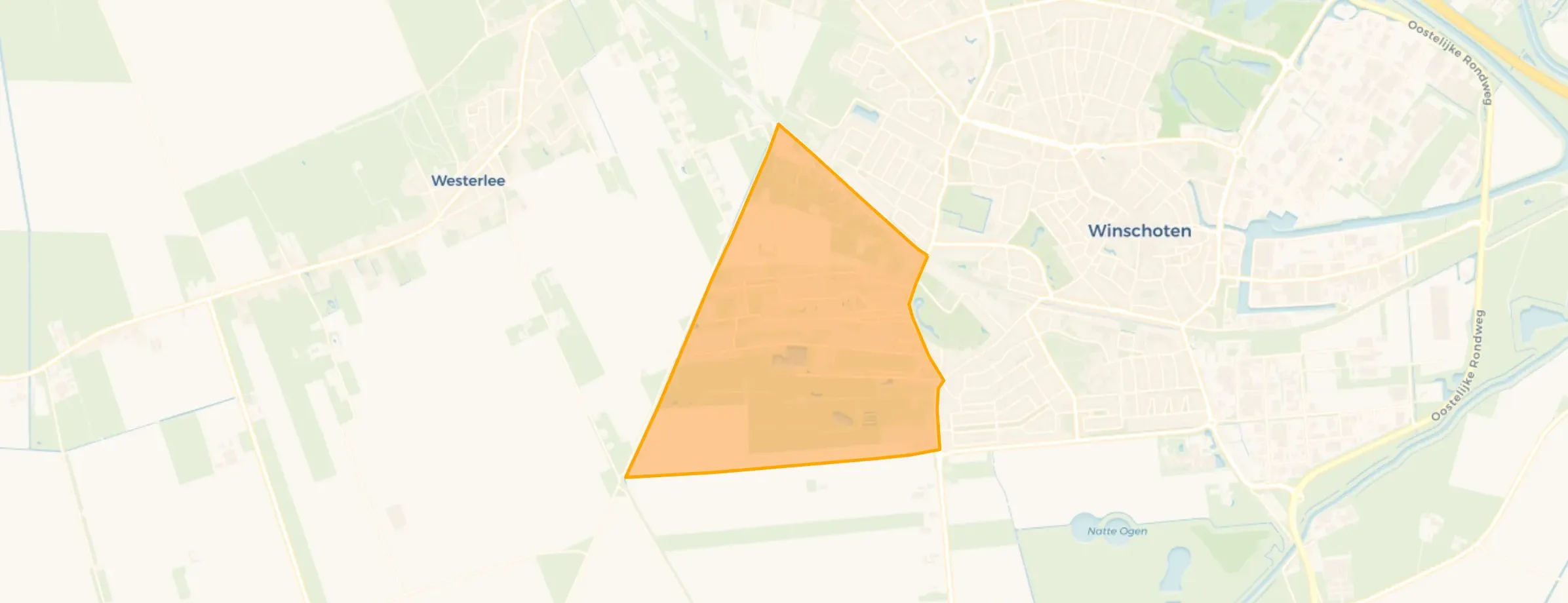
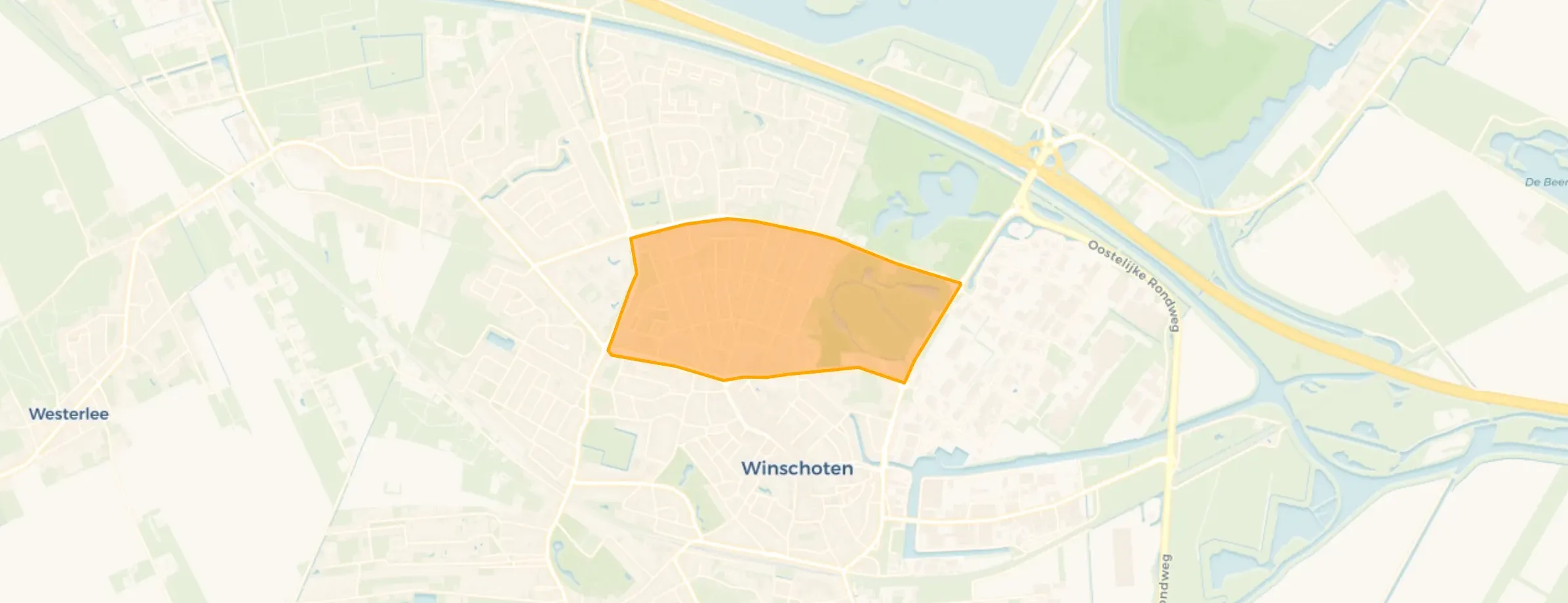
Winschoten is located in the province of Groningen, in the municipality of Oldambt The district has a total area of 2.223 hectares, of which 2.007 hectares are land and 215 hectares are water. The district is coded as WK189500. The postcode area is 9671AA-9685EC.
Winschoten has 18.750 residents. Of these, 49,3% are men and 50,7% are women. Most residents are 45 to 65 years (27,5%). The other age groups are 26,7% for '65 years or older', 21,4% for '25 to 45 years', 13,1% for '0 to 15 years' and 11,3% for '15 to 25 years'. Of the residents, 44,6% is unmarried, 37,3% is married, 10,9% is divorced and 7,3% is widowed. 15.875 residents originate from the Netherlands, 1.315 come from Europe and 1.565 come from countries outside Europe.
There are 9.290 households in Winschoten. 43,3% of these are single-person households, 29,3% households without children and 27,4% households with children. The average household size is 2,0 persons.
In Winschoten there are 15.100 income recipients. The average income per income recipient is €29.900, which is €5.900 (16%) lower than the national average of €35.800. Per resident, the average income is €25.200, which is €4.000 (14%) lower than the national average of €29.200. Most residents of Winschoten are educated to an intermediate level. 48,6% have an intermediate education (HAVO, VWO or MBO 2-4), 32,9% have a lower education (VMBO or MBO 1) and 18,5% have a university or higher professional education (HBO/WO).
Of the 18.750 residents, around 58% are in paid employment, which amounts to 10.875 people. This is 7% lower than the national average of 65%. The majority of workers are in salaried employment (89%), while 11% are self-employed. In Winschoten, 36% of residents receive a benefit. The largest group is those receiving a state pension (AOW). 4.480 people receive this benefit.
In Winschoten there are 9.409 homes with an average assessed value (WOZ) of €242.000. Of these, around 95% are occupied and 5% unoccupied. Most homes are owner-occupied. This amounts to 42% rental homes and 58% owner-occupied homes. Of the homes, 59% privately owned, 26% owned by housing associations and 15% owned by other landlords. The most common construction periods in Winschoten are 1950-1970 (23%) and 1970-1980 (21%).
There are currently no homes for sale in Winschoten. The most recently listed home is Misthoorn 5 by Makelaar Idee B.V. Groningen | Winschoten | Assen op Funda. No homes were sold in Winschoten over the past year.
There are currently no homes for rent in Winschoten. The most recent home is Carolieweg 19, offered by Domeq. No homes were let in Winschoten over the past year.
No recent rental data available for Winschoten.
In Winschoten there are 9.820 addresses with a registered energy label. The most common labels are C (25%), A (18%) and G (15%). On average, an address in Winschoten uses 2.410 kWh of electricity per year. This is 14% below the national average of 2.810 kWh. With an annual consumption of 1.190 m³ per address, natural gas consumption is 7% below the national average of 1.280 m³.
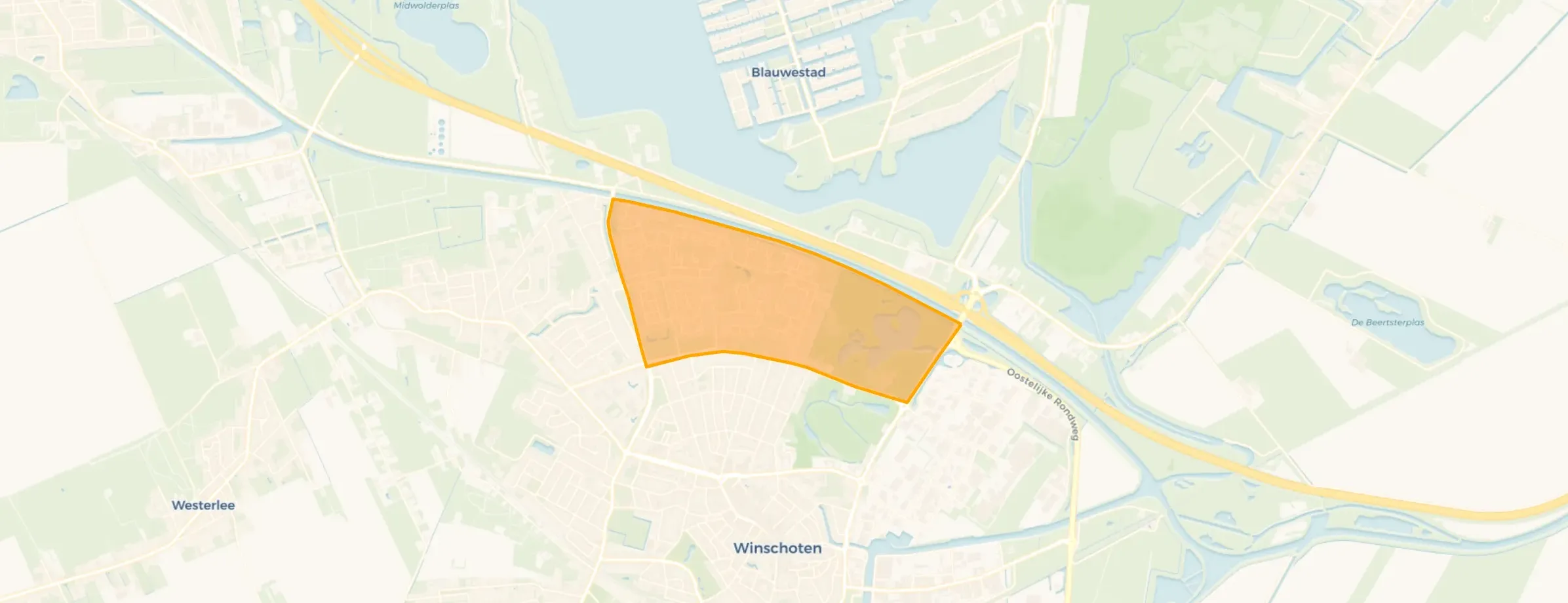
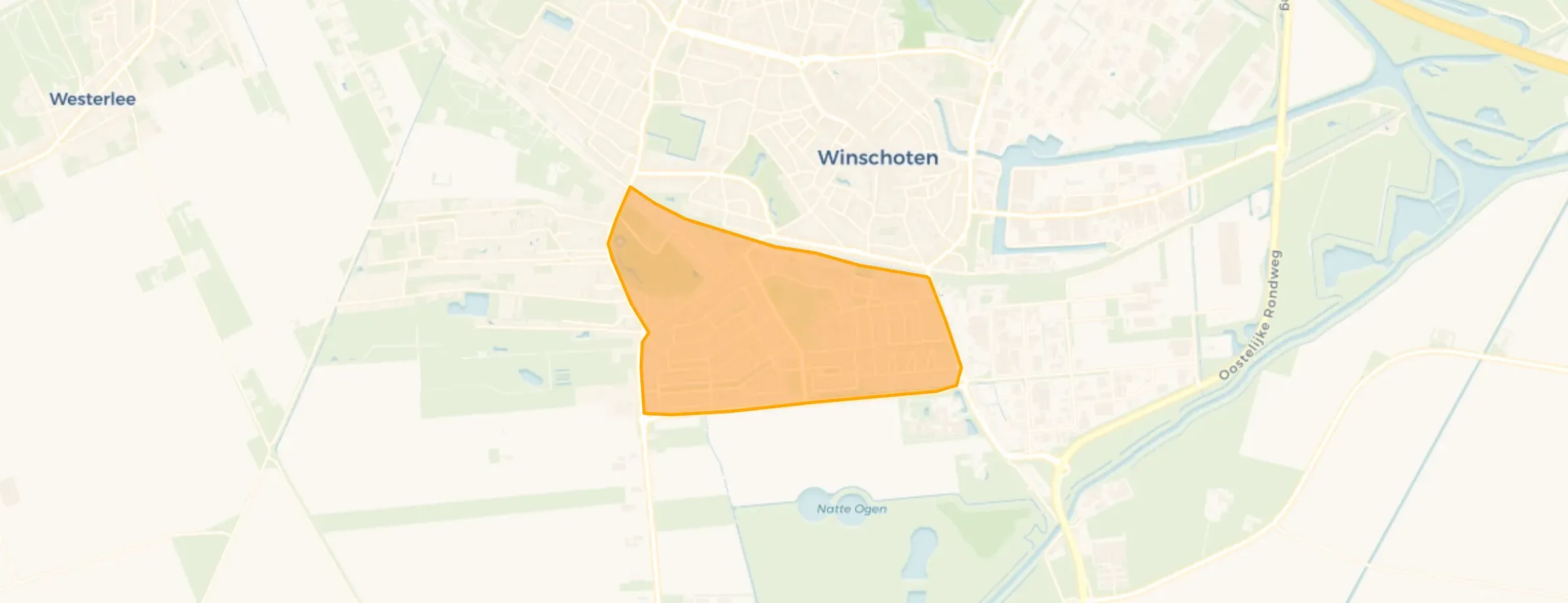

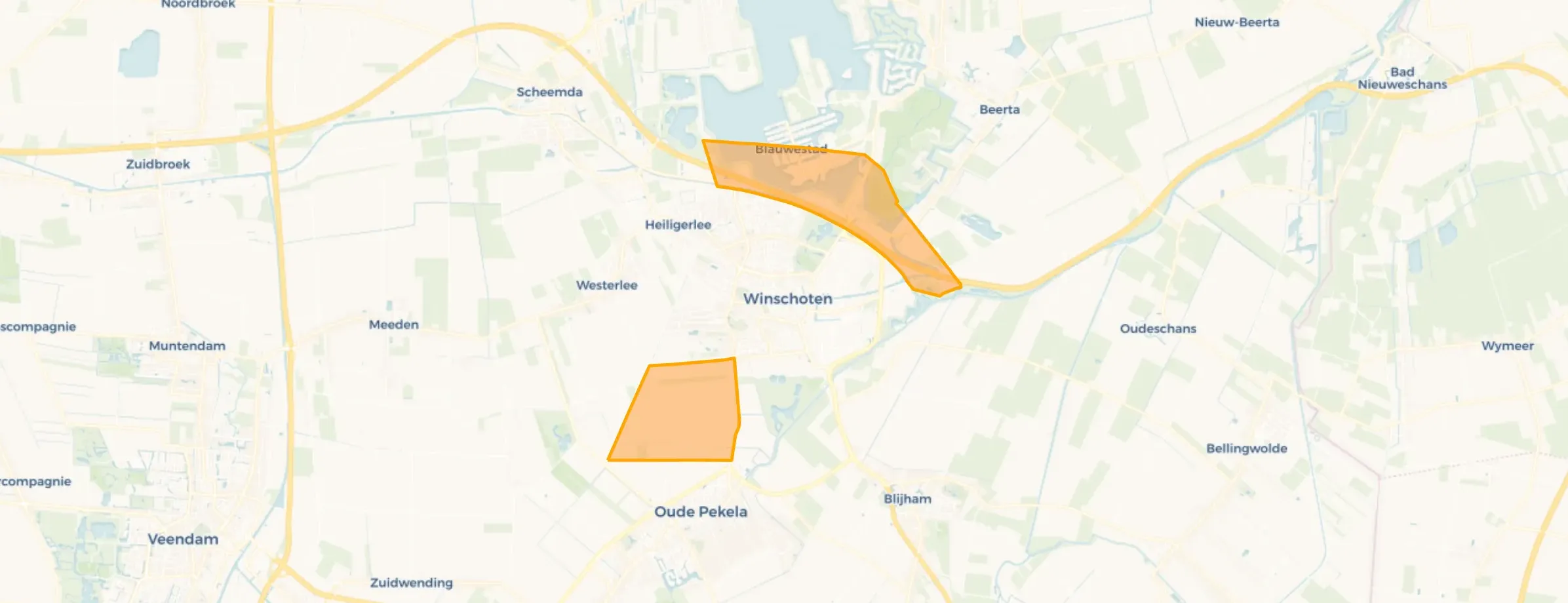
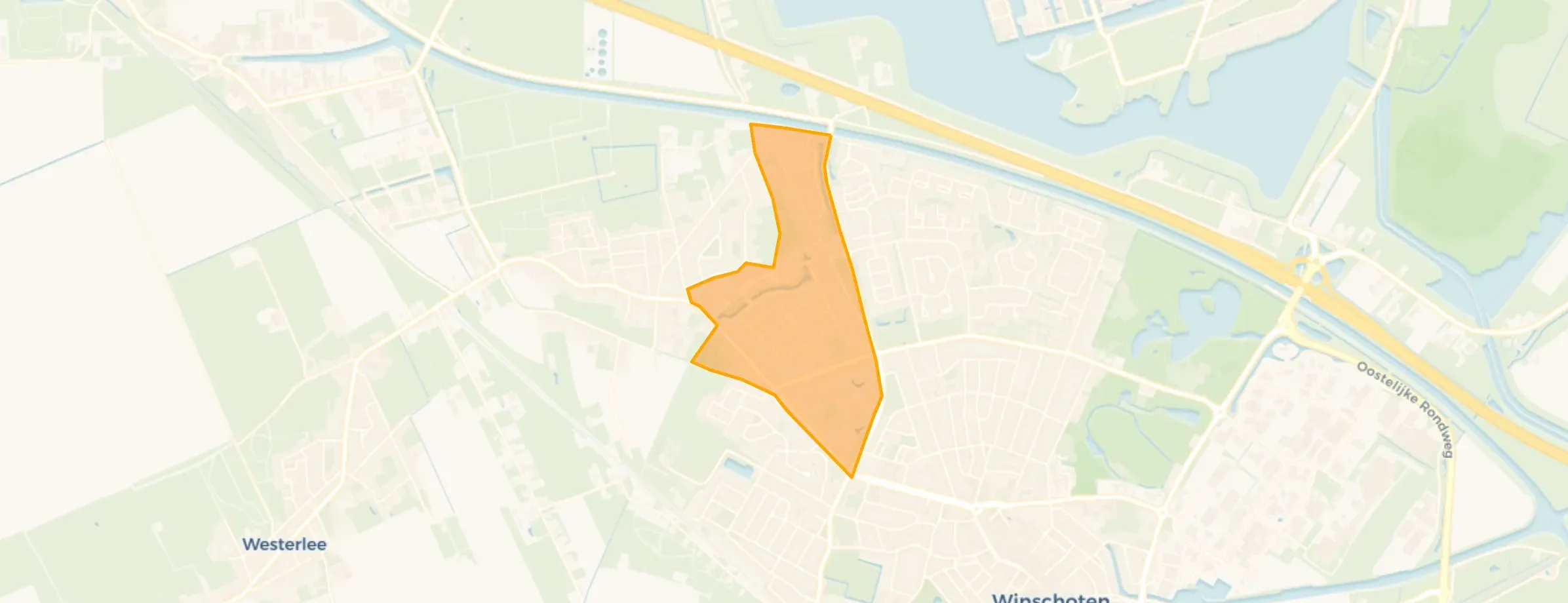
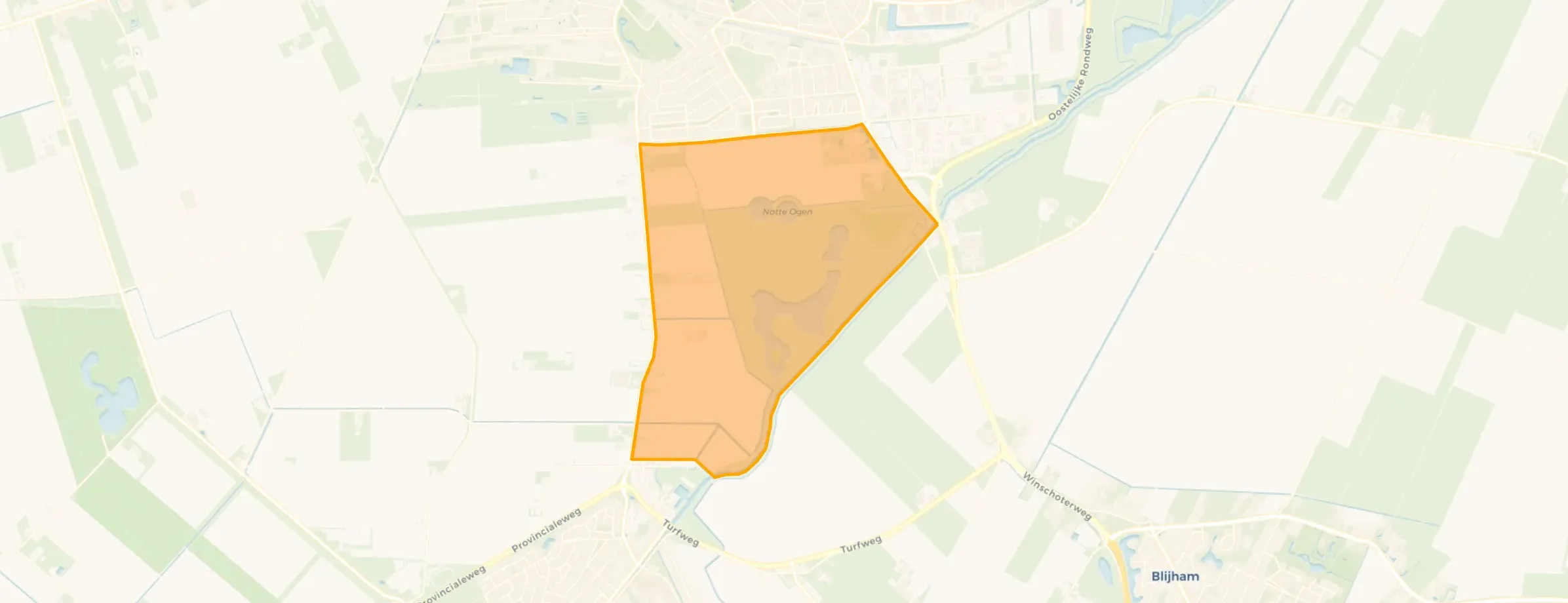
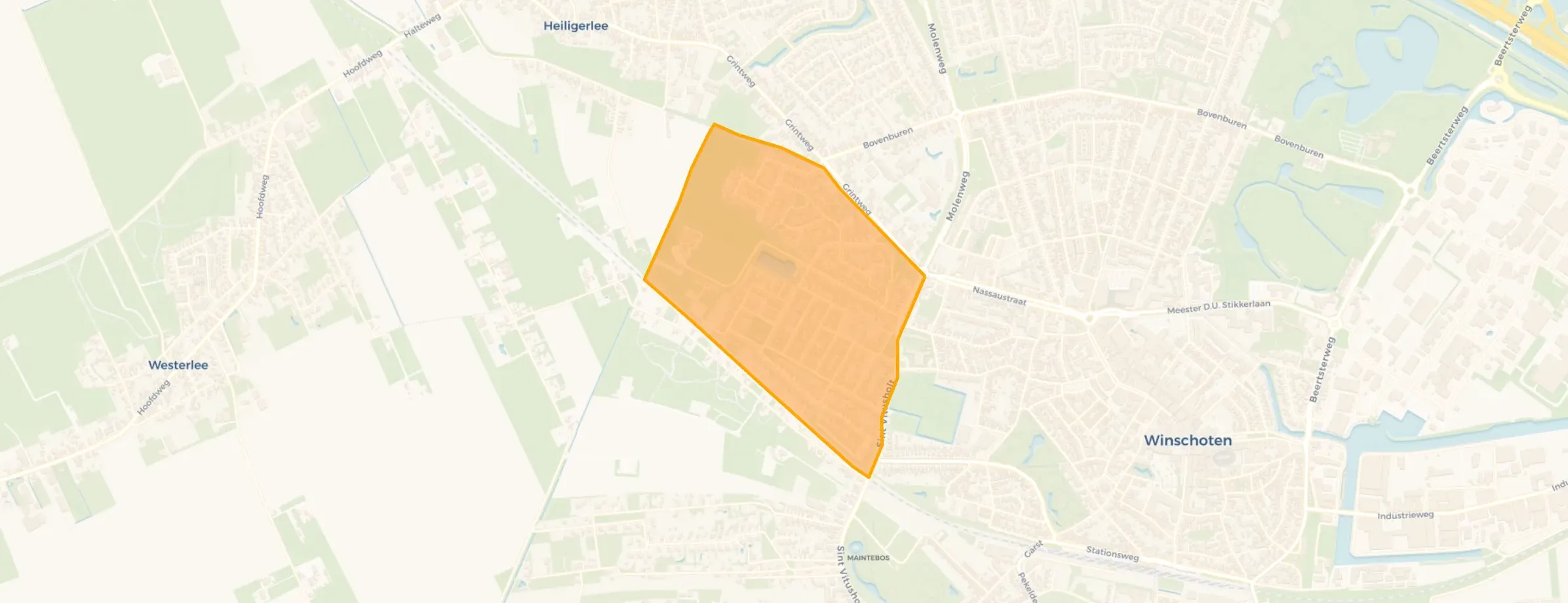
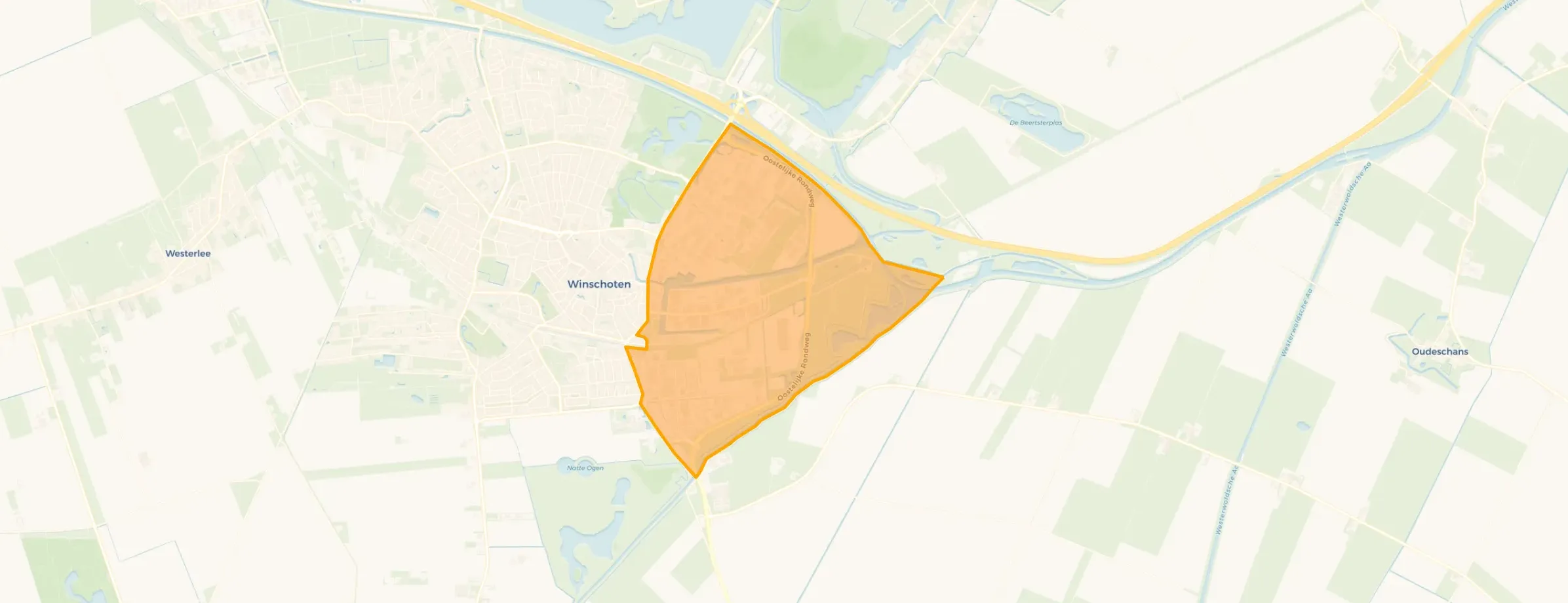
I've been living in Winschoten-Noord for years and it's lovely here. There are many parks nearby for nice walks with the dog and the children. The amenities are also in good order: schools, supermarket and a good connection to both the centre and Blauwestad. A few more charging points could be installed, but we can't complain in this neighbourhood. I also always feel safe.
Auto-translated to English by AIIdeally situated. Everything close by.
Auto-translated to English by AIThe neighbourhood is located on the main road and within a short distance of all shops and opposite the beautiful forest! That makes up for a lot!
Auto-translated to English by AISuper good safe community. Hygiene is taken seriously here and the municipality provides a lot of information. Education is good, many schools. Secondary and for children. More houses are being built all the time, but they do stay away from nature, so that's a given. Everything is also easily accessible and there are many supermarkets.
Auto-translated to English by AIVery good. Never had any problems, lots of consideration for the children and enough schools in the area. All the important supermarkets that are easily accessible and a nice shopping centre. The houses are safe and more are being built all the time.
Auto-translated to English by AINice new village with both detached houses, semi-detached houses, terraced houses and apartments. Nice peninsulas. Living by the water. Lots of recreational opportunities. A supermarket is still missing. And a nice pub.
Auto-translated to English by AIIn my neighbourhood there are mainly social housing units. I clearly see the difference between people with low incomes and those with average incomes. It doesn't always feel safe to walk on the street, and a football cage a few metres from my house doesn't help either. I have to cycle past it and I'm not always spoken to kindly. Nine times out of ten there are rough youngsters into hardcore and such. The houses in this neighbourhood don't look their best either. People often have a huge mess in their garden and house. We haven't been home for a while, so me saying this is hypocritical. But that's been sorted for a long time now. People always leave their dog poop lying around. Also, everyone knows each other. We don't have a relationship with our neighbours, mainly because they're just chavs. That's why they're not always very nice to us. Furthermore, the walls here are paper-thin. So you can always hear people talking in the other house. Not word for word, of course. You can also hear people climbing the stairs. The types of people walking around here are always the same. We have at least three drug dealers living in the courtyard. Every now and then we see a deal happening. Then strange cars drive onto the parking lot and they get in, just like on TV. The bins aren't safe either. We try to remove them from the road as soon as they've been emptied. We've had it before that our bin disappeared or that people throw their rubbish in it while it's by the road. As I type this, I realise where I live hahahaha.
Auto-translated to English by AIThis neighbourhood has green strips and several paths where children love to play. The neighbourhood is safe and is close to several schools and near a playground.
Auto-translated to English by AI
Over the past year a home for sale in Winschoten was listed for an average of €320,469 (€2,600 per m²). Last quarter prices fell by 6%.
A rental home in Winschoten cost an average of €1,152 per month (€15 per m²).
Residents give Winschoten a 7.5 out of 10 based on 10 reviews. Safety stands out with a 8.9; amenities lags behind with a 6.8.
A considerable share of the supply in Winschoten is less efficient: 29% has an E, F or G label. The average natural gas consumption per household is 1,190 m³ per year.
From Winschoten you can on average reach a supermarket at 0.9 km, a GP at 1.2 km, a railway station at 1.7 km, a primary school at 0.7 km (as the crow flies, source: CBS).
Right now you will find 91 homes for sale and 23 homes for rent in Winschoten.

Buurtje.nl uses cookies to make the site work and to improve it. In doing so, we process data such as your IP address and the pages you visit.
We use this data for three purposes: running the website (functional), measuring visits so we can improve Buurtje.nl (analytics), and — if you allow it — tailoring ads to your interests (marketing).
How we handle your data is described in our privacy policy. You can change your preferences at any time via 'Cookie preferences' at the bottom of every page.
Choose per category which cookies we may place. Read more in our privacy policy.