Province in the Netherlands
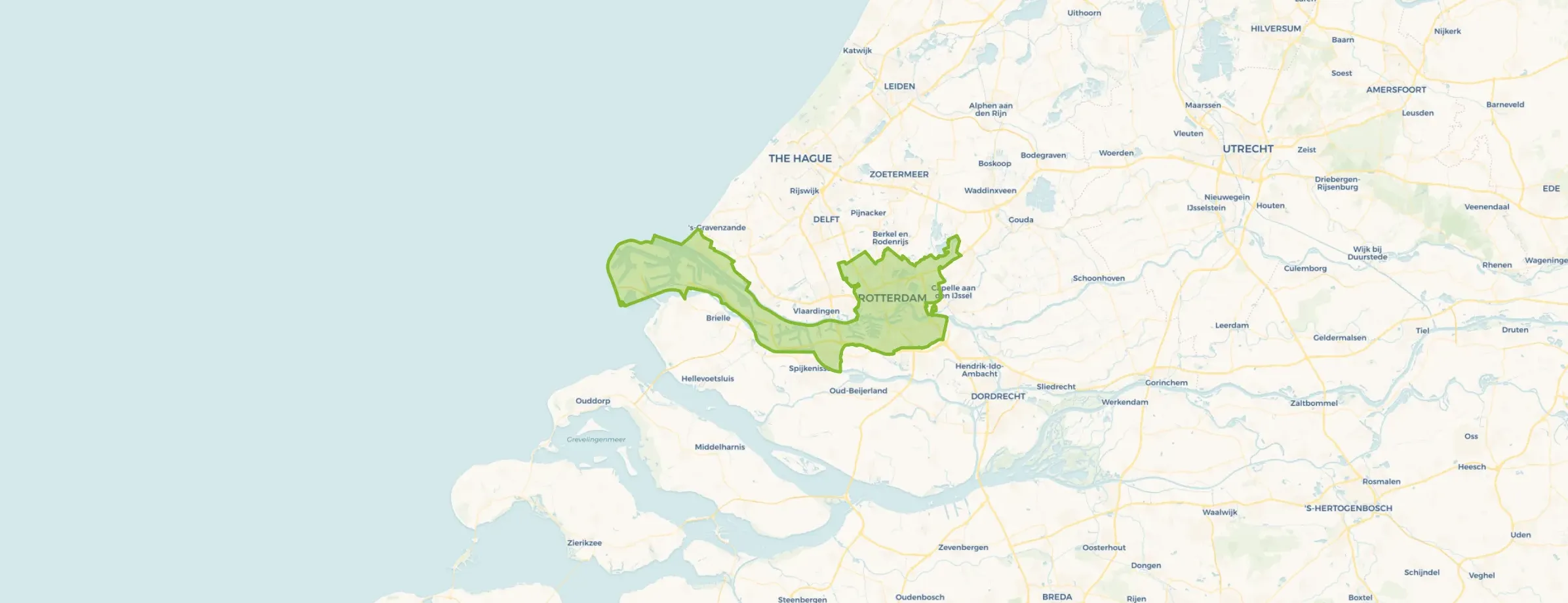
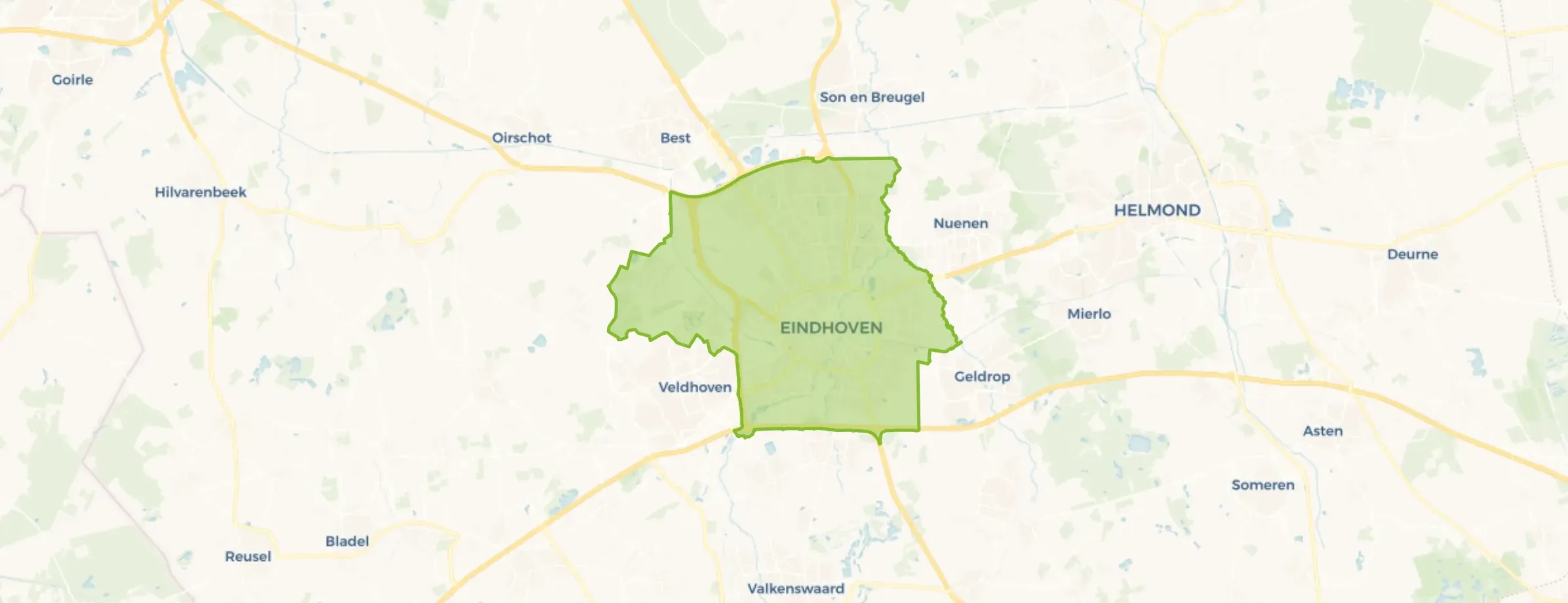
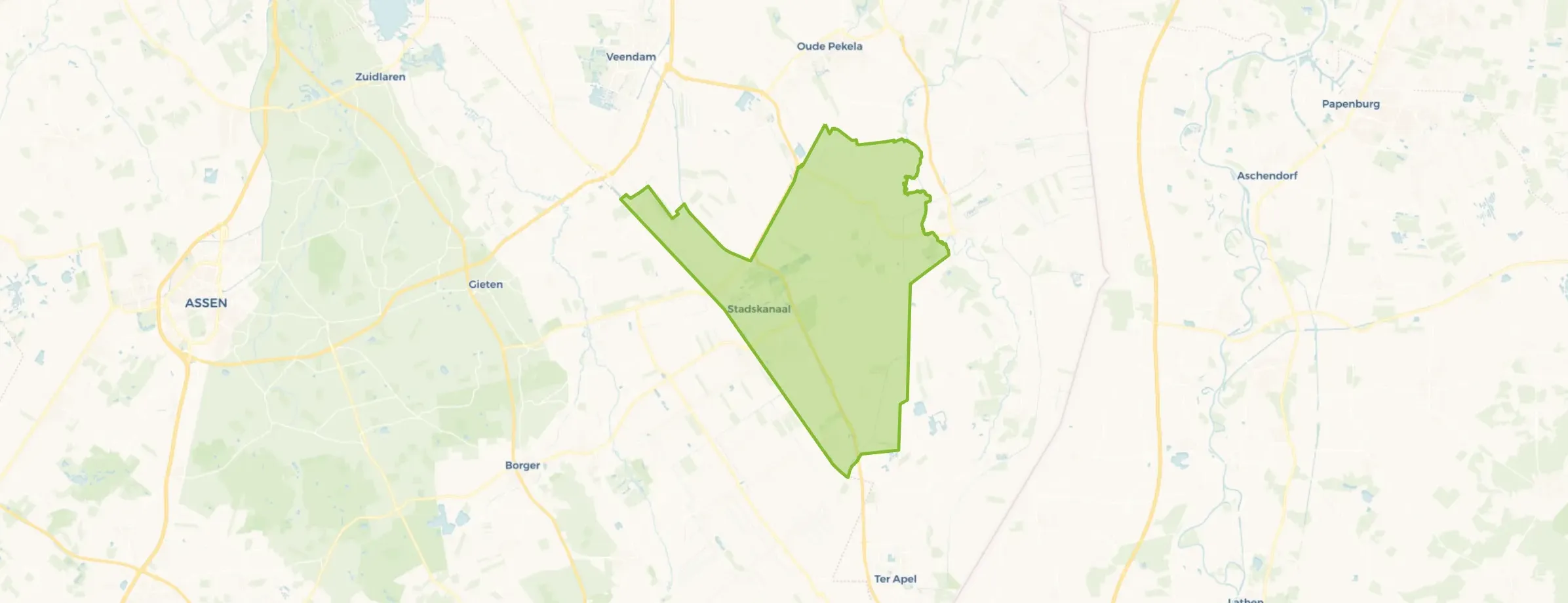
Groningen is the northernmost province of the Netherlands, known for its vast landscapes and historic towns. The province has a total area of 295.518 hectares, of which 231.586 hectares are land and 63.934 hectares are water. The province is coded as PV20. The postcode area is 9351AA-9999XL.
Groningen has 602.833 residents. Of these, 50,0% are men and 50,0% are women. Most residents are 25 to 45 years (25,1%). The other age groups are 25,0% for '45 to 65 years', 21,3% for '65 years or older', 15,4% for '15 to 25 years' and 13,2% for '0 to 15 years'. Of the residents, 53,6% is unmarried, 33,9% is married, 7,6% is divorced and 5,0% is widowed. 479.197 residents originate from the Netherlands, 46.630 come from Europe and 77.006 come from countries outside Europe.
There are 308.424 households in Groningen. 47,5% of these are single-person households, 27,3% households without children and 25,1% households with children. The average household size is 1,9 persons. The national average is 2,1 persons.
In Groningen there are 488.600 income recipients. The average income per income recipient is €36.733, which is €5.467 (13%) lower than the national average of €42.200. Per resident, the average income is €30.951, which is €3.949 (11%) lower than the national average of €34.900. Most residents of Groningen are educated to an intermediate level. 44,6% have an intermediate education (HAVO, VWO or MBO 2-4), 31,9% have a university or higher professional education (HBO/WO) and 23,6% have a lower education (VMBO or MBO 1).
Of the 602.833 residents, around 68% are in paid employment, which amounts to 409.926 people. This is 4% lower than the national average of 72%. The majority of workers are in salaried employment (86%), while 14% are self-employed. In Groningen, 28% of residents receive a benefit. The largest group is those receiving a state pension (AOW). 114.480 people receive this benefit.
In Groningen there are 294.248 homes with an average assessed value (WOZ) of €294.948. Of these, around 95% are occupied and 5% unoccupied. Most homes are owner-occupied. This amounts to 45% rental homes and 55% owner-occupied homes. Of the homes, 54% privately owned, 28% owned by housing associations and 18% owned by other landlords. The most common construction periods in Groningen are 1950-1970 (19%) and 1970-1980 (16%).
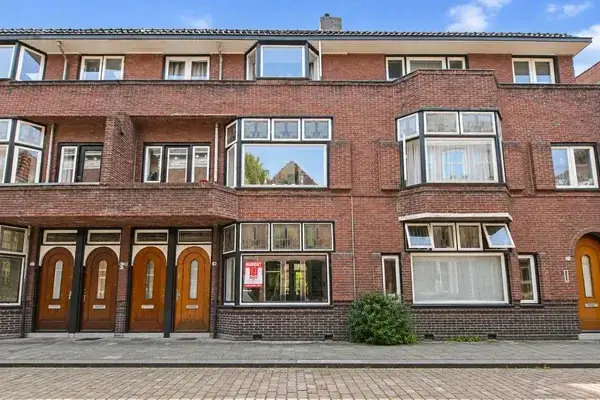
There are currently no homes for sale in Groningen. The most recently listed home is Barkmolenstraat 16 by Boekholt & partners makelaardij op Funda. No homes were sold in Groningen over the past year.
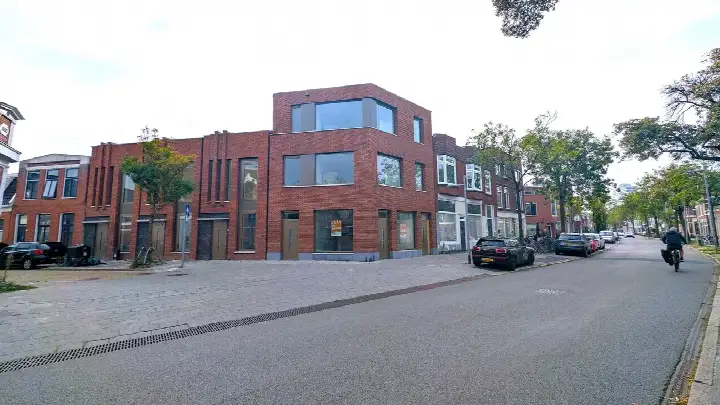
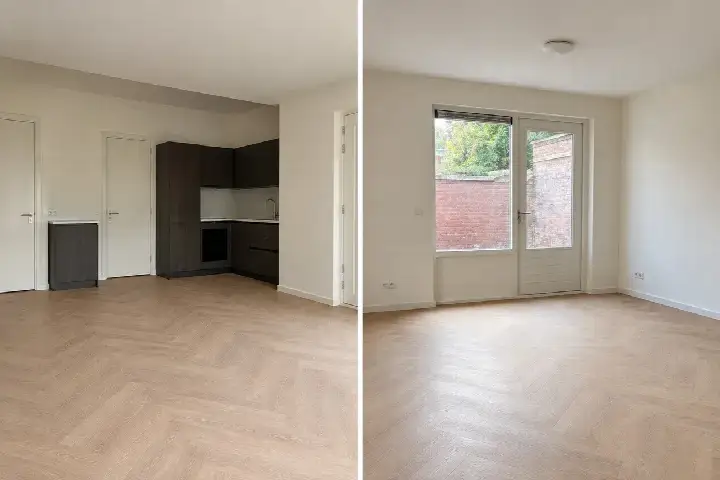
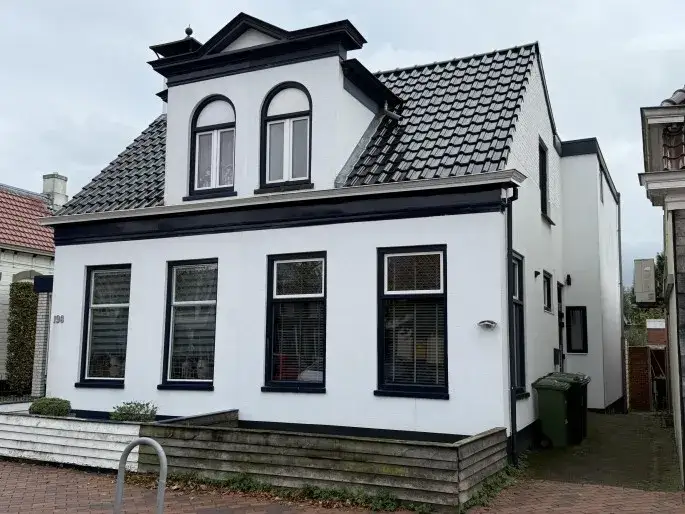
There are currently no homes for rent in Groningen. The most recent home is Noorderstraat 196, offered by de Wit Garantiemakelaars op Funda. No homes were let in Groningen over the past year.
No recent rental data available for Groningen.
In Groningen there are 204.313 addresses with a registered energy label. The most common labels are A (30%), C (21%) and B (14%). On average, an address in Groningen uses 2.422 kWh of electricity per year. This is 5% below the national average of 2.550 kWh. Natural gas consumption, at 895 m³ per year, is 12% above the national average of 800 m³.
Goede bereikbaarheid met openbaar vervoer. Betrokken buren. Basisonderwijs aanwezig. Wij wonen hier nu 2,5 jaar. En zijn opgenomen in de gemeenschap. Erg fijn.
Auto-translated to English by AIIk woon hier nu, met ups en downs qua lawaai/herrie, nu 12,5 jaar. Altijd gekozen om hier toch te blijven, gezien de fijne buren en nette straat, met de mooie Hamburgervijver om de hoek waar ik graag eens zit te relaxen. Alle voorzieningen vlakbij en bushalte aan de kade, ideaal als je vaak en graag reist :). Ik voel me hier onderhand erg veilig, in al die tijd alleen eens een brand geweest maar verder kun je hier rustig je leventje leven, veelal hoog opgeleide buren, wat prettig is in het contact. Ik ben blij dat ik hier nog steeds woon.
Auto-translated to English by AIMooie huizen, goede voorzieningen, rustig, zo in de stad. toppp
Auto-translated to English by AIPeople are friendly, I enjoy living here.
Auto-translated to English by AII've been living in Winschoten-Noord for years and it's lovely here. There are many parks nearby for nice walks with the dog and the children. The amenities are also in good order: schools, supermarket and a good connection to both the centre and Blauwestad. A few more charging points could be installed, but we can't complain in this neighbourhood. I also always feel safe.
Auto-translated to English by AIIdeally situated. Everything close by.
Auto-translated to English by AIGood
Auto-translated to English by AIClose-knit neighbourhood looks out for each other
Auto-translated to English by AIOver the past year a home for sale in Groningen was listed for an average of €383,931 (€3,316 per m²). That is 27% below the Dutch national average. Last quarter prices rose by 6%.
A rental home in Groningen cost an average of €1,175 per month (€17 per m²). That is 46% below the national average.
Residents give Groningen a 7.6 out of 10 based on 328 reviews. Especially safety (8.0) scores well; amenities (7.1) receives the lowest rating.
From Groningen you can on average reach a supermarket at 1.2 km, a GP at 1.3 km, a railway station at 5.0 km, a primary school at 0.9 km (as the crow flies, source: CBS).
Right now you will find 3,883 homes for sale and 668 homes for rent in Groningen.