Rental homes in Abdij- en Torenbuurt, Tilburg
Discover the current supply of rental properties in Abdij- en Torenbuurt and compare neighbourhood data, resident ratings and rental prices directly on this page.

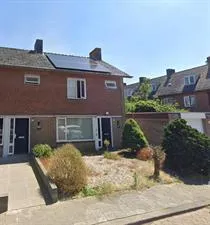

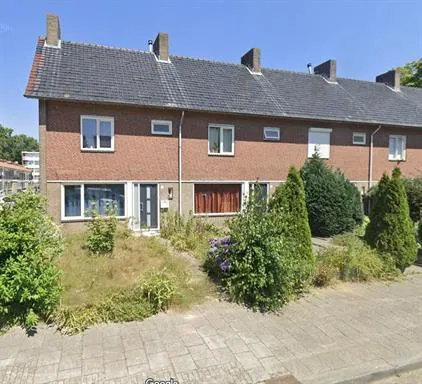
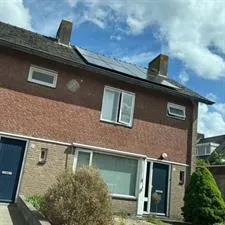
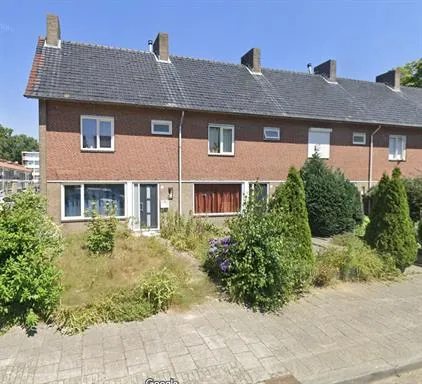
Rental prices and market figures for Abdij- en Torenbuurt, Tilburg
Abdij- en Torenbuurt is pre-eminently a rental neighbourhood: 89% of the housing stock consists of rental properties, compared to just 11% owner-occupied homes. This is remarkably high compared to the Tilburg average. Of all homes, 68% are owned by housing corporations, meaning social housing dominates here. The remaining 21% falls under other landlords, the so-called private sector.
The average WOZ value is €200,000, significantly lower than the district average of De Reit (€256,000) and the municipal average of Tilburg (€314,000). This reflects the character of the neighbourhood: affordable, often older rental homes without the upgrading that some other Tilburg neighbourhoods have undergone.
In the private sector (excluding social housing), 17 homes were rented out in the past twelve months with an average rental price of €641 per month. The range runs from €500 to €926 per month. With an average surface area of 102 m², this amounts to approximately €6.28 per m² per month. This is relatively affordable compared to other neighbourhoods in Tilburg. For the current supply and daily rental prices, see the overview at the top of this page.
Living in Abdij- en Torenbuurt, Tilburg
Abdij- en Torenbuurt is located in the De Reit district, close to the centre of Tilburg. It is a compact, urban neighbourhood with a mixed character: post-war porch flats and simple terraced houses stand alongside smaller apartment complexes. The neighbourhood does not have a green or quiet suburban feel, but if you want to live centrally without paying city centre prices, this is a good place to be.
The population is young and diverse. The largest age group is 25 to 45 years (555 residents), followed by 15 to 25 years (440 residents). Single-person households are dominant: 645 of the 828 homes are occupied by single people. This says something about the type of housing common here: compact apartments and studios, fewer family homes with gardens. Resident Anita Krist describes it aptly: "Residents from all kinds of countries are present in the neighbourhood and there is actually little nuisance from so many cultures together." That diversity is a characteristic of the neighbourhood that you do not find in every Tilburg district.
Facilities in Abdij- en Torenbuurt
The neighbourhood scores highly on facilities (9.3 out of 10 in the resident rating), and rightly so. Supermarkets, shops and eateries are within walking distance. Tilburg city centre with Heuvelstraat and Pieter Vreedeplein is a few minutes' bike ride away, meaning residents have access to a full range of shops without having to travel far. There are primary schools in the immediate vicinity, which also makes the neighbourhood interesting for young families: the score for education is 8.7. Sports facilities and parks are available in the wider district, although the supply of green space within the neighbourhood itself is more limited (score 7.3). For extensive recreation, you can go to Wilhelminapark or Leijpark, both accessible by bike.
Accessibility
Accessibility is the strongest asset of Abdij- en Torenbuurt: residents give it a 9.3. Tilburg Station is within cycling distance, with direct connections to Breda, Den Bosch and Eindhoven. Several bus routes run through or past the neighbourhood, so you are well mobile even without a car. By car, the A58 (towards Eindhoven and Bergen op Zoom) and the A65 are quickly accessible. Parking is a point of attention in some streets due to the high building density; check with the municipality of Tilburg for current parking regulations via tilburg.nl. For cyclists, the neighbourhood is excellent: the centre can be reached within ten minutes, and the city has a well-developed cycling network.
Atmosphere and residents
Resident Davey, who has lived there for almost four years, calls the neighbourhood "a quiet and safe family neighbourhood" and can only be positive about it. The safety score of 9.0 confirms that picture. The community score is somewhat lower at 6.7, which fits a neighbourhood with many single people and high turnover. It is not a neighbourhood where everyone knows each other, but according to residents, the atmosphere is pleasant and without major tensions. See all experiences and reviews on the neighbourhood page of Abdij- en Torenbuurt.
Compared to neighbourhoods such as Universiteit and Universiteit Campus, which are strongly focused on students, Abdij- en Torenbuurt has a slightly broader mix of residents. Also Notre Dame and Kastelenbuurt Noord are nearby neighbourhoods worth comparing if you are looking for a rental home in this corner of Tilburg.
Who is renting in Abdij- en Torenbuurt interesting for?
Abdij- en Torenbuurt mainly attracts young professionals, starters and people who want to live centrally without paying top prices. The combination of a low WOZ value, affordable private sector rental prices and excellent accessibility makes it attractive for those considering renting an apartment in Abdij- en Torenbuurt. Families find fewer spacious single-family homes here than in surrounding districts, but the presence of schools and the safe atmosphere make it feasible for small families nonetheless.
Do you want to rent a home in the private sector? Respond quickly: supply is limited (17 rented homes in the past year) and popular homes go fast. Prepare your rental documents, such as pay slips and an employer's statement. For social housing, you must be registered with a housing corporation; given the high corporation share (68%), there are homes, but waiting lists can be long. As an alternative, you can also look at owner-occupied homes in Abdij- en Torenbuurt, although supply there is limited due to the low owner-occupancy rate of 11%.
What residents say about Abdij- en Torenbuurt
Abdij- en Torenbuurt receives an average resident score of 8.2 based on 3 reviews. The highest scores go to accessibility (9.3) and facilities (9.3), followed by safety (9.0) and housing (8.7). The lowest score is for community (6.7), which fits the urban, anonymous character of the neighbourhood. Resident Davey: "I have lived here for almost 4 years now and can only be positive about our neighbourhood." See all reviews and the full neighbourhood data on the overview page of Abdij- en Torenbuurt.
Compare rental homes in and around Abdij- en Torenbuurt
Want to know how Abdij- en Torenbuurt compares to the rest of De Reit? The district has an average income of €31,200 and a WOZ of €256,000, both higher than the neighbourhood itself. This means that Abdij- en Torenbuurt represents the affordable side of De Reit. Also check the supply of rental homes in De Reit for a broader picture. Looking further? Then districts such as Binnenstad and Armhoef offer similar urban living environments. For the complete overview of available rental homes in the city, see rental homes in Tilburg. Buurtje.nl combines current housing supply with resident reviews and district data, so you not only find a home but also know whether the neighbourhood suits you.
Frequently asked questions
What is the average rent in Abdij- en Torenbuurt, Tilburg?
In the free sector (excluding social housing), the average rent in Abdij- en Torenbuurt is €641 per month, based on 17 rented properties in the past twelve months. Rents range from €500 to €926 per month, with an average area of 102 m², which works out to about €6.28 per m². Social housing is generally cheaper, but registration and income requirements apply through the housing association.
Are there social housing properties in Abdij- en Torenbuurt?
Yes, 68% of the housing stock in Abdij- en Torenbuurt is owned by housing associations, accounting for the majority of the 828 homes in the neighbourhood. To qualify for social housing, you must be registered with a housing association active in Tilburg, such as TBV Wonen or WonenBreburg. Be prepared for waiting lists; demand for social housing in Tilburg is high.
What is it like to live in Abdij- en Torenbuurt?
Living in Abdij- en Torenbuurt means living centrally in a diverse, urban neighbourhood with excellent accessibility and amenities within walking distance. Residents give the neighbourhood an average rating of 8.2, with high scores for accessibility (9.3), amenities (9.3) and safety (9.0). The community score is somewhat lower at 6.7, which fits the anonymous atmosphere of a neighbourhood with many single people and a diverse population.
Is Abdij- en Torenbuurt suitable for starters and young professionals?
Definitely. The largest population group is 25 to 45 years old, and 645 of the 828 households are single-person households. The affordable rents in the free sector (average €641/month) and the central location make it attractive for starters looking for a rental home or apartment without being far from the centre. Students may find a better fit in neighbouring areas such as Universiteit Campus.
How is the accessibility of Abdij- en Torenbuurt?
Residents rate accessibility at 9.3, the highest sub-score. Tilburg Station is within cycling distance, with train connections to Breda, Den Bosch and Eindhoven. Several bus lines serve the neighbourhood. By car, the A58 and A65 are quickly accessible. Tilburg city centre is within ten minutes by bike. Parking can be difficult on some streets due to the high building density.
What amenities are there in Abdij- en Torenbuurt?
The neighbourhood scores 9.3 for amenities. Supermarkets, shops and eateries are within walking distance, and Tilburg city centre with extensive shopping options is a few minutes away by bike. There are primary schools in the area (education score 8.7). Green space is more limited within the neighbourhood itself (score 7.3), but Wilhelminapark and Leijpark are easily accessible by bike for recreation.
Is Abdij- en Torenbuurt a safe neighbourhood?
Yes, residents rate safety in Abdij- en Torenbuurt at 9.0, which is high for an urban neighbourhood. Resident Davey, who has lived there for almost four years, describes it as a quiet and safe neighbourhood. Anita Krist also notes that there is little nuisance despite the cultural diversity of the residents. As in any urban neighbourhood: stay alert, but the signals from residents are predominantly positive.
Close to public transport, shops, city centre and schools. Residents from all kinds of countries in the neighbourhood and actually little nuisance from so many cultures together.
Auto-translated to English by AII've been living here for almost 4 years now. And I can only be positive. In general about our neighbourhood/district
Auto-translated to English by AIIt's a neighbourhood where mainly only students live. Everyone is to themselves, people don't come outside much. The neighbourhood is tidy thanks to the many rubbish bins.
Auto-translated to English by AI