Rental homes in Duivendrecht, Ouder-Amstel
Looking for a rental property in Duivendrecht? Check the current listings on this page and find out if this quiet, well-connected neighbourhood suits you.

Rental prices and market figures Duivendrecht, Ouder-Amstel
Duivendrecht is a predominantly rental neighbourhood: 58% of the housing stock consists of rental properties, compared to 42% owner-occupied homes. Of all homes, 37% are owned by a housing association (social housing) and 21% belong to the private sector via other landlords. This makes the ratio between social housing and private sector rental quite pronounced, which is relevant for tenants to know.
In the private sector (excluding social housing), 93 homes were rented out in Duivendrecht over the past twelve months. The average rent was €2,408 per month, with an average floor area of 100 m². This works out to approximately €24 per m². The range runs from €800 to €4,950 per month, indicating that the supply varies greatly in type and size. For current rental prices of homes now available, you can consult the overview at the top of this page.
The average WOZ value in Duivendrecht is €449,000. This is clearly below the average for the municipality of Ouder-Amstel and the wider district, where the WOZ value stands at €558,000. Duivendrecht is therefore relatively affordable compared to the rest of the municipality, although private sector rents remain high. Those considering buying can also view the page with homes for sale in Duivendrecht for a comparison.
Living in Duivendrecht, Ouder-Amstel
Duivendrecht is a compact, independent village core just outside Amsterdam but in many respects closely intertwined with it. The neighbourhood has a village character with its own identity: quiet streets, relatively lots of green space, and a mix of post-war housing and later expansions. It is not a trendy city district, but neither is it a sleepy rural area. People who live here appreciate the tranquillity and the proximity to Amsterdam at the same time.
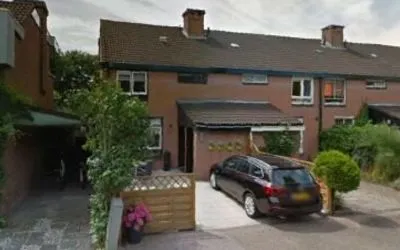
The built environment largely consists of porch flats and single-family homes from the 1960s and 1970s, supplemented by newer apartment complexes. This gives the neighbourhood a varied streetscape. Single-person households form the largest group of residents (1,385 households), followed by two-person and family households. The largest age group is 25 to 45 years, giving the neighbourhood an active, working character.
Facilities in Duivendrecht
For daily groceries, residents rely on supermarkets in the immediate vicinity, including an Albert Heijn near Duivendrecht station. The shopping offer within the neighbourhood itself is limited; for a wider range, most residents drive or cycle to Amsterdam-Zuidoost or the centre of Amstelveen. Primary schools are present in the neighbourhood, and for secondary education, children depend on schools in the surrounding municipalities. In terms of sports, local clubs are active, and the proximity of the Amstel river and surrounding polders offers ample opportunities for walking, jogging and cycling. Residents give green space a score of 9 out of 10, indicating that the neighbourhood scores well on this point.
Accessibility of Duivendrecht
Accessibility is one of Duivendrecht's strongest assets. Duivendrecht station offers direct train connections to Amsterdam Centraal (approximately 10 minutes) and is also on the metro (lines 50 and 54), giving quick access to Amsterdam-Zuidoost, the Zuidas and the city centre. Residents rate accessibility at 9 out of 10. By car, the A2 and A9 are easily accessible, making the neighbourhood interesting for commuters heading to Utrecht or Schiphol. Cycling to Amsterdam city centre takes about 25 to 35 minutes via the Amsteldijk. Parking is still relatively easy in most streets, although it can be busier around the station.
Atmosphere and what residents say
Residents rate Duivendrecht an average of 8.1 out of 10. Accessibility (9.0) and green space (9.0) score highly. Safety, community, housing and beauty all score 8.0. Facilities come out lowest with 7.0, which matches the picture that the shopping offer within the neighbourhood itself is limited. One resident describes the neighbourhood as: "Quiet living with all the convenience of Amsterdam within cycling distance. The green surroundings and the station make this a nice place to live." You can read more experiences from residents on the neighbourhood page of Duivendrecht, where all sub-scores and reviews are also listed.
Compared to neighbouring municipalities and other neighbourhoods in the district, Duivendrecht has its own position. Those who prefer a more rural setting can look at Ouderkerk aan de Amstel, a quieter village on the Amstel with a strong village character. The Industriegebied Amstel borders Duivendrecht but has a very different profile. For a broader picture of the rental market supply in the region, you can also look at rental properties in Ouder-Amstel as a whole.
Does a rental property in Duivendrecht suit you?
Duivendrecht mainly attracts people who combine the tranquillity of a smaller core with the accessibility of Amsterdam. Starters and young professionals find an alternative here to the overcrowded Amsterdam market, although private sector rents averaging €2,408 per month are not low. Expats working at the Zuidas or Schiphol benefit from the excellent public transport connections. Families can find more space here than in the city, but must take into account limited local facilities for children.
If you want to rent an apartment in Duivendrecht or a larger rental house, respond quickly: the Amsterdam region has a tight market and homes are usually rented out quickly. Make sure you have your payslips, employer's statement and identity document ready. For social housing in Duivendrecht, 37% of the housing stock is owned by housing associations; registration with Woningnet is the designated route for this, but expect long waiting lists. More information about living and facilities in the municipality can be found on the website of the municipality of Ouder-Amstel.
What residents say about Duivendrecht
The overall score of Duivendrecht on Buurtje.nl is 8.1 out of 10, based on resident reviews. The neighbourhood scores highest on accessibility (9.0) and green space (9.0), and lowest on facilities (7.0). One resident writes: "Quiet living with all the convenience of Amsterdam within cycling distance. The green surroundings and the station make this a nice place to live." Read all reviews and view the full neighbourhood data on the neighbourhood page of Duivendrecht. These are experiences from people who actually live here, information you won't find anywhere else at neighbourhood level.
Renting in Duivendrecht compared to surrounding neighbourhoods
Duivendrecht is part of Wijk 00 within the municipality of Ouder-Amstel. Those who want to compare can also look at the supply in rental properties in Wijk 00 for a broader overview of the district. Other neighbourhoods in the same district, such as Verspreide huizen in de Duivendrechtsche polder, have a very different character: more scattered and rural, with fewer facilities in the immediate vicinity. Duivendrecht as a core offers more urban structure and better public transport connections. Buurtje.nl combines current housing supply from more than 1,500 sources with neighbourhood scores, demographic data and resident reviews, so that as a tenant you not only compare a property but can also assess the neighbourhood itself before responding. Available rental properties in Duivendrecht can be seen at the top of this page.
Frequently asked questions
What is the average rent in Duivendrecht, Ouder-Amstel?
In the free sector (excluding social housing), the average rent in Duivendrecht is €2,408 per month, with an average living area of 100 m². That works out to about €24 per m². Rents range from €800 to €4,950 per month, depending on the type and size of the property. Social housing is significantly cheaper, but waiting lists apply.
Are there social housing properties in Duivendrecht?
Yes, 37% of the housing stock in Duivendrecht is owned by a housing association, which accounts for a substantial portion of the more than 2,600 homes in the neighbourhood. To apply for a social housing property in Duivendrecht, you can register via Woningnet, the central platform for social housing in the Amsterdam region. Be prepared for long waiting lists; in the Amsterdam region, these can quickly run into several years.
What is it like to live in Duivendrecht?
Duivendrecht is a quiet, compact neighbourhood just outside Amsterdam with a village character and plenty of green surroundings. Residents appreciate the combination of tranquillity and excellent accessibility via Duivendrecht station. The neighbourhood scores 8.1 out of 10 in resident reviews, with high scores for accessibility (9.0) and green spaces (9.0). The range of shops in the neighbourhood itself is more limited, which explains the slightly lower score for amenities (7.0).
Is Duivendrecht suitable for starters and young professionals?
Duivendrecht attracts a relatively large number of residents in the 25 to 45 age group and has a high proportion of single-person households. The neighbourhood is therefore popular among starters and young professionals who find Amsterdam too expensive but want to live nearby. The train and metro connection makes commuting to Amsterdam very feasible. However, note the free sector rents: with an average of €2,408 per month, they are not low, even if they are below the Amsterdam average.
How accessible is Duivendrecht?
Duivendrecht has its own train and metro station, from which you can reach Amsterdam Central in about 10 minutes. Metro lines (50 and 54) connect the neighbourhood with Amsterdam-Zuidoost and the Zuidas. By car, the A2 and A9 are easily accessible, convenient for commuters heading to Utrecht or Schiphol. Residents give accessibility the highest sub-score of all categories: a 9 out of 10. Cycling to Amsterdam city centre takes about 25 to 35 minutes.
What amenities are there in Duivendrecht?
In and around Duivendrecht, there are primary schools and a supermarket (including Albert Heijn) near the station. For more extensive shops, restaurants and secondary education, residents rely on Amsterdam-Zuidoost or Amstelveen. The area offers good opportunities for recreation: the Amstel and the surrounding polders are suitable for walking, cycling and running. Residents rate the green spaces a 9, but amenities score lower at 7.
How quickly are rental properties rented out in Duivendrecht?
The Amsterdam region, including Duivendrecht, has a tight rental market. Free sector properties are generally rented out quickly; responding to a property for rent in Duivendrecht has a better chance if you have documents ready immediately, such as payslips, an employer's statement and an identity document. The current average rental time for available rental properties in Duivendrecht can be seen at the top of this page.
Overall a very child-friendly neighbourhood. It is not often appreciated if noise is made late at night because most people have to work and/or have children who need to get up early. Keep that in mind because if you like parties, Duivendrecht might not be your place. It is a village, located between Diemen and Amsterdam Zuidoost, among others. Many people grew up here themselves and know each other. There is a sense of togetherness and often a chat is made with neighbours on the village square. Most children go to one of the two primary schools that Duivendrecht has. That makes it easy and pleasant to arrange playdates because almost all friends live in Duivendrecht. Because the metro stops nearby and a bus runs through the village, Duivendrecht is easily accessible by public transport. At Duivendrecht station you can even take the train. The village has a supermarket, chemist, tobacconist and eateries, among others. For shopping, it is best to go to one of the shopping centres in the surrounding municipalities. You can shop at the Amsterdamse Poort in Zuidoost, Diemen Centrum and Oostpoort in Amsterdam Oost. A nice, quiet village that you have to love.
Auto-translated to English by AI