Rental homes in Dwingeloo, Westerveld
Looking for a rental property in Dwingeloo? Check the current listings above and discover what this Drenthe village has to offer.
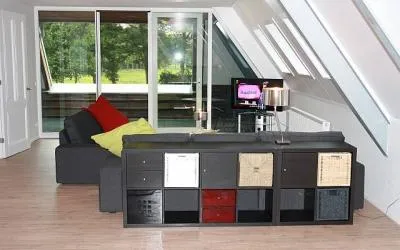
Renting in Dwingeloo: a small market with high private-sector prices
Of the 1,313 homes in Dwingeloo, 31% are in the rental sector. The majority of these are owned by housing associations (23%), while only 8% are with other landlords. The private sector is therefore limited in size. Over the past twelve months, only 6 homes were rented in the private sector (excluding social housing and rooms), with an average rent of €2,782 per month and a range of €1,050 to €6,980 per month. The average floor area was 157 m², which explains why prices are high: these are almost always spacious detached houses or characteristic country homes, not compact apartments. The WOZ value of €341,000 is slightly below the municipal average of €374,000 for Westerveld. For current rental prices and available supply, you can consult the overview at the top of this page.
Dwingeloo: peace, space, and a village not for everyone
Dwingeloo is not a neighbourhood in the urban sense of the word. It is a Drenthe village with its own pace, surrounded by heathland and forest. The proximity of the Dwingelderveld National Park, which also appears as a neighbourhood on Buurtje.nl (see Dwingelderveld), is for many residents the main reason to live here. People who consciously choose this place appreciate the silence, the low building density, and the sense of space that you simply do not find in larger towns.
On the neighbourhood page of Dwingeloo you can read what residents themselves say about the village. A recurring theme in the reviews is the peace and social cohesion: people know each other, and that is appreciated. At the same time, there is also a critical note: the level of amenities is limited. For major shopping, specialist shops, or a night out, you have to go to Meppel or Hoogeveen. Bus connections exist but are not frequent. Anyone without a car quickly notices this. The labour participation rate of 65% and the average income of €33,200, which is slightly below the municipal average of €35,700, fit a village where many people are retired or work part-time. The largest age group is 65-plus (805 of the 2,805 residents), giving the village a quiet, mature character.
The neighbourhood Verspreide huizen Dwingeloo shows what the rural area around the village looks like: scattered buildings, long driveways, and a level of privacy that is unthinkable in urban areas. Also Westeinde and Stroovledder are small-scale residential areas in the immediate vicinity with a similar atmosphere. The village has a primary school, a GP practice, and some local amenities, but anyone who depends daily on urban services will experience this as a shortcoming.
Does renting in Dwingeloo suit you, or are you looking for something else?
Dwingeloo attracts people who prioritise peace and nature over accessibility and amenities. The ageing population structure and the limited private-sector supply make the village less suitable for young starters or people dependent on public transport. Moreover, a rental home in the private sector here is rarely cheap: prices reflect the space and character of the homes. Anyone considering buying here instead of renting can view the supply of homes for sale in Dwingeloo, as 69% of the housing stock is owner-occupied. For a broader picture of the rental market in the region, Diever and Wapse are also worth looking at as comparable villages in the same municipality.
Searching for rental homes in Dwingeloo: how to do it smartly
The supply of rental homes in Dwingeloo is limited and changes regularly. Buurtje.nl combines current housing supply with resident reviews and neighbourhood data, so you not only find a home but also know what to expect. Would you like to rent a home in the wider area? Then also check the overview of rental homes in Westerveld or explore villages like Zorgvlied and Lhee for similar living environments. More information about living and residing in the municipality can also be found on the website of Westerveld municipality.
Frequently asked questions
What is the average cost of a rental home in Dwingeloo?
In the private sector (excluding social housing), the average rental price in Dwingeloo over the past twelve months was €2,782 per month, with a range of €1,050 to €6,980 per month. These are almost always spacious homes with an average area of 157 m². Social housing through a housing association is cheaper, but waiting times and income requirements apply.
How long is the waiting time for social housing in Dwingeloo?
Social housing in Dwingeloo falls under housing association ownership, which accounts for 23% of the housing stock. For exact waiting times and registration options, you can contact the relevant housing association active in the municipality of Westerveld. Waiting times in small Drenthe villages can be considerable because supply is limited and turnover is low.
Is Dwingeloo easily accessible if you want to rent a home there?
Dwingeloo is located in a rural area and is reasonably accessible by car from Meppel and Hoogeveen. Public transport is limited: there are buses, but not at high frequency. Those without a car will find the village relatively isolated. For daily amenities and work in the region, your own transport is almost indispensable.
Are there apartments for rent in Dwingeloo?
Renting an apartment in Dwingeloo is difficult: the village consists almost exclusively of ground-based homes. The private sector supply typically consists of spacious single-family homes or country houses. If you are specifically looking for an apartment, it is advisable to also consider the broader rental supply in Westerveld or look at larger towns in the region.
Are there schools nearby if I move to Dwingeloo with children?
Dwingeloo has a primary school, so young families do not need to commute for primary education. For secondary education, children are dependent on surrounding places such as Meppel or Hoogeveen. The 0 to 15 age group has 360 residents, indicating that families do live in the village, but facilities for older children are limited within the village itself.