Rental homes in Watervogelbuurt, Utrecht
Check the current rental property listings in the Watervogelbuurt and discover if this Utrecht neighbourhood suits you based on rental prices, neighbourhood scores, and resident reviews.


Rental prices and market figures Watervogelbuurt, Utrecht
Watervogelbuurt is a neighbourhood where renting is the norm: 56% of the 1,171 homes are rental properties, divided into 21% housing association stock (social rent) and 35% other landlords (private sector and private individuals). Those looking to rent a home in the private sector pay an average of €2,077 per month. The range runs from €1,105 to €2,995 per month, with an average floor area of 75 m². This works out to about €27.70 per square metre. These are explicitly private sector rental prices, excluding social rent. The WOZ value of €433,000 is well below the average for the Oost district (€530,000) and also below the Utrecht average of €458,000. This makes Watervogelbuurt relatively affordable for the eastern side of Utrecht, although this is not always directly reflected in private sector rental prices. Compared to the broader range of properties to rent in the Oost district, Watervogelbuurt sits in the middle in terms of rental price. See the current listings and daily prices at the top of this page for the most recent updates.
Living in Watervogelbuurt, Utrecht
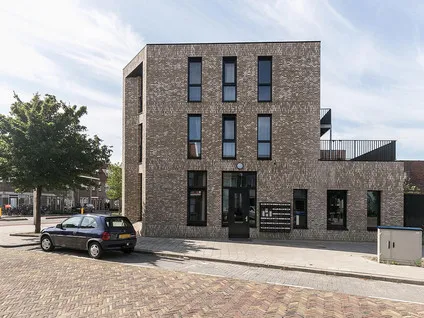
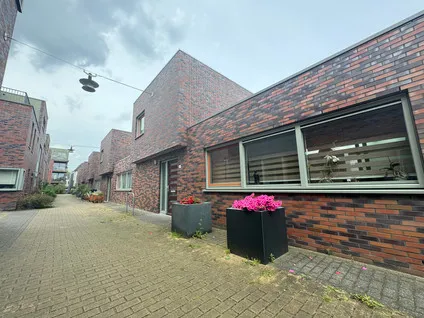
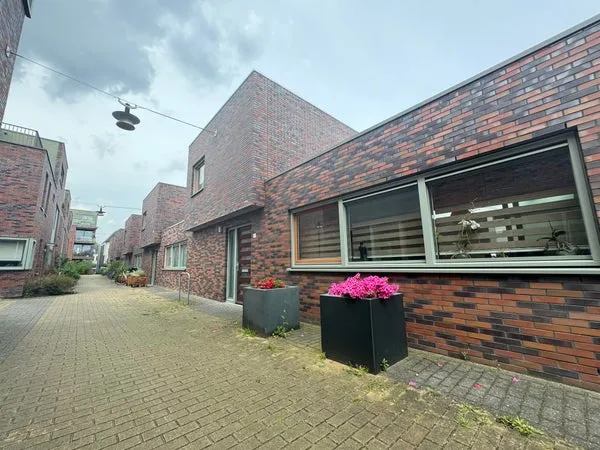
Watervogelbuurt is nestled between the Vecht river, the Merwedekanaal canal and the Waterlinieweg road, in the east of Utrecht. The street names refer to water birds: Reigerstraat (Heron Street), Eendenstraat (Duck Street), Meerkoetstraat (Coot Street). It is a compact, predominantly post-war neighbourhood with porch flats from the 1950s and 1960s, supplemented by newer apartment complexes along the water. The homes are not large, which is reflected in the average of 75 m² for rental properties in Watervogelbuurt. In terms of atmosphere, it is a quiet residential area that benefits from its waterside location, but also has a certain anonymity. Resident Tilly Prinsen describes it aptly: "I live in a beautiful environment with little social cohesion." She says she moved into the neighbourhood fifteen years ago, invited the neighbours over to get acquainted, but it never went beyond a Christmas card and a greeting in the street.
Facilities in Watervogelbuurt
For daily groceries, you walk to Biltstraat or Nachtegaalstraat, both a five to ten-minute bike ride away. There are no large supermarkets in the neighbourhood itself, but the Jumbo and Albert Heijn on Biltstraat are nearby. Primary school De Waterlelie is in the neighbourhood and scores well with parents. For secondary education, you cycle to the city centre or towards Buiten Wittevrouwen. Sportpark Maarschalkerweerd borders the neighbourhood: there you will find football, hockey and tennis clubs, plus the popular outdoor pool De Krommerijn. The greenery along the Vecht and the Merwedekanaal is great for runners and walkers. Residents give a 7.5 for green spaces and an 8.0 for facilities.
Accessibility and parking
Accessibility is a strong point of Watervogelbuurt, with an 8.0 from residents. Utrecht Vaartsche Rijn station is a ten-minute bike ride away and offers fast connections to Amsterdam and The Hague. Bus routes along the Waterlinieweg and Abstederdijk take you to the city centre in a few minutes. By bike, you are at Lucasbolwerk or Oudegracht in five to seven minutes. By car, you quickly reach the A27 and A28 via the Waterlinieweg. Parking is another story: paid parking applies and resident Gely mentions parking spaces as an area for improvement. A parking permit via the municipality of Utrecht is almost essential if you have a car.
Renting in Watervogelbuurt suits people who want a quiet home base within short distance of the city centre. The neighbourhood scores a 6.8 from residents, with strong points for accessibility and facilities, but lower scores for cleanliness (5.5), sense of community (5.5) and safety (6.0). Gely notes: "It is a good neighbourhood, but much could also be better in terms of cleanliness, parking spaces and safety." Comparing Watervogelbuurt with neighbouring areas, Oudwijk is greener and more upmarket but also more expensive, while Abstede and surroundings has a more mixed character. See all experiences on the neighbourhood page of Watervogelbuurt for a complete picture.
Does Watervogelbuurt suit you as a tenant?
With 1,060 residents aged between 25 and 45 and 945 single-person households, Watervogelbuurt is clearly a neighbourhood for young professionals and starters. Only 17% of households are married. Renting an apartment in Watervogelbuurt is realistic if you have a gross income around €70,000 or higher, given the private sector prices. For social rent, you can register with Woningnet; expect long waiting lists of eight to twelve years in Utrecht. The market moves quickly: prepare your documents (employer's statement, payslips, ID) in advance. Those who prefer to buy can view the available homes for sale in Watervogelbuurt as an alternative, as WOZ values here are lower than in the rest of Oost.
What residents say about Watervogelbuurt
Watervogelbuurt scores a 6.8 based on 2 reviews. Accessibility (8.0) and facilities (8.0) score highest, while sense of community (5.5) and cleanliness (5.5) receive the lowest scores. Tilly Prinsen (7.1/10) puts it well: she lives in a beautiful environment, but social cohesion is lacking. That picture fits a neighbourhood with many single-person households and high turnover. Read all reviews and view the sub-scores on the review page of Watervogelbuurt.
Compare rental properties in Watervogelbuurt with surrounding neighbourhoods
Watervogelbuurt is not the only option in this part of Utrecht. In Rubenslaan and surroundings you will find more spacious family homes, while Sterrenwijk is more compact and affordable. If you are looking more broadly, also check available rental properties in other districts such as Noordoost or West. On Buurtje.nl, we combine current rental listings with neighbourhood scores, resident reviews and data from more than 1,500 sources, so you not only find a rental home but also the neighbourhood that truly suits you. Also view the complete overview of rental properties in Utrecht if you want to broaden your search area.
Frequently asked questions
What is the average rent in the Watervogelbuurt, Utrecht?
The average rent in the free sector in the Watervogelbuurt is €2,077 per month, with an average area of 75 m² (approximately €27.70 per m²). The range runs from €1,105 to €2,995 per month. This concerns free sector rents; social housing through housing associations is cheaper, but has long waiting lists.
Are there social housing properties in the Watervogelbuurt?
Yes, approximately 21% of homes in the Watervogelbuurt are owned by housing corporations. You can register via Woningnet (WoningNet Regio Utrecht) for social housing. Expect waiting lists of eight to twelve years in Utrecht. Additionally, 35% is owned by other landlords, mainly in the free sector.
What is it like to live in the Watervogelbuurt?
The Watervogelbuurt is a quiet, compact residential neighbourhood by the water in Utrecht-Oost. Residents give the neighbourhood a 6.8 and particularly appreciate the accessibility (8.0) and amenities (8.0). Downsides are social cohesion (5.5) and cleanliness (5.5). It is a pleasant neighbourhood to live in, but you won't quickly get to know your neighbours.
Is the Watervogelbuurt suitable for starters and young professionals?
Yes, the Watervogelbuurt is particularly a neighbourhood for starters and young professionals. The largest age group is 25-45 years (1,060 out of 2,300 residents) and 945 households are single-person households. The location close to the city centre and good public transport connections make it attractive. Keep in mind that for the free sector you need a gross income of at least approximately €70,000.
How is the accessibility of the Watervogelbuurt?
Accessibility scores an 8.0 among residents. Utrecht Vaartsche Rijn station is a ten-minute bike ride away, bus routes run along the Abstederdijk and Waterlinieweg, and by bike you are in the city centre in five to seven minutes. By car, via the Waterlinieweg you quickly reach the A27 and A28. Parking is a point of attention: paid parking applies and a permit is almost necessary.
What amenities are there in and around the Watervogelbuurt?
In the immediate vicinity you will find supermarkets on the Biltstraat (Jumbo, Albert Heijn), primary school De Waterlelie and sports park Maarschalkerweerd with football, hockey, tennis and outdoor pool De Krommerijn. The greenery along the Vecht and the Merwedekanaal offers space for walking and running. Residents give amenities an 8.0 and education a 7.5.
Is the Watervogelbuurt a safe neighbourhood to rent in?
The safety score of the Watervogelbuurt is 6.0 based on resident experiences. Resident Gely mentions safety as an area for improvement. It is not an unsafe neighbourhood, but it does not score above average. The neighbourhood is generally quiet, but it is wise to walk through the neighbourhood in the evening during a viewing to get your own impression.
It's a good neighbourhood but a lot could also be better in terms of cleanliness, parking, safety.
Auto-translated to English by AII moved to this neighbourhood 15 years ago with two children aged 12 and 10 respectively. I invited the neighbours over to get acquainted, but it never went further than a Christmas card and saying hello to each other. I was busy with the kids, work, studies, etc. At the time, I didn't have much need for it either, and everyone did their own thing. Shops and restaurants within walking distance, as well as bus and train connections. The little river Krommerijn flows past my house. Lots of pleasure boats and joggers going back and forth to Amelisweerd. A small park nearby where I can enjoy walking. Primary schools close by and I feel safe. The house itself is fine, but could be better insulated and have a toilet upstairs. The neighbourhood could do more for each other by doing things together and each according to their abilities. Being able to help each other if needed, keeping an eye out. The lower part of the housing is much older, and above the lower houses there is an apartment. Here mainly live single people or families with young children. I would like to get to know each other and the question is: how do I do it?
Auto-translated to English by AI