Homes for sale in Arondeusbuurt, Amsterdam
Discover homes for sale in Arondeusbuurt and compare current asking prices, neighbourhood data and resident reviews to determine if this Amsterdam district suits you.

House prices and market figures for Arondeusbuurt, Amsterdam
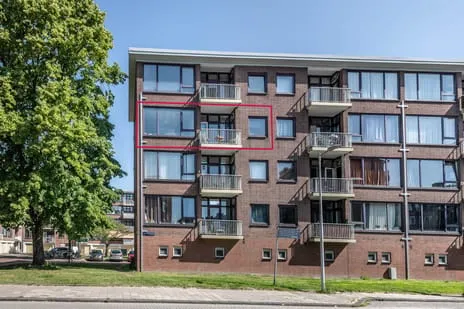
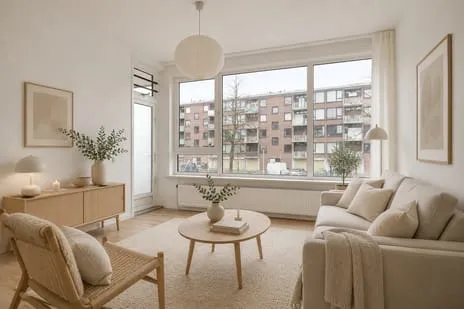
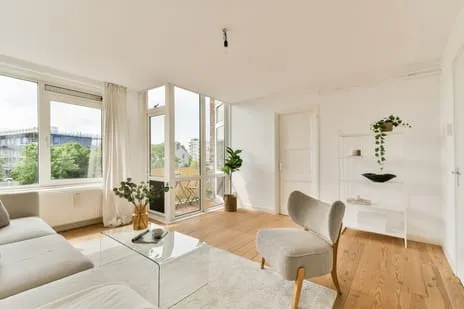
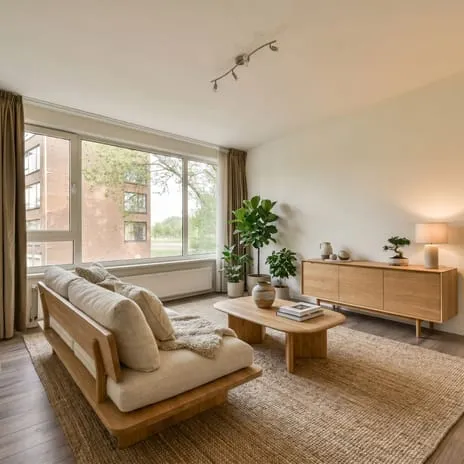
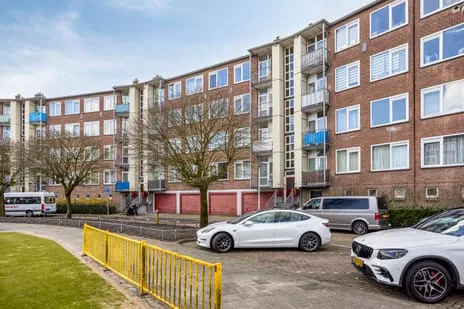
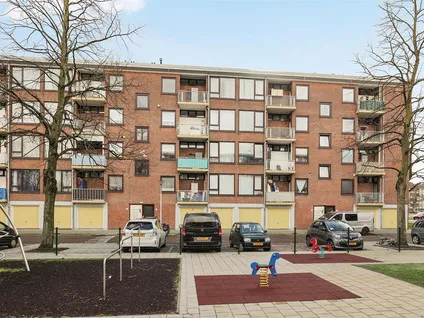
The owner-occupied market in Arondeusbuurt is small but active. Of the 1,145 homes in the neighbourhood, only 19% are owner-occupied, while 81% are rented, most of which through housing associations. This makes the supply of owner-occupied homes in Arondeusbuurt scarce, and this is reflected in the prices. Over the past twelve months, 13 homes changed hands at an average purchase price of €383,846. The range ran from €335,000 to €650,000, with an average living area of 65 m². This works out at a price of around €5,900 per square metre. The average WOZ value is €353,000, which is slightly higher than the district average for Slotermeer-Noordoost (€339,000), but significantly lower than the Amsterdam average of €517,000. For buyers looking to keep the city affordable, that is a relevant difference. The supply mainly consists of porch flats and gallery flats from the 1950s and 1960s. Current asking prices and available homes can be found at the top of this page.
Living in Arondeusbuurt, Amsterdam
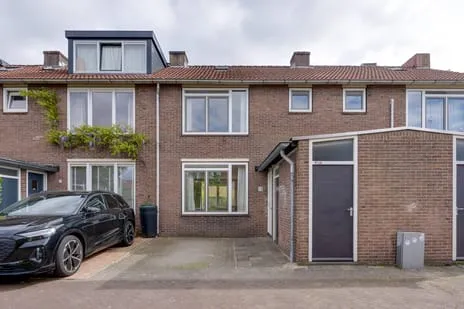
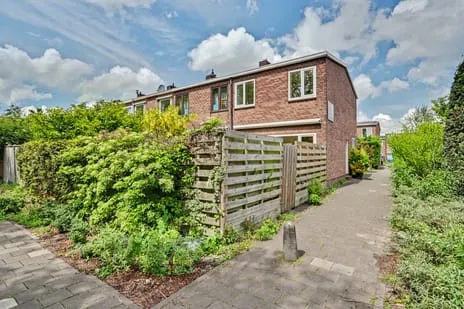
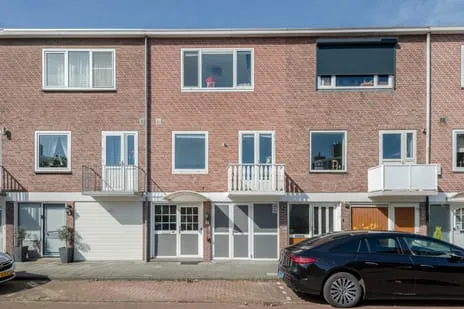
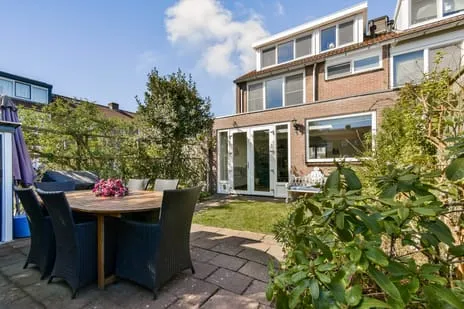
Arondeusbuurt is a quiet, somewhat subdued urban neighbourhood in the western part of Amsterdam, part of Slotermeer-Noordoost. The neighbourhood is named after resistance fighter Willem Arondeus and is situated between Burgemeester Röellstraat, Jan Tooropstraat and the Slotervaart. The streetscape is defined by sober post-war construction: porch flats, gallery flats and a few terraced houses, built during the reconstruction period of the 1950s. It is not a neighbourhood that stands out for architectural highlights, but rather for a certain calm and clarity that you won't quickly find in busier Amsterdam neighbourhoods.
The population composition is diverse. With 2,740 residents and a strong representation of the 25 to 45 age group, there is a mix of young families, single-person households and long-term residents. The percentage of married people is 27%, which is relatively low for a neighbourhood with so many families with children (630 residents under 15). The average income of €29,700 is close to the district average but well below the Amsterdam average, which accurately reflects the social composition of the neighbourhood.
In terms of amenities, the neighbourhood is functionally laid out. Within walking distance you will find an Albert Heijn on Jan Tooropstraat and several small neighbourhood supermarkets and toko's. Primary schools such as De Vlinderboom and other schools in the immediate vicinity serve the families in the area. Sloterpark, one of Amsterdam's larger city parks with the Sloterplas beach, is within cycling distance and is popular in the summer. For sporty residents, there are football fields and playgrounds in the area around Burgemeester Röellstraat.
Accessibility is reasonable, although Arondeusbuurt is not the best-connected place in Amsterdam. Metro line 50 (the ring line) stops at Isolatorweg station and De Vlugtlaan station, both within cycling distance. From De Vlugtlaan, you can reach Amsterdam Central Station in about ten minutes by metro. Several bus lines connect the neighbourhood with the city centre and surrounding districts. By car, the A10 is quickly accessible via Burgemeester Röellstraat. Parking is still relatively easy in most streets, although pressure is slowly increasing.
Residents appreciate the tranquillity and green surroundings, but are also honest about what is lacking. One resident writes: "It is pleasantly quiet here and you have everything you need within cycling distance, but it lacks some liveliness and the homes are outdated." This image recurs in the reviews: the neighbourhood is pleasant to live in, but sometimes requires patience when it comes to maintenance of public spaces and the quality of the homes themselves. Read all reviews on the Arondeusbuurt neighbourhood page.
Compared to neighbouring neighbourhoods such as Coronelbuurt and Dobbebuurt, Arondeusbuurt has a similar character, although the housing mix varies per street. Meerwaldtbuurt also borders the same post-war stamp. Those looking for more urban dynamism would do better to look at neighbourhoods such as Haarlemmerbuurt or the Jordaan, but will pay significantly more there as well.
Who is a home in Arondeusbuurt interesting for?
Arondeusbuurt mainly appeals to first-time buyers and young families looking for an affordable owner-occupied home in Amsterdam without paying a premium for a canal house. With an average purchase price of €383,846 and a lower limit of €335,000, buying in Arondeusbuurt is more realistic than in many other Amsterdam neighbourhoods. However, supply is limited: only a handful of homes are sold per year, so overbidding and acting quickly is the reality. Upsizers looking for more space will rarely find large homes here. Those unsure whether buying is feasible now can also look at rental homes in Arondeusbuurt as a temporary alternative, although the waiting time for social housing is long.
What residents say about Arondeusbuurt
Residents give Arondeusbuurt an average solid but not exuberant rating. The highest scores go to the tranquillity of the neighbourhood and the accessibility of green spaces and water. Lower scores are given for the appearance of public spaces and the level of amenities. One resident aptly describes it: "Nice and quiet living, good neighbours, but the neighbourhood could do with a bit more attention from the municipality." More reviews and a full overview of the sub-scores can be found on the neighbourhood page of Arondeusbuurt, including scores per category such as safety, green spaces and atmosphere.
Comparing owner-occupied homes in and around Arondeusbuurt
Buurtje.nl bundles housing supply from more than 1,500 sources and combines it with resident reviews and neighbourhood data, so you not only find a home but also understand whether the neighbourhood suits you. View the total supply for the wider area via owner-occupied homes in Slotermeer-Noordoost or explore all owner-occupied homes in Amsterdam for a broader perspective. If you want to compare specifically within the district, Coronelbuurt and Meerwaldtbuurt are logical neighbourhoods to compare side by side. More about the municipality can be found on the website of the municipality of Amsterdam.
Frequently asked questions
What does a home cost in Arondeusbuurt?
Over the past twelve months, the average purchase price in Arondeusbuurt was €383,846, with a range from €335,000 to €650,000. The average living area of sold homes was 65 m², resulting in a price of approximately €5,900 per square metre. Supply is limited: only 13 homes were sold in a year, so anyone wanting to buy a home in Arondeusbuurt must act quickly and often bid above the asking price.
What is the WOZ value in Arondeusbuurt?
The average WOZ value in Arondeusbuurt is €353,000. That is slightly above the average for the Slotermeer-Noordoost district (€339,000), but well below the Amsterdam average of €517,000. For buyers, this means Arondeusbuurt is relatively affordable within the city, although prices are also rising steadily here.
What is it like living in Arondeusbuurt?
Arondeusbuurt is a quiet post-war neighbourhood in western Amsterdam, with porch flats and gallery flats from the 1950s. Residents appreciate the tranquillity, the proximity of Sloterpark and Sloterplas, and the relatively affordable house prices. Criticism focuses on the appearance of public spaces and the limited range of amenities. It is a functional neighbourhood without much urban allure, but with a pleasant living environment for families and those seeking peace.
Is Arondeusbuurt suitable for first-time buyers?
Arondeusbuurt is one of the few places in Amsterdam where buying an apartment for under €400,000 is still possible, making the neighbourhood attractive for first-time buyers. Demographic data confirms this: the largest age group is 25 to 45 years old. The downside is the scarce supply and competition during viewings. Those who are flexible and can act quickly have the best chance.
How accessible is Arondeusbuurt?
Arondeusbuurt is well accessible by public transport via metro line 50, with stops Isolatorweg and De Vlugtlaan within cycling distance. From De Vlugtlaan, you can reach Amsterdam Central in about ten minutes. Several bus lines connect the neighbourhood with surrounding areas. By car, you quickly join the A10 via Burgemeester Röellstraat. Cycling to the city centre takes about 25 to 30 minutes.
What type of homes are for sale in Arondeusbuurt?
The housing supply in Arondeusbuurt mainly consists of porch flats and gallery flats from the reconstruction period of the 1950s and 1960s. Detached houses or spacious single-family homes are rare. The average size of sold homes over the past twelve months was 65 m². Those looking for a larger home will find little in this neighbourhood and would be better off looking in surrounding areas or other districts.
Is there a lot of green space in Arondeusbuurt and what about parking?
Arondeusbuurt benefits from the proximity of Sloterpark and Sloterplas, one of the largest recreational areas in Amsterdam-West with a beach and swimming opportunities. Within the neighbourhood itself, there is limited green space, although playgrounds and small strips of greenery are present. Parking is still relatively easy in most streets compared to busier Amsterdam neighbourhoods, but pressure is slowly increasing as the area becomes more popular.