





16 homes for sale in Boveneind, Krimpen aan den IJssel
Discover the current supply of homes for sale in Boveneind and check the average asking price and time to sell directly at the top of this page.




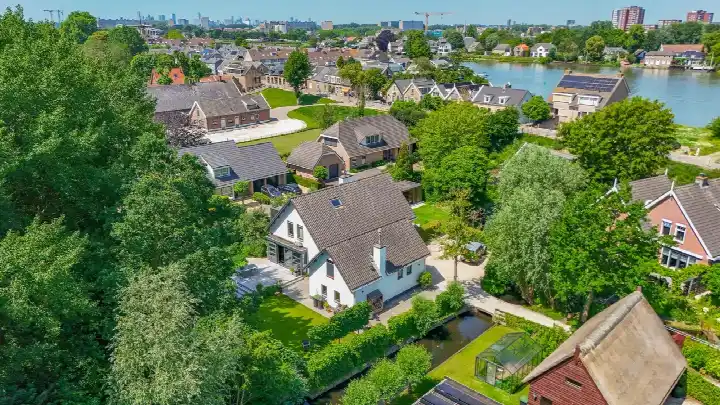

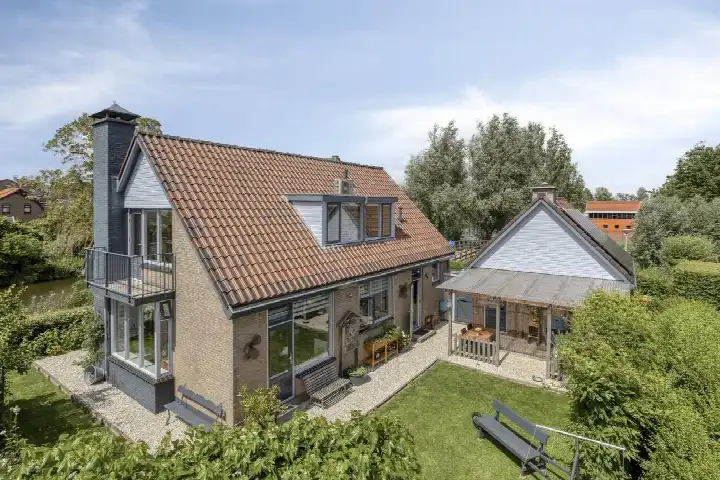





House prices and market figures for Boveneind, Krimpen aan den IJssel
In Boveneind, 54% of the housing stock is owner-occupied, giving the neighbourhood a predominantly owner-occupied character. The average WOZ value is €376,000, which is slightly higher than the district and municipal average of €354,000. This difference is no coincidence: Boveneind has relatively many larger, detached and semi-detached homes that push the average up.
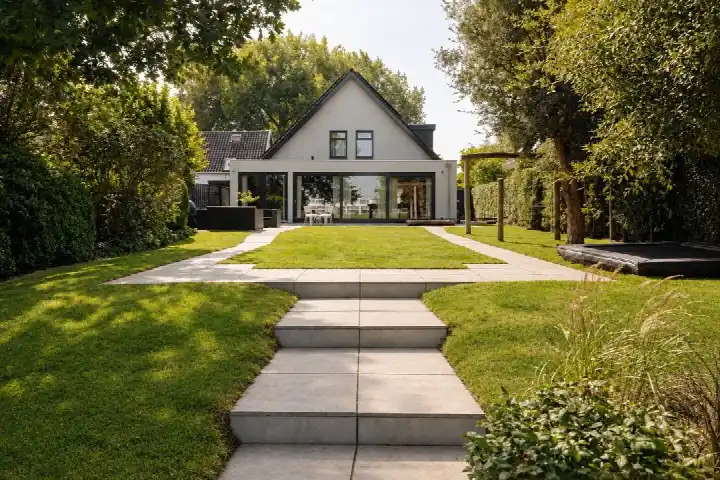
Looking at actual sales transactions over the past twelve months, 24 homes were sold with an average purchase price of €754,667. The range runs from €319,000 to €1,580,000, indicating that the market here is diverse: from an affordable terraced house to a substantial detached villa by the water. With an average living area of 223 m², this works out at a price per square metre of around €3,385. That is steep, but not exceptional for this type of home in the region. The current supply and average asking price can be found at the top of this page.
Living in Boveneind, Krimpen aan den IJssel
Boveneind is the older, more village-like core of Krimpen aan den IJssel. The neighbourhood lies in the north-western part of the municipality, bordering the IJssel, and has a character best described as quiet and green with a certain individuality. There are no students or young starters in large numbers here, but families who have consciously chosen space and tranquillity, and a fair number of over-65s who have lived in the same home for years. This latter group, with 1,125 residents, is by far the largest age category in the neighbourhood.
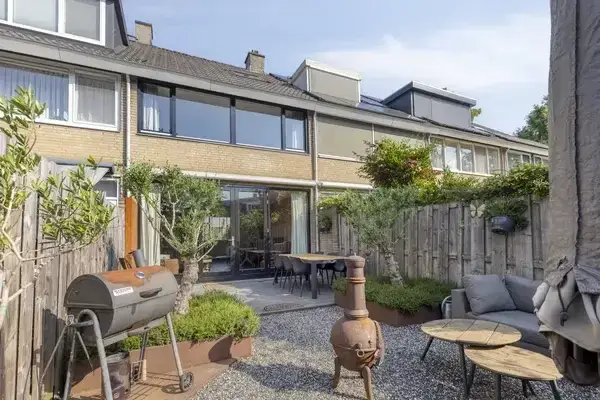
The homes in Boveneind largely date from the 1950s to the 1970s, with a mix of terraced houses, semi-detached houses and detached homes. Along the dike strips, such as Boveneind itself, there are also older characteristic properties that sometimes date from the nineteenth or early twentieth century. This variation makes the neighbourhood visually interesting, but also means buyers need to pay close attention to the structural condition and energy labels of older properties.
For daily groceries, residents rely on the supermarkets in the centre of Krimpen aan den IJssel, a few minutes' drive or cycle away. The centre has an Albert Heijn and a Lidl, and the Krimpenerhof shopping centre offers further shops and services. In the neighbourhood itself, the offering is limited, which some residents find peaceful and others see as a drawback. Schools are available in the nearby area: primary schools such as De Rank and De Brug are within the municipality, and for secondary education, pupils rely on schools elsewhere in Krimpen or in Capelle aan den IJssel.
The accessibility of Boveneind is good by car. Via the N210 and the connection to the A20 at Capelle aan den IJssel, you are quickly on the motorway towards Rotterdam or Gouda. Rotterdam city centre is reachable by car in about twenty minutes. Public transport is more available than you might think at first glance: bus lines 90 and 91 connect the neighbourhood with Capelle aan den IJssel and Rotterdam city centre, although the frequency outside peak hours is limited. In practice, a car is almost indispensable for residents of Boveneind.
What residents appreciate is the peace and space. On the neighbourhood main page of Boveneind you can read all reviews and scores per category. One resident writes: "It's wonderfully quiet here, you know your neighbours and the neighbourhood feels safe. Only the connection to Rotterdam could be better." This latter sentiment is heard more often: public transport is seen as a weak point. Green spaces and liveability generally score well in the reviews.
Compared to neighbouring neighbourhoods such as Oud Krimpen, Boveneind has a similar village character, but with on average larger homes and higher prices. Neighbourhoods like Kortland-Noord and Kortland-Zuid are more compact and have a younger housing stock. Those looking for more urban dynamism can also look at the broader offering of homes for sale in Krimpen aan den IJssel as a whole.
Who is a home in Boveneind interesting for?
Boveneind mainly attracts families looking for space and tranquillity, and movers who want a larger home than they can find elsewhere in the region for this budget. The high average purchase price makes the neighbourhood difficult for starters, although the wide range sometimes offers opportunities at the lower end of the market. Seniors who already live in the neighbourhood tend to stay here for a long time. To be honest: supply is limited and competition for desirable homes can be fierce, especially for detached houses along the dike strips. Those who are more flexible in property type can also look at rental homes in Boveneind as a temporary alternative. Also bear in mind potentially high maintenance costs for older properties.
What residents say about Boveneind
Residents particularly appreciate Boveneind for its peace, green surroundings and sense of safety. The scores for liveability and neighbourhood feel are positive. Residents are less enthusiastic about the accessibility by public transport and the limited local shopping offering. One resident sums it up aptly: "Living here is nice if you have a car and are not dependent on the bus." View all reviews and sub-scores on the overview page of Boveneind, where residents have rated their experiences per category.
Compare homes for sale in and around Boveneind
Buurtje.nl combines current property listings from more than 1,500 sources with resident reviews and neighbourhood data, so you not only find a home but also know whether the neighbourhood suits you. Compare Boveneind with neighbourhoods like Langeland or Lansingh-Zuid for a complete picture. Also view the overall overview of homes for sale in Krimpen aan den IJssel or read more about the municipality via the municipality page of Krimpen aan den IJssel. For municipal policy and local information, you can also visit the website of the municipality of Krimpen aan den IJssel.
What does a home in Boveneind cost?
The average purchase price in Boveneind over the past year was €754,667, based on 24 sold homes. Prices ranged from €319,000 to €1,580,000, depending on type and location. With an average living area of 223 m², the price per square metre is approximately €3,385.
What is the WOZ value in Boveneind?
The average WOZ value in Boveneind is €376,000. This is slightly above the municipal and district average of €354,000 for Krimpen aan den IJssel. This difference is related to the relatively large share of larger and detached homes in this neighbourhood.
What is it like to live in Boveneind?
Boveneind is a quiet, green neighbourhood with a village character and a mix of older and detached homes along dike lines. Residents appreciate the tranquillity and safe feeling, but mention public transport and the limited local shopping facilities as drawbacks. The neighbourhood mainly attracts families and seniors who consciously choose space and a stable living environment.
Is Boveneind suitable for families with children?
Yes, Boveneind is certainly suitable for families. There are 615 households with children and the neighbourhood offers plenty of space and quiet. Primary schools are available within the municipality and the homes are generally spacious. However, a car is practically indispensable for daily travel and school visits.
How accessible is Boveneind?
By car, Boveneind is easily accessible via the N210 and the connection to the A20 at Capelle aan den IJssel. Rotterdam city centre can be reached in about twenty minutes. By public transport, bus lines 90 and 91 run to Capelle and Rotterdam, but frequency outside peak hours is limited. A private car is almost essential for most residents.
What types of homes are for sale in Boveneind?
The supply in Boveneind consists of a mix of terraced houses, semi-detached houses and detached homes, with some older characteristic properties along the dike lines. The homes largely date from the 1950s to 1970s. The average living area of sold homes over the past year was 223 m², indicating that these are predominantly larger homes. Buying apartments in Boveneind is less common; the supply here is limited.
Are there many older homes for sale in Boveneind and what should I look out for?
A large part of the housing stock in Boveneind was built between the 1950s and 1970s, with some even older properties. When buying a home in Boveneind, it is advisable to pay extra attention to the structural condition, insulation and energy label. Older homes sometimes have higher maintenance costs and a lower energy label, which affects monthly costs. A structural survey is certainly recommended for this type of home.