Homes for sale in Burgh, Schouwen-Duiveland
Discover the current supply of homes for sale in Burgh and compare prices, neighbourhood data, and resident reviews to determine if this Zeeland neighbourhood suits you.



House prices and market figures Burgh, Schouwen-Duiveland
Burgh is a pronounced owner-occupied neighbourhood: 85% of the housing stock of 387 homes is owner-occupied, and this is reflected in the prices. Over the past twelve months, 21 homes changed hands at an average purchase price of €542,833. The range runs from €120,000 to €1,489,000, showing that the market includes both modest village homes and spacious detached houses. Based on an average living area of 126 m², the price per square metre comes to approximately €4,300. The WOZ value in Burgh is €409,000. That is lower than the average in the surrounding district Haamstede (€513,000), but considerably higher than the municipal average of Schouwen-Duiveland (€343,000). Burgh thus occupies a comfortable middle position within the municipality, but the realised selling prices are clearly above the WOZ value, indicating a market with demand pressure. The share of rental homes is small at 15%; only 10% is housing association stock. Check the current supply and the average asking price at the top of this page for the most recent state of affairs.
Living in Burgh, Schouwen-Duiveland
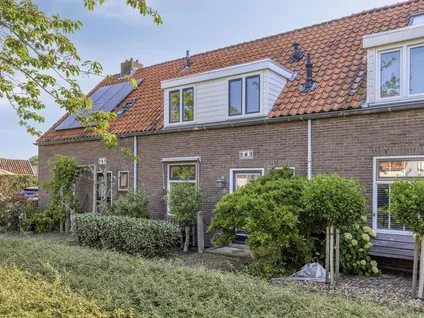
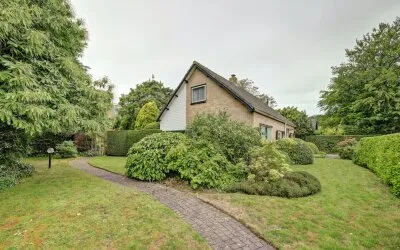
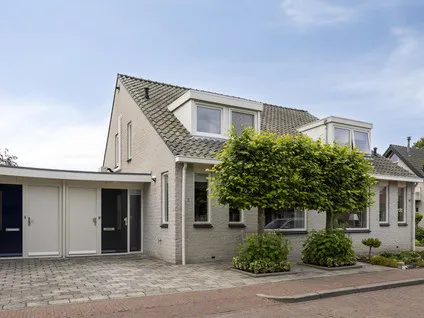
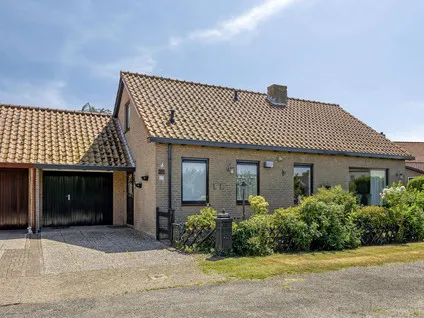
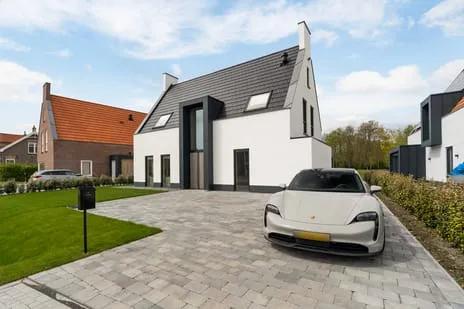
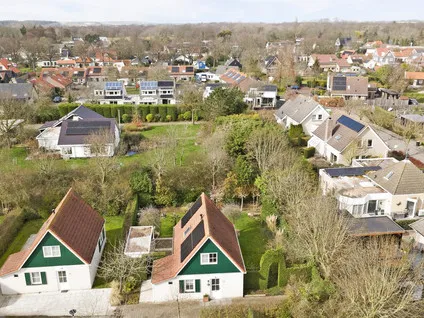
Burgh is one of the oldest villages on Schouwen-Duiveland and you notice that as soon as you drive through it. The village lies on a creek ridge in the open Zeeland landscape, surrounded by fields and polders, with the dunes and beach of Burgh-Haamstede within cycling distance. The built environment is small-scale and varied: alongside older farmhouses and characteristic Zeeland homes from the first half of the twentieth century, there are also post-war detached houses and a modest number of terraced houses. New construction is scarce, which partly explains why supply is limited and prices are firm.
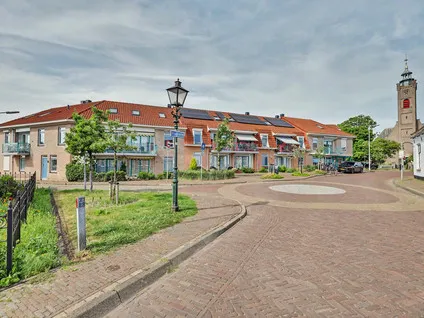
The village has no supermarket or shopping centre of its own; for daily groceries, residents rely on nearby Haamstede, which is less than two kilometres away. There you will find, among other things, a supermarket, a pharmacy and a few shops. For a wider range or medical care, Zierikzee is the designated destination, about a twenty-minute drive away. Burgh does have its own church and a village square that forms the social heart of the community. Primary education is available in Haamstede; for secondary education, pupils are directed to Zierikzee.
Accessibility by car is reasonable: via the N651 you quickly reach the provincial roads towards Zierikzee and the rest of the island. A train station is entirely absent on Schouwen-Duiveland; the nearest train stations are in Goes or Bergen op Zoom, both about a fifty-minute drive away. Bus connections do exist, but are limited in frequency, making a car practically indispensable. Cyclists have it good: the village is connected via safe cycle paths to Haamstede, the dunes and the Oosterschelde National Park.
The population composition of Burgh is striking: more than 44% of residents are aged 65 or older, compared to only 10% in the 0 to 15 age group. This gives the village a quiet, mature character. Families with young children exist, but form a minority. Residents appreciate the peace, the space and the proximity of nature. One resident describes it as follows: "You really live here in the countryside, but with everything you need within a few minutes' cycling. The silence in the evenings is priceless." See more experiences and the full neighbourhood scores on the page for Burgh.
Compared to neighbouring communities such as Westenschouwen and Nieuw-Haamstede, Burgh is the most village-like and authentic of the three. Westenschouwen lies closer to the dunes and has an even smaller-scale character, while Nieuw-Haamstede has more amenities nearby. Also Kloosterweg en omgeving is an interesting comparison for those looking for a quiet living environment in the same district. The municipality offers more information about living and life on the island on its website: schouwen-duiveland.nl.
Who is a home for sale in Burgh interesting for?
Burgh mainly attracts buyers who value peace and space over urban amenities: retirees, people who work from home or are looking for a second home, and families who consciously choose a rural upbringing. First-time buyers will find it difficult: with an average selling price of over €542,000 and limited supply, the entry threshold is high. Overbidding and quick decision-making are not exceptions in this market. Those who want more budget flexibility or are unsure can also look at the rental homes in Burgh as a temporary alternative. For a wider supply on the island, it is worth also comparing the homes for sale in Haamstede.
What residents say about Burgh
Residents rate Burgh positively when it comes to peace, greenery and the social cohesion in the village. The proximity of nature and the authentic village character score highest in the reviews. Residents are less enthusiastic about the limited amenities in the village itself and the dependence on the car. One resident writes: "Burgh is not for everyone, but if you like peace and don't need everything around the corner, it's a wonderful place to live." Read all reviews and see the scores per category on the neighbourhood page of Burgh.
Compare homes for sale in and around Burgh
Buurtje.nl bundles the housing supply from more than 1,500 sources in one place, supplemented with resident reviews and neighbourhood data that you won't find anywhere else. This way you can compare not only homes, but also neighbourhoods. Besides Burgh, also check the supply in the district Haamstede, explore Hogeweg or look further on the island at Zierikzee and Brouwershaven. A complete overview of all homes for sale in the municipality can be found on the page for homes for sale in Schouwen-Duiveland.
Frequently asked questions
What is the cost of a home in Burgh?
Over the past twelve months, the average purchase price in Burgh was €542,833, based on 21 sold homes. The range runs from €120,000 to €1,489,000, depending on the type and condition of the property. With an average living area of 126 m², the price per square metre comes to approximately €4,300. Buying a house in Burgh is therefore clearly more expensive than the municipal average of Schouwen-Duiveland.
What is the WOZ value in Burgh?
The average WOZ value in Burgh is €409,000. That is lower than the average in the Haamstede district (€513,000), but well above the municipal average of Schouwen-Duiveland (€343,000). The realised selling prices are, however, considerably higher than the WOZ value, indicating that demand exceeds supply.
What is it like to live in Burgh?
Living in Burgh means choosing peace, space and an authentic Zeeland village character. The village lies in an open polder landscape with the dunes and beach within cycling distance. The atmosphere is quiet and social cohesion is strong, but amenities such as a supermarket are not available in the village itself. Residents appreciate the nature and tranquillity, but emphasise that a car is indispensable.
Is Burgh suitable for seniors or retirees?
Yes, Burgh is pre-eminently a neighbourhood for seniors and retirees. More than 44% of residents are aged 65 or older, giving the village a quiet and mature character. The surroundings are well-suited for walking and cycling, and social cohesion in the village is strong. However, it is important to know that most amenities are not within walking distance and that mobility plays a role.
How accessible is Burgh?
Burgh is easily accessible by car via the N651, which connects to provincial roads to Zierikzee and the rest of Schouwen-Duiveland. There is no train station on the island; the nearest stations are in Goes or Bergen op Zoom, about a fifty-minute drive away. Bus connections are limited in frequency. For cyclists, there are good connections to Haamstede and the dunes.
What types of homes are for sale in Burgh?
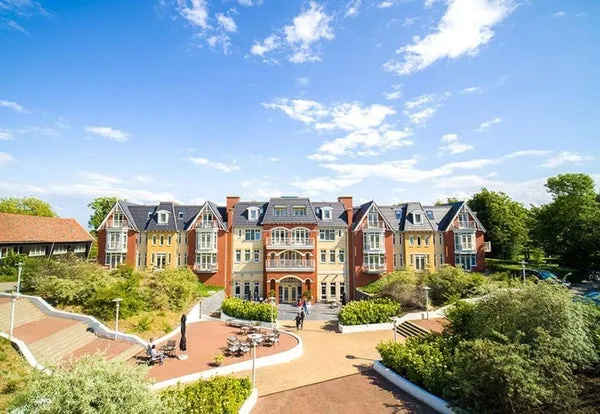
The housing supply in Burgh mainly consists of detached houses and characteristic Zeeland homes, supplemented by a limited number of terraced houses and former farmhouses. The construction period ranges from early twentieth-century properties to post-war homes. New construction is rare. Buying an apartment in Burgh is virtually impossible; the supply consists almost exclusively of ground-based homes. The average living area of sold homes over the past year was 126 m².
Is there a lot of housing supply for sale in Burgh?
The supply in Burgh is limited. Over the past twelve months, only 21 homes were sold, which is consistent with a small village of 715 inhabitants with a housing stock of 387 homes. Due to the scarce supply and relatively high demand, quick decision-making on an interesting property is advisable. Buying a home in Burgh therefore requires alertness and preparation. Check the current supply at the top of this page for the most recent availability.