Homes for sale in De Gentiaan, Son en Breugel
Discover the current supply of homes for sale in De Gentiaan and view direct market figures, neighbourhood scores, and resident reviews to determine if this neighbourhood suits you.

House prices and market figures for De Gentiaan, Son en Breugel
De Gentiaan is a pronounced owner-occupied neighbourhood: as many as 89% of the more than 1,740 homes are owned by the residents. Rental properties are scarce, and the small share of social housing (9%) gives the neighbourhood a distinctly private character. The average WOZ value is €467,000. That is slightly lower than the average for the district Son (€481,000), but comfortably above the municipal average of Son en Breugel (€459,000). This places the neighbourhood in the higher price bracket of the municipality.
In the past twelve months, 18 homes were sold in De Gentiaan, with an average selling price of €508,361. Prices ranged from €395,000 to €675,000, with an average living area of 148 m². That works out to a price of approximately €3,435 per m². The supply mainly consists of larger single-family homes, which fits the family-oriented composition of the neighbourhood. Buying apartments in De Gentiaan is not a common option; detached houses and semi-detached homes dominate the streetscape. View the current supply and asking prices at the top of this page.
Living in De Gentiaan, Son en Breugel
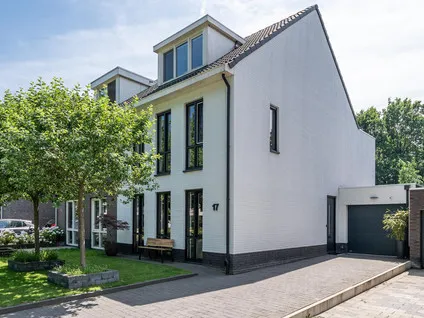
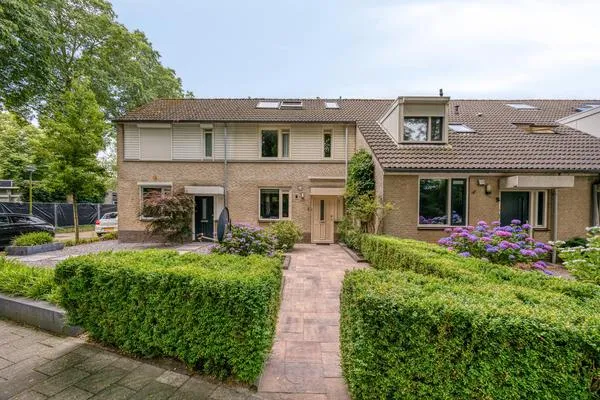
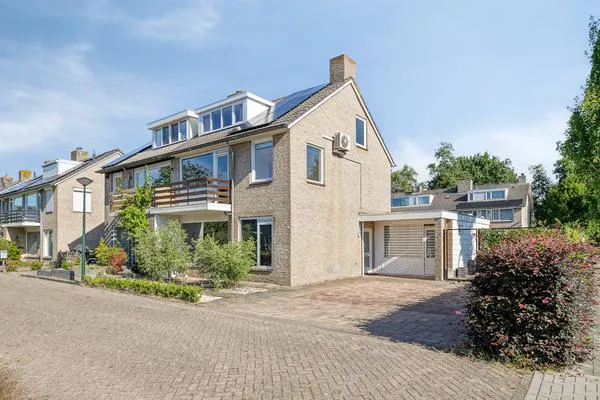
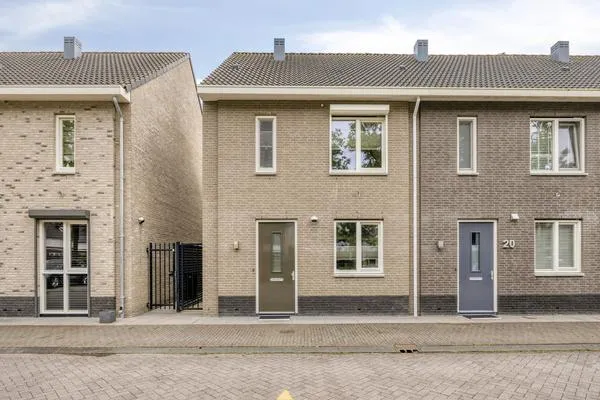
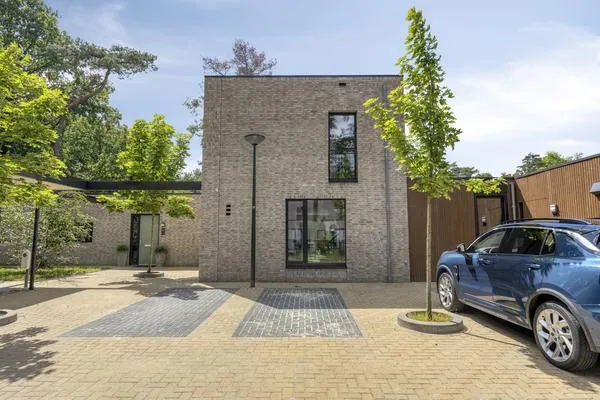
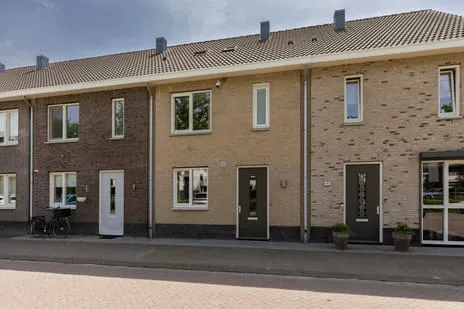
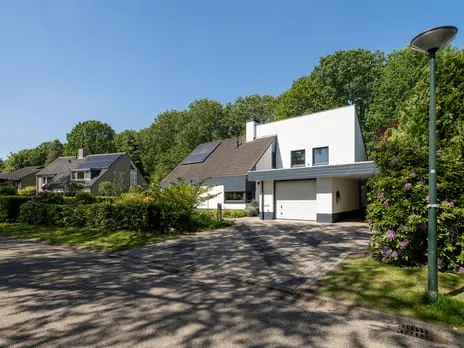
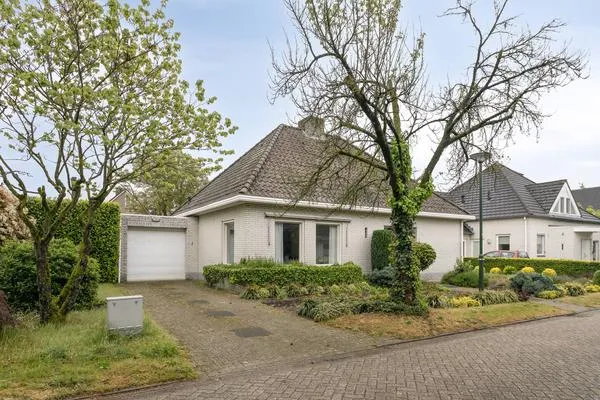
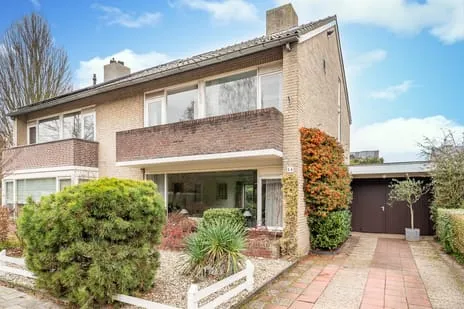
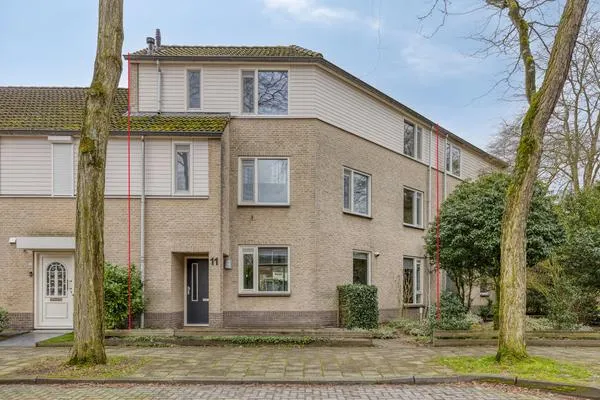
De Gentiaan is a quiet, green residential neighbourhood on the west side of Son. The neighbourhood was largely built in the 1970s and 1980s, which is reflected in the wide streets, spacious gardens and the scale of the homes. There are few high-rise flats or apartment complexes; the neighbourhood consists almost entirely of ground-based single-family homes, ranging from terraced houses to detached villas in the quieter streets. The homes are generally well-maintained, and many owners have carried out substantial renovations and insulation over the years. With an average consumption of 1,490 m³ of gas and 3,220 kWh of electricity, energy use is at a level typical of older but often renovated homes.
For daily groceries, you go to Son-centrum, within cycling distance of most addresses in De Gentiaan. There you will find, among others, an Albert Heijn and smaller specialist shops. For a larger range of shops, Eindhoven is the logical destination, about ten minutes away by car via the N615. The neighbourhood borders green strips that invite walking and cycling, and the Dommeldal is easily accessible from De Gentiaan for those who want to be outdoors. Sports clubs in Son, such as football club SV Son and tennis club STC Son, are reachable by bike.
In terms of public transport accessibility, De Gentiaan is limited. There are bus connections via Son towards Eindhoven, but a train station is lacking in Son itself. Those who travel daily by public transport rely on the bus or cycling to Eindhoven Strijp-S station or the main station in Eindhoven. By car, the A50 is quickly accessible via the N615, making the neighbourhood attractive for commuters heading to Eindhoven, Den Bosch or the Tilburg region. Parking is not a problem in most streets.
Residents particularly appreciate De Gentiaan for its peace, space and safety. One resident describes it as follows: "It's nice and quiet here, the neighbours know each other and the children play outside on the street. Not exciting, but that's exactly what we were looking for." Criticism sometimes focuses on the limited public transport options and the fact that you are dependent on the car or bike for many amenities. Read all reviews and view the neighbourhood scores on the overview page of De Gentiaan.
Compared to neighbouring area 't Zand, De Gentiaan is somewhat larger and more family-oriented in design. Verspreide huizen Son has a more rural character, while Industrieterrein Ekkersrijt has a completely different profile as an industrial estate. De Gentiaan is thus the most recognisable residential neighbourhood within the Son district.
Who is a home for sale in De Gentiaan interesting for?
The neighbourhood mainly attracts families and home-movers. The largest age group is 45 to 65 years, but there are also relatively many young children, indicating an influx of young families. First-time buyers will struggle: with an average selling price of over €508,000 and an entry price from €395,000, buying a home in De Gentiaan without existing equity or support is financially challenging. Overbidding is not uncommon in this market. For those considering renting as an intermediate step: the supply of rental properties in De Gentiaan is limited, but available. Seniors looking for space and peace in a safe environment also find their place here, although the dependence on the car requires a realistic view of future mobility.
What residents say about De Gentiaan
Residents generally rate De Gentiaan positively, particularly in terms of safety, greenery and the quiet living environment. Social cohesion is often mentioned as a strong point. Residents are less enthusiastic about public transport accessibility and the limited local amenities. One resident writes: "Nice, neat neighbourhood to grow up in. Not everything is there, but what is there works well." View all scores per category and read more experiences on the neighbourhood main page of De Gentiaan.
Compare homes for sale in and around De Gentiaan
Buurtje.nl bundles the supply from more than 1,500 sources in one place, supplemented with neighbourhood scores, resident reviews and district data that you won't find elsewhere. This way you can compare not only homes, but also neighbourhoods. Also view the broader supply in the district via homes for sale in Son, or explore the total supply via homes for sale in Son en Breugel. If you want to look further, Breugel offers a good comparison point as an alternative residential area within the same municipality. More about the municipality can be found on the website of Son en Breugel.
Frequently asked questions
What is the cost of a home in De Gentiaan?
In the past twelve months, homes in De Gentiaan sold for an average of €508,361. Prices ranged from €395,000 to €675,000. With an average living area of 148 m², this works out to approximately €3,435 per m². The entry price of around €395,000 makes buying a home in De Gentiaan financially challenging for first-time buyers.
What is the WOZ value in De Gentiaan?
The average WOZ value in De Gentiaan is €467,000. This is slightly below the district average of Son (€481,000), but well above the municipal average of Son en Breugel (€459,000). The neighbourhood thus falls into the higher value class within the municipality.
What is it like to live in De Gentiaan?
De Gentiaan is a quiet, green residential neighbourhood with wide streets, spacious gardens and predominantly single-family homes from the 1970s and 1980s. Residents appreciate the safety, social cohesion and space. The limited public transport options and reliance on the car for amenities are sometimes mentioned as drawbacks. View all neighbourhood scores and reviews on the neighbourhood main page.
Is De Gentiaan suitable for families?
Yes, De Gentiaan is very much a family neighbourhood. The largest age group consists of 45- to 65-year-olds, but there are also many children between 0 and 15 years old. The proportion of households with children is high (760 out of total households), and the quiet streets and green spaces are well-suited to family life. Buying in De Gentiaan does require a substantial budget.
How accessible is De Gentiaan?
By car, De Gentiaan is easily accessible via the N615, with a quick connection to the A50 towards Eindhoven and Den Bosch. Eindhoven is about a ten-minute drive away. Public transport is more limited: Son has no train station, but there are bus connections towards Eindhoven. For daily public transport users, cycling to a train station in Eindhoven is a common option.
What type of homes are for sale in De Gentiaan?
The supply in De Gentiaan consists almost entirely of ground-based single-family homes: terraced houses, semi-detached houses and detached houses. Most homes were built in the 1970s and 1980s and have an average area of around 148 m². Buying an apartment in De Gentiaan is rarely an option, as there are hardly any apartments.
Are there schools and amenities near De Gentiaan?
Primary schools and daily amenities are available in Son centre, within cycling distance of most addresses in De Gentiaan. For secondary education and a larger range of shops, you need to go to Eindhoven. Sports clubs such as football club SV Son are easily accessible, and the Dommeldal offers opportunities for walking and cycling in nature.