Homes for sale in De Horst, Zevenaar
Discover homes for sale in De Horst and find the neighbourhood that suits you. Check the current listings, average asking price and time to sell at the top of this page.

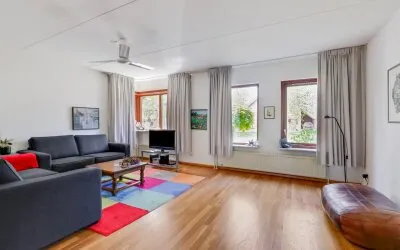
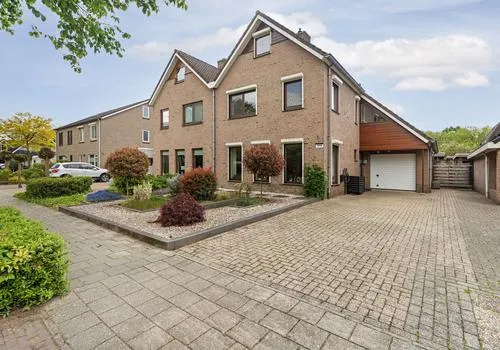
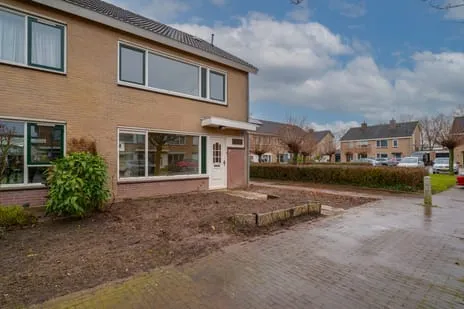
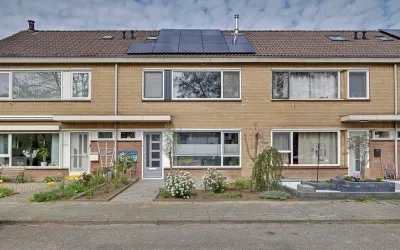
House prices and market figures De Horst, Zevenaar
De Horst is a distinct owner-occupied neighbourhood: as much as 94% of the 421 homes are privately owned, and rental properties are a rarity at 6%. Those who want to rent here have little choice; those who want to buy are in the right neighbourhood. The average WOZ value is €329,000, which is noticeably higher than the average in the Zevenaar district (€293,000) and also above the municipal average of €303,000. De Horst thus belongs to the more expensive segments within the municipality.
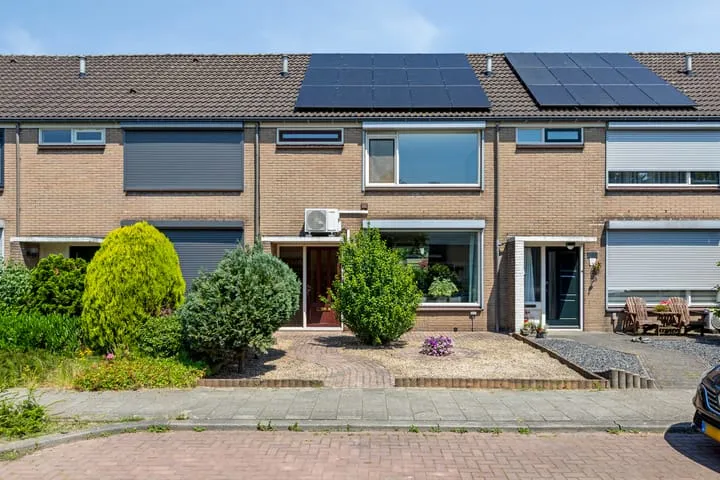
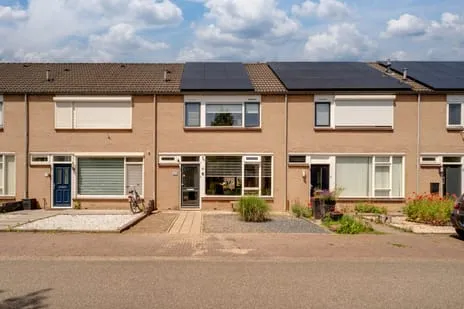
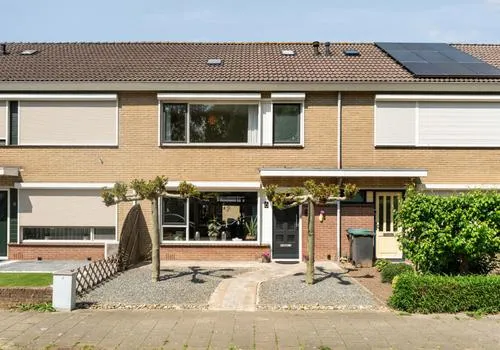
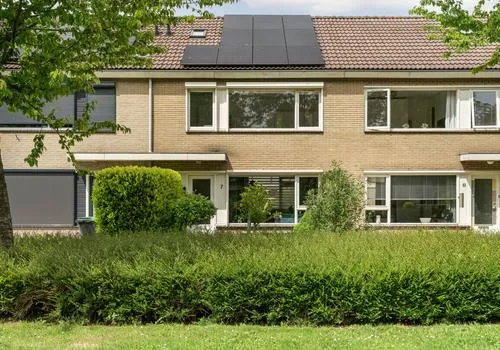
In the past twelve months, four homes changed hands, with an average selling price of €366,000. The range ran from €350,000 to €389,000, with an average living area of 120 m². That works out to a price of around €3,050 per square metre. Supply is limited and prices are firm; it is wise to expect little room for negotiation. The neighbourhood mainly consists of ground-level single-family homes from the 1970s and 1980s, with a few detached houses. Check the current supply and the average asking price at the top of this page for the most recent status.
Living in De Horst, Zevenaar
De Horst is a quiet, green residential neighbourhood on the west side of Zevenaar, recognisable by its wide streets, front gardens and relatively spacious plots for a neighbourhood within walking distance of the city centre. The homes mostly date from the 1970s and 1980s: semi-detached houses and terraced houses with a practical layout, solid construction and usually a worthwhile back garden. Detached houses exist but are scarce and rarely offered.
The atmosphere is subdued and community-oriented. Residents know each other, people cycle to the baker's and children play in the street. That is not marketing talk; it is what you notice when you walk around there for an afternoon. The neighbourhood has a high proportion of over-65s (over a quarter of residents), which contributes to the quiet tone. At the same time, there are also families in the 25-45 age group, who choose the neighbourhood for its space and proximity to the centre of Zevenaar.
In terms of amenities: everything you need daily is close by. The centre of Zevenaar is reachable by bike in five minutes, with supermarkets, shops and eateries. Primary schools and a library are present in the immediate vicinity. Sports clubs in Zevenaar, including football and tennis, are easily accessible. Green space within the neighbourhood itself is limited, but the surroundings of Zevenaar offer plenty of room for walking and cycling, towards the Liemers and the floodplains of the Rhine.
For accessibility by car, the location is favourable: the A12 and A15 are quickly reachable via the ring road, bringing Arnhem and the Randstad within reach. Zevenaar station is within cycling distance and offers direct connections to Arnhem (about 10 minutes) and Nijmegen. Bus services run through the centre and connect the neighbourhood with surrounding towns.
Residents appreciate the peace, space and central location. On the neighbourhood page of De Horst you can read what residents themselves write about their district, including scores per category. One resident described it as follows: "It is quiet here without feeling like you live somewhere far away. Everything is close by, but you hardly notice it." Parking is mentioned by some residents as a point of attention, especially around busy times during the day.
Compared to neighbourhoods like Centrum or Schrijvershoek, De Horst is slightly quieter and more self-contained. Zonnemaat and Lentemorgen I are newer neighbourhoods with a different character. Those looking for a combination of space, peace and accessibility in an existing district will do well in De Horst. The owner-occupied housing market in the Zevenaar district as a whole offers more variety for those who want to search more broadly.
For whom is a home in De Horst a good choice?
De Horst mainly appeals to movers and seniors looking for a quiet, spacious neighbourhood with a good location. Families who want a bit more space than a new-build estate offers will find solid homes with character here. First-time buyers will find that the entry price is relatively high: with a range of €350,000 to €389,000 and little supply, overbidding is not uncommon. Those who are flexible can also look at rental properties in De Horst as a temporary alternative. Keep in mind that supply is limited and homes do not stay on the market for long.
What residents say about De Horst
Residents appreciate De Horst for its peace, green surroundings and good accessibility to the centre. Criticisms sometimes focus on parking pressure and the limited range of amenities directly in the neighbourhood itself. One resident wrote: "Nice neighbourhood to live in, quiet yet close to everything. You know your neighbours and that feels good." View all reviews, partial scores and neighbourhood data on the overview page of De Horst.
Compare homes for sale in and around De Horst
Buurtje.nl bundles supply from more than 1,500 sources in one place, supplemented with resident reviews and district data you won't find anywhere else. This way you can directly compare homes for sale in De Horst with supply in neighbourhoods like Molenwijk or Het Grieth, or look more broadly at other districts such as Babberich and Angerlo. For a complete picture of the municipality, view all homes for sale in Zevenaar. More about the municipality can be found on the website of the municipality of Zevenaar.
Frequently asked questions
What is the cost of a home in De Horst?
In the past twelve months, the average purchase price in De Horst was €366,000. The range was from €350,000 to €389,000, with an average living area of 120 m². This works out to a price of approximately €3,050 per square metre. Supply is limited, so expect little room for negotiation.
What is the WOZ value in De Horst?
The average WOZ value in De Horst is €329,000. This is higher than the average for the Zevenaar district (€293,000) and also above the municipal average of €303,000. De Horst is therefore one of the more expensive neighbourhoods within the municipality of Zevenaar.
What is living in De Horst like?
De Horst is a quiet, ground-based residential neighbourhood with wide streets and a community-oriented atmosphere. The homes mostly date from the 1970s and 1980s. Residents appreciate the tranquillity and proximity to the centre of Zevenaar. Parking pressure is sometimes mentioned as a point of attention.
Is De Horst suitable for seniors and families?
The neighbourhood has a high proportion of residents aged 65 and over, which explains the quiet and familiar atmosphere. Families in the 25-45 age group also live there, attracted by the space and good location. First-time buyers will find the high entry price a barrier; a home in De Horst is more suitable for movers and seniors.
How accessible is De Horst?
The centre of Zevenaar is about five minutes away by bike. Zevenaar station offers direct train connections to Arnhem (about ten minutes) and Nijmegen. By car, the A12 and A15 are easily reached via the ring road, making the Randstad and the Arnhem-Nijmegen region easily accessible.
What type of homes are for sale in De Horst?
The supply in De Horst mainly consists of ground-based single-family homes: semi-detached houses and terraced houses from the 1970s and 1980s. Detached homes are available but scarce. Buying an apartment in De Horst is virtually not an option; the housing stock is almost entirely focused on ground-based owner-occupied homes.
Is there much greenery in De Horst and what about schools?
Greenery in the neighbourhood itself is limited, but the surroundings of Zevenaar offer plenty of opportunities for walking and cycling in the Liemers and along the floodplains. Primary schools are located in the immediate vicinity of the neighbourhood. For secondary education and further amenities, the centre of Zevenaar is within easy reach.