Homes for sale in De Kapel en omgeving, Voorne aan Zee
Discover homes for sale in De Kapel and surroundings and view the current supply, average asking price and time to sell directly at the top of this page.

House prices and market figures De Kapel en omgeving, Voorne aan Zee
In De Kapel en omgeving, 56% of the housing stock is owner-occupied, giving the neighbourhood a mixed but predominantly owner-occupied character. The average WOZ value is €308,000, which is noticeably lower than the district average of Brielle (€347,000) and the municipal average of Voorne aan Zee (€369,000). This difference says something about the type of housing on offer: the neighbourhood has a relatively high number of social housing units (39%) and terraced houses from the post-war construction period, which depresses the average WOZ value.
Actual transaction prices are significantly higher. Over the past twelve months, 15 homes were sold with an average purchase price of €469,533. The range ran from €350,000 to €615,000, with an average living area of 123 m². That works out at around €3,817 per square metre. The supply mainly consists of ground-floor family homes; apartments are less common. Check the current supply and average asking price at the top of this page for the most recent market situation.
Living in De Kapel en omgeving, Voorne aan Zee
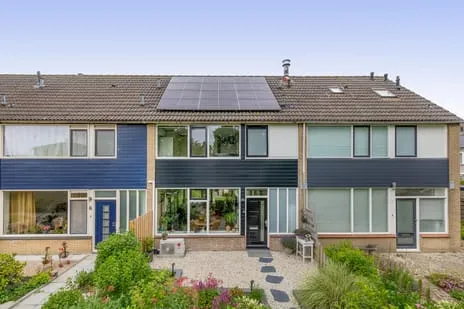
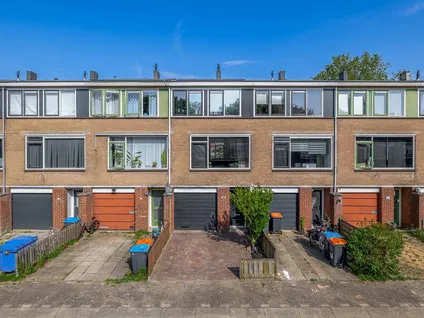
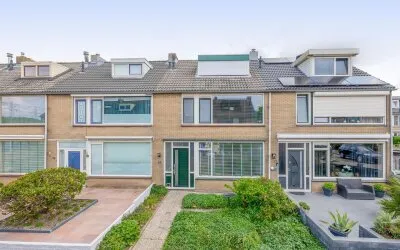
De Kapel en omgeving is a quiet, predominantly residential neighbourhood in the heart of Brielle. The name refers to the historic area around the old chapel, and that past is still felt in the atmosphere: the neighbourhood borders the historic city centre of Brielle but has a more everyday, functional character itself. No tourists live here, but families, working people in their forties, and those who have lived on the same street for years. The homes mostly date from the 1960s to the 1980s: terraced houses, semi-detached houses, and a few detached houses on quiet residential streets with greenery in the verges.
In terms of amenities, the neighbourhood benefits directly from its proximity to Brielle's city centre. Daily shopping can be done within walking distance, with supermarkets such as Albert Heijn and Lidl a short bike ride away. The historic city centre with its shops, restaurants, and weekly market is within a ten-minute walk. For schools, there are several primary schools in and around Brielle, and for secondary education, Marnix College nearby is a well-known option. For sports, there is plenty to do: a tennis club, football club, and swimming pool are all accessible from the neighbourhood.
Accessibility is a point that residents often mention. Brielle does not have a train station; the nearest train stations are Spijkenisse (via the Calandbrug) and Hellevoetsluis towards Rotterdam. Bus connections via Connexxion run to Spijkenisse and beyond, but the frequency is limited. By car, the A15 via the Calandbrug is easily accessible, making the neighbourhood attractive for commuters towards Rotterdam or the Randstad. Street parking is generally not a problem.
Residents appreciate the peace, the green streets, and the short distance to the lively centre of Brielle. One resident writes: "You live here quietly, but you really don't have to go far for anything. The centre of Brielle is around the corner, and yet you hardly notice the hustle and bustle." Criticisms sometimes concern the outdated street paving and limited public transport connections. Read all reviews and view the neighbourhood scores on the overview page of De Kapel en omgeving.
Compared to neighbouring neighbourhoods, De Kapel en omgeving has a somewhat more mixed profile than the quieter Kleine Goote or the more compact Rugge. Those looking for more new-build homes can also look at Nieuwland. Every neighbourhood in Brielle has its own character; it pays to compare them before making a choice.
Who is a home in De Kapel en omgeving suitable for?
The neighbourhood mainly appeals to families and home-movers. The largest age group is 45 to 65 years old, and over a third of households have children. This makes De Kapel en omgeving less of a typical starter area, although there are homes in the lower price range (from €350,000) that could be achievable for starters with sufficient equity. Supply is limited: with 15 transactions in a year, the market is not large, meaning you need to be able to act quickly when something becomes available. Overbidding is not unusual in this segment. Those wanting more flexibility or still exploring can also check the rental homes in De Kapel en omgeving as an interim solution.
What residents say about De Kapel en omgeving
Residents generally give the neighbourhood a positive rating. High scores are awarded for safety and the green living environment. Lower scores are given for public transport accessibility and the level of facilities for young people. One resident describes it as: "Nice, quiet neighbourhood with friendly neighbours. Ideal if you have children and don't like the hustle and bustle." View all reviews, sub-scores per category, and the current neighbourhood score on the neighbourhood main page of De Kapel en omgeving.
Compare homes for sale in and around De Kapel en omgeving
Buurtje.nl brings together supply from more than 1,500 sources in one place, including resident reviews and neighbourhood data that you won't find on other platforms. This way, you can compare not only homes but also neighbourhoods. View the supply in the wider district via Brielle, explore other neighbourhoods such as Spuilaan en omgeving or Noord Meeuwenoord, or broaden your search area to districts like Nieuwenhoorn and De Struyten. For the overall overview of the municipality, you can visit the page homes for sale in Voorne aan Zee. More information about living and residing in the municipality can also be found on the website of the municipality of Voorne aan Zee.
Frequently asked questions
What is the cost of a home in De Kapel and surroundings?
Over the past twelve months, 15 homes were sold in De Kapel and surroundings, with an average purchase price of €469,533. Prices ranged from €350,000 to €615,000, with an average living area of 123 m². That works out to approximately €3,817 per square metre. Buying a home in De Kapel and surroundings is therefore more affordable than the municipal average of Voorne aan Zee suggests, although transaction prices are significantly higher than the WOZ value.
What is the WOZ value in De Kapel and surroundings?
The average WOZ value in De Kapel and surroundings is €308,000. That is lower than the average in the Brielle district (€347,000) and the municipal average of Voorne aan Zee (€369,000). This difference is related to the relatively high proportion of social housing and older terraced houses in the neighbourhood, which depress the average value.
What is it like to live in De Kapel and surroundings?
Living in De Kapel and surroundings feels quiet and orderly. The neighbourhood borders the historic city centre of Brielle, meaning you are within walking distance of shops, restaurants and a weekly market. The streets are green and the atmosphere is village-like. Residents appreciate the safety and social cohesion, although there are also critical comments about limited public transport connections and outdated infrastructure in some places.
Is De Kapel and surroundings suitable for families with children?
Yes, the neighbourhood is distinctly family-oriented. Over a third of households have children and the largest age group is 45 to 65 years old. There are several primary schools within cycling distance and sports clubs nearby. The quiet residential streets and relatively green environment make the neighbourhood attractive for families looking to buy a home in a stable, safe environment.
How accessible is De Kapel and surroundings?
De Kapel and surroundings does not have its own train station. The nearest station is Spijkenisse, accessible via the Calandbrug. Bus services operated by Connexxion run to Spijkenisse and surrounding areas, but the frequency is limited. By car, the A15 is easily accessible, making the neighbourhood popular among commuters heading to Rotterdam. Within Brielle, everything is easily reachable by bike.
What type of homes are for sale in De Kapel and surroundings?
The supply mainly consists of ground-floor family homes: terraced houses, semi-detached houses and occasionally detached houses. Most homes date from the 1960s to the 1980s. Buying an apartment in De Kapel and surroundings is less common; the supply of apartments is limited. The average sold living area over the past twelve months was 123 m².
Are there many amenities in De Kapel and surroundings?
The neighbourhood itself is primarily a residential area, but it benefits greatly from its proximity to the Brielle city centre. Supermarkets, primary schools, sports clubs and the Marnix College secondary school are all within acceptable distance. For more extensive shopping or healthcare, one must rely on Brielle or surrounding towns. Parking is generally not a problem in the neighbourhood.