Homes for sale in De Landstreken, Dronten
Discover the current supply of homes for sale in De Landstreken and compare prices, neighbourhood data and resident reviews to determine if this neighbourhood suits you.


House prices and market figures De Landstreken, Dronten
The housing market in De Landstreken clearly shows a buyer's market: 62% of the 569 homes are owner-occupied, compared to 38% rented. The average WOZ value is €280,000, which is noticeably lower than the average in the Dronten Zuid district (€349,000) and the Dronten municipal average (€337,000). However, transaction prices over the past year tell a slightly different story: of the 8 homes sold, the average purchase price was €396,250, with a range from €295,000 to €495,000. Based on an average living area of 127 m², this works out to a price of approximately €3,120 per square metre. Supply is limited, meaning that as a buyer you need to act quickly. Check the current overview at the top of this page for the most recent asking prices and selling times. Would you like a broader picture? Compare with homes for sale in Dronten Zuid or view the total supply of homes for sale in Dronten.
Living in De Landstreken, Dronten
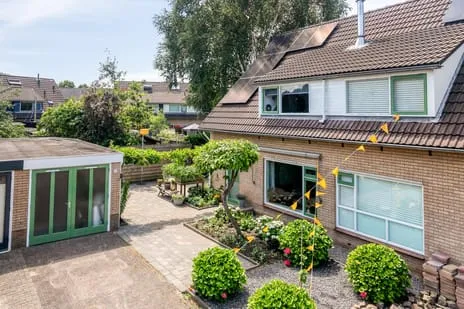
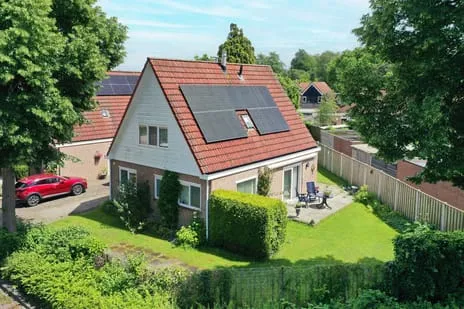
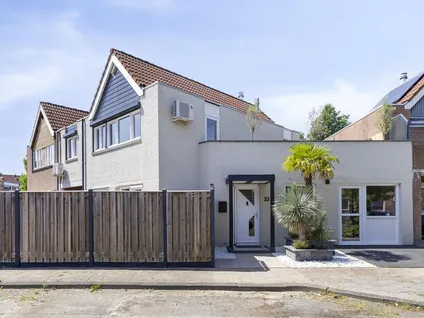
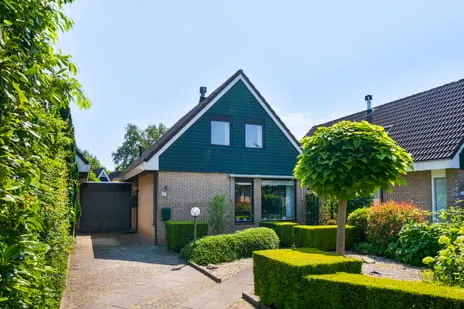
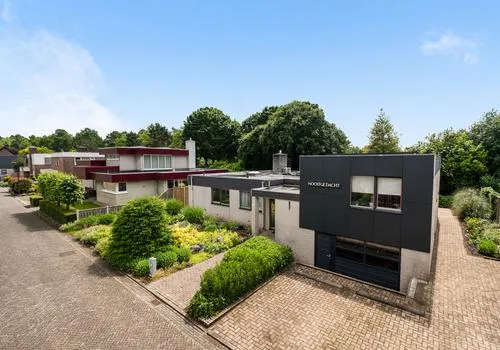
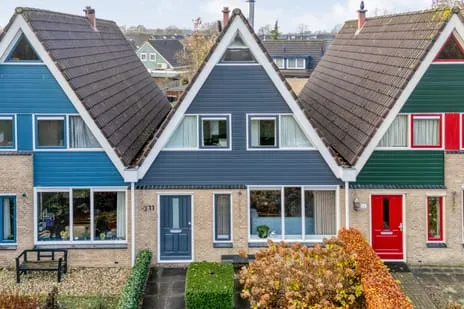
De Landstreken is a quiet, predominantly green neighbourhood in the southern part of Dronten, built in the 1980s and 1990s. The street names refer to agricultural landscapes, which accurately reflects the atmosphere of the neighbourhood: orderly, spacious, and with plenty of greenery between the homes. You will mainly find ground-floor single-family homes here, from terraced houses to semi-detached houses. Detached homes exist but are more the exception than the rule.
The neighbourhood is quiet without being boring. There is little through traffic, children play in the street, and most residents know each other. The largest age group is 45 to 65 years old, followed by those aged 65 and over, which sets the tone: De Landstreken is not a bustling young people's neighbourhood, but a place where people stay for a long time. This is also reflected in the homes: well-maintained, but sometimes in need of renovation or modernisation.
For daily shopping, you hardly need to leave the neighbourhood. The Dronten shopping centre, with supermarkets such as Albert Heijn and Lidl, is within cycling distance. Primary schools and a GP practice are located nearby. Sports clubs for football, tennis and swimming are easily accessible via the sports park on the edge of the town centre. The location near the Drontermeerbos offers opportunities for walking and cycling in an open polder landscape.
In terms of accessibility, De Landstreken is reasonable but not exceptional. Dronten does not have a train station; the nearest stations are Lelystad Centrum and Kampen, both about a 25 to 30-minute drive away. Bus services run to Lelystad and Zwolle, but frequency is limited. By car, you can quickly reach the A6 towards Amsterdam or Zwolle via the N307. For daily commuters, a car is almost indispensable.
Residents appreciate the peace and space, but also point out the limited facilities for young people and the dependence on the car. One resident describes it as follows: "It's wonderfully quiet here and the neighbours are involved, but for a night out you really have to take the car." Read more experiences and view the neighbourhood scores on the page for De Landstreken.
Compared to sister neighbourhoods such as De Kruidentuin and De Landmaten, De Landstreken is slightly larger and more varied in housing types. The Golfresidentie offers a more exclusive segment, while De Manege has a more compact character. If you are looking for more urbanity, you could also look at Dronten Midden.
Who is a home for sale in De Landstreken interesting for?
De Landstreken mainly appeals to movers and families seeking space and peace without being too far from daily amenities. Seniors who want to buy in a clear, safe environment will also find suitable options here. First-time buyers will notice that the entry price of €295,000 for the cheapest sold home already requires a substantial mortgage. Supply is scarce, so be quick when something becomes available. An honest drawback: the neighbourhood has little dynamic of its own when it comes to hospitality or cultural facilities. Would you like to rent first to get to know the neighbourhood? Then check the rental homes in De Landstreken as an alternative.
What residents say about De Landstreken
Residents generally rate De Landstreken positively, with the highest scores for safety and the living environment. Greenery and peace are most often mentioned as plus points. Residents are less enthusiastic about public transport and entertainment options. One resident writes: "Nice family neighbourhood, well-maintained and safe, but without a car you can't get anywhere here." View all reviews and full neighbourhood data on the page for De Landstreken on Buurtje.nl.
Compare homes for sale in and around De Landstreken
Buurtje.nl combines current housing supply from more than 1,500 sources with resident reviews and neighbourhood data, so you not only find a home but also know whether the neighbourhood suits you. Besides De Landstreken, De Lancaster and Dronten Noord are also worth considering if you want to buy in this region. For a complete picture of the municipality, see Dronten or visit the official municipal page at dronten.nl for information on permits and municipal services.
Frequently asked questions
What is the cost of a home in De Landstreken?
In the past year, 8 homes were sold in De Landstreken, with an average purchase price of €396,250. The range was from €295,000 to €495,000. Based on an average living area of 127 m², the price per square metre comes to approximately €3,120. Keep in mind that supply is limited and homes sell quickly.
What is the WOZ value in De Landstreken?
The average WOZ value in De Landstreken is €280,000. This is clearly below the municipal average of Dronten (€337,000) and also below the district average of Dronten Zuid (€349,000). The WOZ value indicates the fiscal value of homes, but actual transaction prices in this neighbourhood are higher, partly due to limited supply.
What is it like to live in De Landstreken?
Living in De Landstreken means choosing peace, space, and a clear residential environment in the south of Dronten. The neighbourhood consists mainly of ground-floor single-family homes from the 1980s and 1990s, with plenty of greenery and little through traffic. Residents appreciate the safety and the involved atmosphere, but also note that you are really dependent on a car for going out and public transport.
Is De Landstreken suitable for families with children?
Yes, De Landstreken is well-suited for families. There are primary schools and sports clubs nearby, the streets are quiet, and there is ample outdoor space. The largest age group is 45 to 65 years, but young families also find their place here. First-time buyers will find the entry price of at least €295,000 a barrier, but for movers, the neighbourhood is attractive.
How accessible is De Landstreken?
De Landstreken does not have its own train station. The nearest stations are Lelystad Centrum and Kampen, both about 25 to 30 minutes away by car. Bus connections are available to Lelystad and Zwolle, but they do not run frequently. By car, the connection to the N307 and then the A6 is good, making Amsterdam and Zwolle reachable within 40 to 50 minutes. For daily commuting, a car is almost essential.
What type of homes are for sale in De Landstreken?
The housing supply in De Landstreken mainly consists of ground-floor single-family homes: terraced houses, semi-detached houses, and occasionally detached houses. Most homes were built in the 1980s and 1990s. Buying an apartment in De Landstreken is less common; this segment is limited. The average living area of sold homes in the past year was 127 m².
Is there a lot of greenery in De Landstreken and what about parking?
De Landstreken is spaciously laid out with green strips between the housing blocks and parks in the neighbourhood. Near the neighbourhood lies the Drontermeerbos, suitable for walking and cycling. Parking is not a problem on most streets; most homes have a driveway or garage, and street parking is widely available. This is a clear advantage compared to busier neighbourhoods elsewhere in the municipality.