Homes for sale in De Peppel, Smallingerland
Discover the current supply of homes for sale in De Peppel and find the home that fits your wishes and budget.


House prices and market figures De Peppel, Smallingerland
De Peppel is a pronounced owner-occupied neighbourhood: 77% of the housing stock is owner-occupied, compared to only 22% rented. This makes it one of the more owner-occupied oriented neighbourhoods within the district De Singels. The average WOZ value is €308,000, which is clearly above the district average of €256,000 and also above the municipal average of €276,000. De Peppel thus belongs to the more expensive segments within Smallingerland.
In the past twelve months, seven homes changed ownership, with an average selling price of €459,357. Prices ranged from €323,000 to €675,000, indicating that both more affordable homes and larger detached houses come onto the market. The average living area was 139 m², which works out to a price of approximately €3,305 per square metre. The supply mainly consists of single-family homes, fitting the family and senior population of the neighbourhood. For current asking prices and available homes, you can consult the overview at the top of this page.
Living in De Peppel, Smallingerland
De Peppel is a quiet, green-oriented residential neighbourhood on the edge of Drachten, the largest town in Smallingerland. The neighbourhood has a clearly recognisable character: wide streets, plenty of greenery between the homes and a predominantly quiet atmosphere that suits the residents who live there. The largest age group is 65-plus, accounting for 330 of the 940 inhabitants, but the 45 to 65 age group is also strongly represented. This is reflected in the neighbourhood itself: it is not a place with much activity or nightlife, but rather a place where people unwind after a working day.
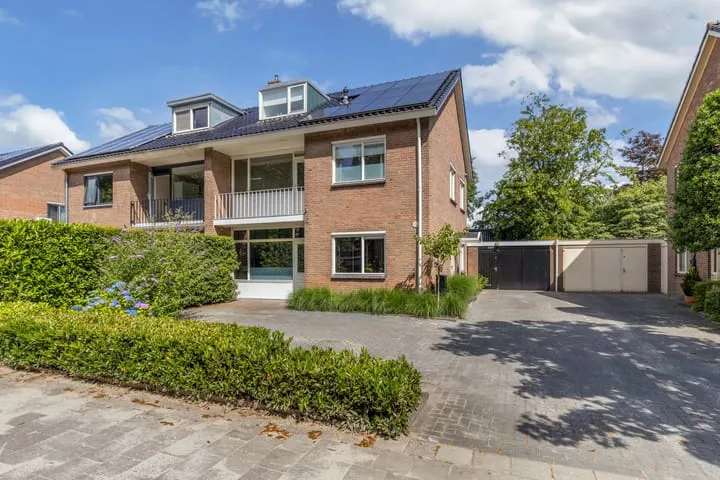
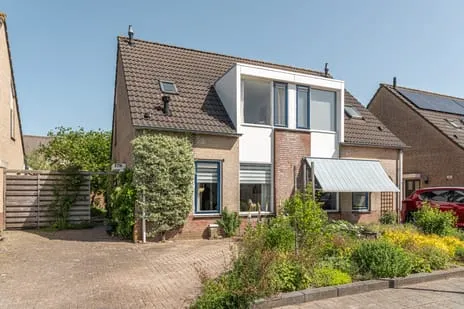
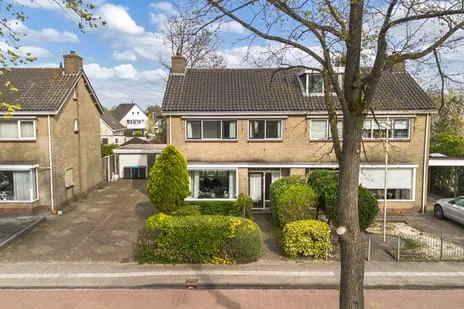
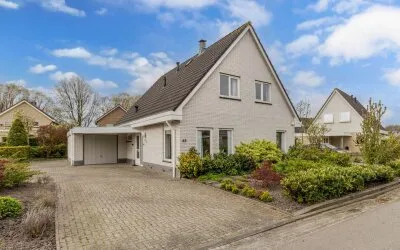
The homes were largely built in the seventies and eighties, with terraced houses and semi-detached houses as the most common types. Here and there are also detached houses, which explains the higher end of the selling prices. The gardens are generally well-maintained and the district has a well-kept appearance without feeling sterile.
In terms of amenities, De Peppel is reasonably self-sufficient for daily shopping. The De Drait shopping centre is within cycling distance and offers supermarkets, a pharmacy and various shops for daily needs. For a larger range of shops or the centre of Drachten, you cycle there in about ten minutes. Primary schools are located in the immediate vicinity, and for secondary education, pupils rely on schools elsewhere in Drachten, which is easily doable by bike. Sports clubs in the area offer opportunities for football, tennis and swimming.
Accessibility by car is good: the N31 and the connection to the A7 are reachable within a few minutes, making De Peppel attractive for commuters towards Leeuwarden or Groningen. Public transport is available via bus lines that connect Drachten with surrounding towns and the bus station in the centre, but the frequency is limited compared to more urban areas. The neighbourhood is particularly suitable for people who are used to taking the car or bike.
Residents particularly appreciate the peace and space. On the neighbourhood page of De Peppel you can read what people say about it. One resident describes it as: "You live quietly here, the neighbours know each other and you are quickly in nature." Criticisms sometimes concern the limited public transport and the fact that young people have little to do there. Compared to De Singels west or De Singels east, De Peppel has a slightly quieter and greener character, with on average higher house prices.
Who is a home for sale in De Peppel interesting for?
De Peppel mainly attracts movers and seniors looking for space and peace. The average purchase price of over €459,000 makes it difficult for first-time buyers to buy a first home here, especially with current financing rules. For families looking for a spacious single-family home in a green environment, however, the neighbourhood is attractive, provided the budget allows it. Keep in mind that supply is limited: only seven homes were sold in the past year. That means you have to act quickly when something becomes available. If you first want to explore whether renting is an option, you can also look at rental homes in De Peppel.
What residents say about De Peppel
Residents of De Peppel are generally satisfied with their neighbourhood, particularly about the peace, the green spaces and the social cohesion. Scores on safety and liveability are above average. Residents are less enthusiastic about accessibility by public transport and the limited range of amenities within the neighbourhood itself. One resident writes: "It is quiet and green here, exactly what we were looking for after years in a busy city." View all reviews and the full neighbourhood data on the overview page of De Peppel.
Compare homes for sale in and around De Peppel
Are you unsure whether De Peppel is the right choice, or do you want to know what else is for sale in the surrounding area? On Buurtje.nl you will find housing supply from more than 1,500 sources, combined with resident reviews and neighbourhood scores that you won't find anywhere else in this overview. Compare De Peppel with other neighbourhoods in the same district, such as De Singels south, or view the broader supply via homes for sale in De Singels. For an even broader picture, you can also look at other districts such as De Drait or Drachtstervaart. The full municipal supply can be found at homes for sale in Smallingerland. More about the municipality itself can be read on the website of municipality Smallingerland.
Frequently asked questions
What is the cost of a home in De Peppel?
The average purchase price in De Peppel over the past year was €459,357, based on seven sold homes. Prices ranged from €323,000 to €675,000, depending on type and size. With an average living area of 139 m², the price per square metre comes to approximately €3,305. It is not a cheap neighbourhood compared to the municipal average WOZ value of €276,000.
What is the WOZ value in De Peppel?
The average WOZ value in De Peppel is €308,000. This is clearly above the average for the De Singels district (€256,000) and also above the municipal average for Smallingerland (€276,000). De Peppel thus ranks among the higher valuations within the municipality.
What is it like to live in De Peppel?
Living in De Peppel means choosing peace, space and greenery. The neighbourhood has a quiet character with well-maintained streets and homes, and strong social cohesion among residents. Most residents are 45 years or older, which sets the atmosphere: it is not a bustling neighbourhood, but a place where people live comfortably and undisturbed. Residents particularly appreciate the tranquillity and proximity to nature.
Is De Peppel suitable for seniors or families?
De Peppel is particularly suitable for seniors and downsizers. The largest population group is 65-plus (330 out of 940 residents), and the neighbourhood offers the peace and space that comes with it. Families can also live here well thanks to the presence of primary schools and green surroundings, but should take into account higher purchase prices. First-time buyers will find it difficult to buy a first home here with an average selling price of over €459,000.
How accessible is De Peppel?
By car, De Peppel is easily accessible: the N31 and the connection to the A7 towards Groningen and Leeuwarden can be reached within a few minutes. By bike, you can reach the centre of Drachten in about ten minutes. Public transport is available via bus lines, but the frequency is limited. The neighbourhood is most suitable for people who are used to driving or cycling.
What type of homes are for sale in De Peppel?
The supply in De Peppel mainly consists of single-family homes: terraced houses and semi-detached houses from the 1970s and 1980s form the basis of the housing stock. Here and there, detached houses also appear, explaining the higher prices in the range. Buying an apartment in De Peppel is an exception; the neighbourhood is primarily designed for family and senior living. Of the 430 homes, 77% are owner-occupied.
Is there a lot of greenery in De Peppel and what is the living environment like?
De Peppel has a green appearance with wide streets and many parks between the homes. The neighbourhood borders green areas that are attractive for walkers and cyclists. Residents cite the green surroundings and tranquillity as one of the main reasons for living here. For daily shopping, supermarkets are within cycling distance via shopping centre De Drait.