


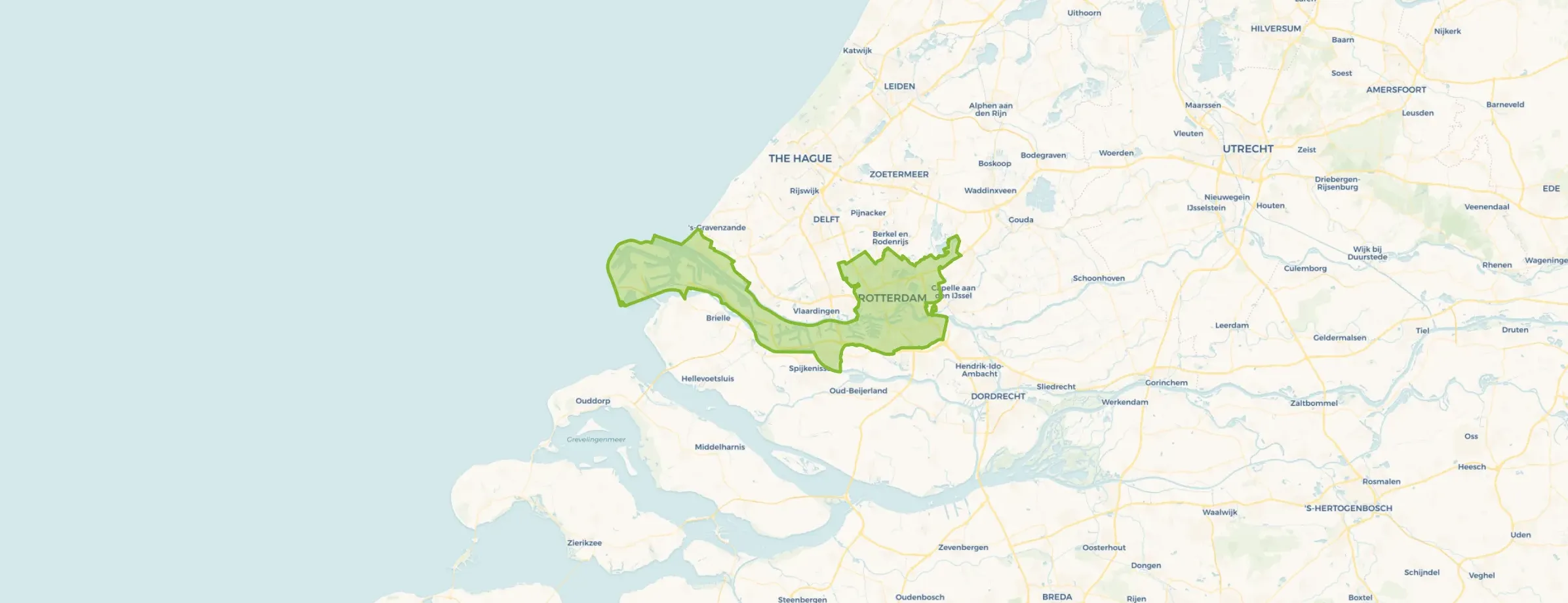

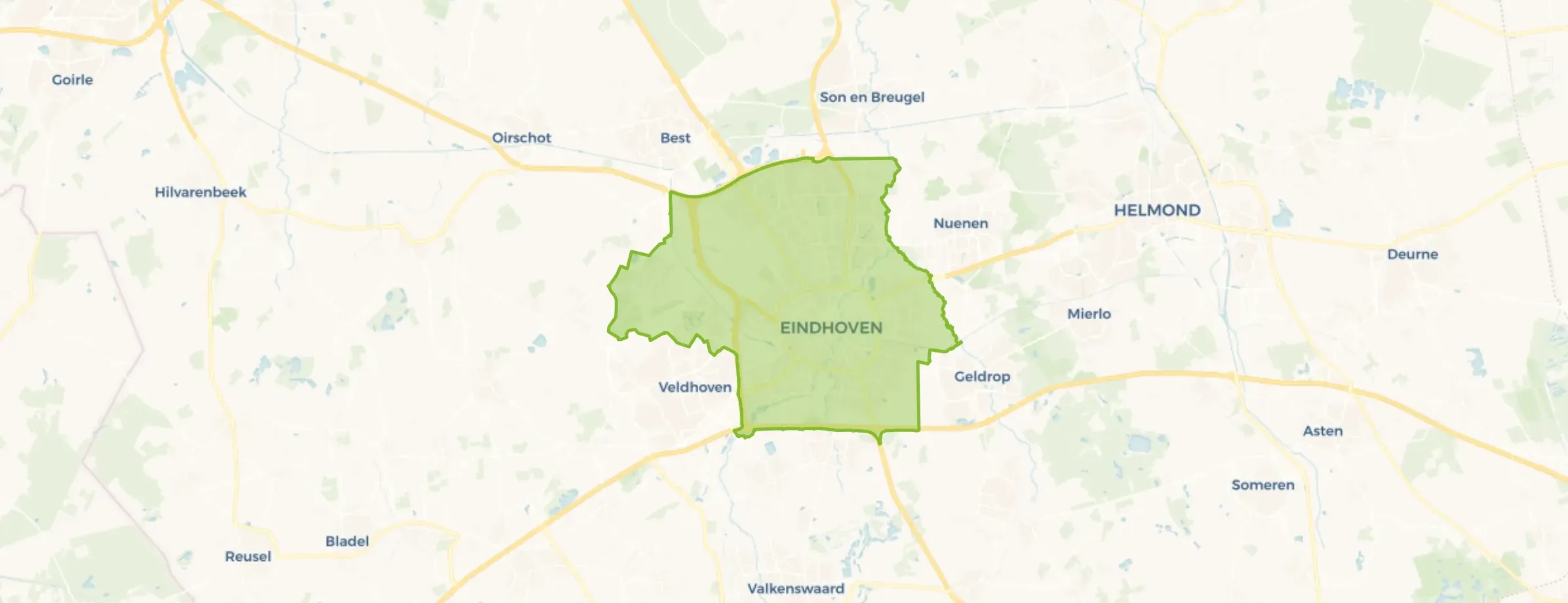


8 homes for sale in De Waag, Leeuwarden
Discover homes for sale in De Waag and view the current supply, average asking price, and time to sell directly at the top of this page.




House prices and market figures for De Waag, Leeuwarden
De Waag is a predominantly rental neighbourhood: only 15% of the 723 homes are owner-occupied, while 85% are rented out, mostly by private landlords. This makes the supply of owner-occupied homes in De Waag scarce, and scarcity has its effect on price. Over the past twelve months, 14 homes changed hands at an average purchase price of €346,286, with a range from €115,000 to €649,000. With an average sold area of 94 m², this works out to approximately €3,684 per square metre.
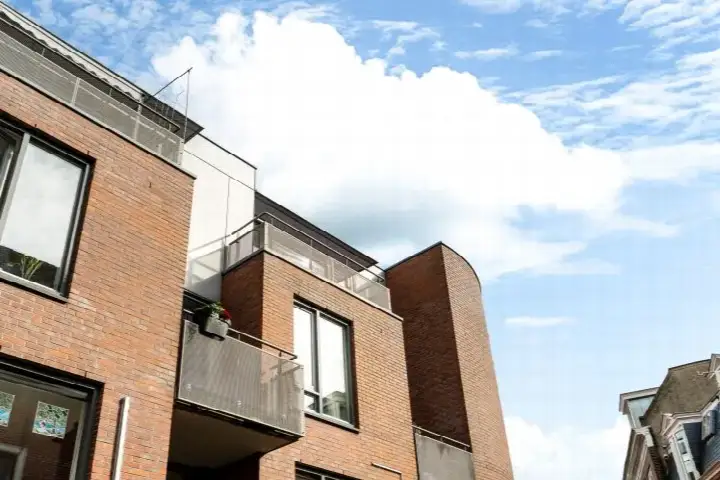
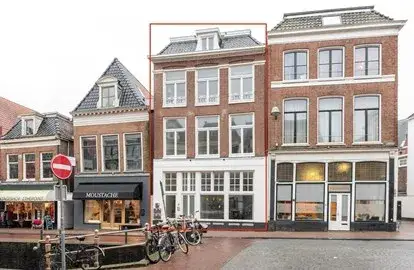
The WOZ value in De Waag is €187,000, which is notably higher than the average for the broader Binnenstad district (€157,000), but clearly lower than the municipal average of €234,000 for Leeuwarden as a whole. However, actual transaction prices are significantly above the WOZ value, indicating that buyers are willing to pay a premium for the central location. The supply typically consists of upstairs apartments and smaller townhouses from the nineteenth and early twentieth centuries. Check the current supply and average asking price at the top of this page for the most recent status.
Living in De Waag, Leeuwarden
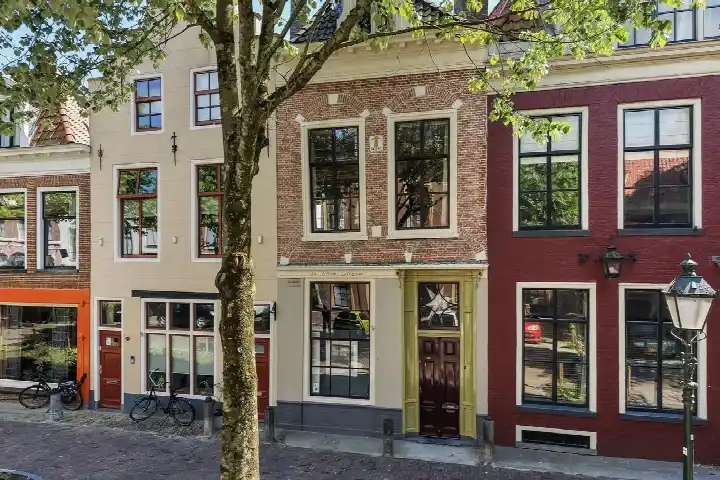
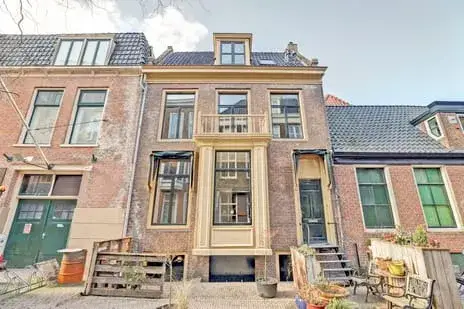
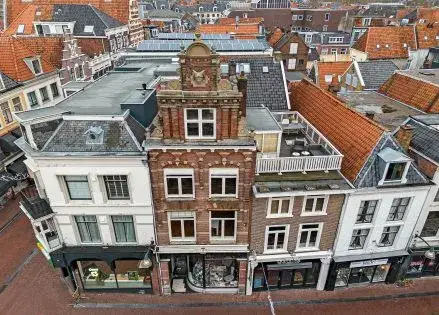
De Waag is located in the heart of Leeuwarden's city centre, within walking distance of the historic Waagstraat and Hofplein. Those who buy here are not so much buying a home as a way of life: everything is close by, but the neighbourhood is also distinctly urban and lively, sometimes until late in the evening. The buildings consist mainly of canal houses and smaller townhouses from the second half of the nineteenth century, supplemented by some twentieth-century infill buildings. Many homes are upstairs apartments or split properties with narrow staircases and high ceilings.
The neighbourhood strongly attracts young adults: the 15 to 25 age group, with 540 out of 1,250 residents, is by far the largest. This is reflected in the atmosphere: there are many students, starters and young professionals, and the hospitality venues and small specialist shops in the immediate vicinity cater to them. De Waag borders shopping streets such as Nieuwestad and Zaailand, making daily errands and shopping easily manageable on foot. An Albert Heijn and a Jumbo are a short bike ride away in the wider city centre.
As for schools, primary education in the immediate area is limited, but Leeuwarden's city centre offers several primary and secondary schools within cycling distance, including Gymnasium Ljouwert and Friesland College. Green space is scarce in De Waag itself: the neighbourhood is stony and compact. Princessehof Park and the Oldehove terp are a few minutes' bike ride away and offer some respite.
Accessibility is one of its strongest assets. Leeuwarden Station is about a ten-minute walk away, with direct train connections to Groningen, Sneek, Harlingen and via Zwolle to the Randstad. The A31 and A32 are reachable by car in ten to fifteen minutes. Within the city centre, the car is more of a burden than an advantage: parking is expensive and limited, and most residents get around by bike. Bus connections via the nearby bus station provide additional public transport to surrounding neighbourhoods and villages.
Residents appreciate the central location and liveliness, but also point out noise pollution and weekend crowds. On the De Waag neighbourhood page you can read all reviews and neighbourhood scores. One resident describes it as: "You live right in the city, everything is doable by bike, but on Friday evenings you have to be able to handle some noise." Compared to the neighbouring areas Oldehove and Grote Kerkbuurt, De Waag is slightly more compact and busier in character. Those looking for a bit more peace but still wanting to live centrally might also consider Nieuwestad or the more spacious properties in Blokhuisplein.
Who is a home in De Waag interesting for?
De Waag is primarily a neighbourhood for starters and young professionals who consciously choose an urban lifestyle without a car. The supply of owner-occupied homes is small, only about 15% of the housing stock, so those who want to buy need patience and the ability to act quickly. The average income in the neighbourhood is €24,300, clearly below the municipal average of €32,600, but transaction prices are actually above the city average. This requires realistic financial preparation and possibly overbidding. Families with children will find the cramped homes and limited green space a disadvantage. Those unsure whether buying is the right move now can also check out the rental homes in De Waag as a temporary alternative.
What residents say about De Waag
Residents give De Waag mixed but predominantly positive reviews. The location and liveliness score highly, while noise and parking receive the lowest scores. A common sentiment: "The atmosphere on the streets is unique, you feel like you're living in a real historic city, but you pay for it in comfort." View all reviews, partial scores per category and the overall score on the De Waag overview page with resident reviews and neighbourhood data.
Compare homes for sale in and around De Waag
Buurtje.nl brings together supply from more than 1,500 sources in one place, supplemented with resident reviews and neighbourhood scores that you won't find anywhere else on a purchase page. This way you can compare not only homes but also neighbourhoods. Want to look more broadly? View all homes for sale in Binnenstad or the complete overview of homes for sale in Leeuwarden. Outside the city centre, neighbourhoods such as Oud-Oost and Sonnenborgh en omgeving are popular alternatives, generally offering more space and a larger supply of owner-occupied homes. More information about living and residing in the municipality can also be found on the website of the municipality of Leeuwarden.
What does a home cost in De Waag?
Over the past twelve months, 14 homes were sold in De Waag at an average purchase price of €346,286. Prices ranged from €115,000 to €649,000, with an average living area of 94 m². That works out to approximately €3,684 per square metre. Buying a home in De Waag therefore requires a substantial budget, especially given the limited availability of owner-occupied homes in the neighbourhood.
What is the WOZ value in De Waag?
The average WOZ value in De Waag is €187,000. This is above the average for the broader Binnenstad district (€157,000), but below the municipal average for Leeuwarden as a whole, which stands at €234,000. However, actual transaction prices are significantly higher than the WOZ value, indicating an active market with demand from buyers who appreciate the central location.
What is it like living in De Waag?
Living in De Waag means living in the centre of Leeuwarden, surrounded by historic canal houses and within walking distance of shops, restaurants, and the train station. The neighbourhood is lively and urban in character, with a young population consisting largely of students and first-time buyers. Residents appreciate the location and atmosphere, but also point to noise pollution and limited parking options as downsides of central living.
Is De Waag suitable for first-time buyers?
De Waag appeals to first-time buyers and young professionals because of its central location and urban lifestyle. The age group of 15 to 25 is by far the largest in the neighbourhood, and 735 of the 1,250 residents live as single-person households. However, the supply of owner-occupied homes is small and the average transaction price of over €346,000 is high for many first-time buyers. Those who want to be flexible can also explore the rental market in the neighbourhood as an intermediate step.
How accessible is De Waag?
The accessibility of De Waag is excellent for those without a car. Leeuwarden Station is about a ten-minute walk away, with train connections to Groningen, Sneek, Harlingen and via Zwolle towards the Randstad. The bus station in the city centre provides additional connections to surrounding neighbourhoods and villages. By car, the A31 and A32 can be reached in ten to fifteen minutes, but parking in the neighbourhood itself is expensive and limited.
What type of homes are for sale in De Waag?
The supply of owner-occupied homes in De Waag consists mainly of apartments and upper-floor homes in historic city buildings from the second half of the nineteenth and early twentieth centuries. Detached houses or spacious family homes are rare in this neighbourhood. The homes often have high ceilings and characteristic details, but also narrow staircases and limited outdoor space. Buying an apartment in De Waag therefore requires realistic expectations about space and comfort.
Is there much green space and are there amenities in De Waag?
De Waag itself is a compact, stony inner-city neighbourhood with little green space. The Princessehof park and the Oldehove mound are a few minutes' bike ride away and offer the nearest green area. Daily amenities such as supermarkets and shops are easily accessible via the nearby Nieuwestad and Zaailand. Primary and secondary schools are within cycling distance in the broader city centre, but are not located directly in the neighbourhood itself.