Homes for sale in Den Berg, Bernheze
Discover the current supply of homes for sale in Den Berg and compare prices, neighbourhood data and resident reviews directly on this page.
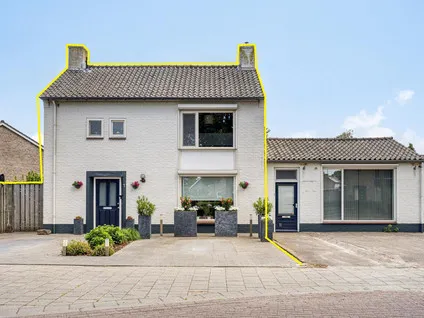
House prices and market figures for Den Berg, Bernheze
Den Berg is predominantly a home-owning neighbourhood: about 70% of the housing stock is privately owned, while around 28% is rented out via a housing association. The average WOZ value is €446,000, which is clearly above the Bernheze municipal average (€428,000) and also above the district average of Kern Heesch (€403,000). Den Berg thus ranks among the more expensive segments within the municipality.
In the past twelve months, four homes were sold, with an average purchase price of €697,250. Prices ranged from €375,000 to €985,000, indicating that the supply varies widely: from larger family homes to bigger detached properties. With an average living area of 181 m², this works out at a price of around €3,850 per square metre. That is at the high end for this region. The supply consists mainly of larger single-family homes and detached houses; apartments are hardly found in Den Berg. View the current supply and current asking prices at the top of this page.
Living in Den Berg, Bernheze
Den Berg is a quiet, green residential neighbourhood on the edge of Heesch, one of the cores of the municipality of Bernheze. The neighbourhood has a distinct village character: wide streets, plenty of greenery in the gardens and little traffic. The housing largely dates from the 1970s and 1980s, with terraced houses and semi-detached houses as the basic structure, supplemented by a number of detached houses on larger plots. There is little new construction, which gives the neighbourhood a stable and established feel.
For daily shopping you don't have to go far: in Heesch a supermarket and a number of shops are within cycling distance. For a larger range of shops, residents drive to Oss, about ten minutes away. Children can attend primary schools in Heesch in the immediate vicinity; secondary schools are found in Oss and the surrounding area. Sports clubs are also available: football, tennis and other sports and club activities are well represented in Heesch, contributing to the sense of community in the neighbourhood.
In terms of accessibility, Den Berg is heavily car-oriented. The A59 is quickly reachable via Heesch, making Oss, Den Bosch and Nijmegen easily accessible. Public transport is available via bus connections in Heesch, but the service is limited compared to urban areas. For commuters who rely on the train daily, Oss station is the nearest alternative, a few kilometres away. By bike, the centre of Heesch can be reached in a few minutes.
Residents particularly appreciate Den Berg for its peace and space. On the neighbourhood page of Den Berg you can read what people specifically say about their district. One resident describes it as follows: "It's nice and quiet here, you know your neighbours and the children can play outside without worries." Criticism sometimes focuses on the limited walking distance to amenities and the lack of a lively shopping street directly in the neighbourhood.
Compared to neighbouring neighbourhoods such as 't Dorp and the Oranjebuurt, Den Berg has a slightly quieter and more subdued character. Neighbourhoods like Heelwijk and 't Vijfeiken offer similar housing types, but sometimes have a different price level or a different mix of rental and owner-occupied homes. Those who want to make a broader comparison can also look at Kern Heeswijk-Dinther or Kern Nistelrode as alternatives within Bernheze.
Does a home for sale in Den Berg suit you as a buyer?
Den Berg mainly appeals to movers and families looking for space, peace and a stable living environment without the dynamism of a city. The age groups 45-65 and 65-plus are well represented, giving the neighbourhood a mature appearance. First-time buyers will find it difficult: with an average purchase price of nearly €700,000 and a limited number of transactions per year, competition for available homes is high. Overbidding is realistic in this segment. Those considering renting as an alternative or stepping stone can find more information on the page for rental homes in Den Berg. Inquire at the municipality of Bernheze about any local schemes for buyers.
What residents say about Den Berg
Residents generally rate Den Berg positively, particularly in terms of liveability, safety and the quiet living environment. Points that score less well are accessibility by public transport and the level of amenities directly in the neighbourhood. One resident writes: "Den Berg is a nice, quiet neighbourhood where you can really unwind. Not exciting, but that's exactly why we live here." View all reviews and partial scores per category on the neighbourhood main page of Den Berg.
Compare homes for sale in and around Den Berg
On Buurtje.nl you will find homes for sale in Den Berg brought together from more than 1,500 sources, supplemented with neighbourhood scores, resident reviews and district data that you won't find on other platforms. This way you can not only compare the supply, but also assess whether the neighbourhood suits you. Also view the supply in the wider district via homes for sale in Kern Heesch or explore all homes for sale in Bernheze for a complete overview of what the municipality has to offer.
Frequently asked questions
What is the cost of a home in Den Berg?
In the past twelve months, the average purchase price in Den Berg was €697,250. Prices ranged from €375,000 to €985,000, depending on the type and size of the property. With an average living area of 181 m², the price per square metre comes to approximately €3,850. It is a relatively expensive segment for the region, where overbidding on popular properties is realistic.
What is the WOZ value in Den Berg?
The average WOZ value in Den Berg is €446,000. This is above the municipal average of Bernheze (€428,000) and also above the district average of Kern Heesch (€403,000). Den Berg thus belongs to the higher value classes within the municipality.
What is living in Den Berg like?
Living in Den Berg means choosing peace, space and a village character. The neighbourhood consists mainly of single-family homes and detached houses from the 1970s and 1980s, with plenty of greenery in the immediate vicinity. Residents appreciate the safety and quiet streetscape, although the range of amenities is limited to what you can find within cycling distance in Heesch.
Is Den Berg suitable for families with children?
Den Berg is certainly suitable for families. The neighbourhood is quiet, there is plenty of outdoor space and primary schools are accessible in Heesch. The 25-45 age group is present, but the neighbourhood also attracts many residents in the 45-65 and older categories. First-time buyers will find it difficult due to the high average purchase price; movers and families who have already built up some equity are better suited to this segment.
How accessible is Den Berg?
Den Berg is easily accessible by car via the A59, with good connections to Oss, Den Bosch and Nijmegen. Public transport is limited: buses run via Heesch, but the frequency is low. The nearest train station is in Oss, a few kilometres away. For daily travel, cycling is an excellent option within the neighbourhood and to the centre of Heesch.
What types of homes are for sale in Den Berg?
The supply in Den Berg mainly consists of single-family homes, semi-detached houses and detached houses. Buying an apartment in Den Berg is hardly possible; this type of home is virtually absent in the neighbourhood. Most homes date from the 1970s and 1980s and have an average living area of approximately 181 m². The number of transactions per year is limited, which sometimes makes the choice small.
Is there a lot of greenery in Den Berg?
Den Berg has a green character, with spacious gardens and green streets that are typical of this quiet residential neighbourhood. There are no large parks directly in the neighbourhood, but the surroundings of Heesch offer opportunities for walking and cycling in the surrounding landscape. The green character is one of the reasons why residents rate the neighbourhood positively for quality of life.