Homes for sale in Den Bonsen Hoek, Voorne aan Zee
Looking for a home to buy in Den Bonsen Hoek? Check the current listings on this page and discover what the neighbourhood has to offer.

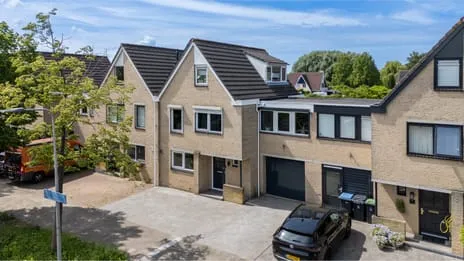
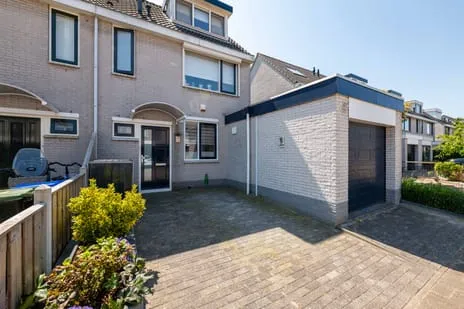
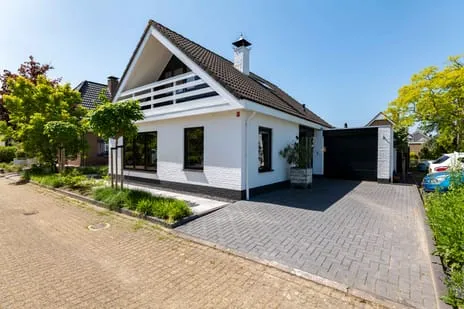
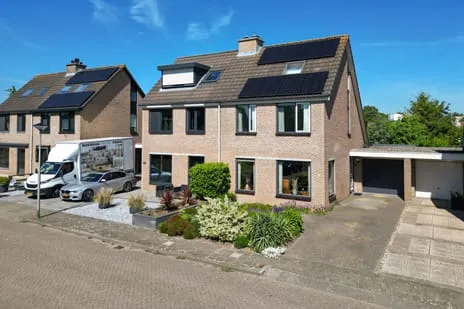
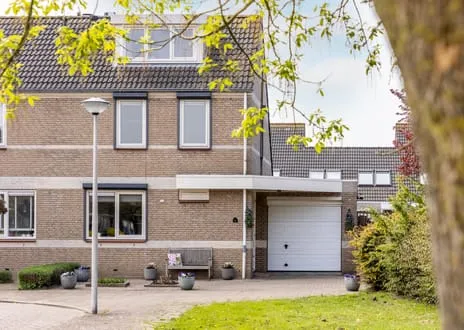
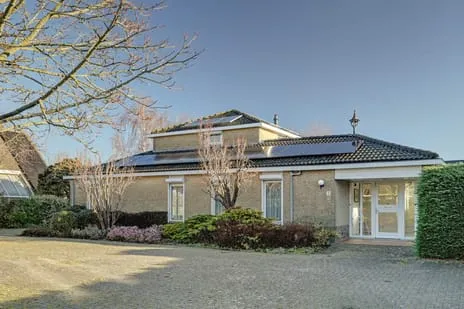
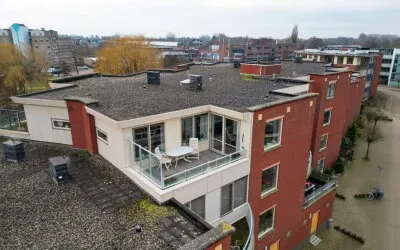
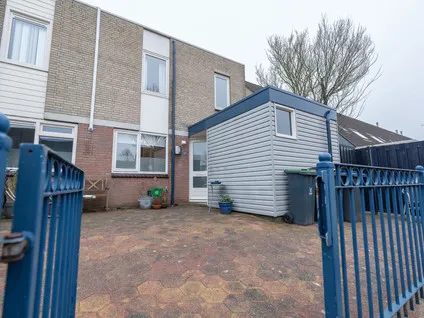
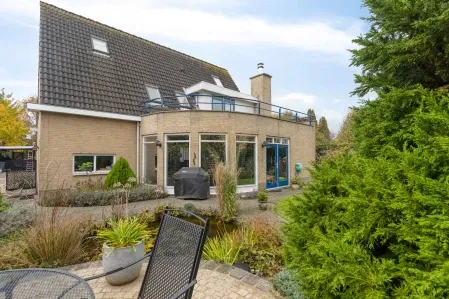
House prices in Den Bonsen Hoek: above the municipal average, but with variation
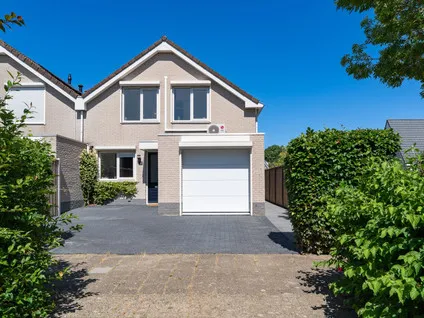
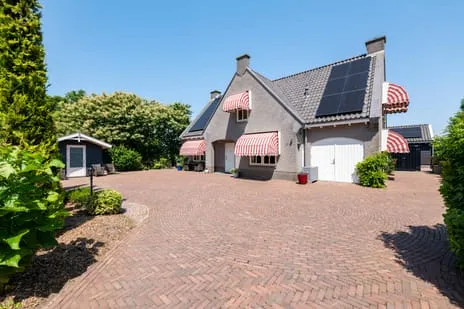
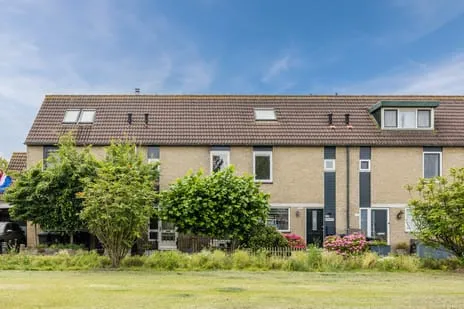
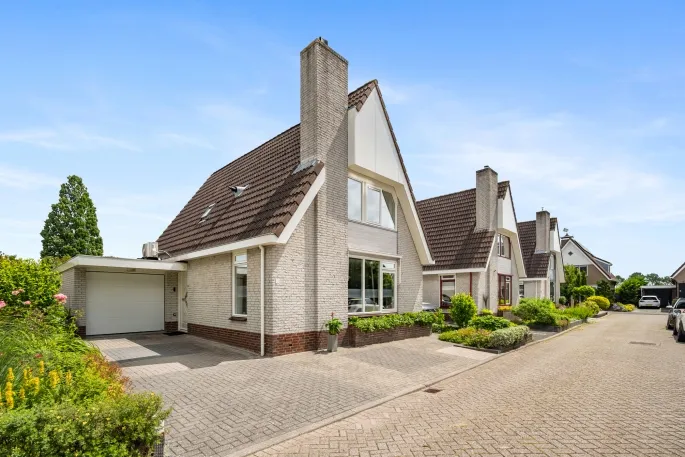
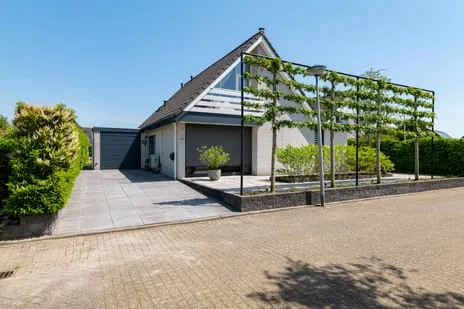
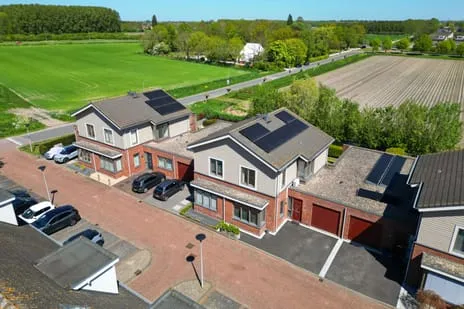
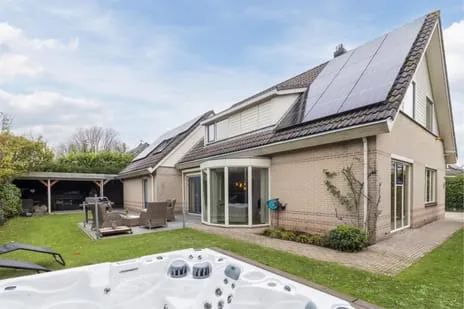
Den Bonsen Hoek is a distinct owner-occupied neighbourhood: 75% of the more than 2,620 homes are privately owned, only 25% are rental properties. The average WOZ value is €379,000, noticeably higher than the municipal average of €369,000 for Voorne aan Zee. This difference reflects the neighbourhood's appeal to buyers seeking a bit more space and quality. Over the past twelve months, 18 homes were sold for an average of €546,111, with a range from €349,500 to €1,075,000. On average, these are homes of around 136 m², indicating a predominantly ground-based housing stock: think semi-detached and detached houses rather than compact apartments. For current asking prices and the available supply of owner-occupied homes in Den Bonsen Hoek, see the overview at the top of this page.
Den Bonsen Hoek: a quiet neighbourhood with a clear profile
Living in Den Bonsen Hoek means living in a neighbourhood that is relatively older and stable. The largest age group consists of those aged 65 and over, accounting for more than 1,800 of the nearly 5,800 residents. Households without children are the most common, and over half of the residents are married. This gives the neighbourhood a calm, subdued character. On the neighbourhood page of Den Bonsen Hoek you will find resident reviews and scores per category. Residents appreciate the peace and green appearance of the neighbourhood, but also note the limited amenities for younger families and the restricted public transport connections in the evenings. One reviewer described it as: "Lovely and quiet, but you do need a car." That is honest and typical of this part of Voorne-Putten.
In terms of amenities, Den Bonsen Hoek is reasonably self-sufficient for daily shopping. There are supermarket options in the immediate vicinity, and primary schools are accessible within the neighbourhood or in adjacent areas. The neighbourhoods Kruis Hoeffe and Tolhoeck border Den Bonsen Hoek directly and offer additional facilities. For a wider range of shops, secondary schools, and specialised care, you will need to go to Hellevoetsluis or Spijkenisse. For sports, there are opportunities through local football and tennis clubs, and the proximity of the countryside makes walking and cycling attractive.
Accessibility by car is acceptable: via the N57 and N218 you can reach the A15 towards Rotterdam relatively quickly. Expect 35 to 45 minutes' drive to Rotterdam city centre outside rush hour. There is no train station in the immediate vicinity; the nearest train stations are Spijkenisse or Hellevoetsluis (with bus service). Bus connections run reasonably frequently during the day, but in the evening and at weekends the service is limited. Anyone considering buying an apartment in Den Bonsen Hoek should take into account that the supply of these is limited; the vast majority of owner-occupied homes are ground-based. Similar neighbourhoods such as Nieuwenhoorn or De Struyten offer a comparable living environment and are worth comparing.
For whom is buying in Den Bonsen Hoek the right choice?
Den Bonsen Hoek particularly attracts movers and seniors seeking peace, more living space, and who are not dependent on public transport. First-time buyers may find the entry level of €349,500 at the lower end achievable, but the average of over €546,000 makes this not a typical starter neighbourhood. When buying a house in Den Bonsen Hoek, take into account additional costs: transfer tax (2% for non-starters), notary fees, and possible estate agent fees. Supply is limited, so overbidding is realistic. Those wanting more flexibility can also look at rental properties in Den Bonsen Hoek as an interim solution.
Find current owner-occupied homes in Den Bonsen Hoek
Buurtje.nl combines the current housing supply with resident reviews and neighbourhood statistics, so you not only see a house but also get to know the area. Also check the supply in surrounding neighbourhoods such as Hellevoet, Nieuw-Helvoet or De Kooistee, or broaden your search to all owner-occupied homes in Voorne aan Zee. More about the municipality can also be found on the official website of the municipality of Voorne aan Zee.
Frequently asked questions
What is the average cost of a home in Den Bonsen Hoek?
Over the past twelve months, homes in Den Bonsen Hoek sold for an average of €546,111. The range was from €349,500 to €1,075,000, with an average living area of 136 m². The average WOZ value in the neighbourhood is €379,000, slightly above the municipal average of Voorne aan Zee.
What are the additional costs when buying a home in Den Bonsen Hoek?
In addition to the purchase price, as a non-first-time buyer you pay 2% transfer tax on the purchase price. On top of that, there are notary costs for the deed of transfer and the mortgage deed, usually together between €1,500 and €3,000. Also factor in possible estate agent fees and costs for a structural survey, which is certainly advisable in a neighbourhood with an older housing stock.
What types of homes are available for those looking to buy a home in Den Bonsen Hoek?
The supply consists mainly of ground-based homes: semi-detached houses and detached houses are the most common. Buying apartments in Den Bonsen Hoek is possible, but the supply is limited. The average home size of 136 m² confirms that these are mainly larger homes.
How is the accessibility from Den Bonsen Hoek?
By car, Den Bonsen Hoek is connected via the N57 and N218 to the A15, after which Rotterdam can be reached in 35 to 45 minutes outside rush hour. There is no own train station; the nearest train stations are in Spijkenisse or accessible via bus connections from Hellevoetsluis. Residents indicate that a car is practically indispensable, especially in the evenings and weekends.
Is Den Bonsen Hoek suitable for families with children?
The neighbourhood has primary school options in the immediate vicinity and borders neighbourhoods such as Logendal and Salem with additional facilities. For secondary schools, families rely on Hellevoetsluis or Spijkenisse. The neighbourhood has a quiet character and relatively many older residents, which can be a plus for families seeking peace, but means less play facilities for children in the immediate vicinity.