Homes for sale in Dordtse Biesbosch, Dordrecht
Discover the current supply of homes for sale in Dordtse Biesbosch and view neighbourhood data, resident reviews and market figures to determine if this neighbourhood suits you.



House prices and market figures for Dordtse Biesbosch, Dordrecht
The owner-occupied market in Dordtse Biesbosch is compact but striking. Of the 139 homes in the neighbourhood, 76% are owner-occupied, while 24% are owned by private landlords. There are no social housing properties. The average WOZ value is €342,000, exactly the same as the average for the surrounding district Verspreide bebouwing, but clearly higher than the Dordrecht average of €296,000. This difference reflects the unique location of this neighbourhood, directly bordering the Biesbosch nature reserve.
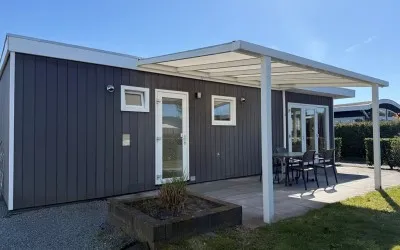
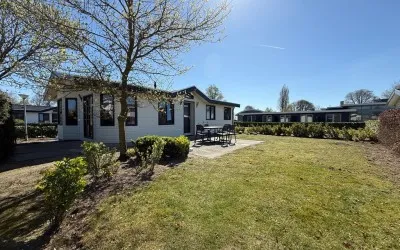
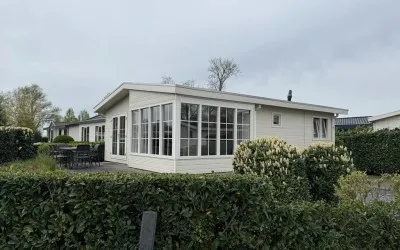
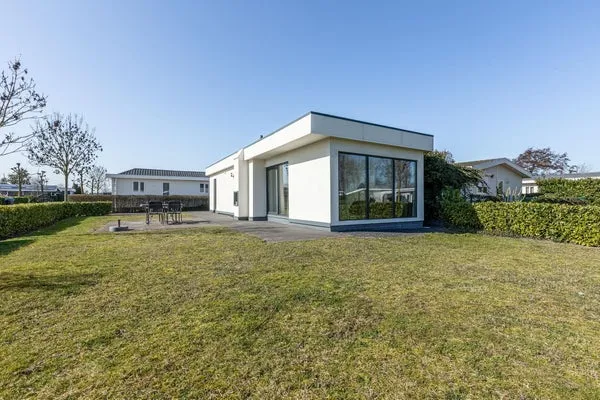
In the past twelve months, 10 homes were sold, with an average purchase price of €168,025. The range ran from €115,000 to €220,000. With an average living area of 116 m², this works out at a price of around €1,448 per square metre. That is relatively affordable compared to other neighbourhoods in Dordrecht. The supply mainly consists of detached and semi-detached homes, fitting the rural character of the neighbourhood. At the top of this page, you can see the current listings and the most recent asking prices.
Living in Dordtse Biesbosch, Dordrecht
Dordtse Biesbosch is no ordinary city district. With only 390 residents and a location directly adjacent to the national park of the same name, this is one of the most special places to own a home in the region. Those who live here consciously choose space, greenery and tranquillity, leaving the urban hustle and bustle of Dordrecht largely behind. This makes living in Dordtse Biesbosch fundamentally different from living in, say, the Binnenstad or Noordflank.
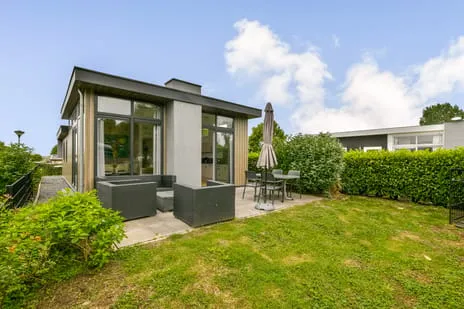
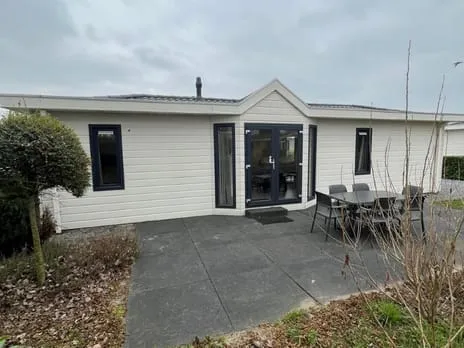
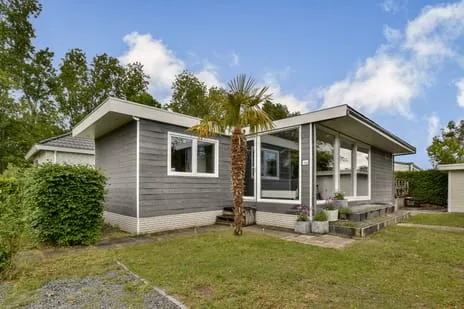
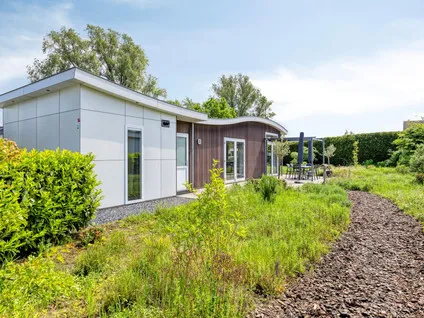
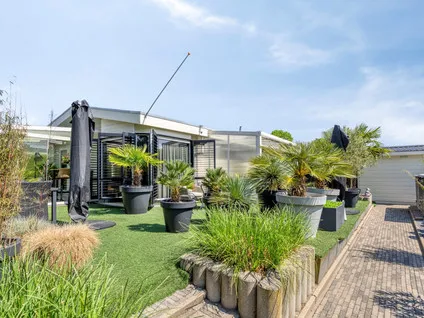
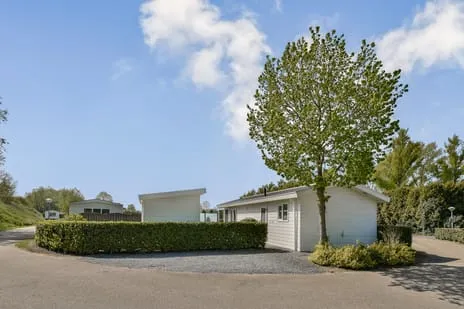
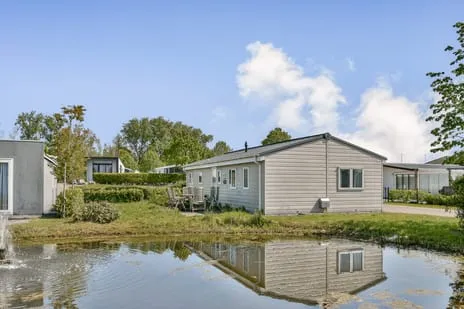
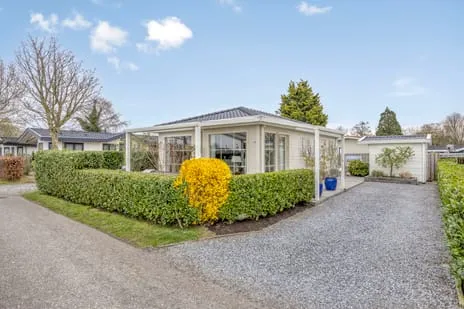
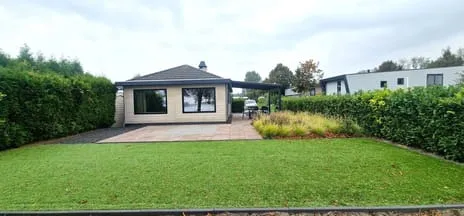
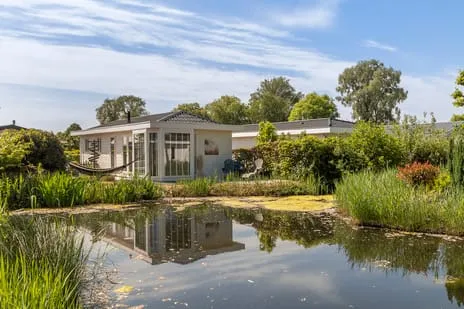
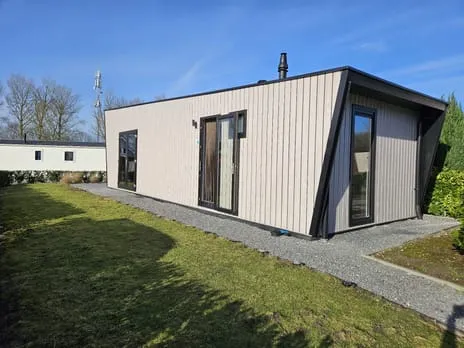
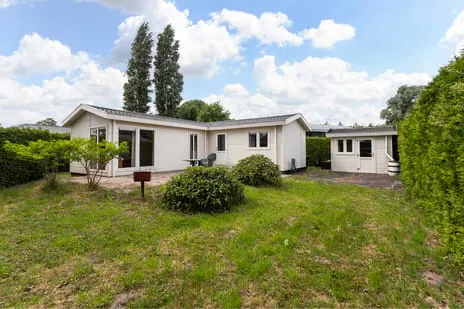
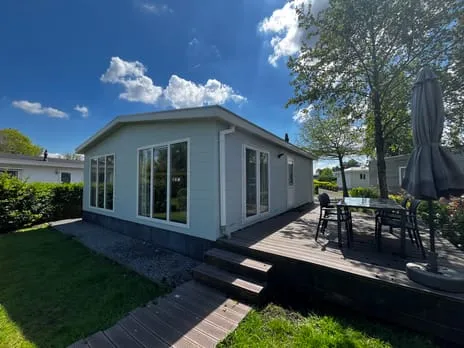
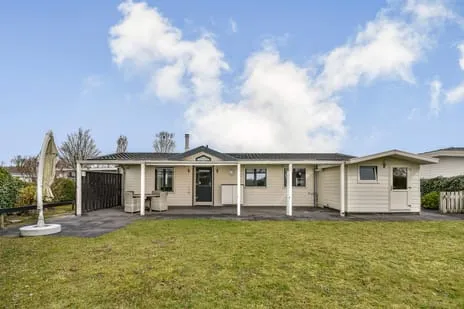
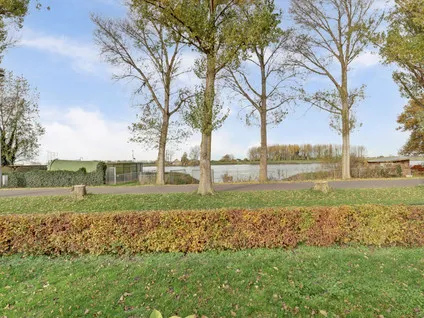
The development is scattered and largely small-scale. You will find detached homes, former farmhouses and recreational homes that are permanently occupied, often from the second half of the twentieth century. There are hardly any streets in the traditional sense; rather, they are dike roads and country lanes connecting the plots. The garden here literally borders reed fields, creeks or forests. This gives a feeling of living that you rarely encounter in a city.
There are virtually no amenities within walking distance. There is no supermarket, no primary school and no GP in the neighbourhood itself. For daily shopping, you drive to the southern edge of Dordrecht, towards the Sterrenburg shopping centre or the facilities in Dubbeldam. That is a point to be honest about: anyone who wants to live here is dependent on the car for almost everything. A bicycle is fine for recreation, but as a daily means of transport to the city, it requires fitness and good weather conditions.
In terms of accessibility by car, the location is reasonable. Via the N3 and the connection to the A16, you can reach the centre of Dordrecht or Dordrecht station in about ten to fifteen minutes, from where direct connections to Rotterdam, Utrecht and Breda depart. Public transport is limited in the neighbourhood itself; expect a bike or car ride to the nearest bus stop.
Residents particularly appreciate the tranquillity and nature. On the neighbourhood main page of Dordtse Biesbosch you will find all reviews and neighbourhood scores. One resident writes: "You live here as if you are on holiday, but just at home. No traffic, no noise, only birds and water." Criticism almost always focuses on the same point: the distance to amenities and the limited public transport. Those who consciously accept this will find a living place here that has little comparison with the rest of Dordrecht.
Compared to neighbouring areas such as Merwelanden and Bovenpolder, Dordtse Biesbosch is the most rural and least densely populated. Those neighbourhoods are also located in the district Verspreide bebouwing, but have a slightly different character, with more infrastructure and sometimes more recreational or commercial functions.
Who is a home in Dordtse Biesbosch interesting for?
This neighbourhood attracts people who consciously choose distance from the city, both literally and figuratively. The largest age group is 45 to 65 years, followed by those aged 65 and over. That says something about the profile of the typical buyer here: movers or people approaching retirement who prefer space and nature over urban convenience. Young families with school-age children must take into account the daily transport to school. First-time buyers find the supply limited and the prices, although lower than the WOZ value suggests, not always suitable for a first purchase. The supply varies greatly: on average, fewer than a dozen homes are sold per year, so patience is a requirement. Those considering renting as an intermediate step can also look at the rental homes in Dordtse Biesbosch, although that supply is equally scarce.
What residents say about Dordtse Biesbosch
Residents of Dordtse Biesbosch are generally satisfied with their living environment, particularly in terms of tranquillity, greenery and safety. Scores in those categories are consistently high in resident evaluations. Residents are less positive about accessibility and the lack of amenities in the immediate vicinity. One resident sums it up aptly: "Once you live here, you don't want to leave, but you have to know what you are giving up in terms of convenience." View all reviews and the full neighbourhood data on the page of Dordtse Biesbosch.
Compare homes for sale in and around Dordtse Biesbosch
Unsure if this neighbourhood suits you, or want to compare alternatives? On Buurtje.nl you will find not only the current housing supply but also neighbourhood scores, resident reviews and demographic data for every neighbourhood in Dordrecht. Also check out the broader supply of homes for sale in Dordrecht or explore other neighbourhoods in the district, such as 3e Merwedehaven or Oud Krispijn. For municipal information about living, permits and the environment, you can also visit the website of the municipality of Dordrecht. Buurtje.nl bundles supply from more than 1,500 sources, so you won't miss a home that suits you and this special neighbourhood.
Frequently asked questions
What is the cost of a home in Dordtse Biesbosch?
The average purchase price in Dordtse Biesbosch over the past twelve months was €168,025. The range ran from €115,000 to €220,000. With an average living area of 116 m², the price per square metre comes to approximately €1,448. This is relatively affordable for the Dordrecht region, although supply is limited and homes are not always publicly listed.
What is the WOZ value in Dordtse Biesbosch?
The average WOZ value in Dordtse Biesbosch is €342,000. This is equal to the average of the surrounding district Verspreide bebouwing (€342,000) and clearly higher than the municipal average of Dordrecht (€296,000). The difference from the municipal score reflects the special location and the predominantly detached housing stock in this neighbourhood.
What is living in Dordtse Biesbosch like?
Living in Dordtse Biesbosch means choosing peace, space and nature, directly bordering the Biesbosch National Park. The neighbourhood is sparsely populated (approximately 390 inhabitants) and has a rural character with scattered buildings. There are hardly any amenities in the neighbourhood itself; for daily shopping and schools you rely on the car towards Dordrecht. Residents appreciate the tranquillity and greenery, but mention the limited accessibility as a drawback.
Is Dordtse Biesbosch suitable for families with children?
The neighbourhood mainly attracts residents aged 45 and older; the largest age group is 45 to 65 years, followed by those over 65. Families with young children should take into account that there is no primary school or childcare in the neighbourhood itself. Daily travel to school requires a car or bicycle over a longer distance. The nature and space are attractive for children, but the logistics require preparation.
How accessible is Dordtse Biesbosch?
By car, Dordtse Biesbosch is reasonably accessible via the N3 towards Dordrecht and the connection to the A16. The centre of Dordrecht and Dordrecht station can be reached in about ten to fifteen minutes. Public transport is very limited in the neighbourhood itself; the nearest bus stops are some distance away. For daily commuting without a car, the neighbourhood is less practical.
What type of homes are for sale in Dordtse Biesbosch?
The housing supply in Dordtse Biesbosch mainly consists of detached and semi-detached houses, partly former farmhouses or rural homes. These are often houses from the second half of the twentieth century. Buying an apartment in Dordtse Biesbosch is virtually impossible; the supply is almost exclusively ground-based. The total number of homes in the neighbourhood is 139, of which 76% are owner-occupied.
Is there a lot of nature and greenery around Dordtse Biesbosch?
Yes, Dordtse Biesbosch directly borders the Biesbosch National Park, one of the largest freshwater tidal areas in Europe. Walking, cycling, canoeing and birdwatching are literally around the corner. For many residents, this is the main reason to buy in Dordtse Biesbosch. It makes the neighbourhood unique compared to almost all other neighbourhoods in Dordrecht.