Homes for sale in Drie Papegaaien, Wassenaar
Discover homes for sale in Drie Papegaaien, one of the most exclusive and quiet neighbourhoods in Wassenaar. View the current listings and neighbourhood data directly on this page.

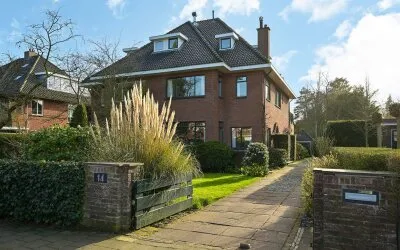


House prices and market figures Drie Papegaaien, Wassenaar
The owner-occupied market in Drie Papegaaien is among the most expensive in all of Wassenaar. Of the 425 homes in the neighbourhood, 76% are owner-occupied, while only 23% are rented out by private landlords. There are no social housing units. The average WOZ value is €1,189,000, comparable to the district average of the Zuidwestelijk deel der gemeente (€1,203,000), but more than one and a half times higher than the Wassenaar average of €730,000. That says a lot about the character of this neighbourhood.
In the past twelve months, 6 homes changed hands, with an average selling price of €2,217,000. The range was remarkably wide: from €725,000 to €7,850,000. With an average living area of 146 m², that works out to around €15,200 per square metre on average, although this varies greatly per property. The supply consists mainly of spacious detached villas and gentleman's residences. Current asking prices and selling times can be found at the top of this page.
Living in Drie Papegaaien, Wassenaar
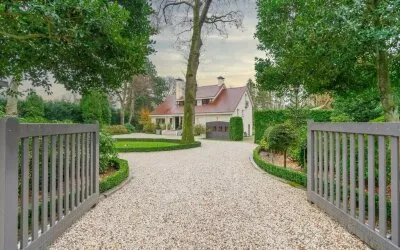
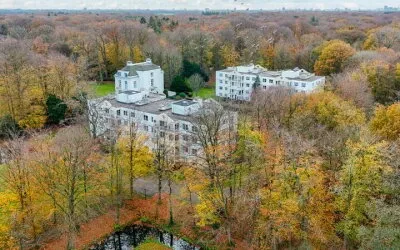
Drie Papegaaien is one of the quietest and most secluded neighbourhoods of Wassenaar. The streets are hidden behind high hedges and mature tree lines, the houses are set far back from the road, and most plots are generously sized. Those who live here consciously choose peace, privacy and a green living environment. It is not a neighbourhood you drive through by chance: Drie Papegaaien has no through roads, and that is exactly what residents appreciate.
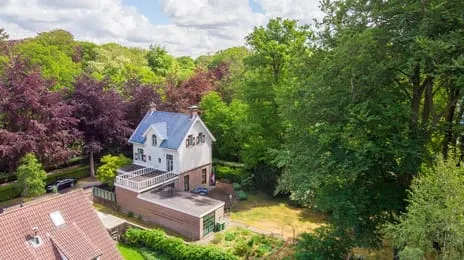
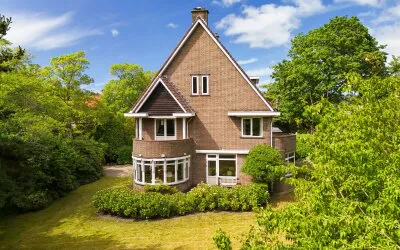
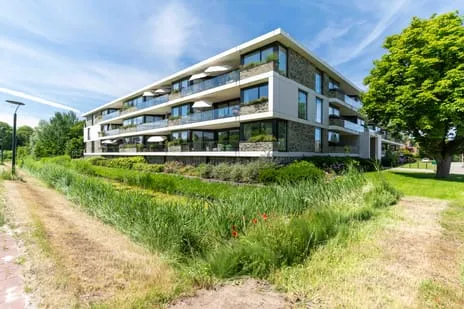
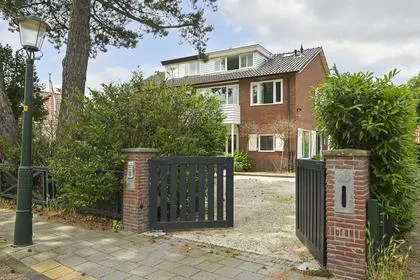
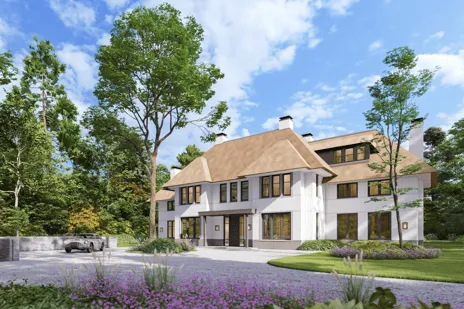
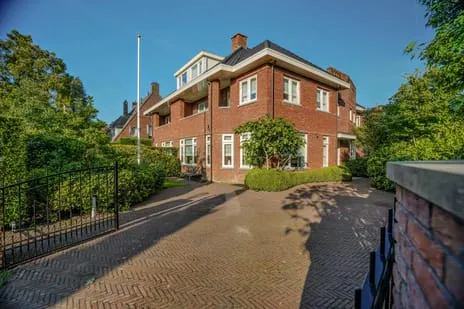
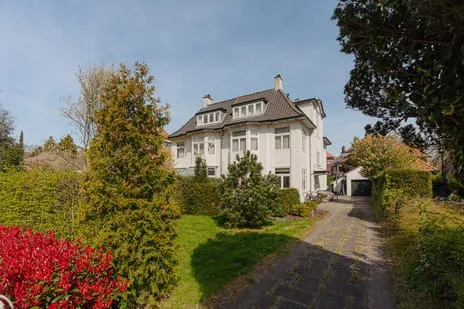
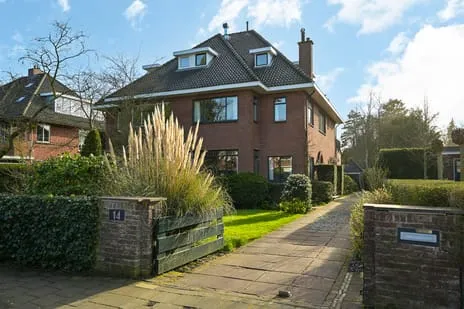
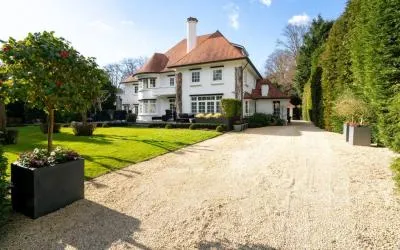
The housing stock consists largely of villas and large single-family homes, many built between the 1920s and 1960s. Architecturally, there is variety: from stately 1930s villas with thatched roofs to more modern extensions on large plots. New construction is rare. Anyone considering buying an apartment in Drie Papegaaien will notice that this type of home is hardly available here: the neighbourhood is almost entirely geared towards spacious ground-based homes.
In terms of amenities, the neighbourhood is deliberately kept simple. There are no supermarkets or shops in the neighbourhood itself, but the centre of Wassenaar with its local shops, bakers, butchers and speciality stores is within cycling distance. The Wassenaarse Slag and the dunes are a short distance away, as is the Clingendael estate with its Japanese garden. For daily groceries, residents usually drive to the centre or to The Hague. Primary schools in the area can be found in the centre of Wassenaar; for secondary education, families look towards Wassenaar or The Hague.
Accessibility by car is good: via the Rijksstraatweg and the A44 you are quickly on the motorway towards Amsterdam or The Hague. Public transport is more limited: bus lines run via Wassenaar to The Hague Central Station, but a car is practically indispensable for most residents. The Hague Central Station is about a twenty-minute drive away. Cyclists can reach the centre of Wassenaar via quiet routes in a quarter of an hour.
Residents describe the neighbourhood as exceptionally quiet and green. On the neighbourhood page of Drie Papegaaien you can read all reviews and neighbourhood scores. One resident writes: "You hardly hear any traffic here, only birds. That's exactly why we came to live here." Recurring criticisms are the limited walking distance to amenities and the relatively high cost of living in the area. Compared to neighbourhoods such as Oud-Wassenaar or Nieuw-Wassenaar, Drie Papegaaien is more compact and exclusive in character. De Kieviet and Oud-Clingendaal are similar neighbourhoods for those seeking a quieter and more secluded living environment within the Zuidwestelijk deel der gemeente.
Who is a home for sale in Drie Papegaaien interesting for?
Drie Papegaaien mainly attracts affluent home-movers, seniors and dual-income couples who consciously choose peace and space. The 45-65 age group is the largest (320 of the 900 residents), followed by those aged 65 and over (260). First-time buyers and young families are hardly represented, which is not surprising given the prices. Buying a home in Drie Papegaaien means taking into account an entry price that rarely falls below seven hundred thousand euros, and in practice is much higher. Overbidding is realistic for sought-after properties. Supply is scarce: only a handful of homes are sold per year. Those who want to be more flexible or first explore the neighbourhood can also look at rental homes in Drie Papegaaien as a temporary alternative.
What residents say about Drie Papegaaien
Residents particularly appreciate the peace, the green surroundings and the privacy the neighbourhood offers. Scores on safety and living environment are generally high; accessibility and amenities score somewhat lower, which matches the rural character of the neighbourhood. One resident puts it aptly: "This is not a neighbourhood for people who seek hustle and bustle, but if you want peace and space, there is little better in the region." View all ratings and partial scores on the neighbourhood overview page.
Compare homes for sale in and around Drie Papegaaien
On Buurtje.nl you will not only find the current housing supply from more than 1,500 sources, but also resident reviews, neighbourhood scores and district data that you won't find anywhere else in one place. This way you can properly assess whether living in Drie Papegaaien suits you before scheduling a viewing. Also compare the supply in the wider municipality via homes for sale in Wassenaar, see what is available in adjacent neighbourhoods such as Kerkehout or Duindigt met Groenendaal, or explore the Noordoostelijk deel der gemeente for a different living environment within Wassenaar. More information about the municipality can be found on the website of the municipality of Wassenaar.
Frequently asked questions
What does a home cost in Drie Papegaaien?
The average sale price in Drie Papegaaien over the past twelve months was €2,217,000, with an average living area of 146 m². That works out to approximately €15,200 per square metre. The range was wide: from €725,000 to €7,850,000, depending on the size, condition and location of the property.
What is the WOZ value in Drie Papegaaien?
The average WOZ value in Drie Papegaaien is €1,189,000. That is comparable to the average of the southwestern part of the municipality (€1,203,000), but more than 60% higher than the municipality-wide average of Wassenaar (€730,000). This reflects the exclusive character of the neighbourhood.
What is it like to live in Drie Papegaaien?
Drie Papegaaien is a quiet, green and secluded neighbourhood with predominantly detached villas on spacious plots. There is hardly any through traffic and the neighbourhood borders on estates and dune area. Residents appreciate the privacy and nature around the corner, but indicate that for daily shopping you have to go to the centre of Wassenaar or The Hague.
Is Drie Papegaaien suitable for families with children?
Families are in the minority in Drie Papegaaien: the neighbourhood has relatively few children (130 residents aged 0-15) and few young families (25-45 years). The high prices make it difficult for young families to get a foothold. Primary schools are accessible in the centre of Wassenaar, but the neighbourhood itself is not specifically geared towards them.
How accessible is Drie Papegaaien?
By car, Drie Papegaaien is easily accessible via the Rijksstraatweg and the nearby A44, with good connections to The Hague and Amsterdam. Public transport is limited: there are buses to The Hague Central Station, but a car is practically indispensable. The centre of Wassenaar can be reached by bicycle in about fifteen minutes.
What type of homes are for sale in Drie Papegaaien?
The supply consists almost exclusively of spacious detached villas and large single-family homes, mostly built between the 1920s and 1960s. Buying an apartment in Drie Papegaaien is hardly possible: this type of housing does not occur in the neighbourhood. The annual number of transactions is small, making supply scarce.
Is there a lot of green space and nature near Drie Papegaaien?
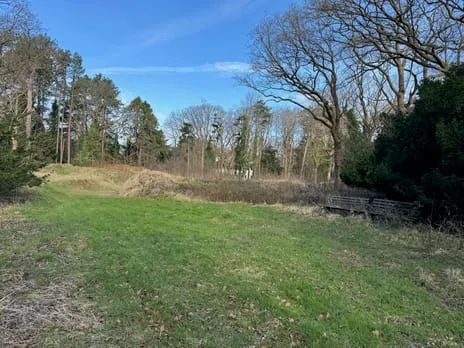
Yes, green space is one of the strongest assets of Drie Papegaaien. The neighbourhood borders on the Clingendael estate and the dunes towards the Wassenaarse Slag are a short distance away. The streets are spacious with mature trees and large gardens. This makes the neighbourhood attractive for those who value nature and tranquillity.