Homes for sale in Driehoekbuurt, Amsterdam
Discover homes for sale in Driehoekbuurt and view current listings, recent sale prices and neighbourhood data directly on this page.


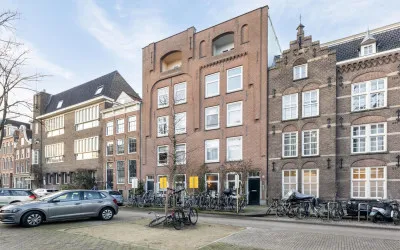
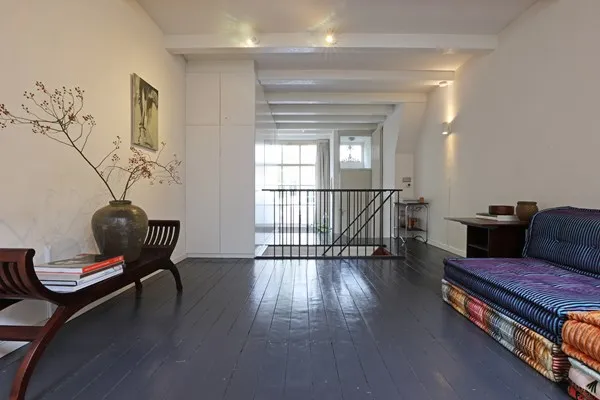
House prices and market figures for Driehoekbuurt, Amsterdam
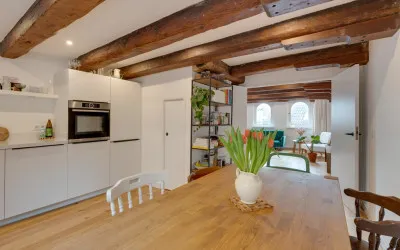
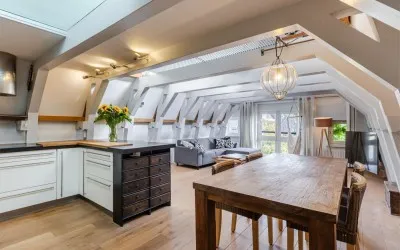
The owner-occupied market in Driehoekbuurt is compact but active. Of the more than 1,896 homes in the neighbourhood, only 26% are owner-occupied, compared to 73% rented. This limited supply of owner-occupied homes means there is fierce competition whenever something becomes available. The average WOZ value is €519,000, which is almost equal to the Amsterdam average of €517,000 but slightly lower than the district average of the Jordaan (€567,000). However, actual transaction prices are higher: over the past twelve months, 57 homes were sold with an average purchase price of €604,140. The range runs from €295,000 to €1,700,000, which reflects the diversity in supply well. With an average living area of 50 m², this works out at a price of over €12,000 per square metre. These are predominantly apartments in pre-war buildings, with the occasional upper-floor home or canal house. For current asking prices and available supply, you can consult the overview at the top of this page.
Living in Driehoekbuurt, Amsterdam
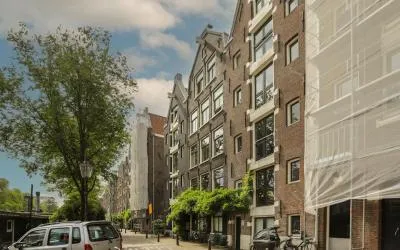
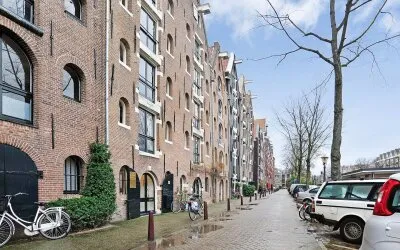
Driehoekbuurt is located in the heart of the Jordaan, wedged between the Lijnbaansgracht, Marnixstraat and Rozengracht. It is a neighbourhood that may not stand out at first glance, but once you live there, you know how pleasant it actually is. The streets are narrow, the facades old, and the atmosphere is one of down-to-earth urban life, without the tourist crowds that sometimes plague other parts of the Jordaan. The buildings largely date from the nineteenth and early twentieth centuries: narrow canal houses, former workers' homes converted into apartments, and here and there a building that still has its original layout. Spacious living it is not, but the location compensates for a lot.
For daily groceries, you go to the Albert Heijn on Rozengracht or Marnixstraat, and for the market, you walk to the Noordermarkt or Lindengracht. Along the Lijnbaansgracht and Singelgracht there is space to walk or cycle, although there is little greenery in the neighbourhood itself. Westerpark is easily reached by bike, and Vondelpark is a bit further but also easily accessible. For children, there are primary schools in the immediate vicinity, including schools on Anjeliersstraat and in the adjacent Anjeliersbuurt-Noord.
In terms of accessibility, Driehoekbuurt scores well. Tram lines 7 and 17 run along Rozengracht towards the city centre and Central Station, and via Marnixstraat you are quickly at Leidsekade or Leidseplein. By bike, you can reach Central Station in ten minutes. For motorists, the neighbourhood is less comfortable: parking is expensive and scarce, and the narrow streets do not invite driving. This is consistent with the residents: they are mainly young and middle-aged urbanites who consciously choose this kind of compact city life.
The neighbourhood attracts many highly educated singles and couples in the 25 to 45 age group, accounting for the largest group of residents. Families are less represented, which is also logical given the small living areas. On the neighbourhood main page of Driehoekbuurt you will find resident reviews and detailed neighbourhood data. Residents particularly appreciate the central location and the atmosphere of the neighbourhood. A frequently heard comment is: "You really live in the middle of the city here, but it still feels like a neighbourhood where people know each other." There is also criticism: the hustle and bustle on Rozengracht and the lack of parking space are regularly mentioned. Those who compare the neighbourhood with the nearby Bloemgrachtbuurt or Marnixbuurt-Noord will notice that Driehoekbuurt is slightly more affordable, but the supply is also more limited.
Is a home for sale in Driehoekbuurt right for you?
Buying in Driehoekbuurt is reserved for buyers with a substantial budget and a preference for urban, compact living. With an average transaction price of over €604,000 and an average area of 50 m², you have to be realistic: for this money you do not buy a spacious family home. First-time buyers purchasing an apartment in Driehoekbuurt will almost always face overbidding and limited supply. Upsizers and dual-income earners with a budget above €500,000 have the best chance. Families with children who need space would be better off looking at adjacent neighbourhoods or other districts. If buying is not feasible now, then the rental homes in Driehoekbuurt are an alternative, although the rental market here is also tight.
What residents say about Driehoekbuurt
Residents generally rate Driehoekbuurt positively. The location and atmosphere of the neighbourhood score highest, while parking and the hustle and bustle on through streets are cited as drawbacks. One resident writes: "I have lived here for five years now and would not want to be anywhere else. It is busy, it is sometimes noisy, but it just feels right." Would you like to read all the reviews and see how the neighbourhood scores on categories such as safety, greenery and amenities? Then check the full overview page of the Driehoekbuurt.
Comparing homes for sale in and around Driehoekbuurt
On Buurtje.nl you will find homes for sale in Driehoekbuurt brought together from more than 1,500 sources, supplemented with resident reviews and current neighbourhood data. This way you can compare not only homes but also neighbourhoods. Would you like a broader picture? Then also check the supply in the Jordaan as a whole, or explore adjacent neighbourhoods such as Zaagpoortbuurt and Anjeliersbuurt-Zuid. For an even wider search area, the overview of homes for sale in Amsterdam provides a complete starting point. Want to know more about living and staying in the city? The municipality provides practical information via amsterdam.nl.
Frequently asked questions
What does a home cost in Driehoekbuurt?
Over the past twelve months, 57 homes were sold with an average purchase price of €604,140. The range runs from €295,000 to €1,700,000. With an average living area of 50 m², the price per square metre comes to over €12,000. Overbidding is common in this neighbourhood, so expect a bid above the asking price.
What is the WOZ value in Driehoekbuurt?
The average WOZ value in Driehoekbuurt is €519,000. This is almost equal to the Amsterdam average of €517,000, but slightly lower than the district average for Jordaan (€567,000). Actual transaction prices are higher than the WOZ value, which is in line with the tight Amsterdam housing market.
What is it like to live in Driehoekbuurt?
Living in Driehoekbuurt means life in a compact, urban environment in the heart of Jordaan. The neighbourhood has a down-to-earth character with pre-war buildings, narrow streets, and a mix of long-term residents and newcomers. Residents appreciate the central location and neighbourhood atmosphere, but mention parking and traffic on through roads as drawbacks.
Is Driehoekbuurt suitable for first-time buyers and young buyers?
Driehoekbuurt attracts many young, highly educated urbanites, but buying a home in Driehoekbuurt is financially challenging for first-time buyers. With an average transaction price of over €604,000 and limited owner-occupied housing stock (only 26% of the housing stock is for sale), competition is fierce. Dual-income couples with a solid joint income have the best chance.
How accessible is Driehoekbuurt?
Driehoekbuurt is well accessible by public transport. Tram lines 7 and 17 run along Rozengracht towards the city centre and Central Station. By bike, you can reach Central Station in about ten minutes. For motorists, the neighbourhood is less practical: parking is scarce and expensive, and the narrow streets are not designed for car traffic.
What types of homes are for sale in Driehoekbuurt?
The supply consists almost exclusively of apartments in pre-war buildings, ranging from former workers' homes to canal houses. The homes average 50 m² in size. Upper-floor apartments and basement apartments also occur. Spacious single-family homes are rare in this neighbourhood. The homes are predominantly from the nineteenth and early twentieth centuries.
Is there much green space and are there good schools in Driehoekbuurt?
Green space is scarce in Driehoekbuurt itself, but Westerpark is quickly reachable by bike and there is space for walking along the Singelgracht. For primary education, there are schools in the immediate vicinity, including in the adjacent Anjeliersbuurt. Families looking for more green space and room often look at other districts or surrounding municipalities.