Homes for sale in Het Hoog, Lingewaard
Discover the current supply of homes for sale in Het Hoog and find the home that suits the neighbourhood. View prices, selling times and neighbourhood data directly on this page.
House prices and market figures for Het Hoog, Lingewaard
In Het Hoog, buying is the norm: 75% of the housing stock is owner-occupied, and this is reflected in the character of the neighbourhood. The average WOZ value is €373,000, almost equal to the municipal average of Lingewaard (€372,000) but slightly lower than the district average of Bemmel (€394,000). This difference indicates that Het Hoog is relatively more affordable than some other parts of the district.
Looking at actual transactions, purchase prices are significantly higher. In the past twelve months, 27 homes changed hands, with an average purchase price of €620,926. The range runs from €350,000 to €1,295,000, indicating that both more affordable homes and substantial detached houses are present in the neighbourhood. With an average living area of 164 m², this works out to a price of approximately €3,786 per square metre. The supply mainly consists of larger family homes. Check the current listings and asking prices at the top of this page for the most recent market situation. Would you also like to compare homes for sale in the municipality of Lingewaard? You will find a broader overview there.
Living in Het Hoog, Lingewaard
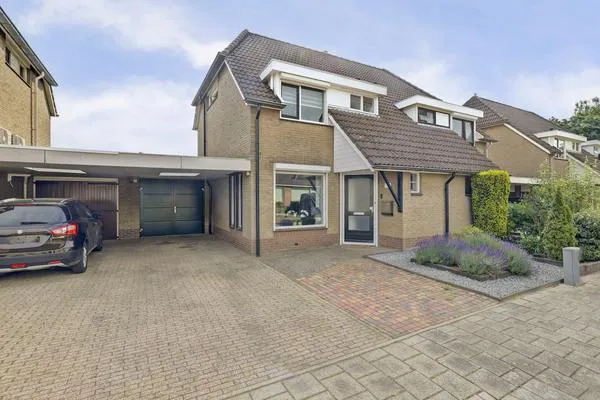
Het Hoog is a quiet residential neighbourhood on the edge of Bemmel, with a predominantly green and village-like character. The housing mainly consists of larger family homes, partly detached or semi-detached, built from the 1980s and 1990s. Streets are wide, front gardens are present, and there is relatively little traffic. This makes the neighbourhood attractive for people seeking the tranquillity of the Gelderland countryside without being completely cut off from amenities.
Facilities in and directly around Het Hoog are well in order. Bemmel centre, within cycling distance, offers a supermarket, pharmacy, GP practice and various shops for daily groceries. Primary education is available nearby through schools in Bemmel, and you hardly need to leave the village for sports activities either. Football club DESO and other local clubs are active in the neighbourhood. Green spaces are present in the form of verges, parks and the proximity of the rural area, although some residents feel there could be more greenery: the green score of 7.0 is the lowest sub-score in the neighbourhood rating.
In terms of accessibility, Het Hoog scores well. Via the N839 and the connection to the A15, you can quickly reach Nijmegen (about ten to fifteen minutes by car) or Tiel. Bus connections from Bemmel run to Nijmegen Central, from where train connections continue. Cycling to the centre of Bemmel takes no more than five minutes. The accessibility score from residents stands at 9.0, one of the highest sub-scores.
Resident Thijn describes the neighbourhood succinctly: "It is a quiet neighbourhood to live in and has all the amenities." That sums up the atmosphere well. The overall resident rating is 8.2 out of 10, with safety (9.0) and facilities (9.0) scoring highest. The neighbourhood feels safe and well-organised, something that weighs heavily for many buyers in this stage of life. View all reviews and neighbourhood data on the information page for Het Hoog.
Compared to neighbourhoods such as Centrum Bemmel, Het Hoog is quieter and less centrally located, but also more spacious and greener in layout. Klaverkamp-Klein Rome and Plakse Wei are other neighbourhoods in the same district that are similar in character but have a different housing supply. If you want to see the bigger picture, the page about homes for sale in Bemmel offers a good starting point.
Is a home in Het Hoog right for you?
Het Hoog mainly attracts families and people between 45 and 65 years old, which is also evident from the demographic figures: this age group is the largest with 660 people. The neighbourhood is less suitable for first-time buyers looking for an affordable apartment, as the supply mainly consists of larger homes with purchase prices averaging over six hundred thousand euros. Movers and those who consciously choose peace, space and a strong community score (8.0) will quickly feel at home here. However, be prepared for a competitive market: with 27 transactions in a year and a relatively limited stock, overbidding may be necessary. If you are considering renting, also check the supply of rental homes in Het Hoog as an intermediate option.
What residents say about Het Hoog
Het Hoog receives an overall score of 8.2 out of 10, based on resident experiences. The highest scores go to safety (9.0), accessibility (9.0) and facilities (9.0). Green spaces score lowest at 7.0. Resident Thijn writes: "It is a quiet neighbourhood to live in and has all the amenities." That image of a neighbourhood that works well functionally while feeling quiet is echoed in more reviews. Read all reviews and view the full neighbourhood scores on the neighbourhood page for Het Hoog.
Compare homes for sale in and around Het Hoog
Buurtje.nl bundles housing supply from more than 1,500 sources and links it to resident reviews and neighbourhood data, so you not only find a home but also know whether the neighbourhood suits you. Compare Het Hoog with neighbourhoods such as Boswei or Oostervelden, or broaden your search area to districts like Huissen and Gendt. More information about the municipality can be found on the website of Lingewaard municipality.
Frequently asked questions
What is the cost of a home in Het Hoog?
The average purchase price of a home in Het Hoog over the past twelve months was €620,926. Prices ranged from €350,000 to €1,295,000. With an average living area of 164 m², you pay approximately €3,786 per square metre. These are mainly larger single-family homes, not apartments.
What is the WOZ value in Het Hoog?
The average WOZ value in Het Hoog is €373,000. This is almost equal to the municipal average of Lingewaard (€372,000) and slightly lower than the district average of Bemmel (€394,000). The WOZ value indicates the estimated market value for tax purposes and often differs from the actual sale price.
What is it like to live in Het Hoog?
Living in Het Hoog is quiet and orderly. The neighbourhood has a village character with spacious homes, wide streets and a safe living environment. Residents give the neighbourhood an overall score of 8.2 out of 10, with high scores for safety, accessibility and amenities. Resident Thijn describes it as: 'It is a quiet neighbourhood to live in and has all the conveniences.'
Is Het Hoog suitable for families with children?
Het Hoog is certainly suitable for families. The neighbourhood is safe (score 9.0), quiet and has primary schools and sports clubs in the immediate vicinity. The homes are on average spacious (164 m²), which suits family use. The largest population group is 45-65 years old, but young families also find their way here. However, purchase prices are relatively high, making it more difficult for first-time buyers.
How accessible is Het Hoog?
The accessibility of Het Hoog scores 9.0 among residents, one of the highest sub-scores. Via the N839 and the connection to the A15, you can reach Nijmegen in ten to fifteen minutes. Bus connections from Bemmel run to Nijmegen Central. The centre of Bemmel is a few minutes away by bike. For daily travel, the neighbourhood is well connected.
What type of homes are for sale in Het Hoog?
The supply in Het Hoog mainly consists of larger single-family homes, including detached houses and semi-detached houses. The buildings largely date from the 1980s and 1990s. Buying an apartment in Het Hoog is hardly an option; the housing stock is almost entirely ground-based. With an average area of 164 m², these are relatively spacious homes.
How safe is Het Hoog and what is the social cohesion like?
Safety is Het Hoog's strongest asset: residents give it a score of 9.0 out of 10. The neighbourhood is small and orderly, with around 2,070 residents, which contributes to a sense of social control. The community score is 8.0, indicating that residents know each other and there is a certain cohesion. The percentage of married households (47%) fits a stable, established residential community.
It's a quiet neighbourhood to live in and has all the amenities.
Auto-translated to English by AI