Homes for sale in Jacob Geelbuurt, Amsterdam
Discover the current supply of homes for sale in Jacob Geelbuurt and view neighbourhood data, resident scores and market figures to determine if this Amsterdam neighbourhood suits you.

House prices and market figures Jacob Geelbuurt, Amsterdam
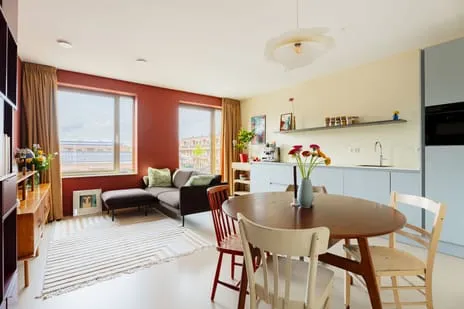
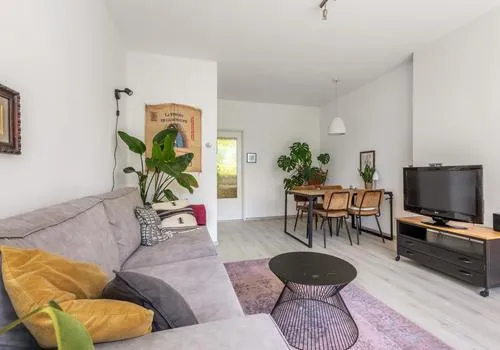
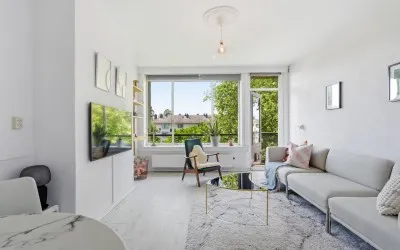
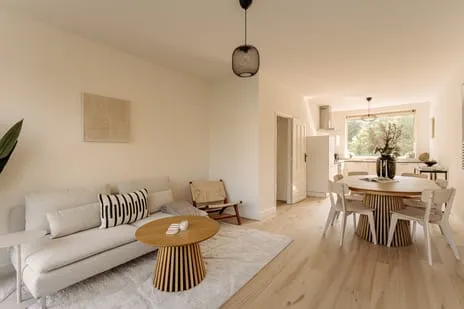
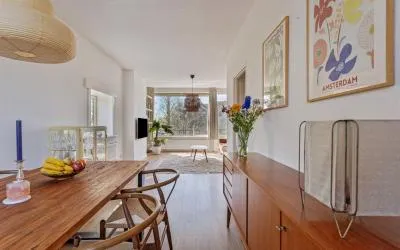
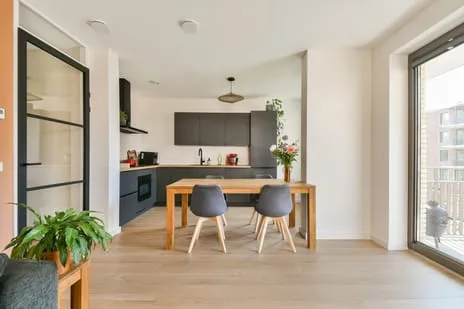
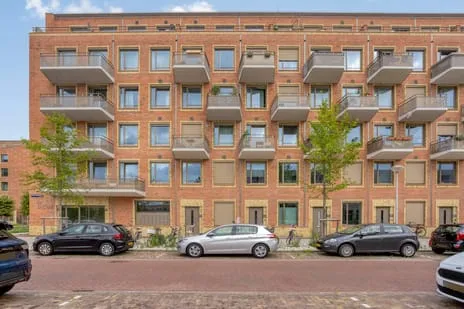
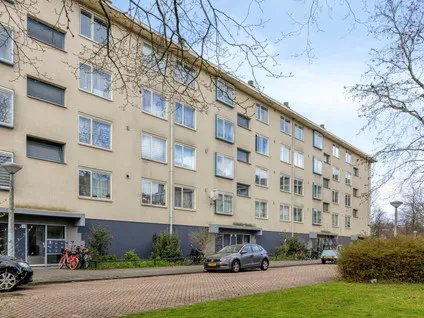
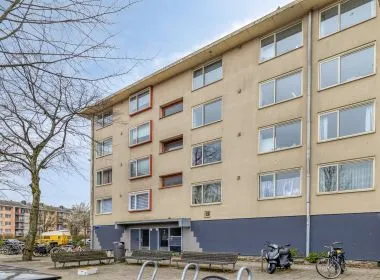
The Jacob Geelbuurt is essentially a rental neighbourhood. Of the 1,305 homes, only 7% are owner-occupied, while as many as 63% are owned by a housing association. This makes the supply of owner-occupied homes in Jacob Geelbuurt scarce, and scarcity comes at a price. Over the past twelve months, 16 homes were sold at an average purchase price of €425,938. The range runs from €335,000 to €950,000, with an average living area of 63 m². That works out to about €6,760 per square metre. The WOZ value is €363,000, which is clearly lower than the district average of Slotervaart-Noord (€458,000) and well below the Amsterdam average of €517,000. The difference between the WOZ value and the average sale price shows that the limited supply drives up prices as soon as something becomes available. It is almost exclusively apartments, fitting the porch flats and gallery buildings that define the streetscape. For current asking prices and available properties, you can consult the overview at the top of this page.
Living in Jacob Geelbuurt, Amsterdam
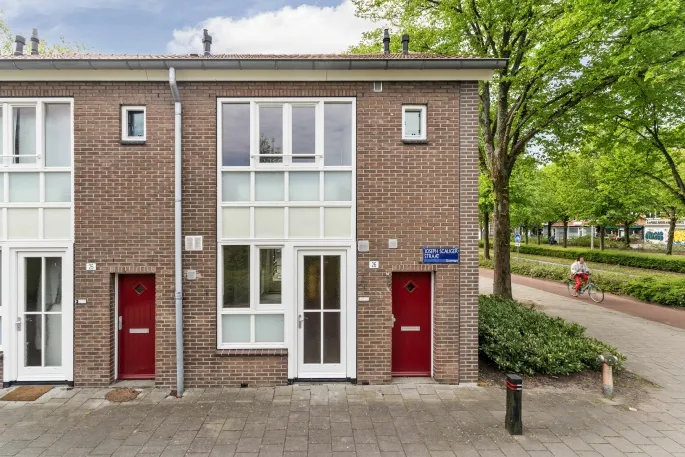
Jacob Geelbuurt is located in the western part of Amsterdam, wedged between the Slotervaart and the broader district Slotervaart-Noord. It is a post-war neighbourhood, built in the 1950s and 1960s as part of the large-scale western garden city plans. This is reflected in the spatial layout: wide streets, green strips between the apartment blocks, and plenty of open space at street level. The neighbourhood scores a 7.0 for green space in resident reviews, which is a strong point for an urban environment.
Yet Jacob Geelbuurt is not the neighbourhood everyone has in mind when they say they want to live in Amsterdam. The overall neighbourhood score stands at 5.9 out of 10, based on resident reviews via the Jacob Geelbuurt neighbourhood page. The low scores for accessibility (4.0) and amenities (4.5) tell an honest story: the neighbourhood is not directly on a metro line, and the immediate area has few shops or restaurants within walking distance. For daily groceries, residents rely on the Osdorp shopping centre or the Jan van Galenstraat area, both a short bike ride away. GVB bus lines connect the neighbourhood to the rest of the city, but travellers to the centre can expect a journey of twenty to twenty-five minutes. By car, the A10 is reasonably accessible via the Slotervaartweg.
Residents are divided on the atmosphere. One reviewer writes candidly: "A restless neighbourhood with many unstable families. There are genuinely friendly people living here, but due to the decline of this neighbourhood, you see that people live on islands. Little genuine involvement." That image of a neighbourhood where people live alongside each other without much cohesion recurs. At the same time, another resident gives the neighbourhood a 7.1 and seems to have little issue with it. The community score of 6.0 and safety score of 6.0 confirm that it is not a problem area, but neither does it have a close-knit community. Education scores notably high at 8.0, which can be relevant for young families.
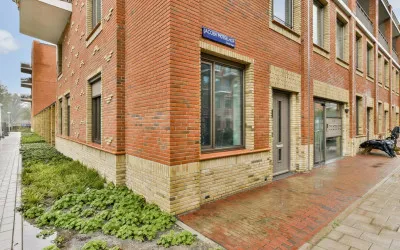
In terms of housing types, the post-war flat apartment dominates, with porch flats and some gallery buildings. This distinguishes Jacob Geelbuurt from neighbourhoods like Emanuel van Meterenbuurt, where the building stock is more varied, or Oostoever Sloterplas, which is closer to the water and recreational area. For those seeking more urban dynamism, districts like the Haarlemmerbuurt or the Jordaan offer a very different character, but also a significantly higher price level.
Is buying in Jacob Geelbuurt right for you?
Buying a home in Jacob Geelbuurt is most interesting for starters who are willing to accept a neighbourhood that is still developing, and who see the lower WOZ value as an entry opportunity in Amsterdam. The average sale price of nearly €426,000 is relatively accessible by Amsterdam standards, especially compared to the municipal average. Families with children can benefit from the high education score, but must take into account limited direct amenities and a somewhat diffuse neighbourhood atmosphere. The supply is small: only a handful of homes are sold per year. Overbidding is realistic as soon as something becomes available. If in doubt, you can also look at rental homes in Jacob Geelbuurt as an alternative to get to know the neighbourhood first.
What residents say about Jacob Geelbuurt
The average neighbourhood score is 5.9 out of 10, based on resident reviews. The highest sub-score is education (8.0), followed by green space (7.0). The lowest scores go to accessibility (4.0) and amenities (4.5). One resident describes the situation as follows: "There are genuinely friendly people living here, but people live on islands. Little genuine involvement." That gives a realistic picture of a neighbourhood that is functional but lacks a strong social fabric. Read all reviews and view the full neighbourhood data on the Jacob Geelbuurt overview page.
Compare owner-occupied homes in and around Jacob Geelbuurt
Buurtje.nl bundles the housing supply from more than 1,500 sources and links it to resident reviews and district data, so you not only search for a home but also understand whether a neighbourhood suits you. View the full range of owner-occupied homes in Slotervaart-Noord for a broader picture of the district, or compare with the total supply of owner-occupied homes in Amsterdam. Those specifically looking in this part of the city can also compare the neighbourhoods Oostoever Sloterplas and Emanuel van Meterenbuurt. For municipal information about the neighbourhood and surroundings, see also amsterdam.nl.
Frequently asked questions
What is the cost of a home in Jacob Geelbuurt?
Over the past twelve months, the average purchase price in Jacob Geelbuurt was €425,938. The range runs from €335,000 to €950,000, with an average living area of 63 m². That works out to a price of about €6,760 per square metre. Supply is scarce, with only 16 sales in a year, so overbidding is realistic for popular homes.
What is the WOZ value in Jacob Geelbuurt?
The average WOZ value in Jacob Geelbuurt is €363,000. That is clearly below the district average of Slotervaart-Noord (€458,000) and well below the Amsterdam average of €517,000. The lower WOZ value reflects the post-war construction quality and the predominantly social housing character of the neighbourhood, but actual sale prices are higher due to the tight housing market.
What is it like to live in Jacob Geelbuurt?
Jacob Geelbuurt is a post-war flat neighbourhood with a quiet, somewhat detached character. Residents appreciate the greenery (score 7.0) and the schools in the area (score 8.0), but are more critical of accessibility (4.0) and the range of amenities (4.5). The overall neighbourhood score stands at 5.9 out of 10. Residents describe the area as a place where people live alongside each other without much mutual involvement.
Is Jacob Geelbuurt suitable for starters or families?
For starters considering buying an apartment in Jacob Geelbuurt, the neighbourhood offers a relatively accessible price level by Amsterdam standards. Families can benefit from the high education score (8.0), although direct amenities are limited. The neighbourhood has a relatively high number of single-person households and a large group of 25- to 45-year-olds, indicating a younger, individual living profile. Seniors will find the limited accessibility and amenities a drawback.
How is the accessibility of Jacob Geelbuurt?
Accessibility scores the lowest in resident ratings: a 4.0 out of 10. The neighbourhood is not directly on a metro or train line and is mainly dependent on GVB bus routes. Travel to Amsterdam city centre quickly takes twenty to twenty-five minutes. By car, the A10 is accessible via the Slotervaartweg. By bike, the city is easily reachable, but for residents reliant on public transport, the location is less favourable.
What type of homes are for sale in Jacob Geelbuurt?
The owner-occupied housing supply in Jacob Geelbuurt consists almost exclusively of apartments in post-war flat buildings, built in the 1950s and 1960s. Think of porch flats and gallery apartments with an average area of around 63 m². Single-family homes or detached houses are hardly found in this neighbourhood. Only 7% of the total housing stock is owner-occupied, which keeps supply structurally limited.
How are the schools and amenities in Jacob Geelbuurt?
Education is notably well-rated by residents: an 8.0 out of 10, the highest sub-score of the neighbourhood. Primary schools are available in the immediate vicinity. For daily groceries and broader amenities, residents rely on nearby shopping areas such as the Jan van Galenstraat area or Osdorp shopping centre, both within cycling distance. The amenities score of 4.5 indicates that the neighbourhood itself has few shops or restaurants.
I said it already
Auto-translated to English by AIPartly due to nuisance from next-door neighbours (which borders on harassing behaviour), I feel powerless against negative behaviour and intimidation from others. There are genuinely friendly people, but due to the decline of this neighbourhood, you see/sense that people live on islands. Little genuine involvement or social behaviour from others, little empathy or taking responsibility for one's own behaviour, aggression/aggressive behaviour, and that makes the living environment (also indoors) offer little to no safety. I write from daily experience and it is sickening. The housing shortage and rules offer no other escape options. Very sad.
Auto-translated to English by AI