Homes for sale in Jan Maijenbuurt, Amsterdam
Discover the current supply of homes for sale in Jan Maijenbuurt and compare prices, neighbourhood data, and resident reviews to determine if this Amsterdam neighbourhood suits you.
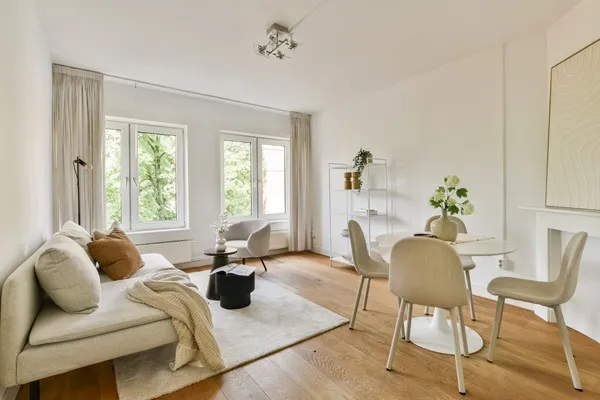
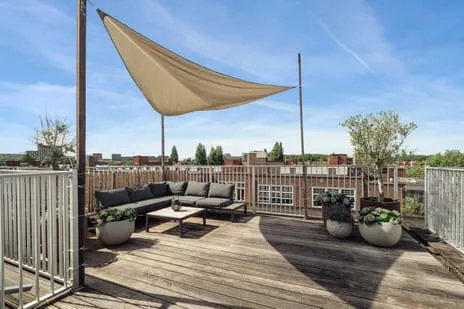

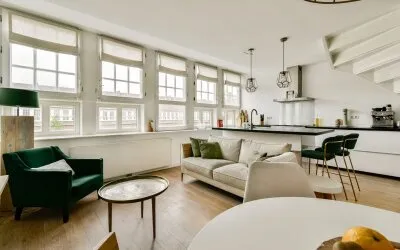
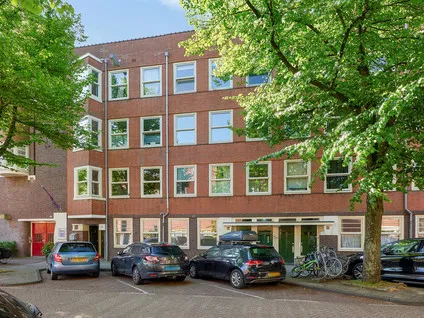
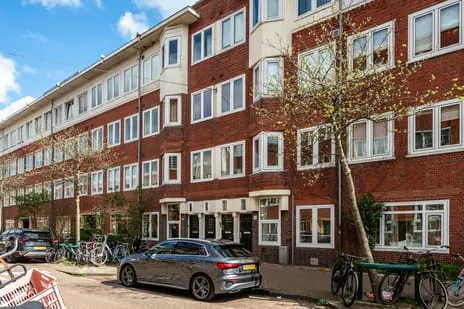

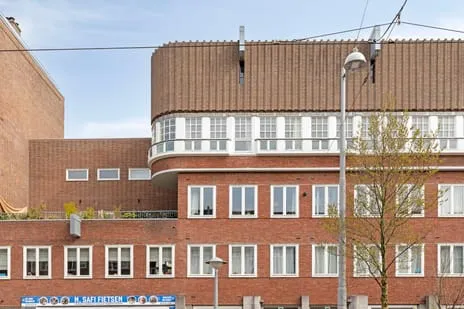
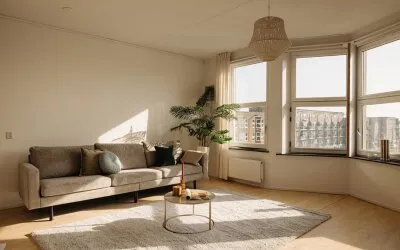

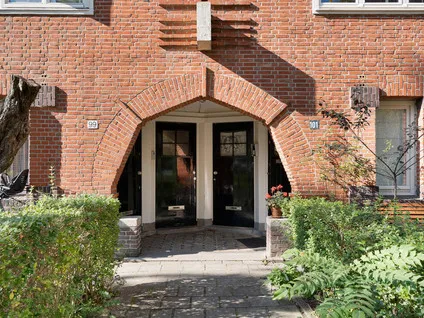
House prices and market figures for Jan Maijenbuurt, Amsterdam
Jan Maijenbuurt is predominantly a rental neighbourhood: only 21% of the more than 1,300 homes are owner-occupied, compared to 78% rented. More than half of all homes are owned by a housing association. This makes the owner-occupied segment relatively small, which contributes to scarcity and price pressure. The average WOZ value is €443,000, slightly below the district average of Van Galenbuurt (€455,000) and clearly below the Amsterdam average of €517,000. This difference makes the neighbourhood relatively accessible for those looking to buy in Amsterdam, although transaction prices are higher than the WOZ values suggest.
In the past twelve months, 26 homes were sold at an average purchase price of €498,808. The range runs from €400,000 to €1,095,000, indicating that both compact apartments and larger homes change hands. With an average living area of 54 m², this works out to a price of around €9,200 per square metre. These are mainly porch flats and maisonettes from the 1930s and 1940s, with occasionally a larger upstairs home. At the top of this page, view the current asking prices and average time on market for the most recent market situation.
Living in Jan Maijenbuurt, Amsterdam
Jan Maijenbuurt is located in the western part of Amsterdam, wedged between Jan van Galenstraat, Haarlemmerweg and the railway line towards Sloterdijk. It is a compact, densely built neighbourhood with a distinctly urban character, but without the hustle and bustle of the city centre. The streets are named after polar explorers and discoverers, giving the neighbourhood a slightly adventurous edge that not everyone immediately notices.
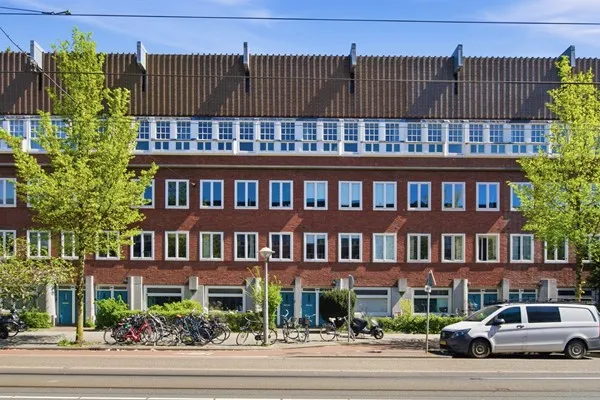
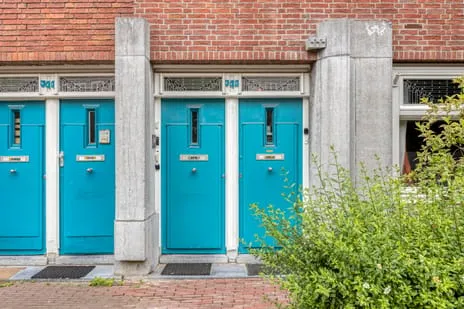
The buildings largely consist of pre-war porch flats and narrow canal houses along Jan van Galenstraat. Most owner-occupied homes are walk-up apartments without lifts, with relatively small living areas. Those looking for a garden or garage will largely be disappointed here. That suits the residents: the largest group is between 25 and 45 years old, and the vast majority live as single-person households. Only 19% are married, which sets the tone: it is a neighbourhood of young professionals and singles, not families with children.
For daily shopping, there is plenty in the area. On Jan van Galenstraat and Bilderdijkstraat you will find supermarkets, bakeries and small specialist shops. Jan van Galenterrein, a former industrial estate on the north side of the neighbourhood, has been transformed in recent years and attracts creative entrepreneurs and catering establishments. There is less green space than you might be used to in some Amsterdam neighbourhoods, but Rembrandtpark is easily reachable by bike and offers space to catch your breath.
In terms of accessibility, the neighbourhood scores well. Tram lines 7 and 13 run along Jan van Galenstraat and take you to the city centre in a quarter of an hour. Sloterdijk station is within cycling distance and offers direct connections to Schiphol, Utrecht and other major cities. The A10 ring road is quickly accessible via Haarlemmerweg, making the neighbourhood attractive for commuters with a car. Parking is a point of attention: paid parking applies here all day, and a private parking spot with an owner-occupied home is rare.
On the neighbourhood main page of Jan Maijenbuurt you can read what residents themselves think of their neighbourhood. A recurring theme in the reviews is the location: "You are really at a junction here. Within ten minutes you are in the Jordaan, but it is much quieter here and you pay less." At the same time, there is criticism of the narrow pavements, parking pressure and lack of green space directly on the street. Compared to neighbouring communities such as Mercatorpark and Orteliusbuurt-Noord, Jan Maijenbuurt has a slightly more urban and less quiet character. Those looking for more green space and room are better off looking at John Franklinbuurt further along in the district.
Who is an owner-occupied home in Jan Maijenbuurt interesting for?
Jan Maijenbuurt mainly attracts young professionals and couples who want to buy in Amsterdam without paying the absolute top prices of the Jordaan or Grachtengordel-West. With an average transaction price just under half a million and small living areas, this is not a neighbourhood for families who need space. First-time buyers must take into account overbidding: supply is limited and demand is structurally high. Those who want to start flexibly can also look at rental homes in Jan Maijenbuurt as an intermediate step. A disadvantage to honestly mention: 48% of residents have a high level of education and the neighbourhood is popular, which means bidding processes can quickly rise above the asking price.
What residents say about Jan Maijenbuurt
Residents appreciate the central location, good public transport connections and lively streets with local catering and shops. Less popular are the parking pressure and limited green space in the immediate vicinity. One resident describes it as follows: "It is not a neighbourhood to boast about, but it is a neighbourhood where you live comfortably. Everything is close by, the neighbours know each other and it feels safer than you might think at first glance." View all reviews and partial scores on the Jan Maijenbuurt overview page, where residents rate the neighbourhood on safety, facilities, green space and atmosphere.
Compare owner-occupied homes in and around Jan Maijenbuurt
Buurtje.nl combines housing supply from more than 1,500 sources with resident reviews and neighbourhood data, so you not only choose a home but also understand the neighbourhood before making an offer. Compare Jan Maijenbuurt with the rest of Van Galenbuurt, view the broader supply of owner-occupied homes in Amsterdam, or explore adjacent districts such as Haarlemmerbuurt and Jordaan. More information about living and residing in the municipality can also be found on the website of the municipality of Amsterdam.
Frequently asked questions
What does a home cost in Jan Maijenbuurt?
In the past twelve months, 26 homes were sold in Jan Maijenbuurt, with an average purchase price of €498,808. Prices ranged from €400,000 to €1,095,000. With an average living area of 54 m², this works out to around €9,200 per square metre. Keep in mind that overbidding is common in this neighbourhood due to the limited owner-occupied segment.
What is the WOZ value in Jan Maijenbuurt?
The average WOZ value in Jan Maijenbuurt is €443,000. This is slightly below the average for the broader Van Galenbuurt district (€455,000) and clearly below the Amsterdam average of €517,000. The neighbourhood is therefore relatively affordable by Amsterdam standards, although actual transaction prices are higher than the WOZ values.
What is it like living in Jan Maijenbuurt?
Jan Maijenbuurt is an urban, densely built neighbourhood in West Amsterdam with pre-war porch flats and a young, highly educated population. The neighbourhood has a quieter atmosphere than the city centre, but is easily accessible by tram and train. Residents appreciate the location and local amenities, but mention parking pressure and a lack of green space in the immediate vicinity as points of concern.
Is Jan Maijenbuurt suitable for first-time buyers on the housing market?
Jan Maijenbuurt attracts many young professionals and couples, but is challenging for first-time buyers. The average transaction price is just under half a million euros, supply is limited (only 21% of homes are owner-occupied), and overbidding is more the rule than the exception. Those who are more flexible could also look at rental properties in the neighbourhood as a first step. Families seeking space are less suited to the compact housing stock.
How accessible is Jan Maijenbuurt?
Accessibility is one of the strongest points of Jan Maijenbuurt. Tram lines 7 and 13 run along Jan van Galenstraat and take you to Leidseplein in about fifteen minutes. Station Sloterdijk is within cycling distance and offers intercity connections to Schiphol, Utrecht and The Hague. By car, you can quickly join the Ring A10 via Haarlemmerweg. Parking in the neighbourhood itself is limited, however, and paid parking applies all day.
What type of homes are for sale in Jan Maijenbuurt?
The owner-occupied segment in Jan Maijenbuurt mainly consists of upstairs flats and porch apartments from the 1930s and 1940s. Buying an apartment in Jan Maijenbuurt in most cases means a home without a lift, with a limited area averaging 54 m². Spacious upper houses and occasionally a ground-level home do exist, but are rare and are usually sold quickly.
Is there much green space and are there good schools in Jan Maijenbuurt?
Green space directly on the street is scarce in Jan Maijenbuurt, but Rembrandtpark is easily accessible by bike and offers space for sports and recreation. As for schools, the neighbourhood has relatively few children (230 residents under 15), which translates into a limited number of primary schools within the neighbourhood itself. In the broader Van Galenbuurt area, the supply is larger. The municipality of Amsterdam offers a school finder on its website for up-to-date information on schools in the district.