Homes for sale in Meers, Stein
Discover available homes for sale in Meers and compare current prices, neighbourhood scores, and resident reviews directly on this page.

-1e35d155.webp)
-76d91bc0.webp)
House prices and market figures for Meers, Stein
Meers is a buyer's neighbourhood par excellence: as much as 81% of the housing stock is privately owned, giving the neighbourhood a stable, owner-occupied character. The average WOZ value is €295,000, slightly below the average for the district Elsloo (€302,000) and slightly above the municipal average of Stein (€288,000). This gives Meers a middle position: not the most expensive place in the municipality, but not an entry-level market either.
Over the past twelve months, five owner-occupied homes were sold in Meers, with an average selling price of €400,400. Prices ranged from €325,000 to €469,000, with an average living area of 161 m². That works out to approximately €2,485 per square metre. These are predominantly spacious single-family homes; apartments are hardly found in this neighbourhood. For current asking prices and available properties, you can consult the overview at the top of this page, which is updated daily.
Living in Meers, Stein
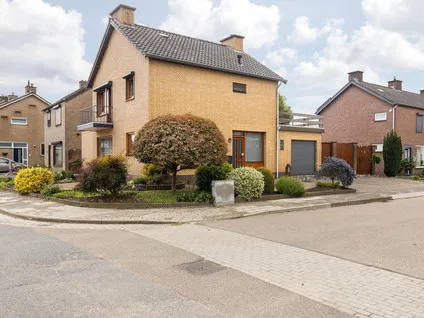
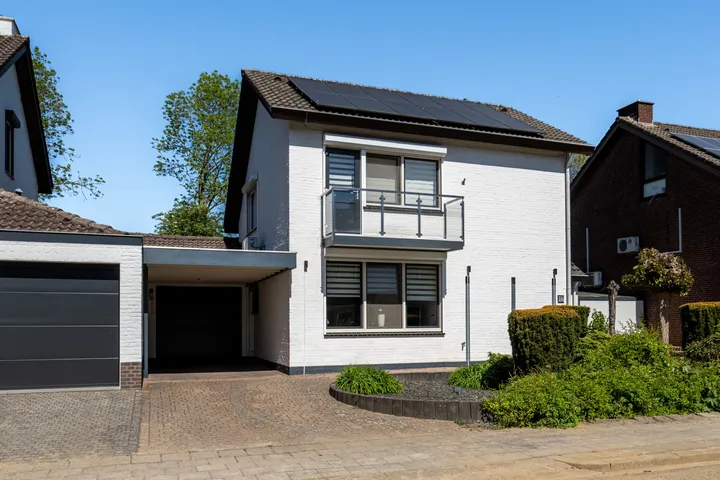
Meers is a small, quiet village that leans against the Meuse, on the edge of the municipality of Stein. With fewer than 900 residents, this is not a neighbourhood where you remain anonymous: people know each other, there is a village-like social cohesion rarely found in larger centres. The housing stock consists largely of detached and semi-detached homes, many built in the 1970s and 1980s, with spacious plots and a green appearance. New construction is scarce here, which limits supply but also keeps the character stable.
The location on the Meuse is the most defining feature of Meers. The river is literally around the corner, with walking and cycling paths along the water that are popular with residents. At the same time, that location means you have to drive or cycle a bit for daily amenities. You won't find a supermarket in Meers itself; for that you rely on Elsloo or Stein. Primary schools are available nearby in neighbouring municipalities, but here too: you depend on the car or bike for daily errands. Those accustomed to this from a village background rarely experience it as a problem. Those used to urban walking distances should take it into account.
In terms of accessibility by car, Meers is reasonably well connected. Via the N278 you quickly reach Maastricht (about twenty minutes' drive) and via the A2 towards Eindhoven or further north. Public transport is more limited: there are bus connections via Elsloo and Stein, but the frequency is low. For train travellers, Beek-Elsloo station is the nearest, a few kilometres away. Cyclists benefit from the relatively flat surroundings and quiet roads.
Residents particularly appreciate Meers for its peace, space and nature. One resident writes: "You really live out here, with the Meuse within walking distance and hardly any traffic on the streets. It's exactly what we were looking for after years in the city." Less enthusiastic are some residents about the limited amenities and dependence on the car. View all reviews and neighbourhood scores on the Meers neighbourhood page.
Compared to neighbouring community Catsop, which has a similar scale, Meers is slightly more nature-oriented due to the Meuse bank. Those seeking a wider range of amenities but still wanting to stay in the area can also look at the supply of owner-occupied homes in Elsloo, the larger centre under which Meers falls.
For whom is a home in Meers the right choice?
Meers best suits buyers who consciously choose peace, space and a village lifestyle. The largest age group is 45 to 65 years, followed by those aged 65 and over: that says something about the character of the neighbourhood. Families with young children who depend on nearby schools or childcare must consider travel distances. First-time buyers find it difficult here: supply is limited and the average selling price of over €400,000 requires substantial financing. Movers and seniors seeking space without the bustle of a larger centre generally feel at home here. Those unsure whether buying is the right time can also look at rental homes in Meers as a first step. Keep in mind that the annual sales volume is low: good supply requires patience and quick action when something becomes available.
What residents say about living in Meers
Residents of Meers rate their neighbourhood predominantly positively, particularly in terms of peace, safety and the green environment. Points that score lower are the level of amenities and accessibility by public transport. One resident sums it up succinctly: "Meers is not a neighbourhood for everyone, but once you live here, you don't want to leave. The silence and space are the greatest asset." If you want to read all reviews and see how Meers scores per category, go to the Meers neighbourhood page with all resident reviews and district data.
Comparing owner-occupied homes in and around Meers
Buurtje.nl bundles supply from more than 1,500 sources in one place, including resident reviews and neighbourhood scores that you won't find anywhere else on home-buying pages. This way you can compare not only homes but also neighbourhoods. Besides Meers, Catsop and the districts Stein and Urmond are interesting alternatives within the municipality. For a complete picture of the local housing market, you can also consult the municipal overview via owner-occupied homes in Stein. More information about the municipality can also be found on the official website of the municipality of Stein.
Frequently asked questions
What is the cost of a home in Meers?
Over the past twelve months, the average purchase price in Meers was €400,400, with selling prices ranging from €325,000 to €469,000. The average living area of sold homes was 161 m², which works out to about €2,485 per square metre. The supply consists almost exclusively of spacious single-family homes; buying apartments in Meers is virtually impossible.
What is the WOZ value in Meers and how does it compare to the municipality?
The average WOZ value of homes in Meers is €295,000. That is lower than the average for the Elsloo district (€302,000), but slightly higher than the municipal average of Stein (€288,000). Meers thus occupies a middle position within the municipality.
What is living in Meers like?
Meers is a small, quiet village on the Meuse with fewer than 900 residents. The atmosphere is village-like and green, with plenty of space and little traffic. Residents appreciate the tranquillity and proximity to the river, but note that you are dependent on a car for daily shopping and amenities. It is a neighbourhood that suits people who consciously choose peace over urban convenience.
Is Meers suitable for families with children?
Meers has a relatively older population, with the largest group between 45 and 65 years old. Families with young children also live there, but must take into account that schools and childcare are not located in the neighbourhood itself. Daily trips by car or bike to Elsloo or Stein are necessary for this. For those who do not mind this and are looking for peace and space, Meers can certainly be a good choice.
How accessible is Meers?
By car, Meers is easily accessible via the N278, with Maastricht about a twenty-minute drive away and a quick connection to the A2 heading north. Public transport is limited: bus connections run via Elsloo and Stein, but the frequency is low. The nearest train station is Beek-Elsloo, a few kilometres away. Cyclists benefit from quiet roads and flat terrain.
What type of homes are for sale in Meers?
The housing supply in Meers mainly consists of detached houses and semi-detached houses, largely built in the 1970s and 1980s. The homes are generally spacious, with an average sold area of 161 m². Apartments are scarce. New construction is rare, so the supply is limited and few homes change hands each year.
Is there a lot of green space and nature near Meers?
Yes, the location on the Meuse is one of Meers' strongest assets. There are walking and cycling paths along the river that residents use regularly. The surroundings are open and green, with little development. This makes Meers attractive for people who value outdoor space and nature right on their doorstep, but it also means that urban amenities are further away.