Homes for sale in Rhenen Binnenstad, Rhenen
Discover the current supply of homes for sale in Rhenen Binnenstad and view prices, neighbourhood data and resident reviews directly on this page.

House prices and market figures for Rhenen Binnenstad, Rhenen
The owner-occupied market in Rhenen Binnenstad is relatively small in size, but that does not make the figures any less interesting. Of the 621 homes in the neighbourhood, 46% are owner-occupied, the rest are rented out, a quarter of which through a housing association. The average WOZ value is €313,000, equal to the district average of Rhenen, but clearly lower than the municipal average of €411,000. That difference says something about the type of housing: the city centre has relatively many smaller, older buildings and apartments above shops, while the outer districts have more spacious single-family homes.
In the past twelve months, 15 homes were sold in the neighbourhood, with an average purchase price of €450,700 and an average living area of 112 m². That works out to approximately €4,025 per square metre. The range runs from €339,500 to €875,000, indicating that both entry-level homes and larger, characterful properties change hands. For current asking prices and the current supply of owner-occupied homes in Rhenen Binnenstad, you can consult the overview at the top of this page.
Living in Rhenen Binnenstad, Rhenen
Choosing to live in Rhenen Binnenstad means choosing a historic village centre on the southern edge of the Utrechtse Heuvelrug. The city centre of Rhenen is compact: the Cunerakerk rises above the rooftops, the Markt is within walking distance of almost everything, and the Rhine is literally just around the corner. It is not an anonymous urban area, but neither is it a sleepy village. There is daily life in the streets, there are shops, restaurants and a weekly market, but the pace is relaxed.
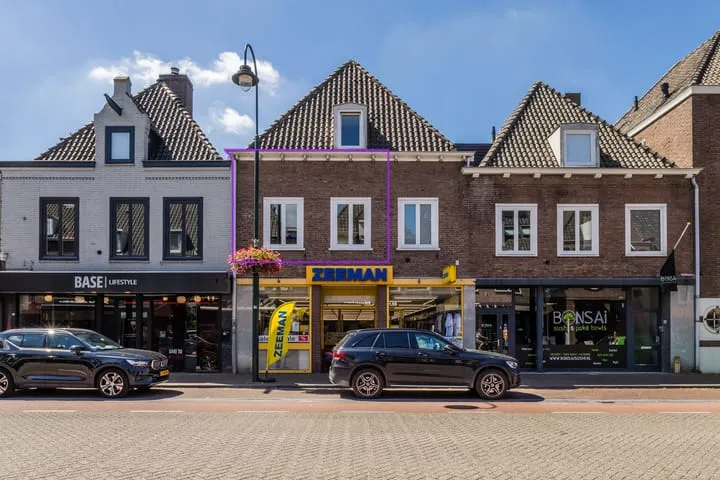
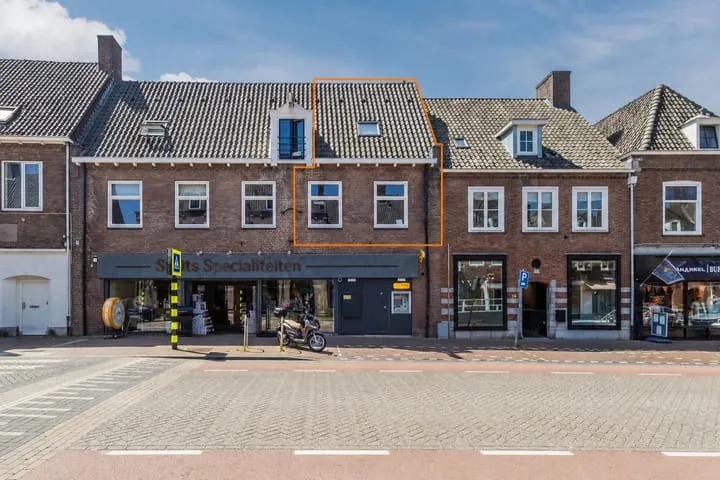
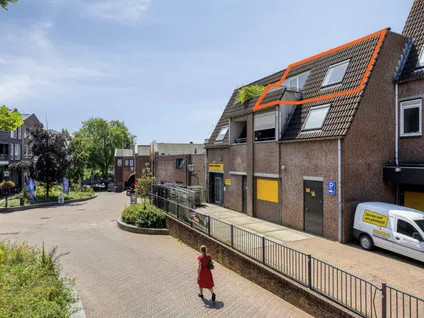
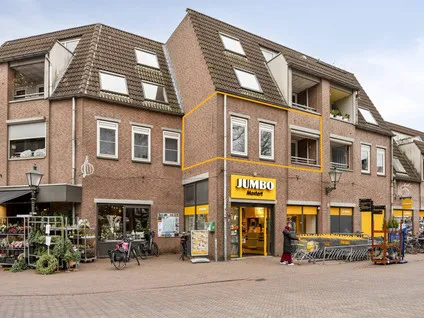
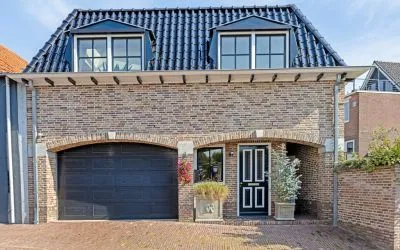
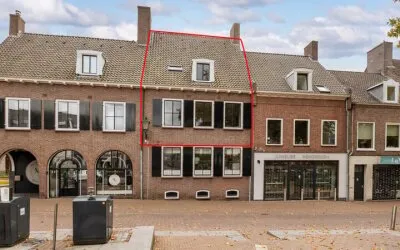
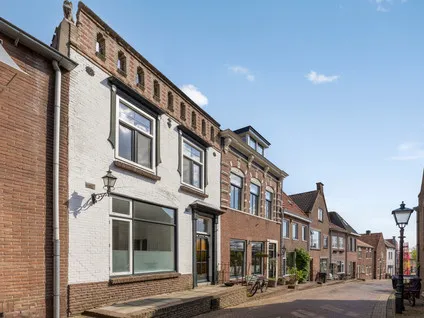
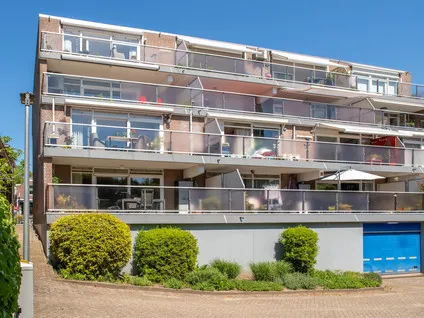
The housing stock in the city centre largely consists of terraced houses and detached properties from the early twentieth century, supplemented by smaller apartments, also above shop premises. Characteristic facades, narrow streets and little new construction define the picture. This makes the neighbourhood attractive for those who love atmosphere and character, but it also means that as a buyer you sometimes have to take into account older foundations, limited parking options at the door and higher maintenance costs.
In terms of amenities, the city centre is well provided for a core of this size. There are several supermarkets within a short distance, including an Albert Heijn on the edge of the centre. Primary schools such as De Fonkel and Koningin Julianaschool are located in or directly around the city centre. For secondary education, children are dependent on the Ichthus College in Rhenen itself or schools in Veenendaal. The centre has a library, a number of medical practices and a varied range of small shops and eateries.
Accessibility is a point that residents regularly mention. Rhenen has its own train station with connections to Utrecht Centraal and Arnhem via the line through Veenendaal. By bike, the station can be reached from the city centre in a few minutes. By car, the A12 via Veenendaal is reachable in about ten minutes, making Rhenen Binnenstad relatively well accessible for commuters towards Utrecht or the Randstad. At the same time, parking in the city centre itself is sometimes difficult, especially in the narrow streets around the Markt.
Residents appreciate the human scale of the neighbourhood and the location between greenery and the centre. One resident writes: "You really live here in the heart of Rhenen, everything is close by and yet you are in nature within five minutes." Criticisms that come up are the limited traffic flow on the narrow roads and the lack of parking at busy times. Read more experiences on the page of Rhenen Binnenstad, where residents rate the neighbourhood on categories such as safety, amenities and greenery.
Compared to surrounding neighbourhoods, the city centre has its own character. Rhenen Oost and Rhenen West offer more post-war expansion districts with larger plots and more parking. Grebbeberg is greener and quieter, but has fewer direct amenities. Those who are specifically looking for the liveliness of a historic centre are in the right place in the city centre.
Does an owner-occupied home in Rhenen Binnenstad suit you as a buyer?
The neighbourhood attracts a mix of residents: many single-person households (330 of the approximately 620 homes), a large group of 25- to 45-year-olds and also a significant proportion of over-65s. For first-time buyers, buying a home in Rhenen Binnenstad is possible at the lower end of the market, but the average selling price of €450,700 and the limited supply make it competitive. Overbidding is realistic in this segment. Movers-up and people who consciously choose a characterful home in a historic centre find what they are looking for here, although they must take into account higher maintenance costs for older properties. Seniors appreciate the walking distance to amenities. Those who want more space or a garden for a similar budget can also look at Rhenen Noord. Unsure if buying is the right time now? Also check the rental homes in Rhenen Binnenstad as an alternative.
What residents say about Rhenen Binnenstad
Residents generally rate the neighbourhood positively, particularly in terms of atmosphere, location and amenities within walking distance. The historic character and the proximity of nature are most often mentioned as plus points. One resident describes it as: "Living in the city centre of Rhenen feels like living in a village with everything at hand, without the hustle and bustle of a big city." Residents are less enthusiastic about parking and traffic in the narrow streets. View all reviews and sub-scores on the neighbourhood page of Rhenen Binnenstad.
Comparing owner-occupied homes in and around Rhenen Binnenstad
On Buurtje.nl you will not only find the current housing supply from more than 1,500 sources, but also neighbourhood scores, resident reviews and district data that help you determine whether a neighbourhood suits you, before you look at the property. Compare Rhenen Binnenstad with the broader owner-occupied housing market in the district of Rhenen or view the total overview of owner-occupied homes in the municipality of Rhenen. Want to know more about the municipality? The municipality of Rhenen offers up-to-date information about living, permits and local amenities. If you want to explore other neighbourhoods, Rhenen Oost and Grebbeberg are good points of comparison with a different character and price level.
Frequently asked questions
What is the cost of a home in Rhenen Binnenstad?
The average purchase price in Rhenen Binnenstad over the past twelve months was €450,700, with an average living area of 112 m². This works out to approximately €4,025 per square metre. The range runs from €339,500 to €875,000, depending on the type, size and condition of the property. Supply is limited, so overbidding is realistic.
What is the WOZ value in Rhenen Binnenstad?
The average WOZ value in Rhenen Binnenstad is €313,000. This is equal to the average for the district of Rhenen, but is clearly lower than the municipal average of €411,000. This difference is due to the type of housing in the city centre: relatively many smaller, older properties and apartments compared to larger single-family homes elsewhere in the municipality.
What is it like to live in Rhenen Binnenstad?
Living in Rhenen Binnenstad means life in a historic village centre with the Cunerakerk as a focal point and the Rhine within walking distance. The atmosphere is quiet but lively, with a weekly market, hospitality venues and shops nearby. Residents appreciate the human scale and the proximity of nature. Parking and narrow streets are mentioned as disadvantages.
Is Rhenen Binnenstad suitable for starters and families?
For starters, buying in Rhenen Binnenstad is possible at the lower end of the market, but the average price of over €450,000 and limited supply make it challenging. Families find primary schools in and around the neighbourhood, but for secondary education they rely on schools elsewhere in Rhenen or Veenendaal. The neighbourhood attracts relatively many single-person households and 25- to 45-year-olds.
How accessible is Rhenen Binnenstad?
Rhenen has its own train station with connections to Utrecht Centraal and Arnhem. From the city centre, the station is reachable by bike in a few minutes. By car, the A12 via Veenendaal can be reached in about ten minutes, handy for commuters heading to Utrecht. Parking in the city centre itself is limited, especially in the narrow streets around the Markt.
What types of homes are for sale in Rhenen Binnenstad?
The supply mainly consists of terraced houses and detached properties from the early twentieth century, supplemented by apartments, sometimes above shops. New-build is hardly present. Anyone considering buying an apartment in Rhenen Binnenstad will find smaller units with character here. The limited supply, with an average of 15 transactions per year, means you have to act quickly when something becomes available.
Is there enough green space and nature from Rhenen Binnenstad?
Yes, the location is one of the neighbourhood's strongest points. The Utrechtse Heuvelrug starts immediately behind the built-up area, with walking and cycling paths towards the forests. The Rhine and the Grebbeberg are within cycling distance. Residents cite the combination of a central location and direct access to nature as one of the main reasons for living here.